Building a Foundation for Life: The Ultimate Guide to Children’s Fitness Bars
Imagine your child, not slumped over a screen, but beaming with pride as they master their first pull-up, swing with fearless joy, or simply move with a natural, confident strength that permeates their entire being. This vision of vibrant health and physical literacy isn’t just for the playground; it can be cultivated daily in your own home, starting with a single, transformative tool. A well-chosen Children’s Fitness Bar is more than a piece of equipment; it’s the foundational key to unlocking a child’s athletic potential, boosting their self-confidence, and instilling a lifelong love for movement that builds resilient bodies and minds.
Foundational Choices: Selecting Your Home Gym Anchor
The right bar isn’t an afterthought—it’s the safe and stable hardware upon which countless adventures and physical achievements will be built. Your initial choice sets the stage for safety, progression, and years of engagement.
Type & Sizing: Matching the Bar to Your Child and Space
Your first critical decision is selecting the bar’s form factor, which dictates its versatility and permanence.
- Doorway Bars: Ideal for space-limited environments. They offer quick setup and removal but are limited to pull-ups and hangs. Ensure a secure, non-slip grip on the door frame and constant supervision.
- Wall-Mounted Bars: The professional choice for dedicated spaces. They provide the most rigid and secure platform for advanced movements and can often include additional features like parallel grips or climbing ropes. Installation into wall studs is non-negotiable.
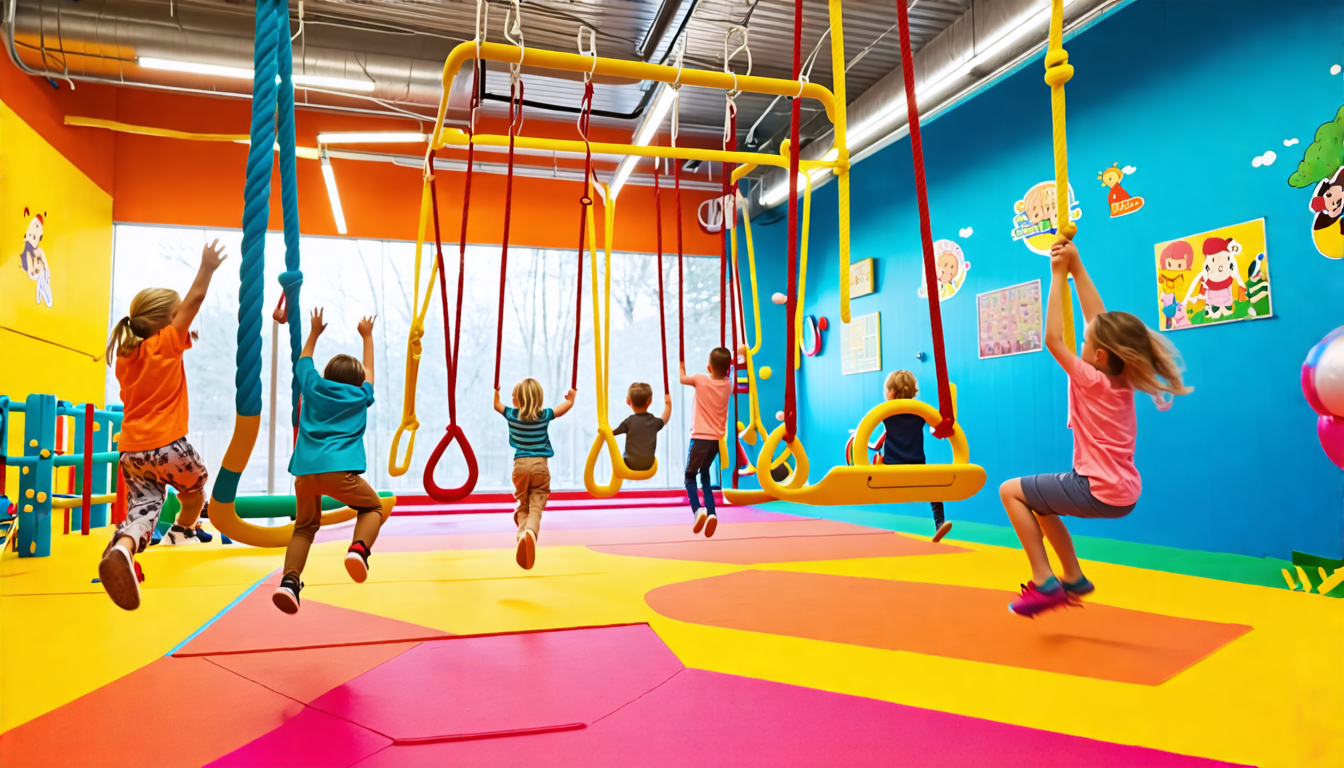
- Free-Standing Units (Power Towers/Jungle Gyms): These are comprehensive stations offering pull-up bars, dip stations, and often swing accessories. They require significant floor space but create an instant, multi-functional fitness zone that encourages creative play.
Sizing for Growth: Choose a bar with an adjustable height range to accommodate your child from their first dead hang to their teenage years. For fixed bars, ensure your child can reach it with a slight jump and hang with arms slightly bent, not fully extended from a standstill.
Location, Installation, and Safety Setup
Proper placement and setup turn a piece of equipment into an irresistible invitation for activity.
- The “Active Zone”: Position the bar in a playroom, basement, or bedroom corner—anywhere with ample clearance (a minimum 6-foot radius is recommended). The location should feel like a designated “action zone,” not an obstacle.
- Installation Non-Negotiables: For wall or doorway models, you must secure the bar to structural studs. Follow manufacturer instructions precisely. Verify the weight capacity exceeds not only your child’s current weight but their projected weight for the next several years.
- Essential Safety Add-ons: A high-quality, thick exercise mat is mandatory to cushion any falls. Ensure the bar’s grips are non-slip and appropriate for small hands. The surrounding area must be free of furniture with hard edges.
Material and Build Quality: A Comparison Table
| Component Category | Primary Options | Key Characteristics |
|---|---|---|
| Frame Material | Steel, Composites | Steel: Extremely durable and rigid; supports high dynamic loads; the gold standard for wall-mounted and free-standing units. Composites/Coated Metals: Lighter and resistant to corrosion; excellent for doorway bars; ensure the core is solid steel, not hollow plastic. |
| Grip Type | Foam, Rubber, Textured Metal | Foam: Comfortable and reduces calluses; can wear down or tear over time. Rubber/Neoprene: Offers excellent sweat absorption and a secure grip; more durable than foam. Textured Metal/Knurling: Provides the most secure grip for advanced work; can be harsh on young skin—often best for older children. |
| Adjustment Mechanism | Pin, Screw, Fixed | Pin System: Allows for quick, tool-free height adjustments; ensure pins are robust and lock securely. Screw/Knob System: Provides very fine, incremental adjustments; requires more time to change. Fixed: Most stable; choose only if you are certain of the ideal, long-term height for your space and child. |
The Core System: Cultivating Strength and Skill
A Children’s Fitness Bar is a dynamic system for physical development. Actively managing its use transforms random play into structured, progressive skill-building that yields measurable results.
The Strength Variable: Foundational Movement Progressions
The goal is systematic strength acquisition, not random effort. Follow this progression to build capability safely and effectively.
The Ideal Progression Ladder: Dead Hangs (10-30 seconds) > Scapular Pulls (retracting shoulder blades) > Assisted Pull-Ups (with band or spotter) > Negative Pull-Ups (lowering slowly) > Full Pull-Ups.
Consequences of Skipping Steps: Rushing to a full pull-up without foundational scapular and grip strength leads to frustration, improper form, and potential strain on young joints.
Tools for Control: Use a thick resistance band looped over the bar and under the knees or feet for assisted movements. Employ a stopwatch to time static holds. Keep a simple progress chart to celebrate improvements in hang time or repetitions.
The Mobility Variable: Swing, Kinesthetics, and Body Awareness
Target the development of spatial awareness, coordination, and joint health through controlled momentum.
Methods for Mastery: Teach safe swinging with a firm grip, starting with small arcs. Practice knee and leg raises to build core connection. Introduce controlled 360-degree rotations (only when strength and technique are sufficient) to develop advanced kinesthetic sense.
The Play Variable: Balancing Structure with Freedom
The system’s sustainability depends on joy. Balance is key.
Schedule short, 10-minute focused sessions twice a week for skill work (like practicing scapular pulls). For the remaining days, allow open access for spontaneous, imaginative play—turning the bar into a spaceship hatch, a monkey vine, or part of a homemade obstacle course. This blend ensures consistent practice without burnout.
Advanced Practices: The Art of Progressive Fitness
Moving beyond basics cultivates true athleticism and sustains engagement over years. This is where practice becomes artistry.
Exercise Preparation: Warm-ups and Skill Progressions
Begin every focused session with dynamic mobility: wrist circles, arm swings, cat-cow stretches, and light jumping jacks. For advanced skills like leg raises, break them down: start with knee tucks, progress to straight-leg raises to 90 degrees, and finally aim for toes-to-bar.
Ongoing Inputs: Creating Engaging Routines
Design game-based workouts to maintain high engagement. Create a “Fitness Adventure” circuit: 5 dead hangs, 10 squats, 5 knee raises, 10 push-ups, repeat. Use a timer for “AMRAP” (As Many Rounds As Possible) challenges in 5 minutes. This builds work capacity and makes fitness fun.
Selection and Strategy: Keeping the Journey Fresh
Introduce new grips (wide, narrow, chin-up) to challenge muscles differently. Set thematic goals, like achieving the “10-Second L-Hang Club.” Use the bar as cross-training for other sports: dead hangs build grip strength for rock climbing; pull-ups develop the latissimus dorsi crucial for swimming power.
Threat Management: Safety, Plateaus, and Burnout
Adopt a proactive stance. The goal is to anticipate challenges and navigate them with calm strategy.
Prevention: The Non-Negotiable Foundation
Conduct a weekly inspection of the bar’s mounting points, grips, and the landing mat for wear. Establish and enforce immutable safety rules: “No flips without a spotter,” “Always check your grip,” “Landing zone stays clear.” Teach your child to listen to their body—soreness is normal, sharp pain means stop.
Intervention: Navigating Common Hurdles
- Hurdle: Fear of hanging or letting feet leave the ground.
Solution: Start entirely grounded. Practice the grip while standing, then progress to leaning back while holding the bar with heels on the floor, building trust gradually. - Hurdle: Strength plateau in pull-up progress.
Solution: Reduce band assistance thickness, increase volume of easier exercises (like more scapular pulls), or focus intensely on the negative (lowering) phase for 5-second counts. - Hurdle: Loss of interest or perceived boredom.
Solution: Refresh the environment. Introduce a new theme (e.g., “Ninja Warrior Training”), invite a friend for partner challenges, or temporarily shift focus to a different fitness skill like jumping rope or balance work.
The Action Plan: A Seasonal Roadmap for Growth
| Season | Primary Tasks & Focus | Skill Development Goals |
|---|---|---|
| Spring (New Beginnings) | Re-establish routines after winter. Focus on foundational grip strength and joint mobility. Introduce playful swinging to rebuild confidence. | Consistent 20-second dead hang. Mastery of controlled, small-amplitude swings. |
| Summer (Energy & Play) | Integrate the bar into outdoor-style play. Focus on endurance and creativity. Move sessions outside if possible. | Complete a 3-round obstacle course featuring the bar. Achieve 5 assisted pull-ups in a row. |
| Fall (Structured Growth) | Return to structured progressions as routines solidify. Focus on measurable strength gains. | Perform a 10-second negative pull-up. Build to a single, unassisted pull-up (for older/more advanced children). |
| Winter (Indoor Mastery) | Focus on skill refinement, isometric holds, and complex indoor circuits. Maintain activity during colder months. | Hold an L-sit (knees bent) for 10 seconds. Learn a new grip variation. Design and complete a personal “Fitness Challenge.” |
The journey with a Children’s Fitness Bar is a masterclass in holistic development. It begins with the deliberate choice of safe, scalable hardware and evolves into the artful management of a system that builds strength, mobility, and joy. You move from teaching a simple hang to fostering a mindset of resilience and capability. Revisit that initial vision: the confident, capable child, moving with purpose and pride. This investment builds far more than muscle; it builds character, instills discipline, and lays an unshakable foundation for a healthy, active life. It transforms your home into a launchpad for potential, creating a legacy of health and unparalleled joy that enriches your family’s world for years to come.