Can Fitness Bars Be Used for Calisthenics? The Ultimate Guide to Your Home Gym Powerhouse
The Vision of Complete Bodyweight Mastery
Imagine transforming any doorway, corner, or yard into a personal strength lab. Here, you master your own body with nothing but gravity, discipline, and a single, elegant piece of equipment. This is the promise of calisthenics—a world of levers, tension, and control. The journey begins not with a complex machine, but with a simple question: can a fitness bar truly serve as the engine for this transformation? The answer is a definitive, resounding yes. A well-chosen fitness bar is not just compatible with calisthenics; it is the foundational key to building a systematic, progressive, and highly effective bodyweight empire. This guide will show you how to select, use, and master your bar to unlock that potential.
Foundational Choices: Selecting Your Calisthenics Engine
Your bar is your primary training partner. Its type, placement, and build quality form the immutable foundation of your practice. Choose wisely, and it will enable years of progression. Choose poorly, and you’ll face limitations and safety risks from day one.
Part A: Type and Function – Matching the Bar to Your Ambitions
Not all bars are created equal. Your goals dictate the tool.
- Doorway Pull-Up Bars: The gateway. Ideal for vertical pulling basics (pull-ups, chin-ups, hanging knee raises) in space-limited environments. Their portability is a virtue, but their instability limits advanced dynamic movements.
- Wall-Mounted or Rack-Attached Rigid Bars: The strength standard. Fixed, unwavering stability makes these perfect for heavy weighted pull-ups, kipping (with proper technique), and building raw, foundational strength. They become a permanent part of your training space.
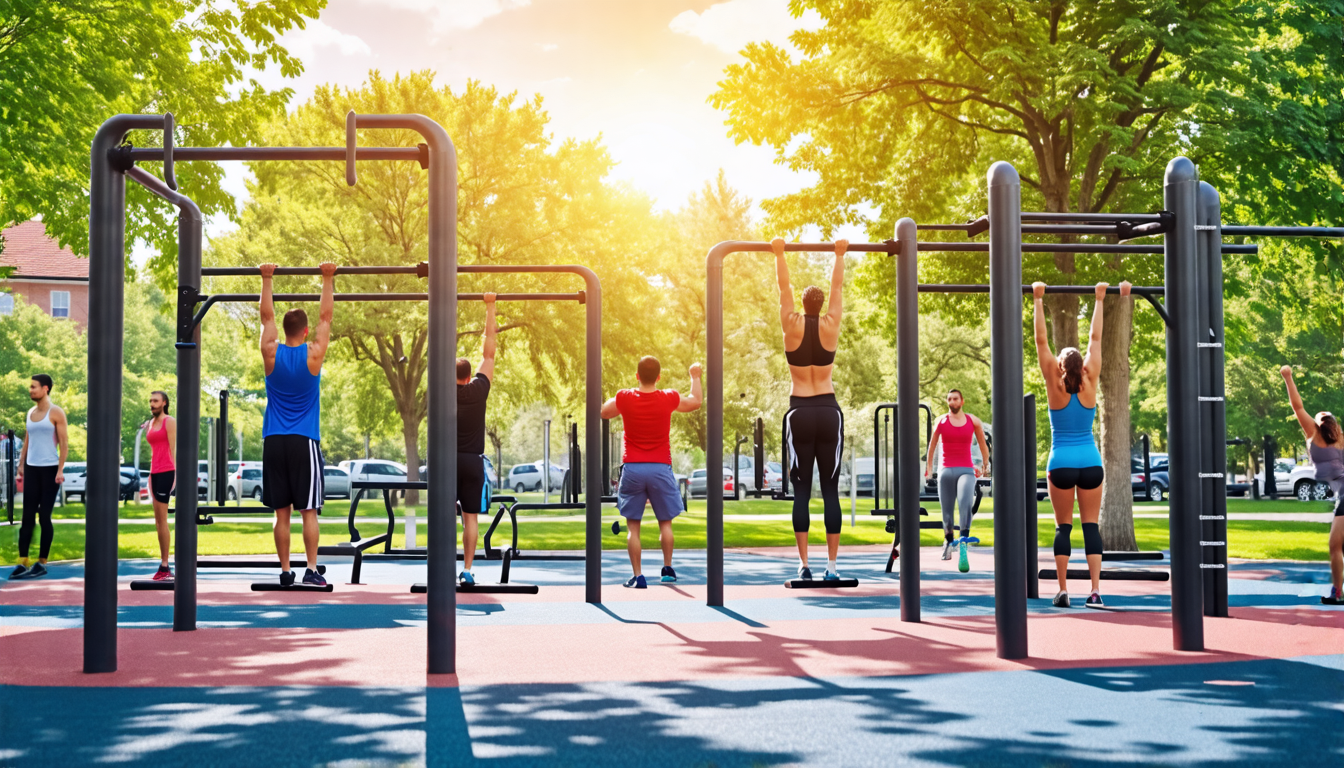
- Freestanding Power Towers/Cages: The all-in-one calisthenics station. This is the home gym powerhouse, integrating pull-up bars, dip stations, and often push-up handles. It enables the full trifecta: pull-ups, dips, and leg raises, allowing for complex circuits and comprehensive training.
- Parallel Bars / Dip Stations: The essential push and core tool. Critical for developing dipping strength, L-sits, planche leans, and push-up variations. While some focus on pushing, they are indispensable for a complete calisthenics skill set.
Part B: The Setup – Engineering Your Training Zone
Where and how you install your bar is as important as the bar itself.
- Space & Clearance: You need 360-degree space. For movements like muscle-ups or skin-the-cats, ensure clearance both in front of and behind the bar. Height should allow a full dead hang without feet touching the ground.
- Flooring and Safety: Never train over hard, unforgiving surfaces. Use rubber gym mats or puzzle tiles to absorb impact from dismounts or controlled fails. This is non-negotiable for joint health and confidence.
- Orientation & Flow: Position your bar or station to allow seamless transitions between exercises. Can you move from pull-ups to dips to leg raises without rearranging your entire room? This flow state is key to intense, effective workouts.
Part C: Material and Build Quality – The Grip and Durability Matrix
The material of your bar dictates feel, grip endurance, and longevity. Choose based on your priorities.
| Material | Key Characteristics | Best For |
|---|---|---|
| Bare Steel | Offers the most secure, “sticky” grip when dry; develops a natural patina. Can be harsh on skin initially and is prone to rust in humid environments without maintenance. | Experienced athletes who train indoors and prioritize maximum grip connection; those who don’t mind regular upkeep. |
| Coated Steel (e.g., Neoprene, Rubber) | Softer on the hands, provides good grip even with sweat, and is rust-resistant. The coating can wear down over time with heavy use and may become slippery if it loses its texture. | Beginners, those training in garages or outdoors, and athletes who do high-rep work or want to minimize callous tearing. |
| Wooden | Provides an excellent, natural-feeling grip that absorbs sweat well; often used in professional gymnastics settings. Typically the most expensive option and requires a sturdy, often permanent, mounting system. | The dedicated calisthenics enthusiast seeking the gold-standard feel for high-skill movements and long training sessions. |
The Core System: Programming Your Calisthenics Practice
The bar is inert. Your programming is the living system that creates change. This is the art and science of engineering strength.
The Fundamental Movement Patterns on the Bar
Every advanced skill is built on these pillars. Master the pattern, then intensify it.
- Vertical Pull (Pull-ups, Chin-ups): The cornerstone of back development. Use the bar to progress from scapular pulls and negatives to full reps, then to weighted variations.
- Vertical Push (Handstand Push-ups): Use parallel bars or a freestanding station to perform pike push-ups and full HSPUs, controlling your range of motion against the bars.
- Horizontal Push (Dips, Planche Leans): Parallel bars are the definitive tool for building dipping strength and for practicing the lean and balance required for planche training.
- Core & Compression (Knee Raises, Toes-to-Bar, Front Lever): The bar is the anchor point for developing brutal, functional core strength. From simple hangs to toes-to-bar and front lever progressions, it trains compression and full-body tension.
Variables of Progression: The Levers of Strength
Getting stronger isn’t just about “doing more.” It’s about strategically manipulating these variables.
- Leverage: Change your body angle. Start with body rows (feet on floor) under the bar to build towards a full pull-up.
- Range of Motion: Increase depth. Go deeper on dips or aim for chest-to-bar pull-ups to increase muscular demand.
- Tempo: Master time-under-tension. A 3-second pull, 1-second pause at the top, and 3-second lower makes a bodyweight rep profoundly more challenging.
- Volume & Density: Structure your work. Add sets and reps (volume), or perform the same amount of work in less time (density).
Advanced Practices: Unlocking Elite Skills
Once the foundations are solid, the bar becomes a playground for athletic expression and elite strength.
Skill Acquisition on the Bar
- The Muscle-Up Pathway: Use a high bar for explosive pull-up practice and transition drills. The false grip (for rings) is less critical here; focus on the explosive pull and the aggressive turnover.
- Front Lever and Back Lever Progressions: The bar is the essential, fixed anchor point. Start with tuck holds, advance to one-leg extends, and slowly work toward the full horizontal holds.
- Bar-Specific Skills: Movements like Skin-the-Cat and the German Hang are not just flashy—they are critical for shoulder health, mobility, and preparing the tendons for more intense strain.
Creating Flows and Circuits
Link movements together. A simple flow like Pull-Up > Knee Raise > Dip > Leg Raise builds muscular endurance, coordination, and makes training dynamic and fun. This is where fitness becomes artistry.
Threat Management: Safety, Injury Prevention, and Maintenance
A proactive mindset separates a lifelong practice from a short-lived, injury-plagued attempt.
Prevention: The Non-Negotiables
- Rigorous Mounting Checks: Before every session, apply your full bodyweight to the bar in a controlled manner to test its stability. Check screws, brackets, and pressure points.
- Dynamic Warm-up: Never go in cold. Prioritize shoulder circles, scapular activations, wrist mobility, and light hanging to prepare tendons and joints.
- Learn Bailout Techniques: Practice safely missing a muscle-up transition or sliding out of a front lever attempt. Knowing how to fail safely builds confidence to push limits.
Intervention: Addressing Common Issues
- Grips and Tears: Use gymnastic chalk to manage sweat. For torn calluses, tape them immediately and consider sanding down callous buildup. Grip strength must be conditioned gradually.
- Shoulder Impingement: This is often a form issue. Avoid excessive kipping before building strict strength. Incorporate prehab like band pull-aparts and external rotations.
- Bar Maintenance: Inspect regularly for rust (sand and treat bare steel), coating wear, and any structural cracks or bends. A loose bolt is a failure waiting to happen.
Your 12-Week Calisthenics Blueprint
This phased plan turns theory into tangible results. Train 3 times per week, with at least one rest day between sessions.
| Phase | Primary Focus | Sample Bar Workout (2-3 circuits) |
|---|---|---|
| Foundation (Weeks 1-4) | Skill Proficiency & Connective Tissue Conditioning |
|
| Growth (Weeks 5-8) | Strength Accumulation & Volume |
|
| Performance (Weeks 9-12) | Intensity & Skill Integration |
|
The Transformation Awaits
The journey from a simple question to physical mastery is clear. A fitness bar is not just usable for calisthenics; it is one of its most potent and versatile catalysts. You begin by selecting the right hardware—the engine for your ambition. You then build the system, mastering fundamental patterns and manipulating the variables of progression. You advance to skills that redefine your capabilities, all while maintaining a fortress of safety and prevention. The result is more than a better physique. It is self-reliance, resilience, and the profound satisfaction of commanding your own body. That doorway, that corner, that yard—it’s no longer just space. With a bar and knowledge, it becomes your personal proving ground, a portal to unparalleled physical capability.