The Vision of Mastery
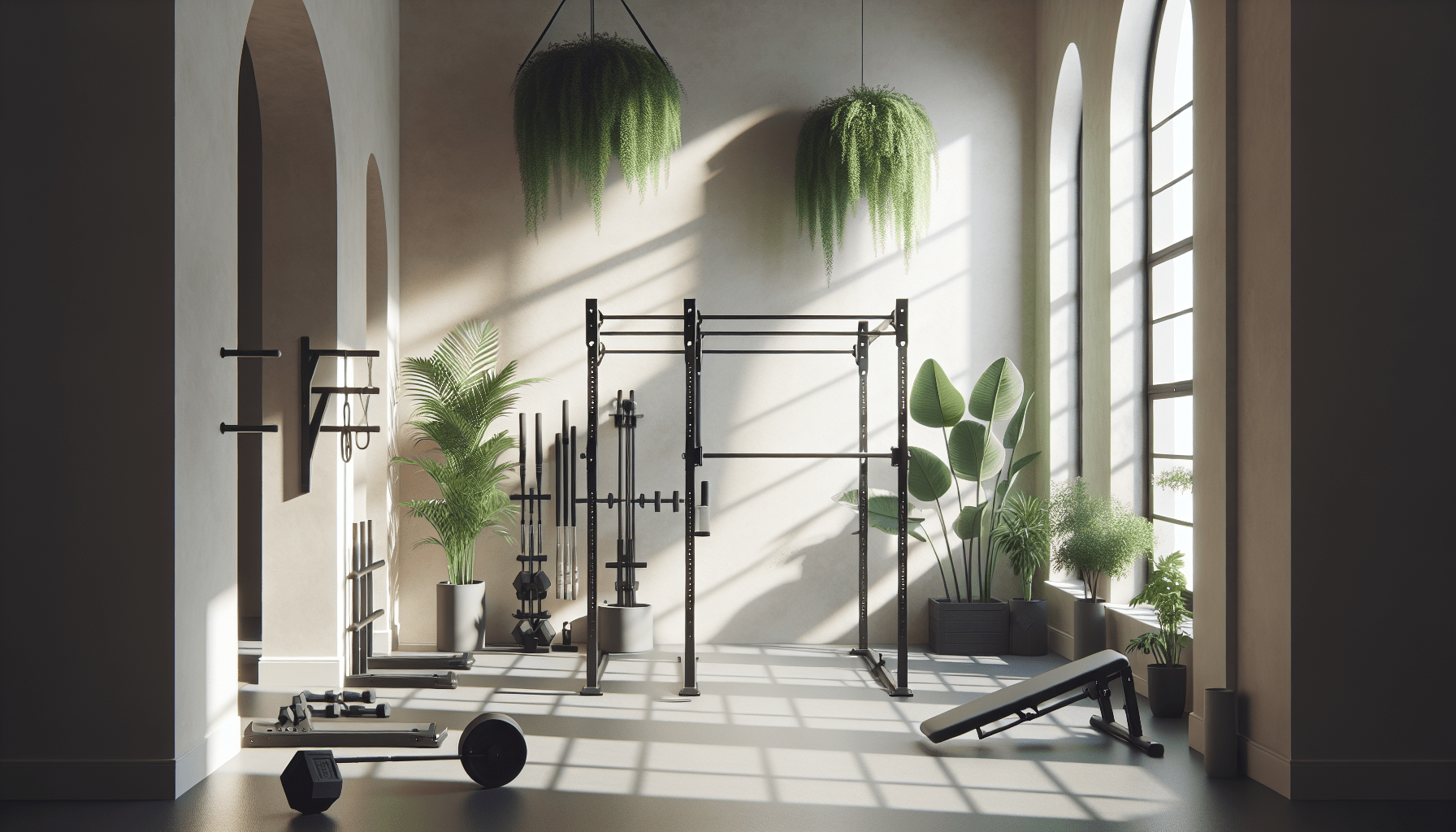
Imagine walking into your personal strength sanctuary. The air is charged with potential. Every piece of equipment has a purpose, and at the heart of it all lies a versatile, robust bar, its knurling worn in just the right places from your effort. This isn’t just a room; it’s a forge for your will. That vision becomes reality with a single, critical choice: selecting the right bar. It is the primary tool, the conduit of force, and the variable you’ll interact with most. Understanding the distinct Types Of Home Fitness Bars is the foundational key to building a home gym that evolves with your goals, enabling superior strength, impeccable technique, and transformative results.
Foundational Choices – The Hardware of Strength
Your bar is the hardware of your fitness system. The right choice creates a limitless platform for growth; the wrong one caps your potential and invites frustration. This decision is the bedrock of your strength sanctuary.
Selection by Function – Defining Your Training Arsenal
Each bar is engineered for a specific purpose. Choose based on the movements you prioritize.
- The Olympic Barbell: The gold standard for dynamic, heavy lifting. Designed with “whip” (controlled flex) and smooth-rotating sleeves to excel in the snatch and clean & jerk.
- The Power Bar: The specialist for maximal strength. Stiffer than an Olympic bar, with aggressive center knurling and tighter sleeve spin, built for the big three: squat, bench, and deadlift.
- The Multi-Grip/Cambered Bar: The joint-saver and muscle-targeter. Its angled handles and cambered shaft reduce strain on shoulders and elbows during presses, while shifting emphasis to different areas of the chest and triceps.
- The Trap/Hex Bar: The deadlift specialist and gateway to heavy pulls. By allowing you to lift with a more upright torso, it places less shear force on the spine and can often enable you to lift more weight than a conventional deadlift.
- The Fixed Barbell: The simple, durable tool for accessory work. Pre-loaded with weight, it’s perfect for rows, lunges, and beginner routines where loading plates isn’t practical.
- The EZ-Curl Bar: The essential arm and accessory work specialist. The angled grips place your wrists in a more natural, supinated position for curls and triceps extensions, reducing strain.
Setup and Space – Creating Your Lift Zone
Your bar’s performance is tied to its environment.
- Assessing Space & Flooring: Ensure a minimum clearance of 2-3 feet on all sides of your rack or lifting platform. Invest in a rubber platform or heavy-duty mats to protect your floor, your bar, and your plates.
- Storage Solutions: Never leave bars leaning against walls. Use vertical racks, wall-mounted gun racks, or horizontal floor stands. Proper storage prevents bar bend and keeps your space safe and organized.
Anatomy of a Bar – Material and Component Breakdown
The devil is in the details. This table breaks down the critical components that define a bar’s feel and function.
| Component Category | Options | Key Characteristics |
|---|---|---|
| Shaft (Bar Body) | Steel Alloy, Stainless Steel, Cerakote Coated |
|
| Sleeve (Rotation Mechanism) | Needle Bearing, Bushings, Fixed |
|
| Knurling (Grip Surface) | Aggressive, Moderate, Passive, No Knurl |
|
The Core System – Bar Management and Lifelong Performance
A bar is a dynamic, precision tool. Treating it as such ensures safety, preserves performance, and guarantees it serves you for decades.
- Load Management: Respect the bar’s tensile strength rating (typically 1500-2000 lbs). Always use collars to secure plates, preventing dangerous shifts and protecting the sleeve threads. Load plates evenly and symmetrically.
- Bar Maintenance: Wipe down the knurling with a dry brush after each use to remove chalk, sweat, and skin cells. For sleeves, a light application of 3-in-1 oil on bushings or bearings every few months keeps rotation smooth. Monthly, perform the “roll test”: roll the bar on a flat floor to check for bends.
- The Ecosystem: Your bar dictates its companions. Olympic bars demand bumper plates. Power bars work best with precise iron plates. Your rack’s J-cups should be of a material (UHMW plastic) that won’t damage the bar’s knurling.
Advanced Practice – Building Your Routine Around Your Bars
With the right tools, your training evolves from random workouts to a strategic practice of strength cultivation.
- The Primary Bar Strategy: Your first bar should mirror your primary goal. A general fitness enthusiast benefits from a versatile, moderate-knurled Olympic bar. A dedicated powerlifter must start with a stiff power bar. This becomes your “home base” for 80% of your work.
- The Specialty Bar Progression: Integrate additional bars to solve problems. Plateauing on bench press? A Multi-Grip Bar can work around shoulder pain and stimulate new growth. Want to deadlift heavier with less spinal load? The Trap Bar is your next purchase. The EZ-Curl Bar is a logical third addition for dedicated arm and upper-back days.
- Sample Programming Integration: A weekly strength plan might cycle bars strategically: Monday (Power Bar) for heavy squats and bench; Wednesday (Trap Bar) for high-volume deadlifts and carries; Friday (Olympic Bar) for cleans and overhead press; with accessory work (EZ-Curl Bar) sprinkled throughout.
Avoiding Pitfalls and Solving Problems
Mastery is proactive, not reactive. Adopt these protocols to prevent issues before they start.
- Prevention Protocol: This is non-negotiable. Store bars vertically or horizontally on racks. Wipe off sweat immediately after use. Never drop a bar without plates (it can bend the shaft). Never use a deadlift bar for squats (they are too whippy).
- Intervention Guide:
- Rust: For surface rust, use a brass brush and 3-in-1 oil. For severe rust, consider professional re-sleeving or re-finishing.
- Stuck Sleeves: Apply penetrating oil around the sleeve-bar interface. Let it sit, then gently tap with a rubber mallet. If permanently seized, the bar may need to be replaced.
- Worn Knurling: This is a badge of honor to a point. If it becomes dangerously smooth, the bar can be re-knurled by a specialist, though often it’s more cost-effective to retire it to light duty and purchase a new primary bar.
Your Roadmap to Acquisition
Building your arsenal is a phased journey. Follow this actionable plan to invest wisely and grow strategically.
| Phase | Primary Tasks | Focus On |
|---|---|---|
| The Starting Point | Assess your primary training style and space. Invest in one high-quality, versatile bar (e.g., an All-Round Olympic Bar or a Power Bar, based on your goal) and a set of spring collars. | Mastering fundamental movement patterns. Building consistency and a baseline of strength. Learning proper bar care. |
| The Expansion Phase | Add one specialty bar to address a specific goal or limitation. The Trap Bar for leg development and safer pulls, or the EZ-Curl Bar for dedicated arm and accessory work, are exemplary first additions. | Increasing training volume safely. Breaking through plateaus. Adding strategic variety to prevent overuse injuries. |
| The Optimization Phase | Consider a dedicated bar for sport specificity (e.g., a true competition-grade Power Bar) or advanced tools for longevity (e.g., a Multi-Grip Bar for shoulder health). This is where you fine-tune your tools for peak performance. | Competition preparation, advanced programming, and proactive joint care. Your gym is now a curated ecosystem tailored to your evolved practice. |
Forging Your Legacy
True strength is built with intention, starting with the tools you choose to wield. This journey—from selecting your foundational bar among the critical Types Of Home Fitness Bars, to building a synergistic arsenal, to executing a refined and purposeful training practice—transforms your home gym. It ceases to be a mere collection of equipment and becomes a curated strength ecosystem, a reflection of your knowledge and dedication. The result is more than progress on a spreadsheet; it’s resilience, capability, and the profound, daily satisfaction of lifting in a space perfectly crafted for your unique journey. Your strength sanctuary awaits. Now, go build it.