What Is Advanced Flexibility Training?
Beyond Basic Stretching: Defining Advanced Flexibility Training
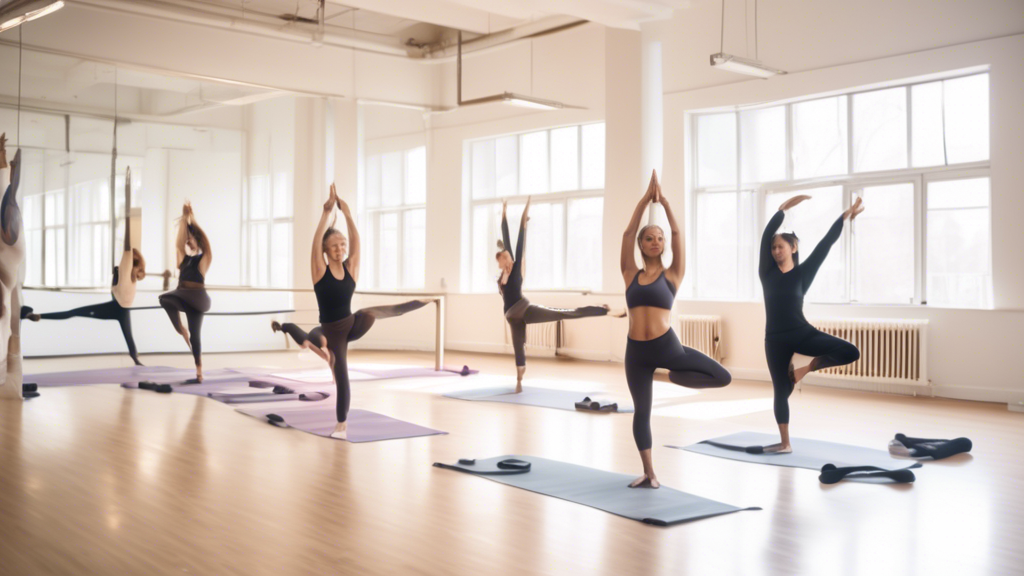
Advanced Flexibility Training is a systematic approach that moves beyond simple static stretching. It’s a discipline focused on achieving a high degree of active and passive range of motion, often for specific performance or aesthetic goals. While basic stretching aims for general suppleness, advanced training targets the neuromuscular system, connective tissues, and joint capsules with precise protocols to create lasting, functional change.
The Science of Super-Flexibility: How Your Body Adapts
The journey to advanced flexibility isn’t just about “stretching muscles.” It’s a complex neurological and structural adaptation. Your body adapts in three key ways:
- Neurological Adaptation: Your nervous system becomes more tolerant of stretch, increasing its “stretch threshold” and reducing the protective stretch reflex.
- Connective Tissue Remodeling: Tendons and ligaments, particularly the fascial network, become more pliable and resilient through sustained, progressive loading.
- Muscular Change: Sarcomerogenesis occurs—the addition of new sarcomeres (the basic contractile units of muscle) in series, physically lengthening the muscle fibers.
Key Differences Between Beginner, Intermediate, and Advanced Flexibility Training
| Aspect | Beginner | Intermediate | Advanced |
|---|---|---|---|
| Focus | General ROM, basic form | Specific skill acquisition (e.g., front splits) | Mastery, extreme ranges, integration with other modalities |
| Techniques | Static & Dynamic Stretching | Introduction to PNF, Isometric Holds | Loaded Stretching, Advanced PNF, Neural Downtraining |
| Frequency/Duration | 2-3x/week, 15-20 min | 3-5x/week, 20-30 min | 5-6x/week, 30-60+ min |
| Recovery Needs | Low | Moderate | High (active recovery, dedicated mobility work) |
The Hidden Benefits of Advanced Flexibility Training (Beyond the Obvious)
Pain Reduction and Injury Resilience You Didn’t Know About
While improved range of motion is the stated goal, a profound benefit is the reduction of chronic pain and a significant boost in injury resilience. By restoring optimal joint kinematics and relieving compressive forces, advanced flexibility work can alleviate common issues like lower back pain and shoulder impingement. It also enhances the load-distributing capacity of your tissues, making them more resistant to sprains and strains.
Boosting Athletic Performance and Power Output
There’s a common misconception that becoming more flexible makes you “loose” and less powerful. The opposite is true. Advanced flexibility, particularly active flexibility, allows you to access a larger range of motion to generate force. Think of a sprinter’s powerful stride or a wrestler’s explosive shot—both rely on the ability to rapidly produce force at extreme joint angles, which is a direct product of advanced flexibility training.
The Surprising Link Between Deep Flexibility and Stress Relief
The process of deep, focused stretching directly impacts the autonomic nervous system. Holding advanced stretches, especially those that involve deep breathing and mindfulness (like in PNF), stimulates the parasympathetic nervous system. This induces a “rest and digest” state, lowering cortisol levels, reducing overall stress, and can even improve sleep quality. The flexibility session becomes a moving meditation.
Are You Ready for Advanced Flexibility Training? Key Prerequisites
Assessing Your Current Mobility and Stability
Before diving into advanced protocols, you must have a solid foundation. Ask yourself:
- Can I perform a deep bodyweight squat with a neutral spine?
- Do I have control and stability in my end-range of motion, or do I feel a “pinching” or sharp pain?
- Can I hold basic stretches for 60 seconds without intense shaking or compensatory movement?
If the answer to any of these is no, more foundational work is needed.
Common Pain Points: Why People Plateau (And How to Break Through)
Plateaus are inevitable. The most common reasons are:
- Lack of Progressive Overload: You’re not consistently challenging your tissues with slightly more intensity, duration, or load.
- Neglecting Antagonist Muscles: Focusing only on the “tight” muscle while ignoring its opposing group creates imbalance and halts progress.
- Insufficient Recovery: Flexibility gains happen during recovery, not the stretch itself. Overtraining keeps the nervous system in a guarded state.
The Crucial Role of Consistent Foundational Practice
Advanced training is not a replacement for the basics; it’s built upon them. Consistent practice of foundational movements—like cat-cow, hip hinges, and shoulder circles—ensures joint health and neuromuscular efficiency. Skipping this is like building a skyscraper on sand. A daily 10-minute mobility routine can be more beneficial for long-term progress than sporadic, intense advanced sessions.
Core Methodologies in Advanced Flexibility Training
PNF Stretching (Proprioceptive Neuromuscular Facilitation) Explained
PNF is a cornerstone of advanced training. The most common technique is the “Contract-Relax” method:
- Move into a passive stretch until you feel a mild pull.
- Isometrically contract the stretched muscle against resistance (e.g., a partner or immovable object) at 50-75% max effort for 5-10 seconds.
- Fully relax the muscle.
- Immediately move into a deeper stretch and hold for 20-30 seconds.
This process inhibits the stretch reflex and allows for greater gains in range of motion.
Loaded Stretching: Using Weights for Deeper Gains
Loaded stretching uses external weight to apply a progressive, long-duration stretch to a muscle group. An example is a Goblet Squat Hold with a kettlebell to improve squat depth. The weight provides a gentle, sustained pull that encourages structural changes in the connective tissue, making it ideal for overcoming stubborn plateaus.
Isometric and Dynamic Flexibility Protocols
These protocols develop control within the new range of motion.
- Isometric: Holding a strength position at the end-range (e.g., a middle splits hold while actively pressing the feet into the floor). This builds active flexibility.
- Dynamic: Moving smoothly and with control through a full range of motion (e.g., leg swings, controlled cat-owl stretches). This prepares the tissues for dynamic activities.
Advanced Flexibility Training vs. Other Modalities
Advanced Flexibility Training vs. Standard Yoga: A Detailed Comparison
| Feature | Standard Yoga | Advanced Flexibility Training |
|---|---|---|
| Primary Goal | Mind-body connection, spirituality, general wellness | Maximizing specific, measurable ranges of motion |
| Approach | Holistic, often static holds and flows | Scientific, targeted, and progressive |
| Techniques | Asanas (postures), Pranayama (breathwork) | PNF, Loaded Stretching, Isometrics |
| Best For | Overall wellness, stress relief, maintenance | Athletes, dancers, those seeking rapid, specific flexibility gains |
How It Complements and Differs from Strength and Conditioning
They are two sides of the same coin. Strength training makes the new range of motion usable and safe, while advanced flexibility provides a larger “canvas” upon which strength can be expressed. The key difference is intent: strength training prioritizes force production, while flexibility training prioritizes range acquisition. They should be integrated, not seen as separate entities.
The Unique Role of Active vs. Passive Flexibility in an Advanced Regimen
This is a critical distinction often overlooked:
- Passive Flexibility: The range of motion you can achieve with external help (e.g., gravity, a partner, pulling on your leg). This is what most people think of as “flexibility.”
- Active Flexibility: The range of motion you can achieve using only the strength of your own agonist muscles (e.g., lifting your leg as high as you can without assistance).
An advanced regimen deliberately trains both. A large gap between your passive and active flexibility is a sign of instability and a high injury risk. The goal is to make your active flexibility as close to your passive as possible.
Building Your Personalized Advanced Flexibility Training Program
Structuring Your Weekly Routine for Optimal Results
A balanced weekly schedule for an intermediate/advanced practitioner might look like this:
| Day | Focus | Protocol |
|---|---|---|
| Monday | Lower Body (Splits Focus) | PNF, Isometric Holds |
| Tuesday | Upper Body (Bridges/Backbends) | Loaded Stretching, Dynamic Mobility |
| Wednesday | Active Recovery / Neural Downtraining | Light Flow, Fascial Release |
| Thursday | Lower Body (Pancake/Straddle) | PNF, Loaded Stretching |
| Friday | Full Body Integration | Dynamic & Isometric Circuits |
| Weekend | Rest or Light Mobility | — |
The “Something Unique”: Utilizing Neural Downtraining for Faster Gains
Here’s a concept most people don’t know: your nervous system, not your muscles, is often the primary limiter of flexibility. Neural Downtraining is a technique to calm an over-protective nervous system. Instead of aggressively stretching, you spend 5-10 minutes in a supported, comfortable version of your goal pose (e.g., lying in a supported straddle with pillows under your legs). The goal is zero sensation of stretch. This sends a safety signal to your brain, gradually convincing it to “allow” a greater range of motion without triggering protective tension. It’s a powerful tool for breaking through mental and neurological barriers.
Sample 20-Minute Advanced Flexibility Training Session
Focus: Middle Splits (Straddle)
- Warm-up (5 mins): Leg swings (front/side), hip circles, deep goblet squats.
- Loaded Stretch (5 mins): Sit in a wide straddle. Place a light kettlebell in front of you and gently “push” it forward with your hands, feeling a deep stretch in the inner thighs. Hold for 2x 60-second sets.
- PNF Contract-Relax (5 mins): In a wide straddle, try to bring your knees together isometrically (contract adductors) for 10 seconds against your hands placed on the inner knees. Relax and sink deeper into the stretch. Repeat 3 times per side.
- Isometric Hold (3 mins): In your deepest straddle, actively press your feet into the floor as if you’re trying to slide them together (but don’t move). Hold for 3x 45-second sets.
- Neural Downtraining (2 mins): Lie on your back with your legs up in a comfortable “V” against a wall. Completely relax. Breathe deeply.
Common Mistakes and How to Avoid Them
Overtraining and the Importance of Rest and Recovery
More is not always better. Stretching too aggressively or too frequently keeps the muscles in a state of micro-trauma and the nervous system on high alert. This prevents adaptation and can lead to regression or injury. Solution: Schedule deload weeks where you reduce intensity by 50%, prioritize sleep, and incorporate modalities like foam rolling and contrast showers.
Neglecting Supporting Muscle Groups
Focusing solely on the prime movers (e.g., hamstrings for front splits) while ignoring the stabilizers (hip flexors, glutes, core) creates imbalances. Solution: Always include compound stretches and strengthening exercises for the entire kinetic chain. For splits, this means also training hip flexor stretches and glute activation.
Improper Breathing Techniques That Hinder Progress
Holding your breath or breathing shallowly during intense stretches increases tension and activates the sympathetic nervous system (fight-or-flight). Solution: Practice diaphragmatic breathing. Inhale deeply to prepare, and exhale slowly to sink deeper into the stretch. The exhale is your key to releasing tension.
Frequently Asked Questions About Advanced Flexibility Training
How long does it take to see significant results from an advanced flexibility training program?
With a consistent, well-structured advanced program, you can expect to see noticeable improvements in 4-8 weeks. “Significant” results, like achieving a full front split or a deep backbend from scratch, can take 6 months to 2 years, depending on your starting point, genetics, and dedication.
Can I do advanced flexibility training if I’m not naturally flexible?
Absolutely. “Natural flexibility” is often just a head start. Advanced training protocols are designed to systematically create change in any body. Your progress might be slower than someone who is naturally supple, but the principles of progressive overload and neurological adaptation work for everyone.
Is advanced flexibility training safe for people with previous injuries?
It can be, but it requires extreme caution and professional guidance. You must consult with a physical therapist or a qualified coach. The key is to differentiate between the “good pain” of a stretch and the “bad pain” of an old injury. Advanced training should rehab and strengthen the injured area, not aggravate it.
How often should I incorporate advanced flexibility training into my weekly fitness routine?
For dedicated flexibility gains, aim for 4-6 sessions per week, with each session lasting 30-60 minutes. If you’re integrating it with intense strength training, 3-4 focused sessions may be more sustainable. Listen to your body—quality and consistency are far more important than brute-force frequency.