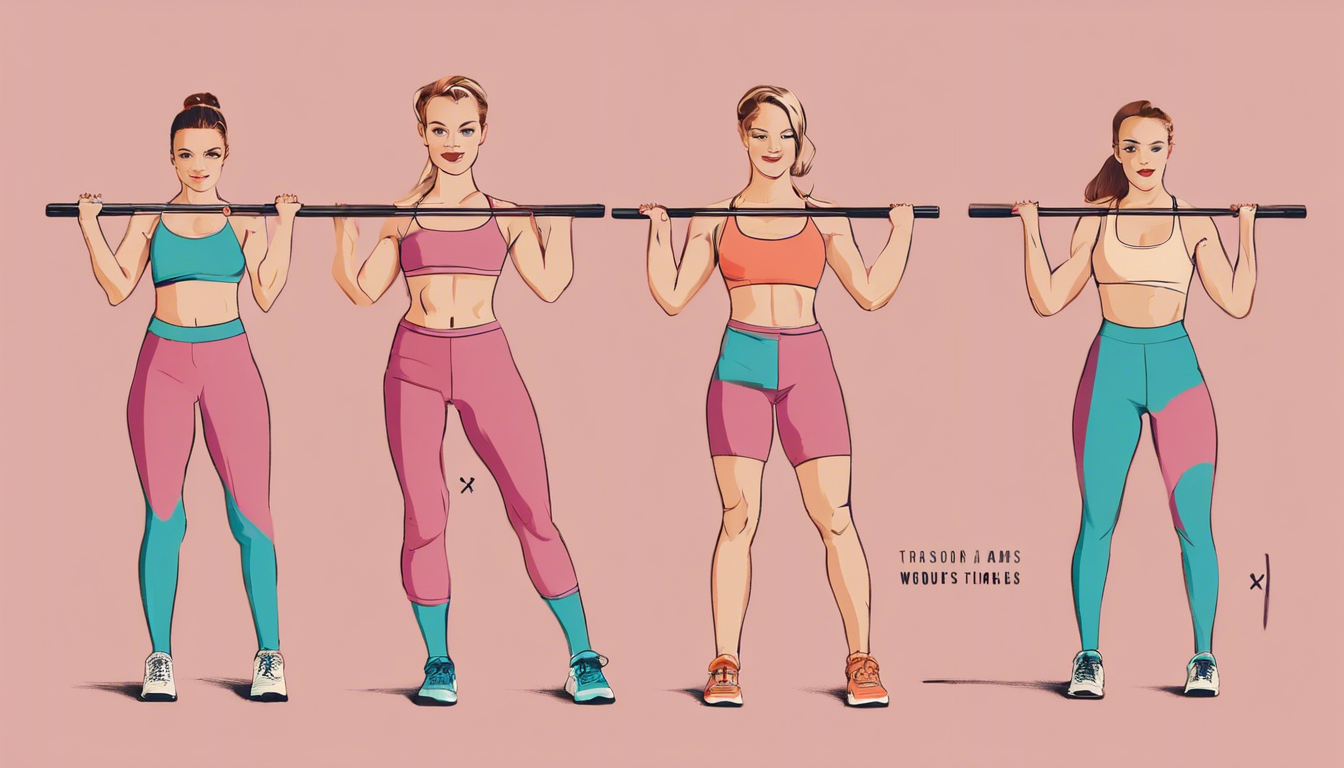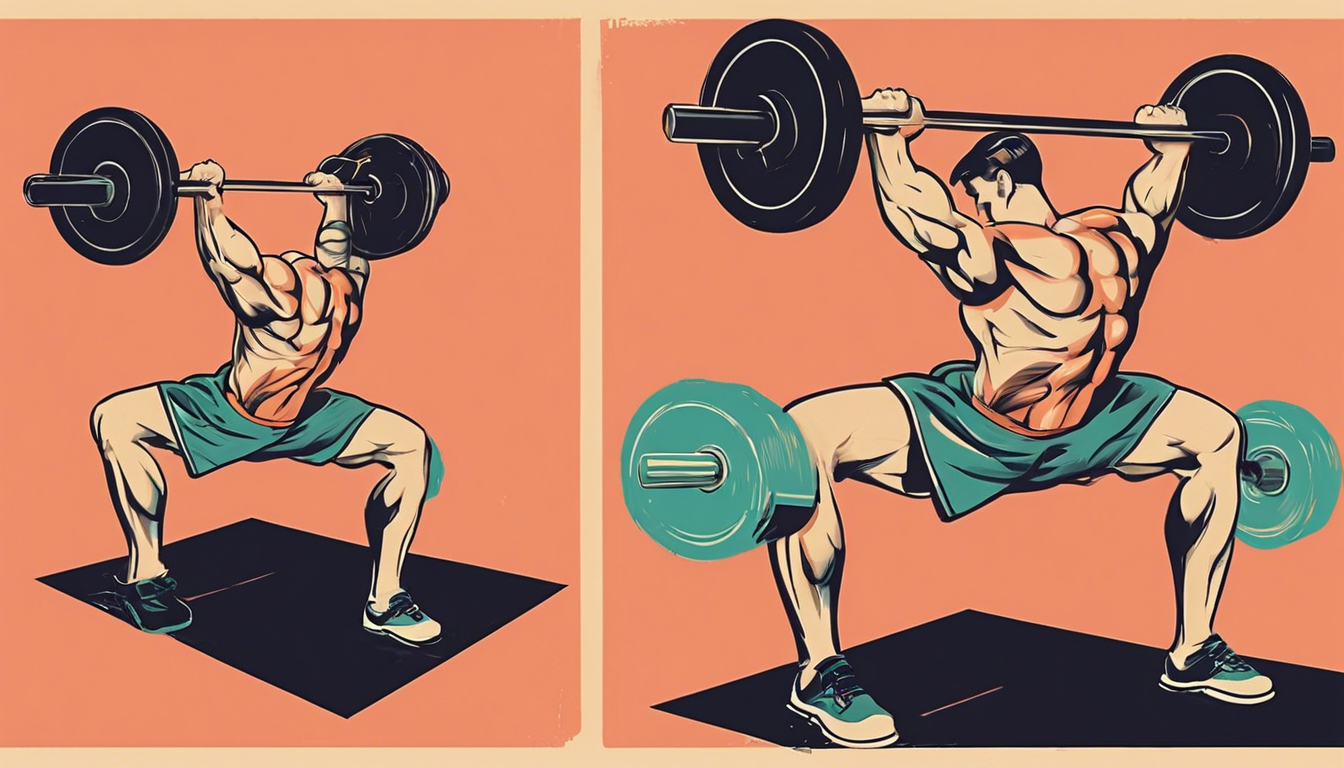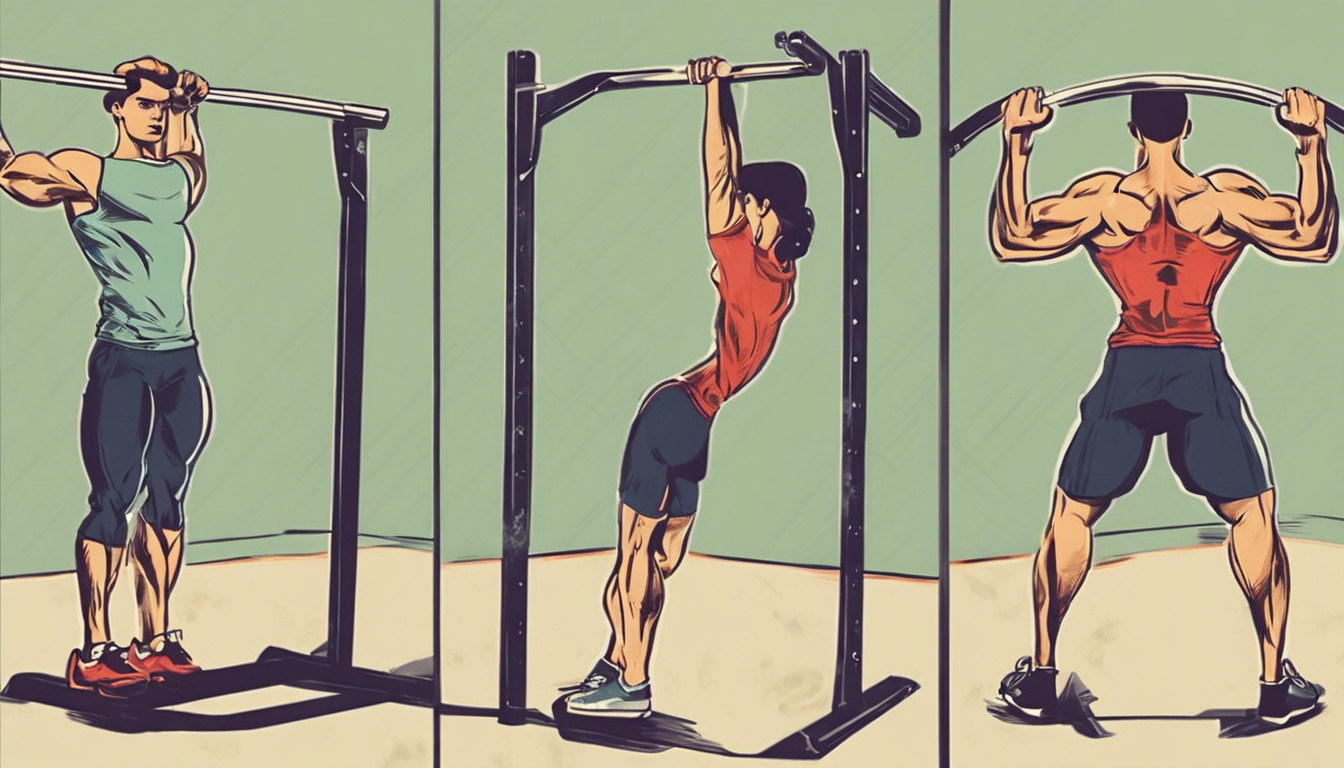
The Vision: Unleash Your Ultimate Athletic Engine
Imagine moving with explosive power, enduring with unshakeable stamina, and sculpting a physique that’s both lean and powerful—all within the confines of your home. You’re not just lifting; you’re flowing from a set of clean and presses into a burst of high knees, your heart pounding as your muscles fire. This is the domain of the complete athlete. This isn’t about choosing between strength and endurance; it’s about forging them together into a superior form of fitness. Mastering the art of combining cardio with fitness bars is the key to unlocking comprehensive athleticism, accelerating fat loss, and building a resilient, high-performance body. It transforms your home gym from a strength station into a metabolic forge.
Foundational Choices: Your Cardio-Strength Hardware
Your equipment and setup form the physical foundation for effective, safe hybrid training. The wrong choices here create friction, limit potential, and increase risk. You must build an environment that facilitates seamless transitions from powerful pulls to explosive jumps.
Part A: Selecting Your Fitness Bar Arsenal
Not all bars are created equal for dynamic, cardio-infused work. A standard 45lb Olympic bar is your anchor, but versatility is king. A multi-grip bar or triceps bar saves precious seconds in transitions and is gentler on joints during high-rep circuits. Your essential attachments are resistance bands (for accommodating resistance on jumps or adding pull-up assistance) and a suspension trainer (for instant rowing or plyometric push-up variations). This toolkit allows you to modulate intensity without changing equipment.
Part B: Creating Your Hybrid Training Zone
Space is your most valuable asset. You need a clear 9’x12′ area minimum. Center your rack or bar storage against one wall. The remaining floor space is your cardio deck—protected by interlocking rubber tiles to absorb impact from jumps and slams. Keep a plyometric box, jump rope, and kettlebell at the perimeter for immediate access. This strategic layout turns complex circuits into a smooth, non-stop performance.
Part C: Material & Component Breakdown
| Component Category | Options | Key Characteristics |
|---|---|---|
| Bar Finish | Chrome, Cerakote, Bare Steel | Cerakote is ideal: Superior corrosion resistance for sweaty hands; excellent grip without being abrasive; requires minimal maintenance compared to bare steel. |
| Rack Type | Power Rack, Squat Stands, Wall-Mounted Rig | A power rack is non-negotiable for safety. Allows for failed reps during fatigue and facilitates pull-ups, band attachments, and dip stations—consolidating all strength work into one station for faster transitions. |
| Cardio Tools | Jump Rope, Plyo Box, Air Bike/Rower | Jump Rope: Ultimate for coordination and calf endurance between sets. Plyo Box: For step-ups, jumps, and elevated push-ups. Air Bike/Rower: Provides maximal, low-impact cardio output to pair with bar complexes; the assault bike is the gold standard for gut-check intervals. |
The Core System: Managing Intensity & Recovery
This hybrid approach is a physiological system to be precisely managed, balancing stress and adaptation. Lose control of these variables, and you risk plateau or injury. Master them, and you engineer progress.
Variable 1: Work-to-Rest Ratio Control
This is your primary metabolic dial. For pure HIIT, target a punishing 2:1 or even 1:1 work-to-rest ratio (e.g., 40 seconds on, 20 seconds off). For Strength-Cardio Circuits, use a 1:1 or 1:2 ratio to maintain bar speed and technique (e.g., 45 seconds of thrusters, 90 seconds of rest). The consequence of poor management is a session that is either insufficiently challenging or deteriorates into sloppy, dangerous movement. Your essential tool is a simple interval timer; advanced practitioners use a heart rate monitor to ensure they hit target recovery beats per minute before the next round.
Variable 2: Movement Quality & Tempo
Form is non-negotiable, especially under cardio duress. You must maintain structural integrity. Prescribe tempo for your bar movements, especially the eccentric (lowering) phase. A 2:1:1 tempo (2 seconds down, 1 second pause, 1 second explosive up) on a front squat ensures control. Implement a “technique check-in” on the first rep of every set: pause, brace your core, and feel the correct movement pattern before accelerating. If form breaks, the set ends—load is reduced, or rest is increased.
Variable 3: Heart Rate Zone Targeting
Align your bar complexes with specific cardio zones for distinct results. Zone 3 (70-80% max HR): Pair moderate-weight, high-rep bar movements (e.g., 15-rep overhead presses) with steady-state cardio like rowing. This builds muscular endurance and efficient fat oxidation. Zone 5 (90-100% max HR): Achieved by pairing heavy, explosive lifts (e.g., 5 power cleans) with all-out sprints on the bike. This develops anaerobic capacity and raw power. Know your goal for the session and engineer the stimulus accordingly.
Advanced Practices: The Art of Hybrid Training
With your system dialed in, the focus shifts to the artistry of fusion—the intelligent design of workouts that produce unparalleled metabolic and neurological adaptation.
Exercise Preparation & Pairing
Effective pairing follows a logic of non-competing movements or total systemic stress. For upper/lower split, pair pull-ups with double-unders. For total body meltdown, pair thrusters (a squat to press) with burpee pull-ups. The goal is to allow one muscle group to recover while another works, or to stack similar movements for cumulative fatigue. Always prepare your body with a dynamic warm-up that includes light versions of your planned bar movements and cardio drills.
Programming for Continuous Results
Your weekly schedule must balance stress and specialization. A sample elite template: Day 1: Heavy Strength (low reps, long rest). Day 2: Dedicated Hybrid Day (the focus of combining cardio with fitness bars). Day 3: Pure High-Intensity Cardio (running, biking). Day 4: Active Recovery. Day 5: Moderate Strength & Conditioning. Day 6: Skill/Play (practice muscle-ups, complex lifts). Day 7: Full Rest. This prevents adaptation and ensures all energy systems are developed.
Progression Strategies
To avoid plateau, you must progress intelligently. Increase Density: Complete the same workout in less time. Manipulate Load: Add 5-10lbs to your bar while keeping reps and time constant. Master Complexity: Progress from pull-ups to chest-to-bar pull-ups, then to bar muscle-ups, and finally, pair a single muscle-up with a 100m sprint. Each step demands more power, coordination, and recovery, driving new adaptation.
Threat Management: Injury Prevention & Solution
High-output hybrid training magnifies the consequences of poor habits. Your stance must be proactive, not reactive.
Proactive Defense: The Pillars of Resilience
Three non-negotiables form your armor. 1. Dynamic Warm-up (10-12 minutes): Include cat-cows, scapular pull-ups, banded shoulder dislocates, and leg swings. 2. Core Bracing: Practice the “valsalva maneuver” on every loaded bar movement to protect your spine. 3. Structured Cool-down: Spend 5 minutes post-workout with a lacrosse ball on lats and glutes, and hold deep stretches for hips and shoulders for 2 minutes each.
Reactive Intervention: Identifying & Addressing Issues
Listen to your body. A sharp pain is a stop sign. Common overuse patterns include shoulder impingement from excessive kipping and elbow tendonitis from poor push-up or dip form. Your tiered response plan: Tier 1 (Minor Aggravation): Deload by 30% for a week, modify the movement (e.g., switch to ring rows), and increase soft tissue work. Tier 2 (Persistent Pain): Remove the aggravating movement entirely for 7-10 days, substitute with non-painful variations, and consider anti-inflammatory protocols. Tier 3 (Acute or Chronic Pain): Immediately seek assessment from a sports medicine professional or physical therapist.
The Action Plan: A 4-Week Hybrid Training Calendar
| Week | Primary Training Focus | Sample Hybrid Session Outline | Recovery Focus |
|---|---|---|---|
| 1: Foundation | Technique & Introduction to Intervals | EMOM 15: Min 1: 8 Front Squats (light), Min 2: 12 Push-ups, Min 3: 30s Max Calorie Bike. 3 Rounds. | Emphasize post-session stretching and 8+ hours of sleep. |
| 2: Intensity | Increasing Work Density | 4 Rounds For Time: 10 Power Cleans, 15 Box Jumps, 20 Double-Unders (or 60 singles). Rest 2 min between rounds. | Contrast showers (hot/cold) post-workout to aid circulation. |
| 3: Complexity | Integrating Advanced Movements | Every 4 minutes for 20 minutes: 5 Thrusters (moderate weight), 10 Toes-to-Bar, 15/12 Cal Row. | Add a 20-minute mobility session on off-days. |
| 4: Peak & Deload | Maximal Output & Active Recovery | Peak Workout: 21-15-9 Reps of Deadlifts (225/155 lbs) and Burpee Pull-ups for time. Followed by 3 lighter, technique-focused days. | Significant reduction in volume and intensity; focus on hydration and nutrition. |
The Transformation: Becoming an Integrated Athlete
The core principle of synergistic training is now your reality: strength fuels cardio and cardio amplifies strength. You have journeyed from selecting the right bar finish to executing masterful, high-energy sessions where every element—equipment, intensity, recovery—works in concert. This is the pinnacle of home fitness. The result is the unparalleled satisfaction of achieving a new tier of capability. You are not just stronger or just fitter. You are resilient, adaptable, and powerful in a way that translates to every physical challenge. You have built more than a routine; you have forged an athletic identity, where your home gym is the crucible and you are the refined, integrated athlete that emerges from it.