The Vision of Unlocked Athletic Potential
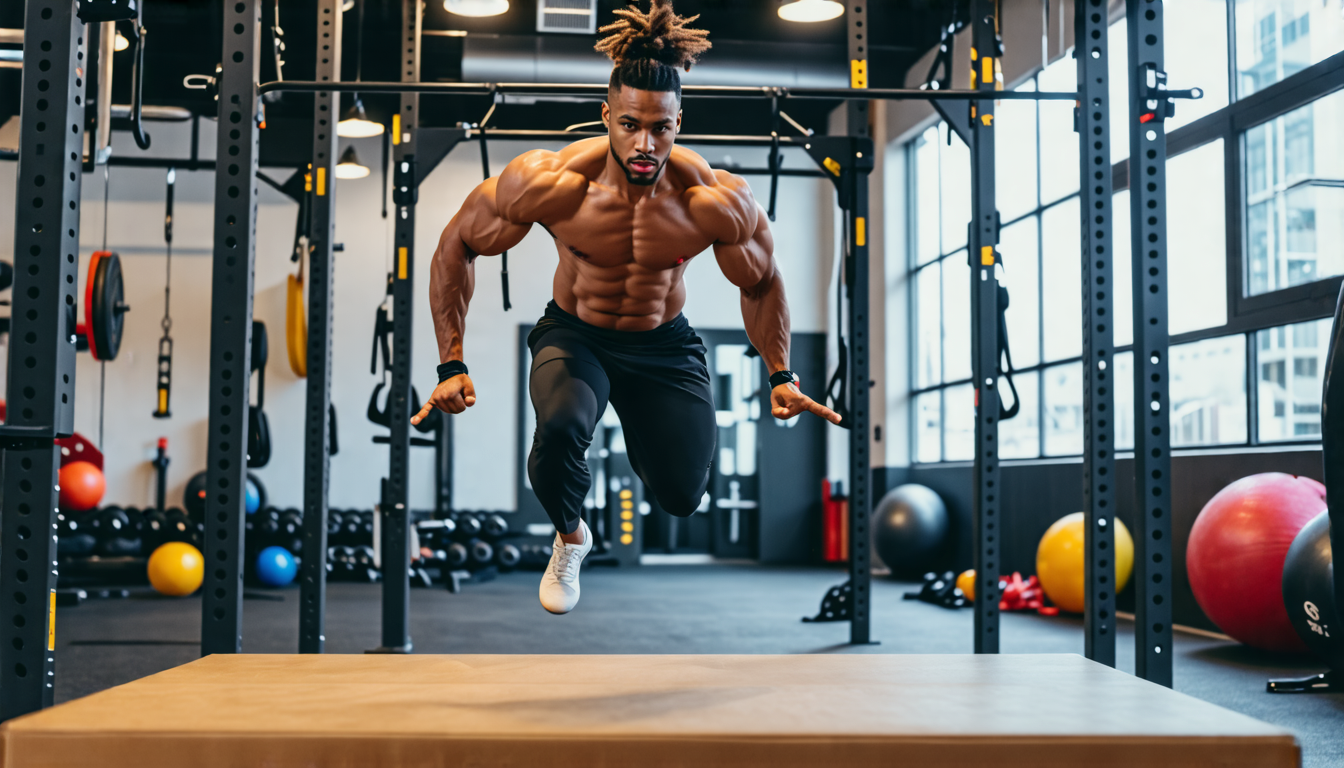
Imagine launching your body upward with explosive force, your feet leaving the ground with a whip-crack intensity, only to transition seamlessly from that powerful jump into a controlled, muscular pull-up at the apex. This is not just exercise; it’s the physical poetry of fused capabilities—raw, elastic power meeting refined, absolute strength.
Traditional bar workouts forge a strong, resilient physique, capable of moving weight and mastering bodyweight levers. Plyometrics, or jump training, develops explosive, spring-like power, teaching your muscles to fire with lightning speed. Kept in separate silos, these disciplines leave a vast reservoir of athletic potential untapped. The true frontier of performance lies in their synthesis. Combining plyometrics with bar workouts is the master key to developing a truly athletic, powerful, and resilient physique, transforming your training from a routine into a remarkable engine for human performance.
Foundational Choices: The Hardware and Environment
This hybrid training demands a stage worthy of its intensity. Your setup is the launchpad for explosive movement, where safety and suitability are non-negotiable foundations.
A. Bar Selection & Setup: Your Command Station
The bar is your anchor point for strength, but it must also coexist with dynamic, high-impact movement.
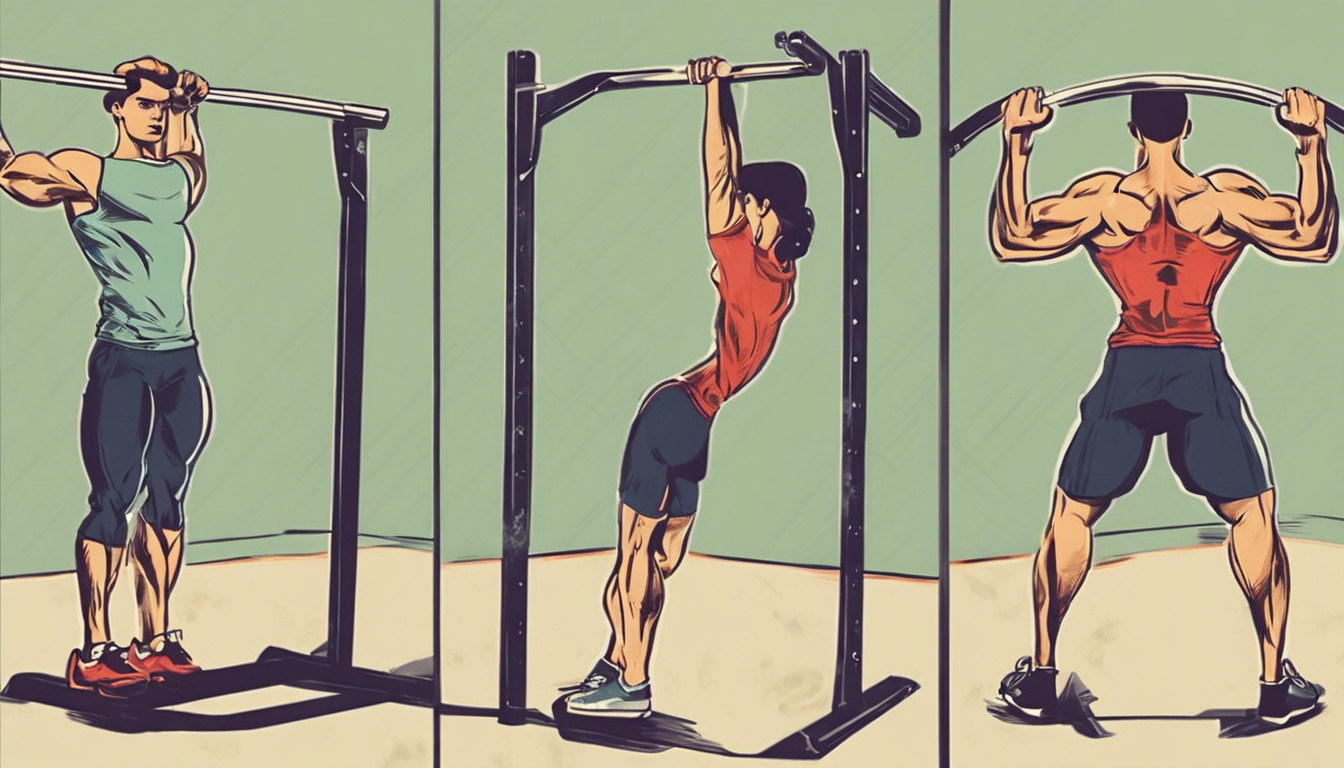
- Stability is Non-Negotiable: A wall-mounted pull-up station or a freestanding power rack is ideal. Doorway pull-up bars are insufficient for the lateral forces and psychological security needed for all-out effort.
- Clearance and Landing Zone: You need a 360-degree “action sphere.” Ensure ample vertical clearance for full-arm extension during kipping or muscle-ups, and a generous landing perimeter of clear, flat space for safe jumping and landing.
B. Essential Supporting Gear
The right accessories are not luxuries; they are critical components of the system.
| Component | Options & Key Characteristics |
|---|---|
| Flooring |
|
| Footwear |
|
The Core System: Principles of Effective Integration
This is not random mixing. It’s the deliberate science of sequencing and energy system management to elicit a specific, powerful adaptation.
A. The Power-First Principle
When combining plyometrics with strength work in a single session, you must always train power first. Explosive movements require a fresh, fully-recruitable central nervous system (CNS). Performing heavy bar work first fatigues the CNS and muscles, degrading jump technique, height, and power output, while increasing injury risk. Preserve quality for what demands it most.
B. The Two Primary Integration Methods
Choose your method based on your training goal for the day.
- Complexes (For Neurological Potentiation): Perform a plyometric movement immediately followed by a related bar exercise, with minimal rest (15-30s). The explosive move “primes” the nervous system for the strength movement.
Example: 5 Box Jumps -> immediately into -> 5 Explosive Pull-Ups. Rest 2 minutes. Repeat. - Blocks (For Focused Adaptation): Dedicated plyometric blocks are followed by dedicated bar strength blocks within the same workout. This allows for focused intensity on each quality.
Example: Warm-up -> 5 sets of Broad Jumps (plyo block) -> rest -> 5 sets of Weighted Chin-Ups (strength block).
C. Master Variables: Volume, Intensity, and Recovery
Control these variables to progress safely and effectively.
| Variable | Guidelines & Application |
|---|---|
| Plyometric Volume | Measure in foot contacts per session. Beginners: 40-60 contacts. Intermediate: 60-100. Advanced: 100-140. Distribute across 2-3 weekly sessions. |
| Intensity | Plyometric intensity is tied to effort and exercise difficulty. Max-effort jumps (like depth jumps) are high-intensity and require full recovery (2-5 min). Lower-intensity plyos (like line hops) can be used in circuits with shorter rest. |
| Recovery Management | Fatigue is the enemy of power and safety. If your jump height decreases by >10% or landing form deteriorates, terminate the set. Quality over quantity, always. |
The Practice: Foundational and Advanced Exercise Pairings
Here is the practical application—the repertoire that brings the theory to life.
A. Lower-Body Power + Upper-Body Pull
Concept: Train the lower body to produce and absorb force, then immediately channel that full-body tension into a powerful upper-body pull.
Example Complex: Depth Drop to Strict Pull-Up. From a 12-24″ box, step off (don’t jump). Absorb the landing with a soft, quiet, athletic stance (knees bent, chest up). The moment you stabilize, explode into a strict, chest-to-bar pull-up. Coaching Focus: The absorption phase is active, not passive. Use it to coil your body for the pull.
B. Full-Body Power + Integrated Bar Skill
Concept: Utilize plyometrics that involve the upper body to directly potentiate advanced bar transitions.
Example Pairing: Clap Push-Up (on parallettes or bars) to Explosive Muscle-Up Transition. Perform a powerful clap push-up to develop explosive pushing strength. Then, move to the bar for high, explosive pull-ups, focusing on pulling the bar to the hips to practice the critical transition phase of the muscle-up. Coaching Focus: Transference of horizontal pushing power to vertical pulling explosiveness.
C. Creating Your Own Effective Pairings
Follow these guidelines to design your own combinations safely:
- Match Movement Patterns: A vertical jump (like a tuck jump) pairs well with a vertical pull (pull-up). A horizontal jump (broad jump) pairs well with a horizontal pull (bodyweight row).
- Respect Complexity: Never pair a high-skill plyometric (depth jump) with a high-skill bar movement (front lever) in a complex. The fatigue will ruin technique.
- Start Simple: Master box jumps + pull-ups before attempting depth drops + muscle-ups.
Threat Management: Injury Prevention and Recovery
High-reward training demands the highest respect for the body’s limits and recovery needs.
The Best Defense: Proactive Prevention
- The Non-Negotiable Warm-up: 10-15 minutes of dynamic movement. Include leg swings, hip circles, cat-cow, scapular pulls, and low-level plyometrics like pogo jumps and skipping to gradually prepare tendons and the CNS.
- Technique Above All: Every landing must be soft, quiet, and aligned. Knees track over toes, chest is up, back is flat. A loud, heavy landing is a failing grade—reduce height or intensity immediately.
Intervention & The Recovery Toolkit
Differentiate the “good hurt” of muscular soreness from the “bad hurt” of joint, tendon, or sharp pain. The latter is an immediate stop signal.
| Recovery Tool | Purpose & Application |
|---|---|
| Strategic Deloads | Every 4-6 weeks, reduce plyometric volume and bar workout intensity by 40-60% for one week. This allows for supercompensation and prevents overuse. |
| Focused Mobility | Daily work on ankles (for landing), hips, and thoracic spine (for overhead positions). Use deep squat holds, couch stretches, and banded pull-aparts. |
| Nutrition for Repair | Prioritize protein intake (1.6-2.2g/kg of bodyweight) and ensure sufficient calories to fuel intense training and repair connective tissue. |
Your Blueprint: A Sample Training Week
This 4-phase weekly model balances power, strength, and recovery to systematically integrate these concepts.
| Day / Phase | Primary Training Focus | Sample Session Structure |
|---|---|---|
| Day 1: Power Emphasis | Combining plyometrics with bar workouts for peak neurological performance. |
|
| Day 2: Strength & Skill | Pure bar strength and technical skill development. |
|
| Day 3: Active Recovery | Systemic restoration and movement quality. | Light cycling or swimming (30 min), full-body mobility flow, foam rolling for quads, lats, and calves. |
| Day 4: Plyometric Capacity | Building jump volume and tissue tolerance. |
|
The Transformation to an Athletic Physique
True athletic dominance is not merely the product of force, but of the rate at which that force is developed. It is the marriage of the strength built on the bar and the explosive power forged through plyometrics. By strategically and respectfully combining these disciplines, you engineer a body that is more than just strong—it is fast, reactive, resilient, and capable of breathtaking physical feats that defy conventional training labels.
This fusion elevates your practice from simple exercise to the cultivation of high performance. It leads to a profound understanding of your own physical potential, unlocking a level of capability and satisfaction that comes only from mastering the art and science of movement itself. The bar and the jump are no longer separate tools; they are the dual engines of your athletic ascent.