Why You Can’t Afford to Skip Your Essential Warm-Up Routines
Many people view warming up as an optional, time-consuming chore. However, science and experience show it’s a non-negotiable part of any successful fitness regimen. Diving straight into your main activity is like starting a car in the middle of winter and immediately flooring it—you’re asking for a breakdown.
The Pain Points of Skipping Your Warm-Up
Neglecting your warm-up sets you up for immediate and long-term setbacks. Here’s what you’re risking:
- Increased risk of muscle strains and joint injuries: Cold, stiff muscles and connective tissues are more prone to tears and sprains.
- Feeling stiff, sluggish, and unprepared for your workout: Your body and mind aren’t ready for the demands you’re about to place on them.
- Reduced performance: weaker lifts, slower runs, and less power: Without priming your systems, you simply won’t be able to perform at your best.
- Longer recovery times and increased muscle soreness (DOMS): A proper warm-up increases blood flow, which helps flush out metabolic waste that contributes to soreness.
The Science-Backed Benefits of a Proper Warm-Up
A strategic warm-up is more than just “getting loose.” It’s a physiological and neurological preparation.
- Increases blood flow and oxygen to your muscles: This delivers the necessary fuel for energy production.
- Elevates your core body temperature for better muscle elasticity: Warm muscles are more pliable and less likely to tear.
- Primes your nervous system for improved coordination and reaction time: It enhances the communication between your brain and muscles.
- Mentally prepares you for the exertion ahead: It helps you focus and establish the mind-muscle connection critical for performance.
Building Your Dynamic Essential Warm-Up Routines
An effective warm-up is dynamic, not static. It should involve movement, not just holding stretches. Here are two routines to fit any schedule.
The 5-Minute Express Warm-Up (For When You’re Short on Time)
Even a short warm-up is infinitely better than none. Perform each exercise for the time listed, moving smoothly from one to the next.
| Exercise | Duration | Primary Focus |
|---|---|---|
| Jumping Jacks | 60 seconds | Full-body, heart rate |
| High Knees | 60 seconds | Legs, hip flexors, cardio |
| Arm Circles (30s forward, 30s backward) | 60 seconds | Shoulders, upper back |
| Leg Swings (forward/side-to-side) | 30 seconds per leg | Hips, hamstrings, groin |
| Torso Twists | 60 seconds | Spine, core, obliques |
The Comprehensive 10-Minute Essential Warm-Up Routine
This is the gold standard for most workouts, thoroughly preparing your entire body.
| Phase | Duration | Exercises & Details |
|---|---|---|
| Cardio Boost | 3 minutes | Light jogging in place, butt kicks, or skipping rope. Goal is to break a light sweat. |
| Dynamic Mobility | 7 minutes | Cat-Cow Stretch: 10 reps. Mobilizes the spine. |
| Walking Lunges with a Twist: 10 reps per leg. Engages legs, hips, and core. | ||
| Inchworms: 6-8 reps. Stretches hamstrings and shoulders while engaging the core. | ||
| Hip Circles: 10 circles in each direction. Opens up the hip joints. | ||
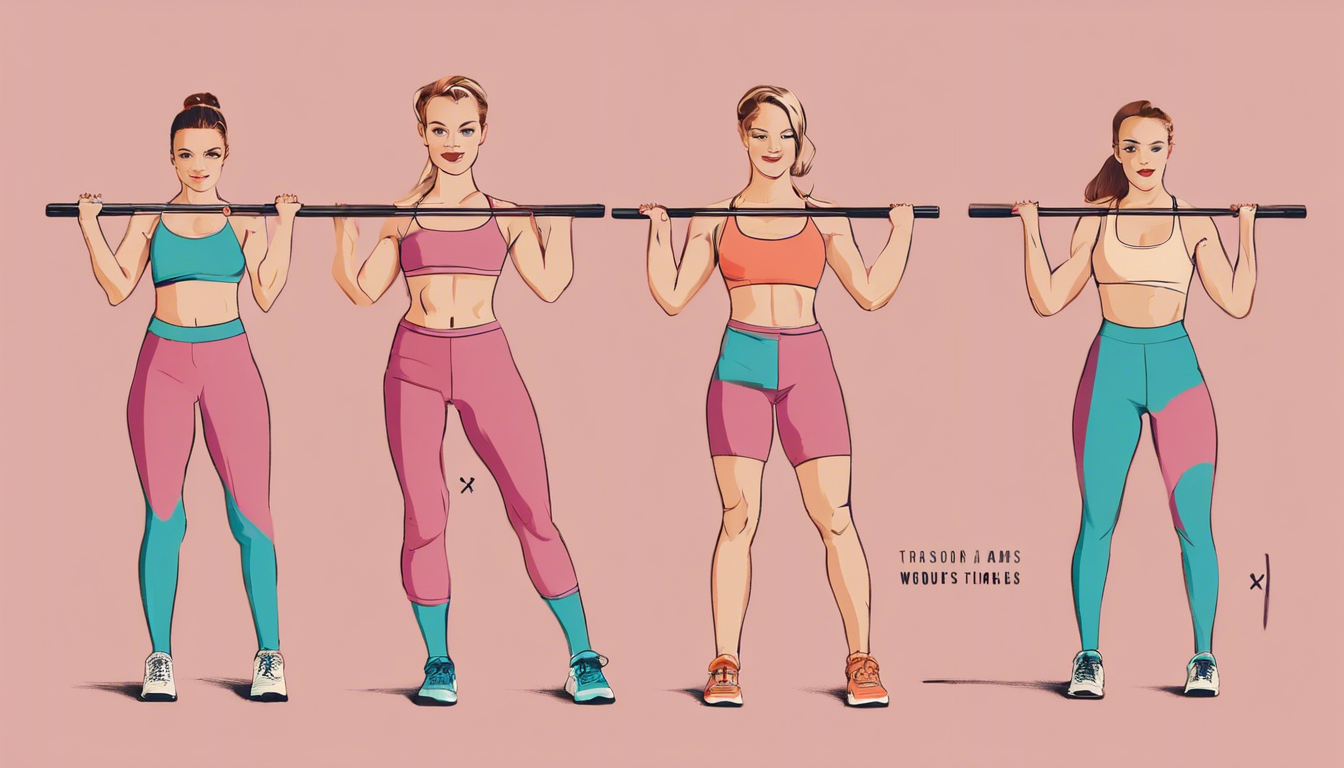
| Shoulder Pass-Throughs: 10-12 reps using a resistance band or a broomstick. Improves shoulder mobility. |
Tailoring Your Warm-Up: Sport-Specific Essentials
A one-size-fits-all warm-up is good, but a tailored warm-up is great. The principle of specificity means you should prepare the muscles and movements you’re about to use.
Essential Warm-Up Routines for Runners
- Focus: Ankles, calves, hips, hamstrings, glutes.
- Key Moves: Leg swings (forward and side-to-side), walking lunges, A-skips, calf raises.
Essential Warm-Up Routines for Strength Training
- Focus: Shoulders, spine, core, and the specific joints used in your main lifts.
- Key Moves: Banded pull-aparts, bird-dogs, bodyweight squats, and 1-2 light sets with the empty barbell (a practice known as “warming up with the bar”).
Essential Warm-Up Routines for Team Sports (Soccer, Basketball)
- Focus: Agility, change of direction, explosive power, and reactive movements.
- Key Moves: Lateral shuffles, carioca (grapevine), high skips, and short, sharp sprints.
Warm-Up Wisdom: What You Might Not Know
Static vs. Dynamic Stretching: The Critical Difference
This is one of the most common points of confusion, and getting it right is crucial.
| Type | Definition | When to Use |
|---|---|---|
| Dynamic Stretching | Moving parts of your body through a full range of motion in a controlled manner. | Before a workout. It’s the cornerstone of movement preparation. |
| Static Stretching | Holding a stretch in a challenging but comfortable position for a period of time (15-60 seconds). | After your workout to improve flexibility and aid in cool-down. |
Unique Insight: A light “pulse” can be added to dynamic stretches to further activate the nervous system. For example, at the end range of a walking lunge, add two small, rhythmic pulses before stepping forward. This technique, used by many elite athletes, can “wake up” the muscle spindles and prime the muscles for explosive action more effectively than a slow, controlled movement alone.
The RAMP Protocol: A Smarter Framework
Forget just “jogging and stretching.” The RAMP protocol is a scientifically-proven framework used by coaches worldwide to structure the perfect warm-up.
- Raise: Elevate your heart rate, body temperature, and blood flow. (e.g., light cardio).
- Activate: Engage the key muscle groups you’ll be using. (e.g., glute bridges for leg day).
- Mobilize: Move the specific joints through the ranges of motion required for your activity. (e.g., shoulder circles for swimming).
- Potentiate: Gradually increase the intensity to near-performance levels. This is the final step that bridges the gap between warm-up and workout. (e.g., a few practice jumps before a volleyball game or a heavy lift).
Frequently Asked Questions About Essential Warm-Up Routines
How long should a warm-up really be?
Answer: Ideally, 10 to 15 minutes. However, a solid 5-minute dynamic warm-up is effective if you’re short on time. The duration should scale with the intensity and duration of your main workout—a heavier or longer session demands a more thorough warm-up.
Is it okay to just stretch instead of doing a dynamic warm-up?
Answer: No. Static stretching cold muscles has been shown to be counterproductive and may temporarily reduce power and strength output. Save the deep, held stretches for your cool-down. Dynamic movement is the key to an effective pre-workout routine.
Can I use a foam roller as my warm-up?
Answer: Foam rolling (self-myofascial release) is excellent for addressing muscle tightness and “knots,” but it should be a supplement to, not a replacement for, a dynamic warm-up. Foam rolling doesn’t significantly raise your heart rate or core body temperature, which are critical components of an effective warm-up. A great sequence is: foam roll tight areas, then perform your dynamic warm-up.
Do I need a different warm-up for every activity?
Answer: Yes, the principle of “specificity” applies. While a general full-body dynamic warm-up is a good starting point, your preparation should mimic the movements and engage the primary muscles of your upcoming activity for optimal performance and injury prevention. A runner’s warm-up will look different from a weightlifter’s.