The Vision of Ageless Vitality
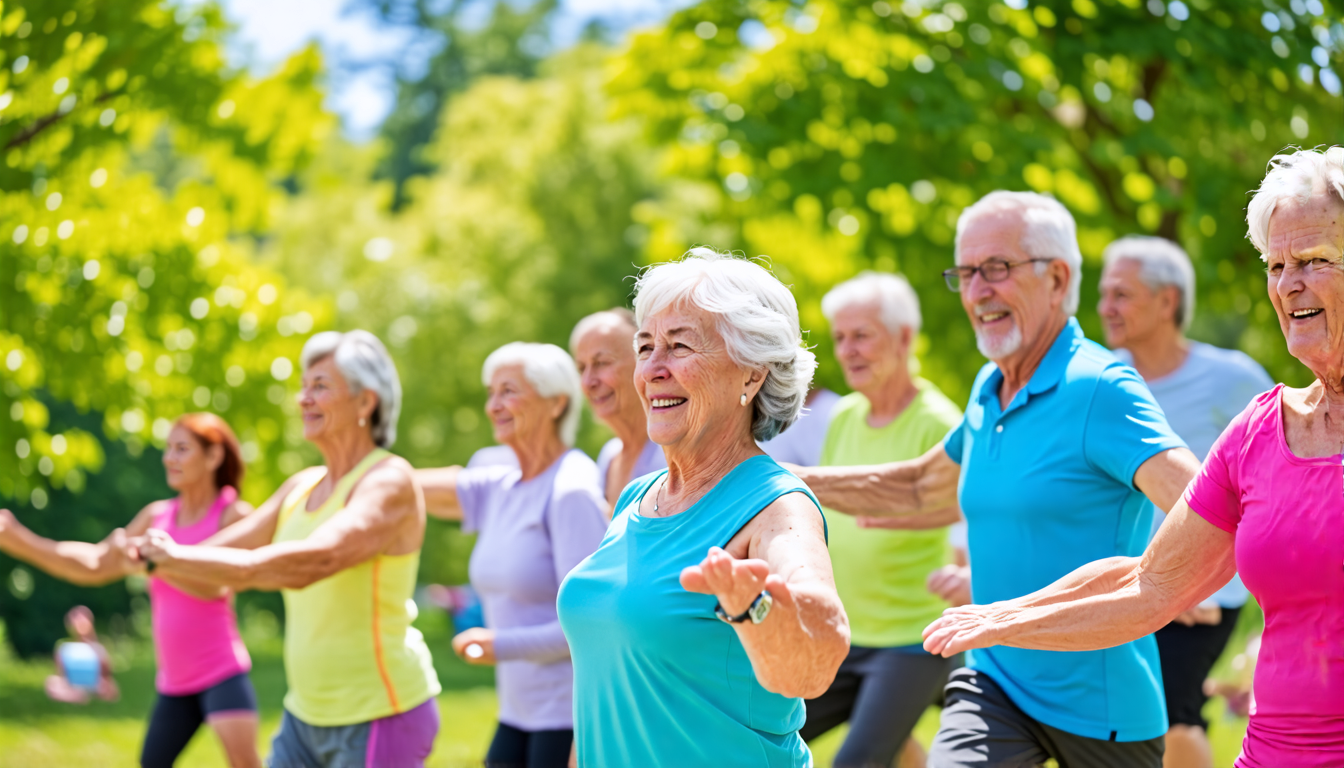
Imagine moving through your day with effortless grace—rising from your favorite armchair without a thought, climbing a flight of stairs with steady confidence, and bending down to tend your garden or pick up a grandchild without a whisper of pain or fear. This is not a fantasy of youth; it is the attainable reality of empowered aging. This vitality is the direct result of purposeful, intelligent movement. A consistent, well-designed routine of exercises for senior fitness is the foundational system for building a stronger, more resilient body. It is the master key that unlocks sustained independence and turns the vision of ageless vitality into your daily experience.
Foundational Choices: The “Hardware” of Your Routine
Before you perform a single repetition, your success and safety are determined by your preparatory choices. This is the non-negotiable groundwork upon which all progress is built.
Part A: Safety and Assessment
Your first and most critical exercise is consultation. Seeking clearance and guidance from your physician or a physical therapist is imperative. They can identify potential limitations and provide personalized modifications. Equally important is cultivating a deep awareness of your body’s signals. Learn to differentiate the productive discomfort of muscle engagement from sharp, joint, or radiating pain—the former builds strength, the latter warns of potential injury.
Part B: Essential Gear and Environment
You do not need a gym, but you do need the right tools. Invest in supportive, non-slip footwear. Secure a sturdy, armless chair. Acquire light dumbbells (1-5 lbs) or a set of resistance bands with varying tensions. Your environment must be a sanctuary for movement: a clutter-free space with a non-slip surface, good lighting, and perhaps a mirror for self-checking form.
| Component Category | Options | Key Characteristics |
|---|---|---|
| Resistance Tools | Resistance Bands, Light Dumbbells, Bodyweight |
|
| Support & Safety | Sturdy Chair, Wall, Countertop |
|
The Core System: The Four Pillars of Senior Fitness
A resilient, capable body is not built on a single type of movement. It requires a balanced, managed approach. Think of your fitness as a structure supported by four critical pillars. Mastery comes from maintaining each one.
Pillar 1: Strength & Muscle Preservation
Why it’s Critical: This pillar directly counters sarcopenia—the age-related loss of muscle mass and strength. Preserving muscle supports a healthy metabolism, maintains bone density, and makes every daily task, from carrying groceries to getting up from the floor, significantly easier.
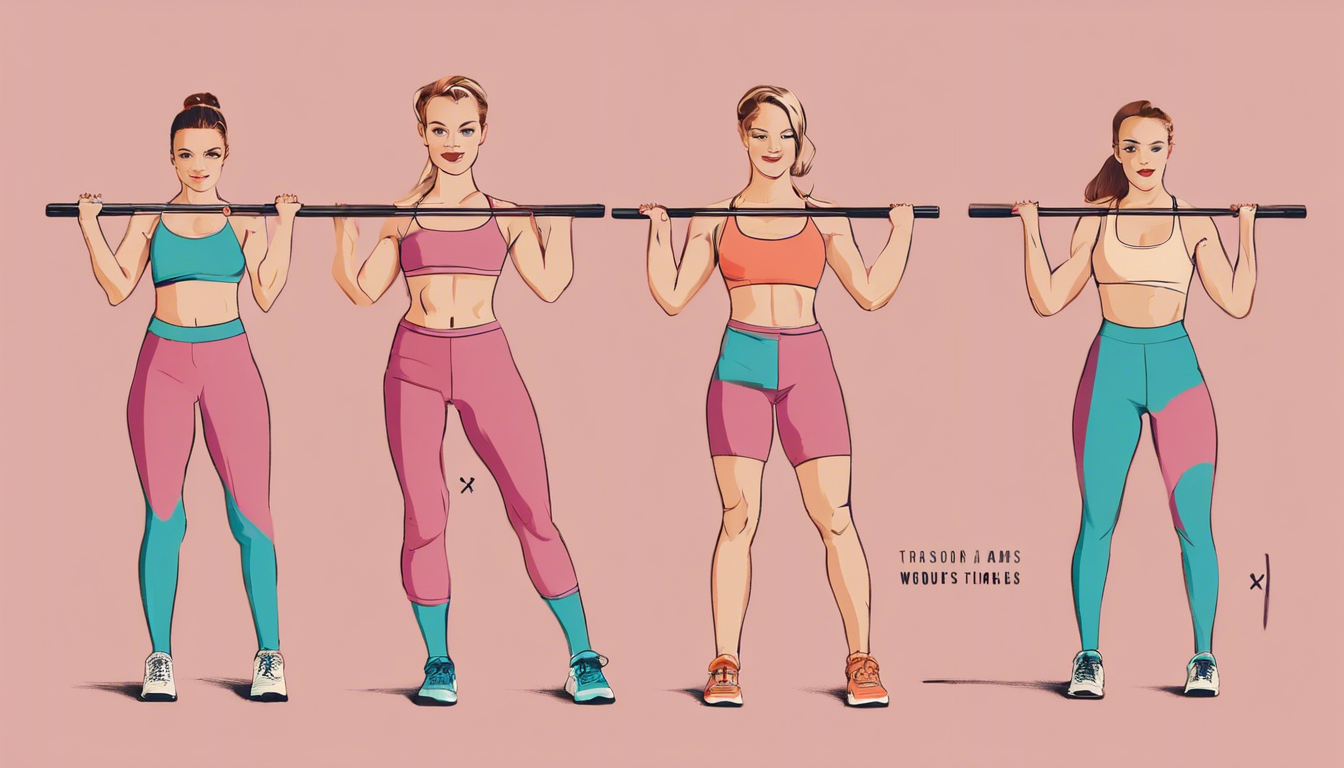
Actionable Methods: Focus on major muscle groups with controlled movements. Perform seated leg extensions, chair squats (sitting to standing), bicep curls, and overhead presses. Prioritize impeccable form and full range of motion over the amount of weight used. Aim for 1-2 sets of 10-15 repetitions, 2-3 times per week.
Pillar 2: Balance & Fall Prevention
Why it’s Critical: Balance is a skill, not a given, and it deteriorates without practice. This pillar is your primary defense against falls, a leading cause of injury and loss of independence.
Actionable Methods: Practice daily. Perform heel-to-toe walks along a hallway (use a wall for support). Hold onto a counter and practice single-leg stands, aiming for 10-30 seconds per leg. Integrate movements from Tai Chi or yoga, which emphasize slow, weighted shifts and rooted stances.
Pillar 3: Flexibility & Mobility
Why it’s Critical: This pillar maintains the lubricated, pliable function of your joints and muscles. It combats stiffness, improves posture, and ensures you can reach, twist, and bend with ease and without injury.
Actionable Methods: Begin each session with gentle dynamic stretches: arm circles, knee lifts, and torso rotations. Conclude with static stretches, holding gentle positions for 20-30 seconds each, like a seated hamstring stretch or a chest opener in a doorway. Never stretch to the point of pain.
Pillar 4: Cardiovascular Endurance
Why it’s Critical: This pillar strengthens your heart and lungs, improves circulation, boosts cognitive function, and elevates mood. It is the engine for sustained energy throughout your day.
Actionable Methods: Find an activity you enjoy and can sustain. Brisk walking, seated marching to music, stationary cycling, or water aerobics are excellent choices. Aim for a moderate intensity where you can talk but not sing. Build towards 150 minutes of cumulative activity per week, in bouts as short as 10 minutes.
Advanced Practices: Optimization and Integration
Once the pillars are in place, you elevate your practice from a routine to a ritual. This is where exercises for senior fitness transform into intelligent, life-enhancing movement.
Practice A: Functional Movement Patterns
Design your strength and balance work to mirror the demands of daily life. The “sit-to-stand” is not just a squat—it’s how you get out of a car. A bent-over row mimics lifting a laundry basket. An overhead press replicates placing a dish on a high shelf. By training these patterns, you build strength that directly translates to greater independence.
Practice B: Consistency & Intelligent Progression
Mastery favors consistency over occasional intensity. Adhere to your schedule. Progression is not about lifting massively heavier weights; it is the art of the subtle challenge. Add two more repetitions to a set. Use a slightly thicker resistance band. Hold a balance pose for five seconds longer. This methodical advancement builds resilience without risk.
Practice C: The Mind-Body Connection
Integrate your breath and focus. Exhale during the exertion phase of a lift (e.g., standing up). During balance exercises, fix your gaze on a steady point. This mindful practice enhances neuromuscular control, deepens stability, and turns exercise from a chore into a meditative, centering practice.
Threat Management: Injury Prevention and Solution
A masterful approach is proactive, not reactive. Your goal is to create a body so resilient that threats are minimized, and to have a clear plan if they arise.
Proactive Prevention
Consider your warm-up and cool-down as non-negotiable rituals—they prepare your body for work and guide it toward recovery. Hydration and nutrition are not supplements to your fitness; they are the foundational support system. Consume adequate protein to repair muscle and maintain a diet rich in anti-inflammatory foods.
Smart Intervention
Identification Guide: Normal muscle fatigue is a general, dull ache that subsides with rest. Joint pain, sharp or pinching sensations, or pain that radiates is a signal to stop immediately.
Response Plan: For minor strains or sprains, implement the R.I.C.E. protocol (Rest, Ice, Compression, Elevation) immediately. If pain is severe, does not improve within a few days, or results from a fall, consult your physician or physical therapist without delay.
Your Weekly Blueprint for Vitality
This sample schedule integrates all Four Pillars. Adapt it to your energy levels and preferences, but strive for the balance it represents.
| Day | Primary Focus | Example Activities | Key Tip |
|---|---|---|---|
| Monday | Strength & Balance | Chair squats (3×10), Seated rows with band (3×12), Heel-to-toe walks (2 mins) | Move slowly. Feel the muscle working. |
| Tuesday | Cardiovascular Endurance | Brisk 20-minute walk or 20 minutes of seated marching/stationary cycling | Use the “talk test” to gauge intensity. |
| Wednesday | Active Recovery & Mobility | Gentle full-body stretching, 10-minute walk, Foam rolling or self-massage | Focus on breathing into tight areas. |
| Thursday | Strength & Function | Step-ups (with support), Wall push-ups, Overhead press (light weight), Standing on one leg while brushing teeth | Integrate balance into daily tasks. |
| Friday | Cardiovascular & Social | Water aerobics class or a longer, leisurely walk with a friend | Community enhances consistency and joy. |
| Saturday | Flexibility & Mind-Body | Gentle Yoga or Tai Chi session (in-person or follow-along video) | Prioritize flow and breath over depth of stretch. |
| Sunday | Rest & Reflect | Light stroll, gardening, or complete rest. Plan and prepare for the week ahead. | Recovery is when your body adapts and grows stronger. |
The Transformation to Sustained Independence
Mastery of your physical vitality is not found in sporadic bursts of effort, but in the intelligent, consistent application of these principles. You have journeyed from the foundational imperative of safety to the integrated practice of functional, mindful movement. This commitment to exercises for senior fitness is the cultivation of your personal well-being. It builds more than muscle—it builds an unshakable confidence in your body’s capabilities. The result is a life profoundly enriched: a future where every movement is a testament to your strength, where independence is your daily reality, and where the unparalleled joy of an active, capable body becomes your most cherished reward.