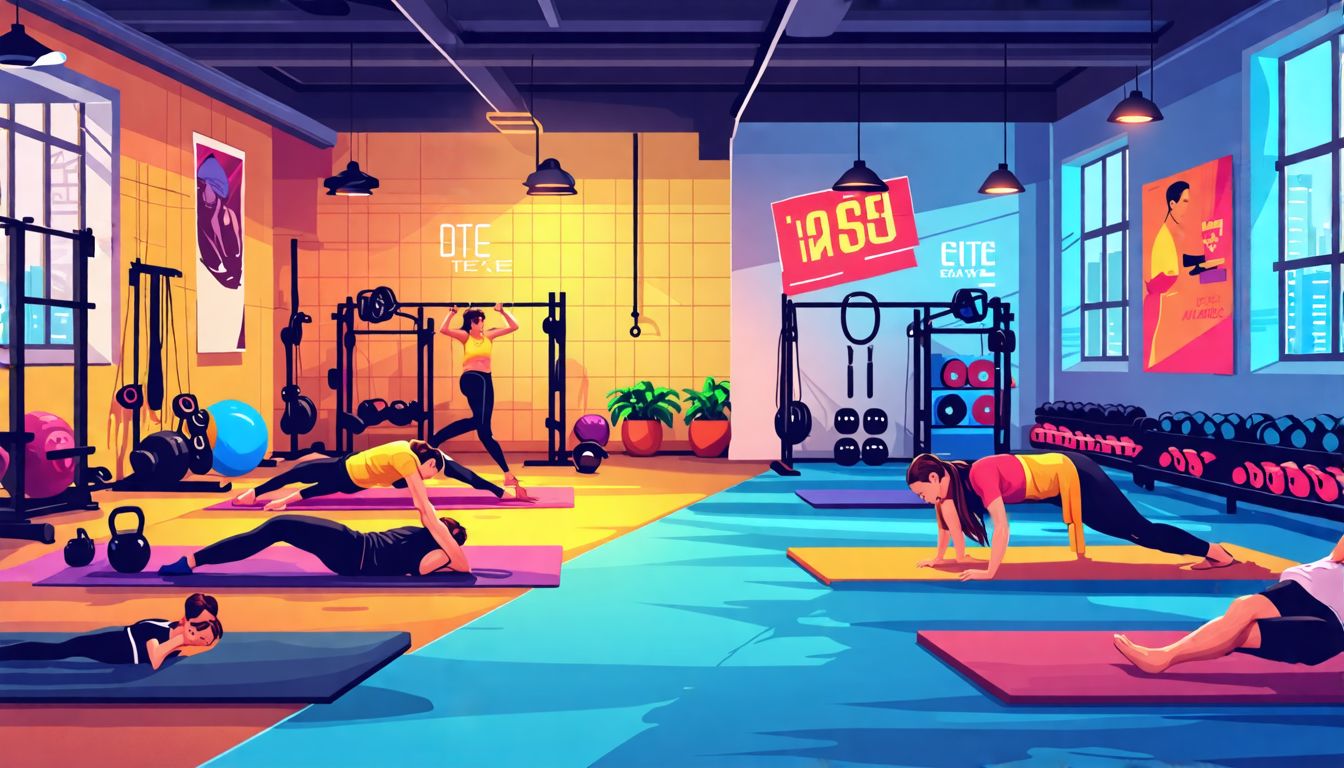
The Vision of Mastery
Imagine a physique built on pure, functional strength—effortlessly moving your own weight with grace, then adding iron to forge raw power. This is not the domain of the specialist alone, but the hallmark of the complete athlete. This ideal isn’t a choice between two methods, but the intelligent integration of both. Mastering the art of exploring bodyweight and weighted workouts is the key to unlocking balanced, resilient, and unparalleled athleticism. It is the foundation upon which true physical mastery is built.
Foundational Choices: Your Training “Hardware”
Your progress is either accelerated or hindered by your initial choices. The environment you create and the tools you select form the non-negotiable bedrock of your practice, dictating the scope of your potential.
Part A: Defining Your Arena: Home Gym vs. Commercial Space
The first critical decision is your training ground. A home gym offers unparalleled convenience, privacy, and time efficiency, ideal for consistent practice. Its limitation is space and capital for equipment. A commercial gym provides vast resources, heavy-duty machines, and a motivational atmosphere, but requires travel time and membership fees. The hybrid athlete often benefits most from a blend: a minimalist home setup for daily practice and gym access for heavy, specialized loading.
Part B: Essential Equipment for a Hybrid Approach
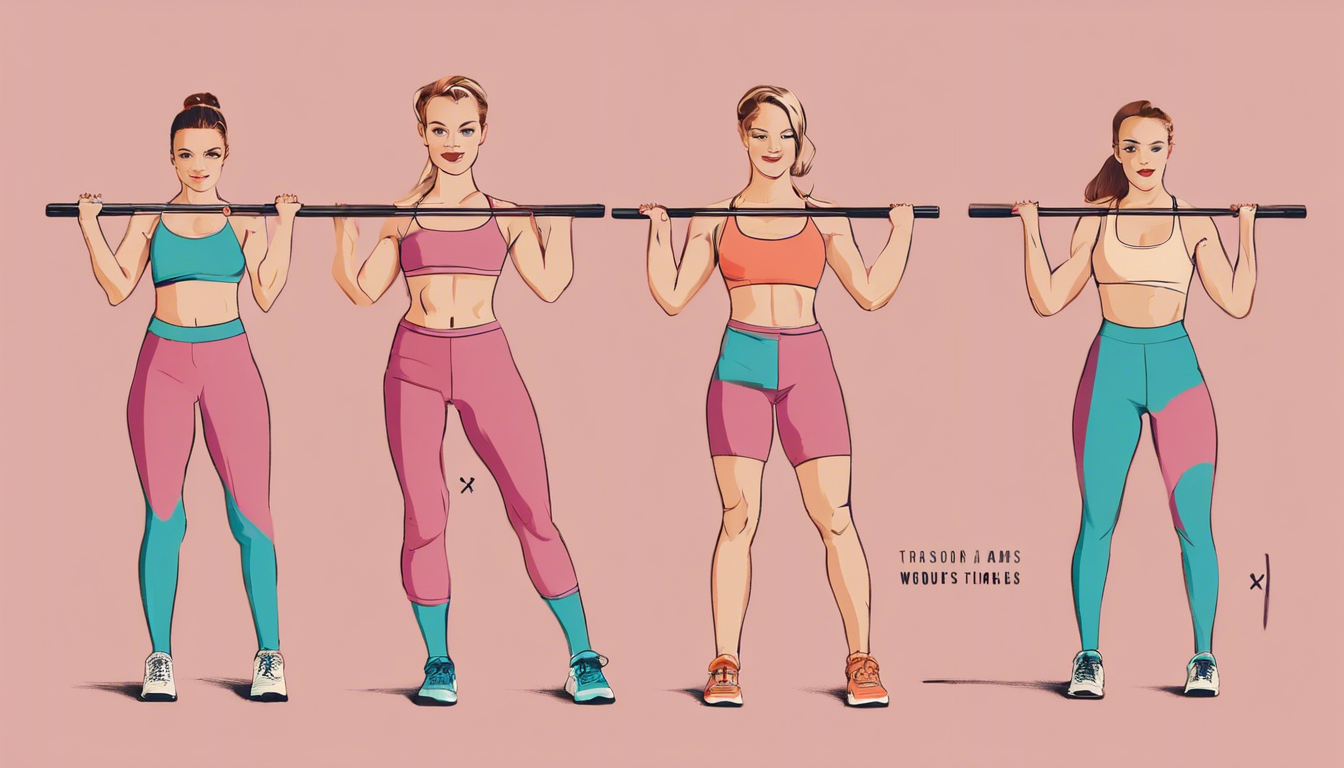
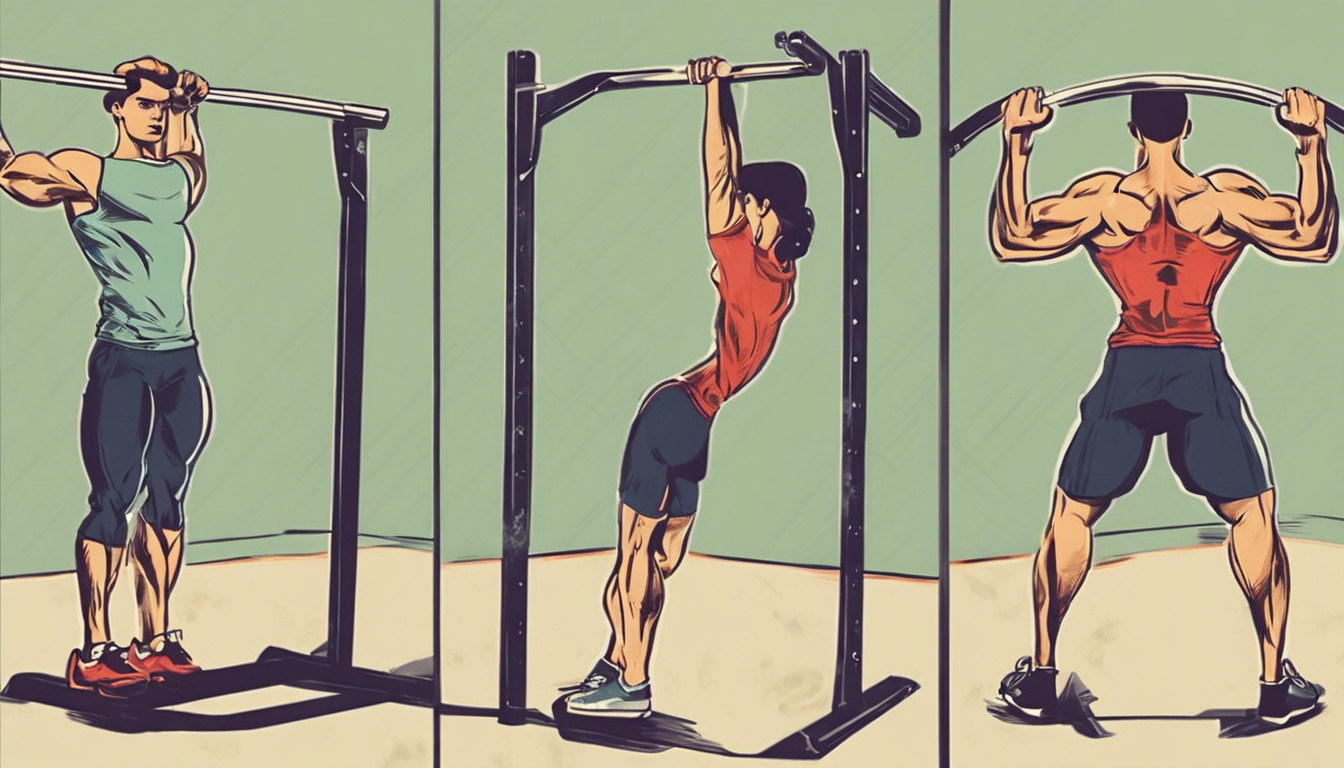
Your toolkit should empower both modalities. For bodyweight fundamentals, prioritize a sturdy pull-up bar, adjustable gymnastics rings (the ultimate lever-based tool), and parallettes for vertical pressing and core work. For weighted fundamentals, seek tools that offer density: adjustable dumbbells or kettlebells for unilateral work, a barbell with weight plates for maximal loading, and a power rack for safe, heavy squatting and pressing.
Part C: Material & Equipment Comparison
| Component Category | Options | Key Characteristics |
|---|---|---|
| Primary Resistance Tool | Gymnastics Rings, Barbell, Kettlebell | Rings: Unstable, develop phenomenal joint integrity and strength through angles; the ultimate bodyweight tool. Barbell: Allows precise, heavy loading for maximal force production; the king of measurable overload. Kettlebell: Combines ballistic and grind movements; excellent for power, conditioning, and offset loading. |
| Progressive Overload Mechanism | Leverage/Form, Added Weight, Time Under Tension | Leverage: Changing body angle (e.g., incline to decline push-up) or limb placement (archer movements) to increase difficulty. Added Weight: The most direct method; adding mass to a bar, vest, or dip belt. Time Under Tension: Using tempos (e.g., 4-second descent) or isometric holds to increase intensity without extra weight. |
| Safety & Support | Power Rack, Crash Pads, Resistance Bands | Power Rack: Non-negotiable for heavy weighted work; provides adjustable safety bars for failed lifts. Crash Pads: Allow safe dropping of weights in a home environment. Resistance Bands: Assist bodyweight movements (pull-ups) or add variable tension to weighted exercises; crucial for joint health and accommodation. |
The Core System: Principles of Adaptation & Programming
Strength is not built by mere activity, but through the precise application of stress and the strategic management of recovery. This is the science you must command.
The Leverage of Mechanics (Bodyweight)
Ideal Target: Mastery of progression chains, moving from foundational movements (standard push-up) to advanced leverage feats (one-arm push-up) by systematically manipulating variables.
Consequences of Error: Hitting permanent plateaus due to lack of granular progression, or incurring joint strain from forcing progress with poor connective tissue preparation.
Control Methods: Regulate difficulty through three levers: Angle (elevating hands or feet), Range of Motion (depth of squat, pull-up chest-to-bar), and Leverage (shifting weight distribution as in archer or one-leg variations). Your training log should track these variables as meticulously as weight.
The Clarity of Load (Weighted)
Ideal Target: Systematic, quantifiable overload, ensuring each training cycle presents a novel, measurable challenge to the musculoskeletal system.
Consequences of Error: Overtraining from chronic high intensity, muscular imbalance from poor exercise selection, and acute injury from technical failure under heavy load.
Control Methods: Track Volume (sets x reps x weight) as your primary metric. Utilize percentage-based training, working at a prescribed percentage of your one-rep max (e.g., 5 sets of 5 at 80%) to manage intensity objectively. This removes guesswork and governs fatigue.
Advanced Practices: The Hybrid Training Methodology
With principles established, the art begins: weaving these modalities into a coherent, periodized strategy that produces synergistic gains greater than the sum of their parts.
Exercise Selection & Integration
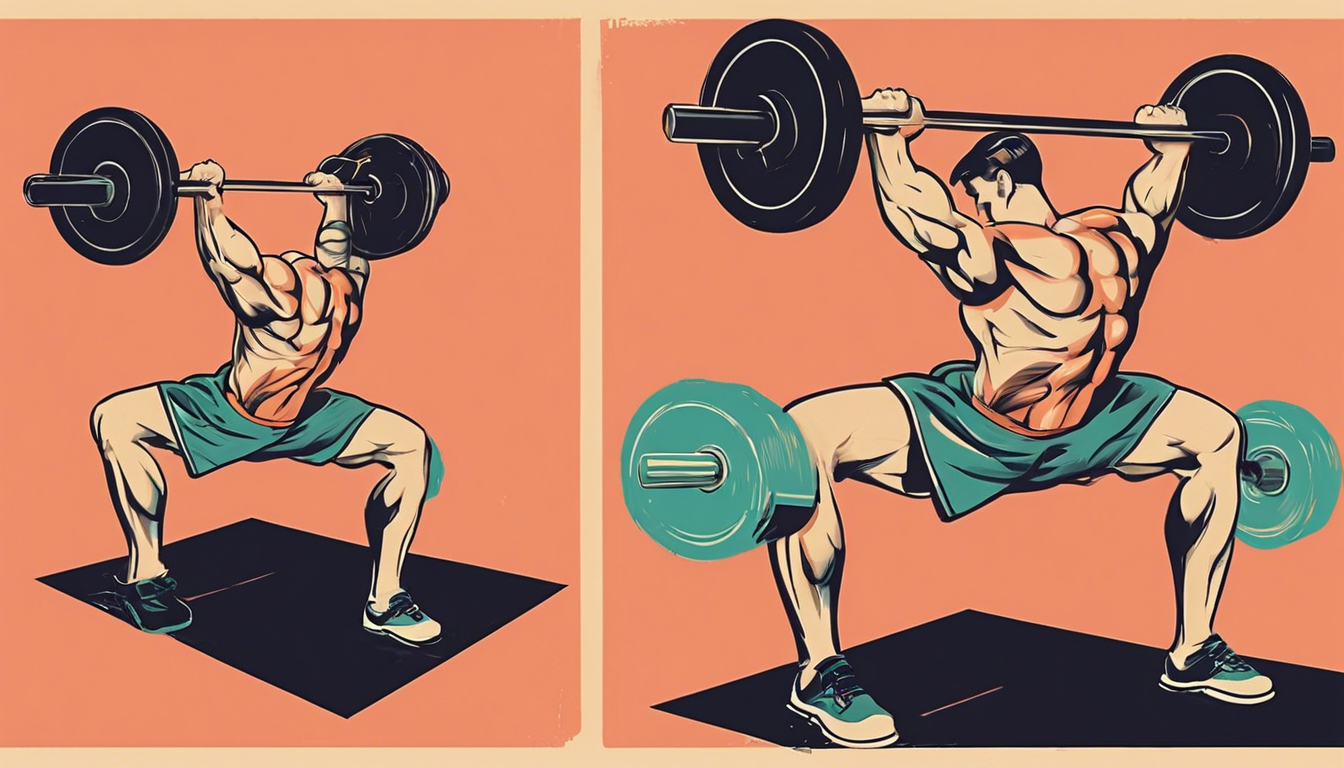
Do not train movements in isolation; train movement patterns with complementary tools. Pair weighted squats (for maximal axial loading) with pistol squat progressions (for unilateral stability and mobility). Follow heavy barbell rows with bodyweight front lever progressions for scapular and lat development. The weighted work builds brute strength, the bodyweight work refines control and integrity within that new strength.
Periodization for the Hybrid Athlete
Structure your year in distinct blocks. A Strength Phase might prioritize heavy barbell lifts 3x/week, maintaining bodyweight skills with low-volume, high-intensity technique work. A subsequent Skill Acquisition Phase could reduce barbell volume and focus on high-frequency bodyweight skill practice, using weighted assistance exercises (like weighted dips for planche strength) to drive the adaptation. This wave-like approach prevents adaptation plateaus.
Unlocking New Skills
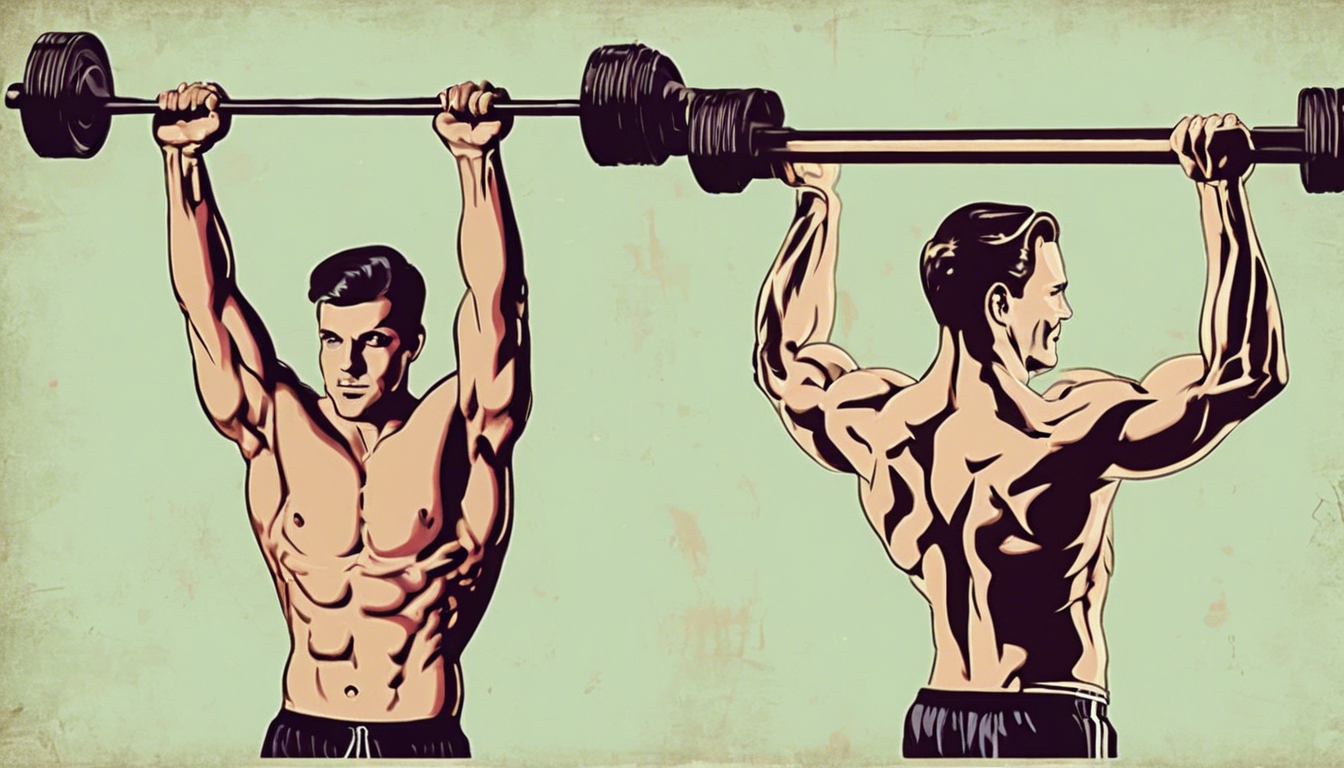
Use weighted strength as a direct feeder to bodyweight mastery. Weighted pull-ups build the explosive and absolute strength required for a seamless muscle-up. Overhead barbell presses develop the strict strength that translates to a solid handstand push-up. View heavy iron as the raw material your body learns to wield with precision through bodyweight practice.
Threat Management: Injury Prevention & Plateaus
Long-term progress is a war against stagnation and breakdown. Adopt a proactive, not reactive, stance.
Prevention Through Balance
For every pushing motion, prioritize its pull. Follow heavy pressing with face pulls and band pull-aparts. Dedicate 15 minutes daily to mobility work, focusing on the shoulders, hips, and thoracic spine—the joints most stressed by intensive training. Schedule a deload week every 4-8 weeks, reducing volume and intensity by 40-60% to allow supercompensation. This is not lost time; it is the mechanism of gain.
Intervention for Stalled Progress
When progress halts, diagnose before you change. Is it a technique issue? Film your sets. A recovery deficit? Audit sleep and nutrition. A programming flaw? Has intensity been too high for too long?
Your tiered response: First, implement a planned deload. If stagnation persists, change the exercise variation (switch from barbell bench to weighted dips) to provide a novel stimulus. Finally, introduce intensity techniques like drop sets or isometric holds at the sticking point, but use these sparingly as strategic tools, not default training.
Your Hybrid Training Roadmap
| Training Phase | Primary Focus | Sample Session Structure | Key Objective |
|---|---|---|---|
| Foundation (Weeks 1-4) | Mastering Basics & Building Work Capacity | A1: Goblet Squat 3×10 A2: Push-Up 3xAMAP B1: Bent-Over Row 3×10 B2: Plank 3x60s C: Light Conditioning |
Ingrain movement patterns, establish connective tissue resilience, and build a base of conditioning. |
| Intensity (Weeks 5-8) | Heavy Weighted Strength | A: Barbell Back Squat 5×5 @80% B: Weighted Pull-Ups 4×6 C: Bodyweight Skill Practice (e.g., L-Sit) 5x15s |
Maximize neural adaptation and absolute strength through systematic overload with barbell/dumbbell. |
| Skill (Weeks 9-12) | Bodyweight Mastery & Control | A: Front Lever Progression 5xMax Hold B: Handstand Push-Up Progression 5×5 C: Weighted Assistance (e.g., Deadlift) 3×5 |
Transfer newly built strength into advanced bodyweight skills, focusing on leverage and body awareness. |
| Integration (Weeks 13-16) | Peak Hybrid Performance | A: Heavy Deadlift 3×3 B: Muscle-Up Practice 5×3 C: Kettlebell Complex for Conditioning |
Synthesize strength and skill into demonstrable athletic performance, testing new capabilities. |
The Complete Athlete Transformation
The journey from selecting your first pull-up bar to designing intelligent, auto-regulating programs is the path of the modern physical craftsman. It is governed by the core principle of synergy—where weighted training provides the raw material of strength, and bodyweight training sculpts it into usable, resilient capability. This is not mere exercise; it is the cultivation of a profound physical intelligence. The result is more than a physique; it is the unwavering confidence that comes from knowing your body is an adaptable, powerful tool, capable of handling whatever load—internal or external—you place upon it. This is the unparalleled joy and lifelong vitality found in truly exploring bodyweight and weighted workouts.