The First Step to a Stronger You
Imagine walking into your dedicated workout space, feeling a surge of confidence and readiness. There’s no intimidation from a wall of complex, heavy equipment—just the clear, focused intention to build a stronger you. That empowering feeling starts with a single, pivotal choice: your first barbell. This isn’t just a piece of metal; it’s your primary training partner. Selecting the wrong one can lead to frustration, poor technique, or even injury. Identifying beginner-friendly bars is the foundational key to building impeccable form, ensuring absolute safety, and fostering a lifelong, rewarding love for strength training.
Foundational Choices: The Anatomy of a Beginner Bar
Your first barbell should function as a patient teacher, not a brutal test. Its physical specifications must actively support your learning curve, promoting proper mechanics from day one. Let’s dissect the critical features.
The Critical Specs: Weight, Whip, and Diameter
These three dimensions define the bar’s fundamental behavior in your hands.
Bar Weight: The ubiquitous 20kg (45lb) “Olympic” bar is often an excessive starting load for mastering form. Seek out lighter training bars. A 15kg (33lb) bar is an excellent standard for many women and smaller-framed individuals, while a 15-20kg option works well for men beginning their journey. Fixed-weight beginner barbells (often 10-30 lbs total) are perfect for drilling movement patterns with minimal external load.
Shaft Diameter: This dictates your grip security. A standard 28-29mm power bar can be challenging for smaller hands. Beginner-focused bars, especially “Women’s” or training bars, often feature a thinner 25mm diameter, allowing for a full, secure grip where the thumb can comfortably meet the fingertips—a non-negotiable for safety and control.
Whip and Flex: A highly elastic, “whippy” bar is designed for the dynamic movements of Olympic weightlifting. For a beginner learning the squat, press, and deadlift, a stiffer bar is superior. It provides consistent, predictable feedback, allowing you to focus on your body’s movement, not the bar’s oscillation.
Knurling and Markings: Your Tactile Guide
The bar’s texture and markings are your silent coaches for consistent hand placement.
Knurling Aggressiveness: Avoid bars with extreme, “cheese grater” knurling. You need secure traction, not torn skin. A moderate, well-defined knurl provides ample grip for all beginner lifts without being punitive.
Center Knurling: Most beginners are better served by a bar with a passive center section or no center knurl at all. This prevents discomfort and abrasion during back squats and cleans, removing a common barrier to consistent practice.
Ring Markings: Clear, machined rings on the shaft are visual lifelines. They provide immediate, unambiguous cues for standard hand placements on the bench press, squat, and deadlift, building muscle memory from your very first session.
Sleeve Spin and Collars: Keeping it Simple
High-performance features are unnecessary for foundational work.
Bushings vs. Bearings: Precision needle bearings are for high-speed, heavy Olympic lifts. For beginner loads and controlled tempos, simple, durable bronze bushings are perfectly adequate, more affordable, and require less maintenance.
Collars: Don’t overcomplicate it. Basic spring collars are lightweight, easy to use, and secure enough for the weights you’ll be handling. Save the competition-style lock-jaw collars for later.
Bar Types Decoded: Matching the Bar to Your Goals
Not all bars serve the same purpose. Identifying beginner-friendly bars means strategically matching the bar type to your primary training ambitions. Use this guide to align your choice with your goals.
| Bar Type | Primary Use | Key Beginner-Friendly Features | Ideal For… |
|---|---|---|---|
| General Training Bar | Squats, Presses, Deadlifts, Rows | Moderate knurl, stiff shaft, 28-29mm diameter, reliable bushing sleeves. The balanced workhorse. | The explorer. Someone committed to building full-body strength without a specific sport focus. |
| Women’s/Men’s Training Bar | Olympic Lifts, General Training | Lighter weight (15kg/20kg), thinner shaft (25mm/28mm), passive or no center knurl. Designed for technique acquisition. | Beginners with smaller hands or a defined interest in eventually learning the Snatch and Clean & Jerk. |
| Fixed Weight Beginner Barbell | Learning Movement Patterns | Very light weight (10-30 lbs total), often rubber-coated for floor friendliness, permanently attached plates. | The absolute newcomer. Perfect for mastering the motor pattern of a hip hinge or squat before adding load. |
| Hex/Trap Bar | Deadlifts, Shrugs, Carries | Neutral grip, places load through your center of mass, significantly reduces spinal shear force. | Beginners prioritizing lower body and back strength, offering a safer, more intuitive deadlift alternative. |
The “Try Before You Buy” Checklist
Specs on paper are one thing; feel is everything. If possible, always get your hands on the bar before committing.
The Grip Test: Can you comfortably close your hand around the shaft with your thumb touching your fingertips? If not, the diameter is too large.
The Knurl Test: Grip the bar firmly. Does the texture provide secure traction without feeling like it will tear your skin on the first pull? It should feel “grippy,” not “sharp.”
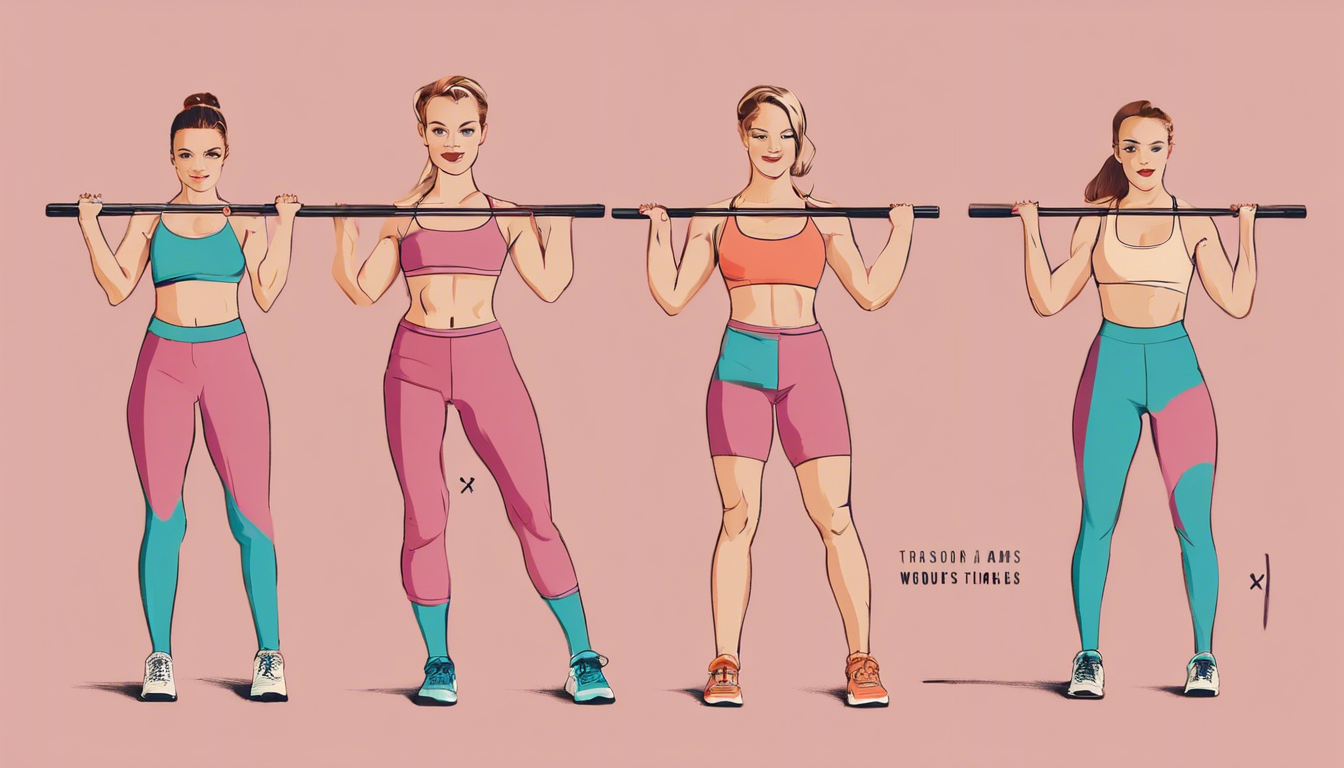
The Balance Test: With the empty bar, mimic a front rack position or place it on your back for a squat. Does it feel balanced and stable, or does it want to twist or roll?
The Load Test: Add a 10kg plate to each side. Do the sleeves rotate smoothly without wobble? Do your basic spring collars hold the plates firmly in place during a light shake?
Bars to Sideline for Now
Part of smart selection is knowing what to avoid. These are advanced tools that can hinder a beginner’s progress.
Specialist Bars: Thick axle bars (for grip strength), powerlifting bars with ultra-aggressive knurling and extreme stiffness, and high-performance weightlifting bars with massive whip are for specialized, advanced training. They will compromise your technique as a novice.
Poor Quality “Novelty” Bars: Be wary of bars with obvious weld points on the shaft, non-standard sleeve diameters that won’t fit Olympic plates, or excessive paint that coats the knurling, rendering it slippery. These are safety hazards, not training tools.
Building Your Foundation for a Lifetime of Strength
The journey to mastery begins with a single, well-considered tool. By identifying beginner-friendly bars through their supportive specifications, aligning type with ambition, and trusting the tactile feedback in your hands, you make a profound investment in your physical future. This carefully chosen bar will transform from a simple piece of equipment into the trusted, central axis of your home gym—the constant upon which you will build not just weight on the plates, but unshakable confidence, resilient strength, and the profound satisfaction of progress earned through perfect practice.