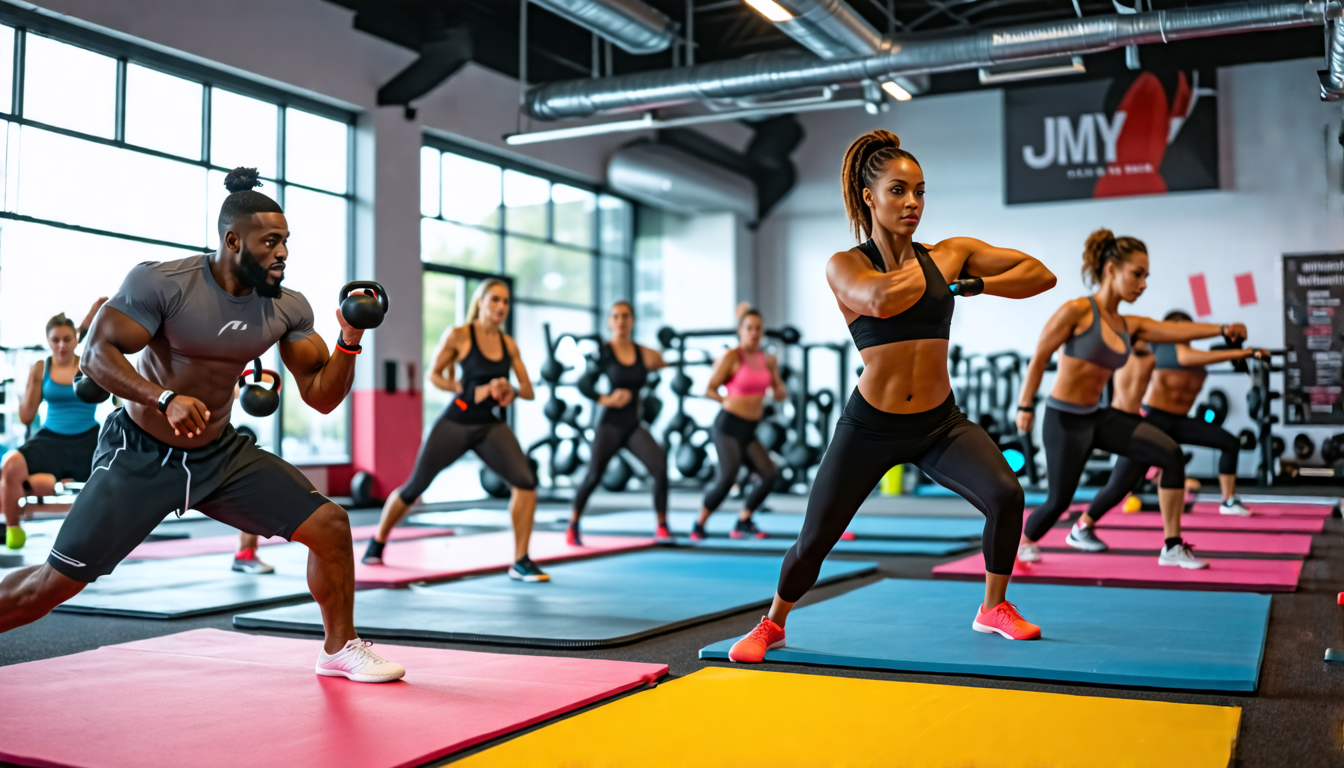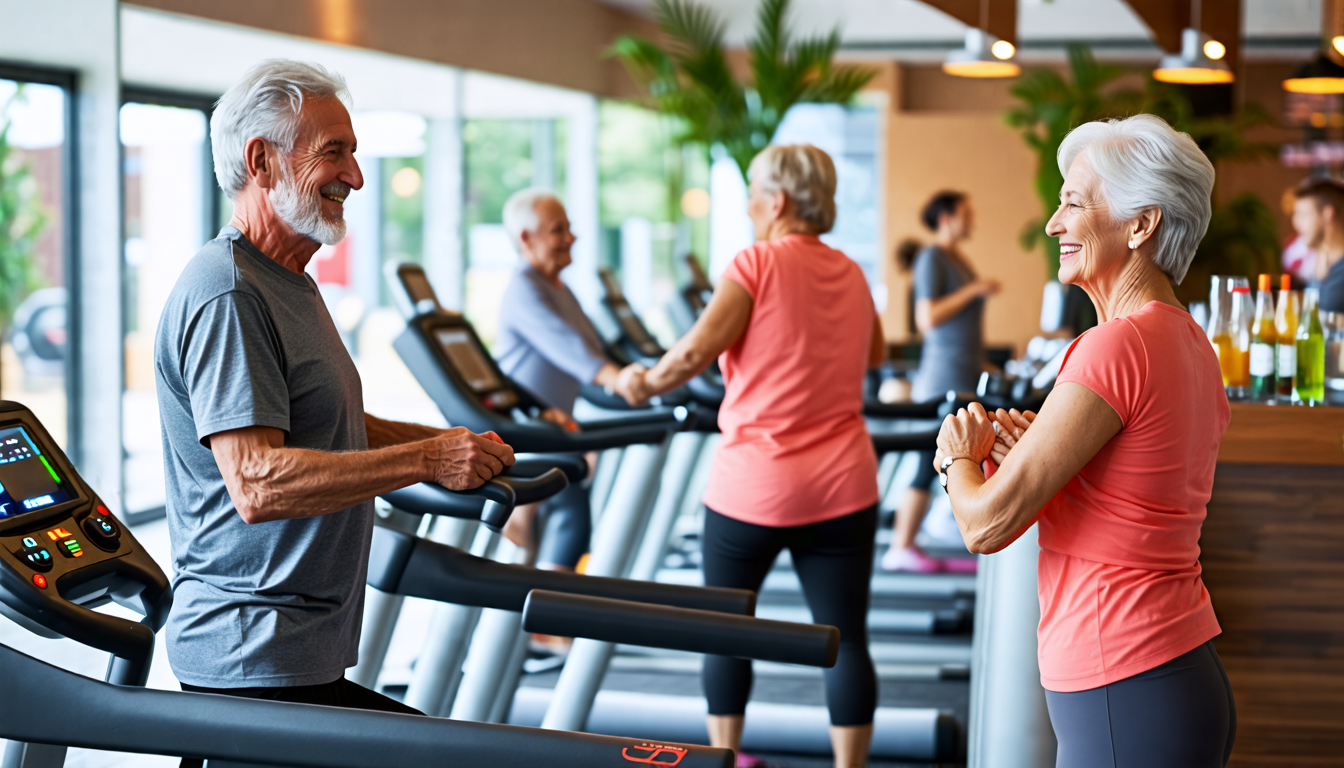
The Vision: Reclaiming Strength, Stability, and Joy
Imagine moving through your day with effortless confidence—rising from your favorite chair without a push, carrying groceries from the car in one trip, or kneeling down in the garden and getting back up with ease, all free from the nagging fear of a stumble. This vision of empowered, active aging is not a distant hope; it’s an achievable reality built on a foundation of functional strength. An Introduction to Senior Fitness Bars reveals that these specialized tools are the master key to safe, effective, and sustainable strength training. They unlock a future where vitality and independence are not just preserved, but actively cultivated.
Foundational Choices: Selecting Your Bar for Success
Your first bar is more than equipment; it is your primary safety partner and progress enabler. Choosing correctly establishes a foundation of confidence, while a poor choice can lead to frustration or injury. This decision hinges on understanding your starting point and goals.
Part A: Type & Primary Purpose
Not all bars are created equal. Selecting the right type aligns the tool with your intended outcome.
- Lightweight Aerobic Bars (1-3 lbs): Crafted from foam or hollow plastic, these are for dynamic movement, coordination, and light cardio. Their purpose is to add gentle resistance to arm circles, marches, and dance-based routines, enhancing balance and joint mobility without significant load.
- Weighted Fitness Bars (3-24+ lbs): The core tool for building strength. These solid bars, often with padded grips and incremental weight options, are designed for controlled lifting. They are ideal for foundational strength training that directly combats sarcopenia (muscle loss) and improves bone density.
- Physical Therapy Bars: Typically very light (1-2 lbs) and often made of buoyant materials for aquatic therapy. Their purpose is rehabilitation, restoring range of motion, and providing tactile feedback for neuromuscular re-education after injury or surgery.
Part B: Critical Features & Safety Specifications
Within your chosen category, these specifications determine safety, comfort, and effectiveness.
| Feature | Options & Considerations | Key Characteristics |
|---|---|---|
| Weight | 3 lb, 5 lb, 9 lb, 12 lb, Adjustable | Start far lighter than you think you can handle. A 3-5 lb bar is an excellent starting point for most. The goal is perfect form, not maximum load. Adjustable bars (using removable plates) offer long-term versatility. |
| Grip | Padded Neoprene, Contoured Rubber, Textured Plastic | Non-slip and ergonomic is non-negotiable. Padded grips reduce pressure on arthritic hands and improve comfort. The diameter should allow a secure hold without forcing a full fist—contoured shapes can aid those with reduced grip strength. |
| Length & Balance | Short (~36″), Medium (~48″), Long (60″+) | Length affects control and exercise variety. A shorter bar (36-48″) is easier to manage for most unilateral or overhead movements. A longer bar can be held with a wider grip for squats or presses but requires more spatial awareness. The bar should feel balanced in your hands, not end-heavy. |
The Core System: Principles of Safe & Effective Practice
Mastering the fitness bar is about mastering your own biomechanics. This is a system of precise control, where quality of movement trumps every other variable.
Form as the Immovable Foundation
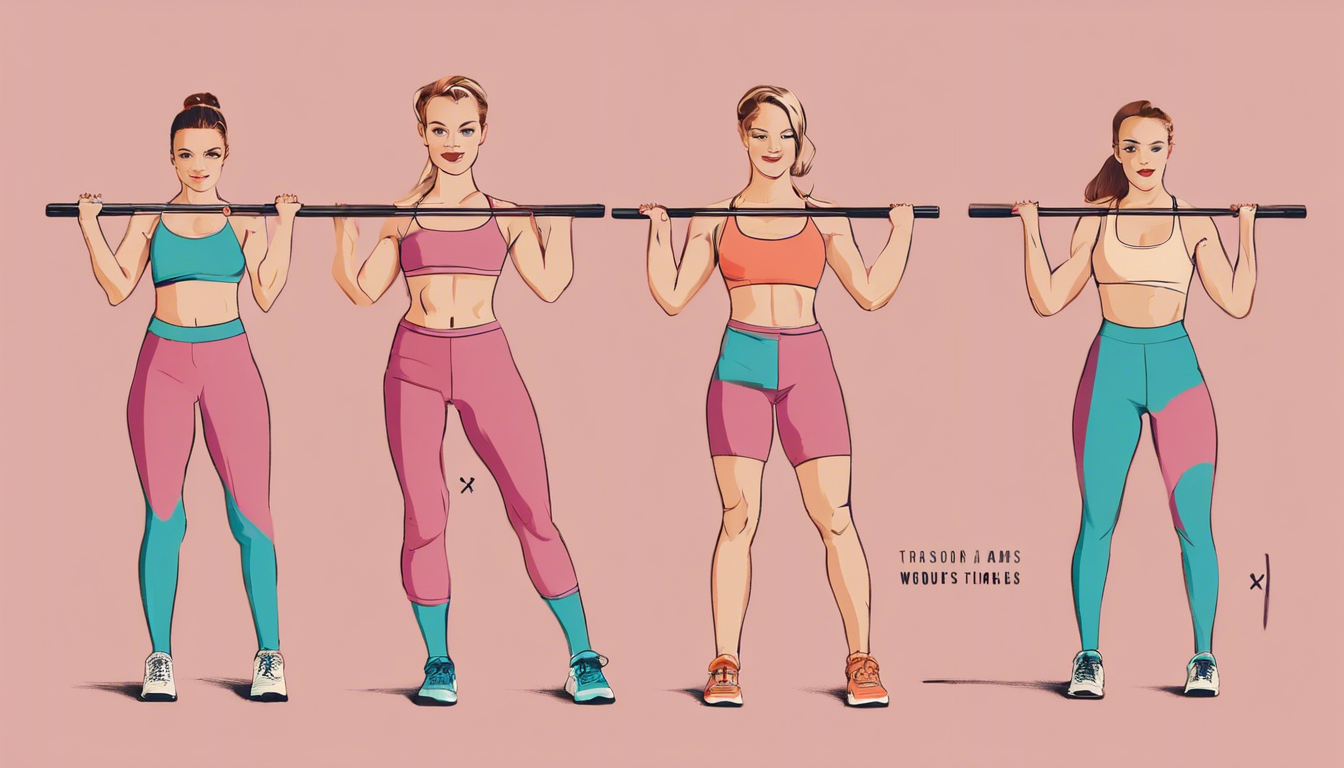
Proper form is your primary safety mechanism. Posture begins with a neutral spine: shoulders back and down, chest open, core gently engaged. Tempo should be slow and controlled: a 2-3 second count on the lift (concentric) and a 3-4 second count on the lowering (eccentric). Range of Motion means moving only as far as you can maintain perfect alignment. The consequence of neglecting form is not just ineffective workouts; it is the direct transfer of stress from muscles to vulnerable joints and connective tissues.
Breath as the Engine of Stability
Breath powers and stabilizes movement. The rule is simple yet critical: Exhale steadily during the exertion phase (lifting/pushing), and inhale during the release/lowering phase. This practice, known as the Valsalva maneuver at a gentle level, increases intra-abdominal pressure, creating a natural weight belt around your spine and protecting your lower back. Never hold your breath.
The Practice: Foundational Exercises for Functional Fitness
These movements are not abstract gym exercises; they are direct training for the activities of daily living. Perform them seated on a sturdy chair without arms for stability, or standing if balance permits.
Upper Body & Postural Strength
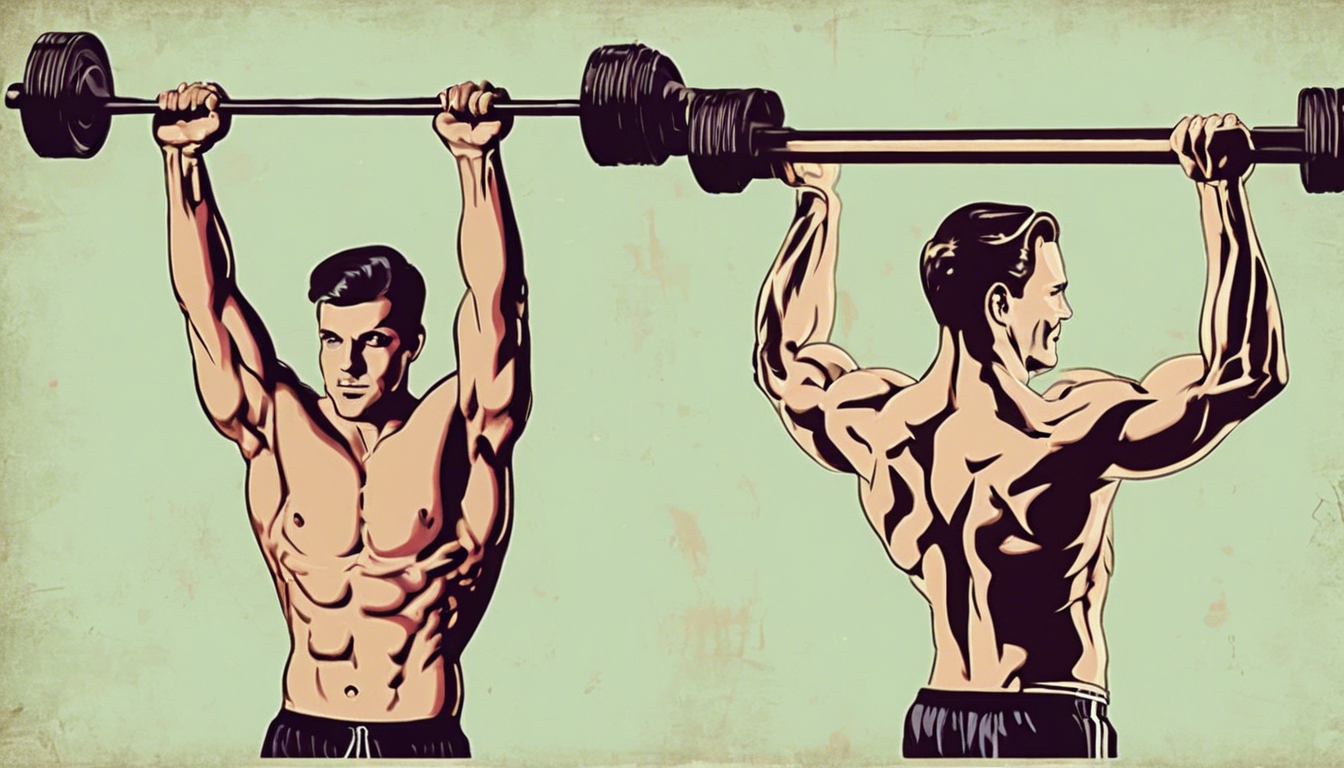
- Seated Overhead Press: Strengthens shoulders and triceps. Functional Benefit: Reaching for items on high shelves, placing luggage in an overhead bin.
- Bent-Over Row: Strengthens the upper back and rear shoulders. Functional Benefit: Improving posture, pulling open a heavy door, lifting a pet or grandchild.
- Chest Press: Strengthens the chest and front shoulders. Functional Benefit: Pushing yourself up from a chair or bed, pushing a heavy shopping cart.
Lower Body & Foundational Stability
- Goblet Squat: Holding the bar vertically at your chest, squat as if sitting back into a chair. Functional Benefit: The fundamental motion for standing up from any seated position, picking objects off the floor safely.
- Bar-Assisted Deadlift: With the bar on the floor in front of you, hinge at the hips with a flat back to grip and lift it. Functional Benefit: Teaching the safe hip-hinge pattern essential for lifting any object from the ground.
Core & Rotational Power
- Wood Chop: Holding the bar with both hands, move it diagonally from one hip up across your body to the opposite shoulder. Functional Benefit: Power for twisting motions like swinging a golf club or shoveling snow, and crucial for dynamic balance.
- Seated Torso Twist: Holding the bar at your chest, rotate your upper body left and right, leading with your chest. Functional Benefit: Maintaining spinal mobility for checking blind spots while driving or looking behind you.
Threat Management: Injury Prevention & Intelligent Adaptation
A proactive mindset is your best defense. Strength training is a stressor—the right amount builds resilience; the wrong amount causes injury.
Prevention as the First Protocol
Begin every session with a 5-10 minute dynamic warm-up: marching in place, arm circles, torso twists, and ankle rolls—all without weight. End with static stretching for major muscle groups. Most importantly, learn to listen to your body’s signals. Muscle fatigue is a dull, burning ache and is safe. Joint pain is a sharp, stabbing, or pinching sensation and is a command to STOP. Differentiating between the two is a fundamental skill.
The Tiered Response to Challenges
If you encounter pain or a plateau, follow this progression: First, de-load (reduce the weight by 50%). If pain persists, regress the movement (e.g., do a seated overhead press instead of standing). Finally, substitute the exercise entirely. Before increasing weight, you must master 2 sets of 12-15 repetitions with impeccable form. When in doubt, or if managing a specific condition like osteoporosis, consulting a physical therapist or a certified senior fitness specialist is not a setback—it is a strategic investment.
The Action Plan: Your First Month Roadmap
Consistency and gradual progression are the pillars of success. Follow this 4-week plan to build habit and competence.
| Week | Primary Focus | Sample Exercise Circuit | Frequency & Goals |
|---|---|---|---|
| 1-2 | Neuromuscular Connection & Form | Seated Overhead Press, Bent-Over Row, Goblet Squat (bodyweight, holding bar for balance), Seated Torso Twists. | 2 non-consecutive days per week. Perform 1 set of 10-12 reps per exercise. Goal is solely to learn the movement patterns. Use minimal or no weight. |
| 3-4 | Building Consistency & Adding Load | Overhead Press, Chest Press, Bent-Over Row, Goblet Squat (with light weight), Wood Chops (light). | 2-3 non-consecutive days per week. Perform 1-2 sets of 10-15 reps. Goal is to complete all reps with perfect form. Only add weight (1-2 lbs) when the last few reps feel challenging but not straining. |
The Transformation: A Stronger, More Independent You
The journey with a senior fitness bar is a masterclass in the principle that consistency with perfect technique always trumps sporadic intensity. It begins with the intentional choice of your tool, blossoms through the disciplined practice of movement as a system, and culminates in the seamless integration of strength training into the rhythm of your life. This Introduction to Senior Fitness Bars is your first step toward a future where newfound strength supports your every adventure, hard-earned stability underpins your unshakable confidence, and every intentional movement becomes a celebration of your enduring vitality. The bar, in the end, is more than a tool—it is the steadfast partner in building a richer, more resilient, and profoundly active life.