The Vision of a Leaner, Stronger You
Imagine stepping into your living room, your personal fitness sanctuary, and seeing the tool that could redefine your body and health. It’s not a complex machine with a dozen pulleys; it’s a simple, elegant bar. In the quest for weight loss, equipment choice is critical. The home fitness bar emerges not as a magic bullet, but as the foundational pillar for a metabolic transformation. Mastering its use is the key to unlocking sustainable weight loss by fundamentally altering your body’s composition and energy systems. This is your definitive guide to answering the question: Can home fitness bars help with weight loss? The answer is a resounding yes, and here is exactly how.
Foundational Choices: Selecting Your Weight Loss Hardware
Your bar is the engine of your metabolic transformation. This isn’t just a purchase; it’s an investment in the infrastructure of your new physique. Choosing correctly sets the stage for consistent, safe, and effective workouts—the non-negotiable foundation of fat loss.
Part A: Type and Function Selection
Align your equipment with your physiological goals. For weight loss, you need tools that facilitate compound, multi-joint movements which burn maximum calories and build metabolically active muscle.
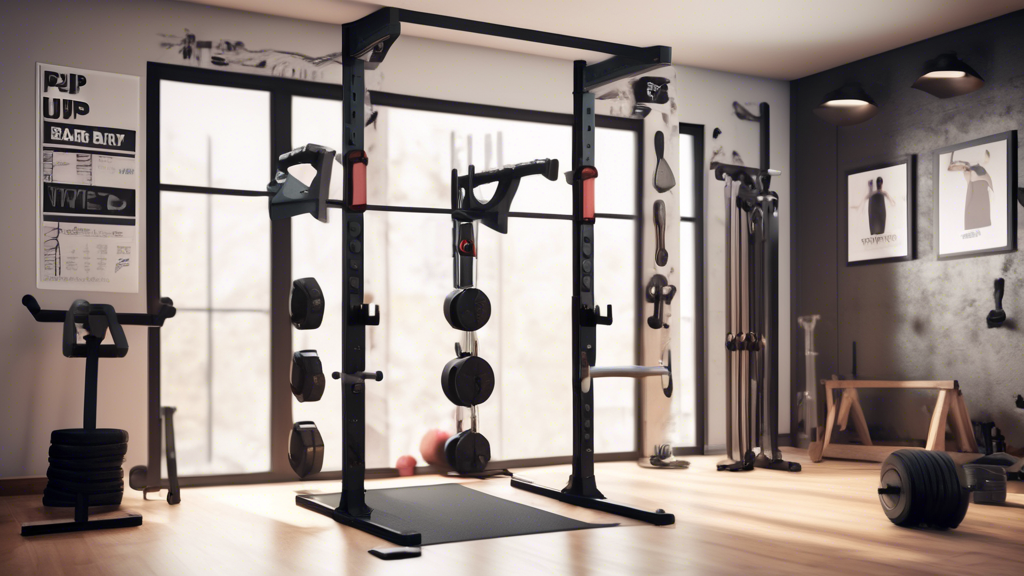
- Power Towers / Power Cages: The ultimate choice. They integrate a pull-up bar, dip station, and often push-up handles. This allows for seamless, high-density circuits (e.g., pull-ups, dips, knee raises) without rest, maximizing calorie burn and muscle engagement.
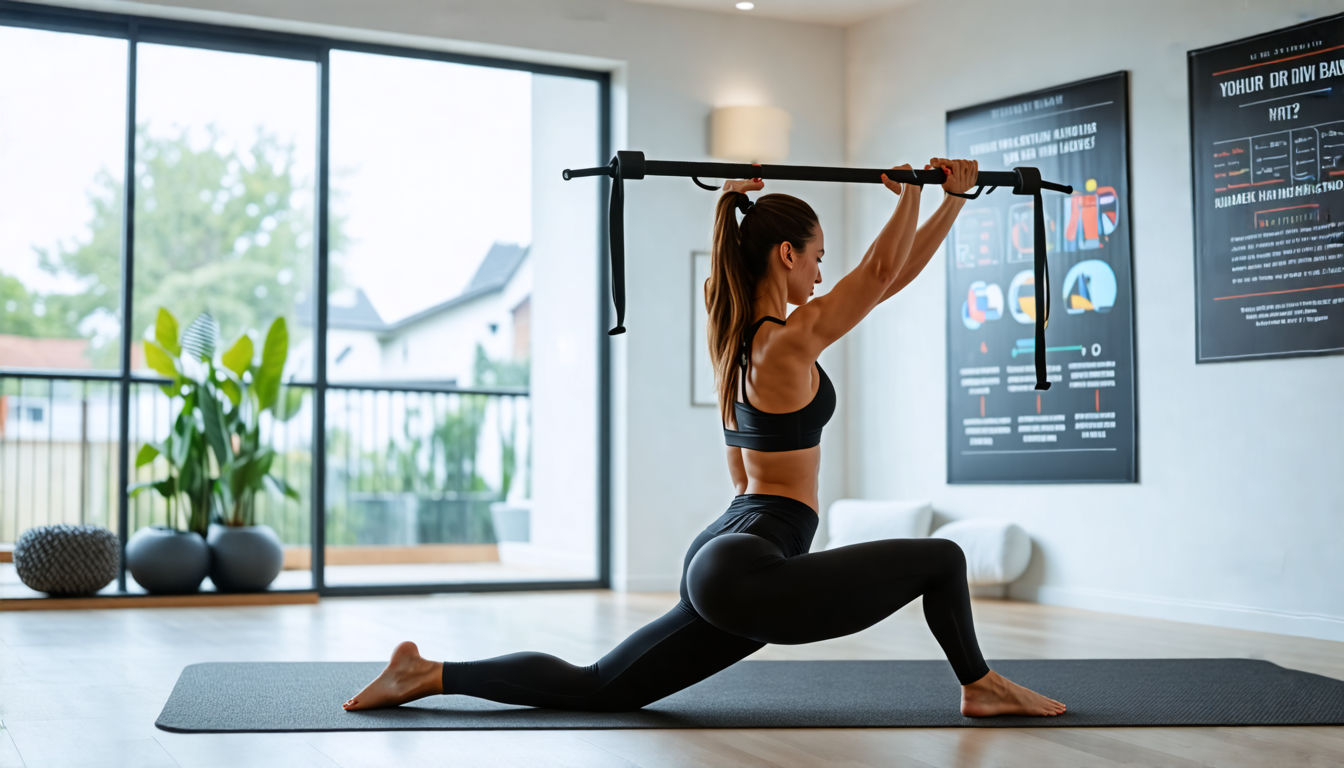
- Wall-Mounted or Doorway Pull-Up Bars: The minimalist’s powerhouse. Excellent for mastering the fundamental upper-body lifts. Their limitation is the lack of a dedicated dip station, but creative programming with rows and leg raises can still deliver exceptional results.
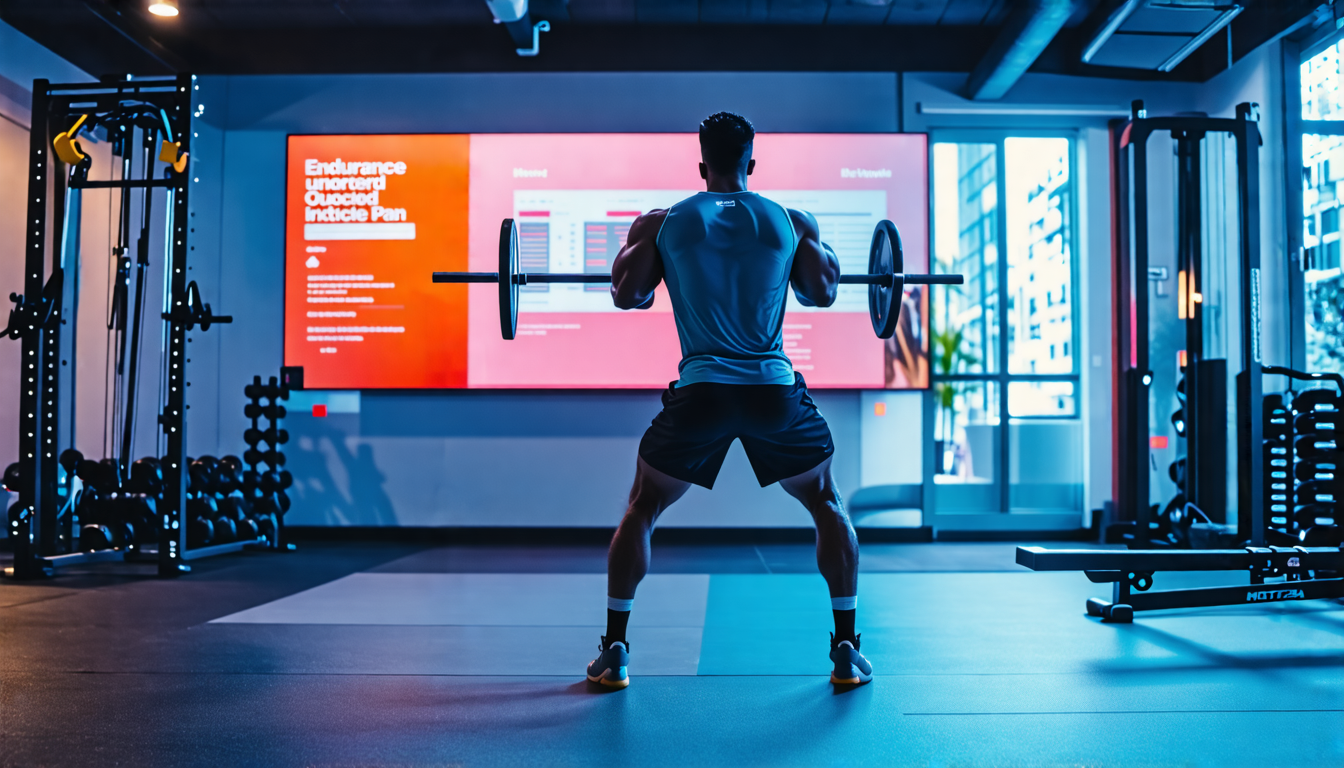
- Squat Racks with Pull-Up Bars: The future-proof option for those who plan to integrate barbell training. Provides unmatched stability for weighted calisthenics, allowing for precise progressive overload, which is critical for maintaining muscle in a calorie deficit.
Space & Anchor Considerations: The best bar is the one you use. Ensure it fits your space and can be anchored securely. A wobbly bar undermines confidence and safety, directly threatening the consistency that drives weight loss.
Part B: The Material & Build Quality Matrix
Your hardware must withstand high-intensity, sweat-heavy sessions. The right material impacts grip, durability, and ultimately, your performance.
| Component Category | Options | Key Characteristics |
|---|---|---|
| Frame & Main Bar | Steel, Chrome-Plated Steel, Powder-Coated Steel |
Steel: Durable and strong; may require maintenance to prevent rust. Chrome-Plated: Provides a classic, secure grip that improves with chalk; easy to clean. Powder-Coated: Offers superior comfort and sweat absorption; best for bare-handed training and color options. |
| Grip Surfaces | Knurling, Rubberized Coatings, Smooth |
Knurling: Aggressive texture for maximum grip security during heavy pulls; can be harsh on skin. Rubberized: Comfortable and secure for high-rep circuits and dips; reduces joint stress. Smooth: Requires more grip strength; often found on basic models. Not ideal for sweaty, high-intensity work. |
The Core System: Engineering Your Metabolic Environment
Weight loss is a system of energy balance. The bar is your primary lever to manipulate it, controlling two critical variables: caloric output and metabolic rate.
Variable 1: Exercise Selection & Intensity (The Caloric Burn)
Ideal Target: Compound movements that recruit multiple large muscle groups simultaneously. Think pull-ups, bodyweight rows, dips, and hanging leg raises.
Consequence of Error: Wasting time on isolation exercises or low-intensity steady-state work on the bar. This fails to create the significant energy expenditure and hormonal response needed for efficient fat loss.
Control Method: Structure your bar work into High-Intensity Interval Training (HIIT) circuits. Example: Perform 5 pull-ups, 10 dips, and 15 bodyweight rows with minimal rest, repeating for 20 minutes. This method elevates heart rate dramatically and induces Excess Post-Exercise Oxygen Consumption (EPOC), burning calories for hours after your workout.
Variable 2: Muscle Activation & Retention (The Metabolic Furnace)
Ideal Target: Stimulating and progressively challenging your major muscle groups to build and, crucially, preserve lean muscle mass while in a calorie deficit.
Consequence of Error: Losing muscle along with fat. Muscle is metabolically expensive tissue; losing it slows your resting metabolic rate, making weight loss harder and regain easier.
Control Method: Implement progressive overload using the bar. This isn’t just adding reps. It’s:
- Adding external weight (weight vest, dip belt).
- Slowing the tempo (e.g., 4-second negative on a pull-up).
- Using advanced variations (archer pull-ups, L-sit dips).
This constant challenge signals your body to retain muscle, keeping your metabolic furnace stoked.
Advanced Practices: The Art & Science of Body Recomposition
Move beyond simple calorie burn. Here, you strategically use the bar to reshape your body—losing fat while building or maintaining muscle, a process known as recomposition.
Practice 1: Workout Structure for Maximizing EPOC
Design non-stop metabolic circuits using the bar. Combine upper-body pushes and pulls with core and lower-body movements (like squats or lunges performed between bar sets). This “full-body assault” creates massive oxygen debt, maximizing the afterburn effect (EPOC) where your body works hardest to recover, burning fat at an elevated rate.
Practice 2: Synergy with Nutrition
Intense bar training does more than burn calories; it regulates appetite hormones like ghrelin and leptin, helping control cravings. Furthermore, it dramatically improves insulin sensitivity, meaning the nutrients you consume are more likely to be shuttled to muscle cells for repair rather than stored as fat. The bar makes your diet more effective.
Practice 3: The Unbreakable Routine
The ultimate weight loss advantage of a home bar is eliminating friction. No commute, no gym crowds, no waiting. This convenience is the bedrock of consistency. Schedule short, intense 30-minute sessions 3-4 times per week. This consistency, more than any single workout, is the true driver of transformative results.
Threat Management: Overcoming Plateaus & Barriers
Stagnation is the enemy of weight loss. A proactive strategy turns plateaus into progress.
Prevention: The Adherence Protocol
Prevent stalls before they happen. Maintain a workout log—track reps, sets, and tempos on your bar exercises. Regularly introduce new exercise variations (switch from wide-grip to close-grip pull-ups) to provide novel stimulus. This keeps your body adapting and your mind engaged.
Intervention: The Plateau-Breaking Toolkit
When progress slows, escalate the stimulus on the bar. Implement advanced techniques:
- Isometric Holds: Hold the top position of a pull-up or the bottom of a dip for 20-30 seconds.
- Drop Sets: Perform weighted pull-ups to failure, then immediately strip the weight and perform bodyweight reps to failure.
- Density Training: Complete 50 total pull-ups in as few sets as possible, then beat that time in your next session.
These methods shock the neuromuscular system, breaking through adaptation and reigniting fat loss.
The Action Plan: A 90-Day Roadmap to Transformation
Follow this phased approach to systematically build skill, intensity, and mastery.
| Phase | Primary Tasks | What to Focus On |
|---|---|---|
| Foundation (Weeks 1-4) | Master basic form for 3 key exercises (e.g., negative pull-ups, assisted dips, bodyweight rows). Establish a 3x/week routine. | Neuromuscular connection, movement quality, and building the habit. Use bands for assistance if needed. |
| Intensity (Weeks 5-8) | Introduce HIIT circuits. Combine your mastered exercises into 20-minute full-body workouts. Begin tracking total reps per session. | Workout density and conditioning. Minimize rest intervals. Focus on beating your previous session’s total work. |
| Mastery (Weeks 9-12) | Incorporate progressive overload and one advanced technique (e.g., tempo training). Aim for 4 sessions per week. | Strategic overload and body recomposition. Add weight, slow down reps, or integrate isometrics. Refine nutrition to support recovery. |
The Transformation Realized
The principle is proven: sustainable weight loss is achieved through a consistent energy deficit, powerfully driven by the muscle-building, metabolism-revving workouts a home fitness bar uniquely enables. This journey—from selecting the right hardware to mastering the metabolic system it controls—culminates in more than a number on a scale. It forges discipline, resilience, and strength. The home fitness bar is the gateway. The unparalleled joy comes from witnessing the tangible results of your consistent effort: a leaner physique, boundless energy, and the profound knowledge that you built it yourself. This is the definitive answer and the path to enriching your life far beyond the scale.