The Unshakeable Foundation: How to Ensure Your Fitness Bar is Securely Mounted for Ultimate Performance
The Vision of Confidence
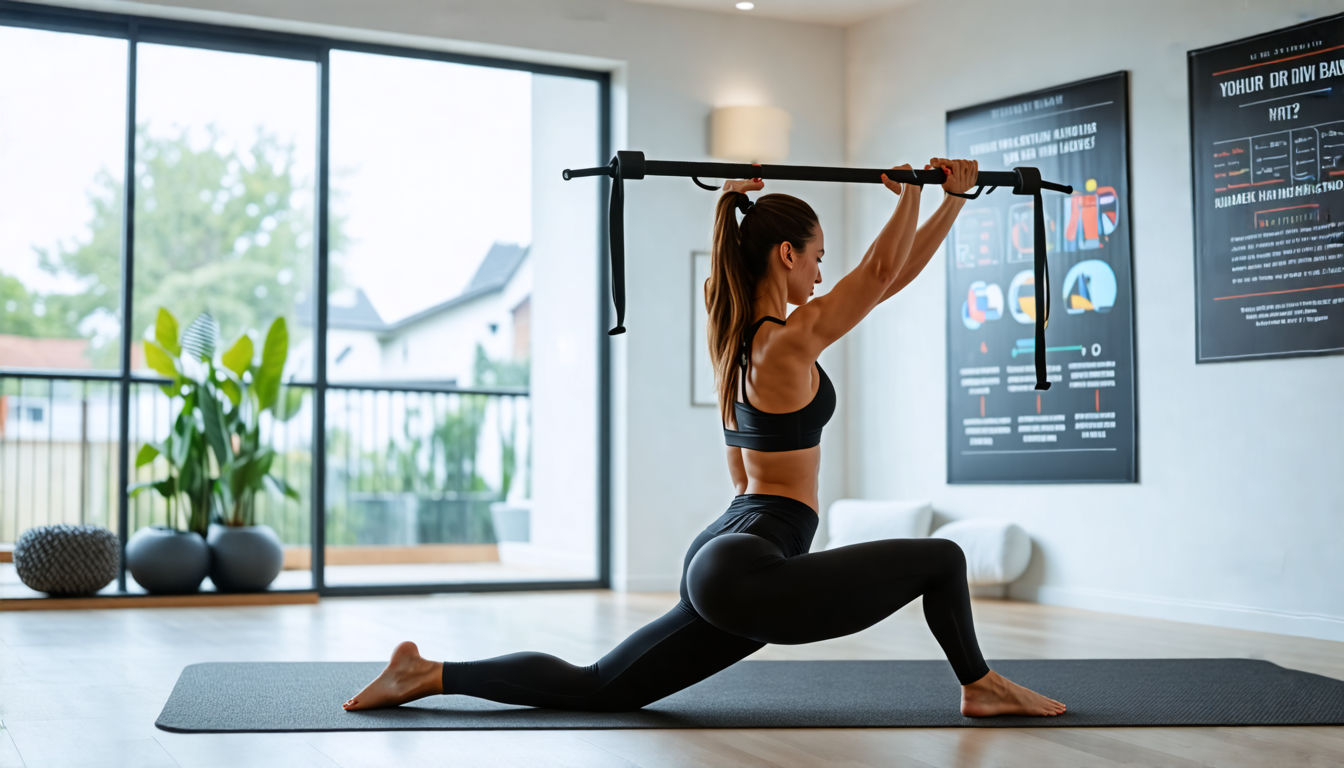
Imagine executing a perfect pull-up, an explosive muscle-up, or a controlled leg raise with absolute confidence—zero sway, zero creak, just pure, stable strength translating directly from your body to an immovable object. That confidence isn’t gifted by the bar itself; it’s engineered through the certainty of its unbreakable connection to your home. A failed mount isn’t merely an inconvenience; it’s the direct, unforgiving path to injury and shattered progress. Mastering the art and science of secure mounting is the non-negotiable bedrock of home fitness. This guide provides the authoritative, step-by-step system to transform your fitness bar from a simple piece of equipment into the steadfast pillar of your strength.
Foundational Choices: The Hardware of Trust
True security is established before you ever pick up a drill. Your initial decisions regarding the bar and your home’s anatomy form the critical foundation for everything that follows.
Part A: Bar Type and Wall Compatibility
The first choice dictates all others. Understand the three primary types:
- Doorway Bars: Pressure-mounted between frames. Suitable for basic pull-ups only. Absolute Requirement: A solid, structural door frame, not decorative trim.
- Wall-Mounted Bars: The performance standard. Fixed to wall studs or masonry. Allows for the widest range of exercises (pull-ups, leg raises, muscle-ups).
- Ceiling-Mounted Bars: Offers clear 360-degree access. Non-negotiable Requirement: Must be anchored into solid ceiling joists, never just drywall.
The decisive question you must answer: “What is my wall (or ceiling) made of?” This determines your hardware and technique.
Part B: The Tool & Hardware Audit
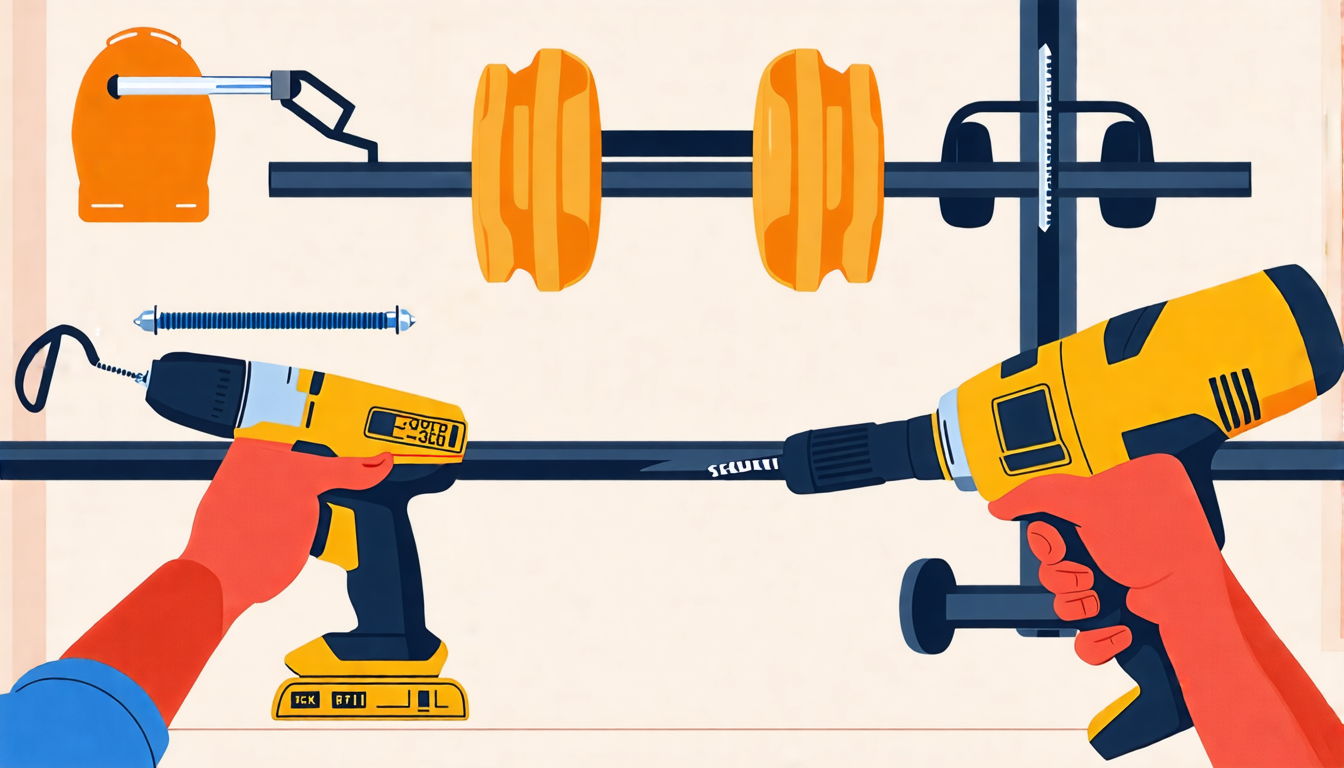
Professional results demand professional tools. The hardware included in the box is often the bare minimum.
| Component Category | Essential Tools & Hardware | Key Characteristics & Purpose |
|---|---|---|
| Detection & Layout | Stud Finder, Level, Pencil | Use a stud finder with deep-scan capability for accuracy. A magnetic finder can double-check. The level ensures your bracket and bar are perfectly horizontal. |
| Installation Tools | High-Torque Drill, Drill Bits, Wrench/Socket Set | Your drill must have enough power for masonry if needed. You will need high-speed steel bits for wood and carbide-tipped masonry bits for concrete/brick. |
| Critical Hardware | Lag Bolts, Concrete Anchors, Washers | Always upgrade. For wood studs, use lag bolts (at least 3/8″ diameter, 3″ long) with oversized washers. For concrete, use heavy-duty wedge or sleeve anchors rated for your bar’s dynamic load. |
The Core System: The Step-by-Step Mounting Protocol
This is your fail-safe process. Treat each phase as a mandatory checkpoint; deviation introduces risk.
Phase 1: Locate and Mark with Precision
This phase is about eliminating guesswork.
- Stud Finding: Calibrate your stud finder on a known empty wall section. Mark the edges of each stud, then find the center. Use the “knock and confirm” method (a solid knock sounds dull, hollow areas sound empty) as a secondary check.
- Bracket Alignment: Hold the mounting bracket against the wall, aligning its holes with the stud centers. Use your level across the bracket to ensure perfect horizontality. Mark the drill points through the bracket holes.
Phase 2: Drill and Prepare the Anchor Points
The quality of the hole determines the strength of the hold.
- Pilot Holes (Wood Studs): Drill a pilot hole slightly smaller than the shank of your lag bolt. This prevents the wood from splitting and allows for maximum thread engagement.
- Masonry Holes (Concrete/Brick): Drill straight in with steady pressure using the hammer function on your drill. The hole depth must match or exceed the length of your concrete anchor. Crucially: Vacuum or blow out all dust from the hole to ensure the anchor seats fully.
Phase 3: The Final Mounting and Torque Sequence
Execution order matters.
- Mount Brackets to Wall: Secure the brackets to the wall first using your upgraded hardware. Ensure they sit completely flush against the wall surface. Tighten sequentially and firmly, but save final torque for the last step.
- Attach the Bar: Connect the main bar to the installed brackets, following the manufacturer’s instructions. Tighten all connections evenly.
- The Critical Check: Perform a final pass with your wrench, applying full, steady torque to every bolt. Then, conduct a systematic pull-test: apply gradual, increasing downward and outward force on the bar, checking for any movement, flex, or audible stress.
Advanced Practices: Optimization and Long-Term Security
A perfect installation is merely chapter one. Lasting safety is an active practice.
The Pre-Use Inspection Ritual
Incorporate this 30-second checklist before every session:
- Visual Scan: Look for any new gaps between bracket and wall.
- Bolt Check: Ensure no bolt heads are protruding or have visibly loosened.
- Wall Inspection: Check for hairline cracks or stress marks in the drywall or paint around the brackets.
- Light Test: Apply gentle static body weight, feeling for any initial “give” or unusual sounds.
Load Management and Usage Wisdom
Understand the physics of your training. A bar rated for 300 lbs static load (holding a weight) experiences far greater force during dynamic movements like kipping pull-ups or muscle-ups. This dynamic force can multiply your effective weight by 1.5x or more. Always respect the manufacturer’s rated capacity and maintain a personal margin of safety.
Threat Management: Diagnosing and Solving Instability
Adopt a proactive stance. Early detection prevents catastrophic failure.
Problem Identification Guide
| Symptom | Likely Cause | Immediate Action |
|---|---|---|
| Bar rotates or slips within the bracket clamps | Insufficient clamping force on the bar. Padding or grip tape may be worn. | Stop use. Disassemble and tighten the bar clamping mechanism. Replace worn components. |
| Bracket feels loose or “rocks” on the wall | Hardware is anchored only in drywall, a stud is stripped, or bolts were under-torqued. | STOP USE IMMEDIATELY. Remove bar and diagnose. Remount into confirmed, virgin stud material with upgraded hardware. |
| Cracking or crumbling of wall material around anchors | Improper anchors for masonry, or extreme load on weak drywall without stud support. | STOP USE IMMEDIATELY. For masonry, consult a professional for proper epoxy anchors. For drywall, you must relocate the bar to a stud-supported location. |
Tiered Intervention Plan
- Step 1: Immediate Cessation. At the first sign of instability, your workout is over.
- Step 2: Systematic Diagnosis. Use the guide above to identify the root cause.
- Step 3: Engineered Solution. This is not a time for shortcuts. Re-mount into confirmed structural points, upgrade all hardware, or engage a professional for complex structural work.
Your Security Maintenance Calendar
Schedule vigilance to ensure perpetual safety.
| Phase/Frequency | Primary Tasks | What to Focus On |
|---|---|---|
| Before Every Use | Visual inspection, light static hang test. | Feeling for any “give,” listening for creaks or shifts, looking for new wall stress. |
| Monthly | Check and re-tighten all bolts and fasteners. | Preventing gradual loosening from vibration, thermal expansion, and dynamic use. |
| Bi-Annually | Full structural inspection: brackets, wall contact, bar integrity. | Searching for hairline cracks in metal, corrosion, paint deformation around bolts, or any material fatigue. |
The Reward of Unshakeable Confidence
Knowing how to ensure your fitness bar is securely mounted is the ultimate enabler of fearless training. It is the silent partner in every personal record, the unwavering platform for every hard-earned rep. This journey—from intelligent selection and meticulous, protocol-driven installation to the disciplined rhythm of ongoing care—culminates in more than just a installed piece of equipment. It forges a securely engineered platform for physical transformation. Return to that initial vision: now, every movement is performed with the profound peace of mind that comes from a perfect foundation. Your home gym transcends being just a room; it becomes a sanctuary of strength, where the only thing left to focus on is the relentless pursuit of your limits.