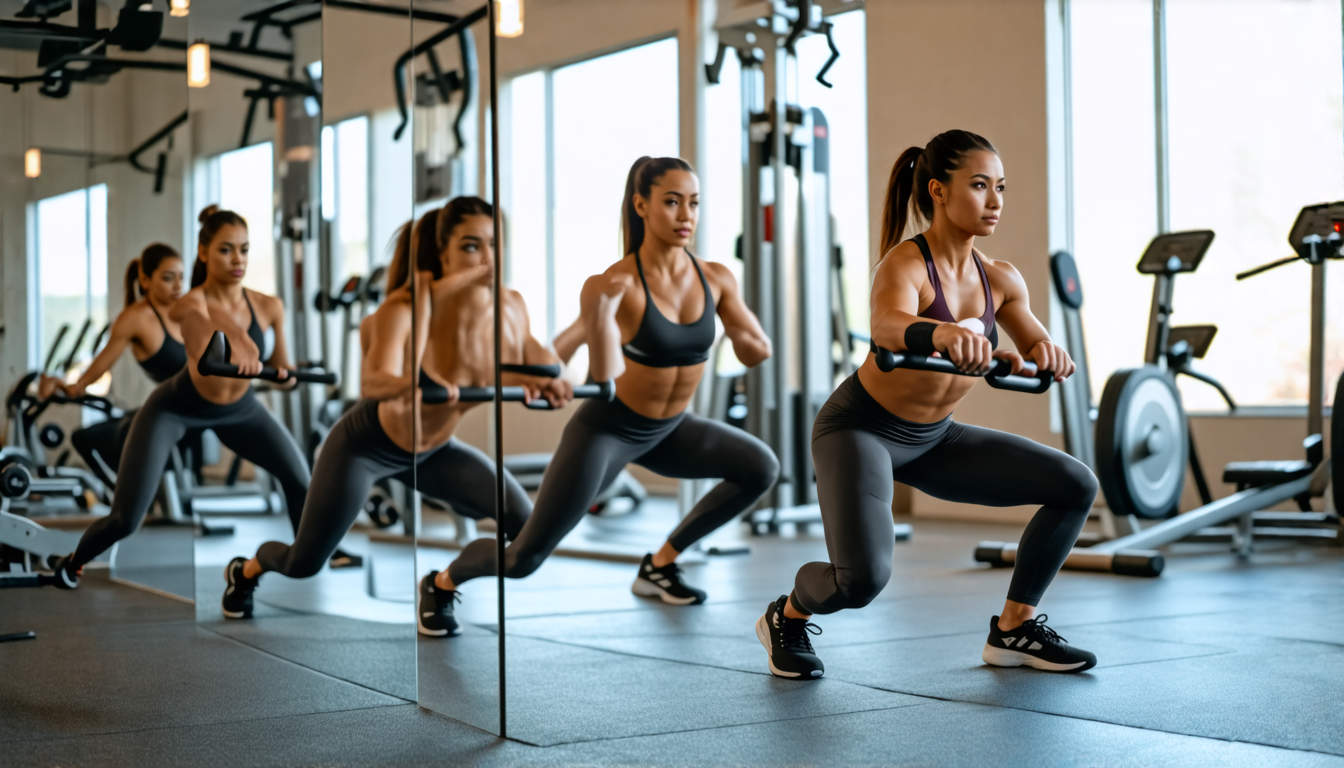
Can I Use a Fitness Bar for Leg Workouts? Unlocking Total-Body Power
Imagine transforming a single piece of versatile equipment into the engine for your entire physique—sculpting powerful legs, a solid core, and a strong back without a room full of machines. The home fitness bar is often pigeonholed as an upper-body tool, but this view severely limits its potential. Mastering the use of a fitness bar for leg workouts is not just possible; it’s the key to building foundational strength, unlocking athletic performance, and achieving a truly balanced physique from the comfort of your home.
Foundational Choices: Selecting Your Bar and Setup
Your success in building formidable legs begins with the hardware. The right bar and a secure environment are not accessories; they are the non-negotiable foundation for safe, progressive, and effective training.
Part A: Bar Type and Purpose
Not all bars are created equal for leg-dominant work. Your choice dictates movement quality, muscle emphasis, and joint comfort.
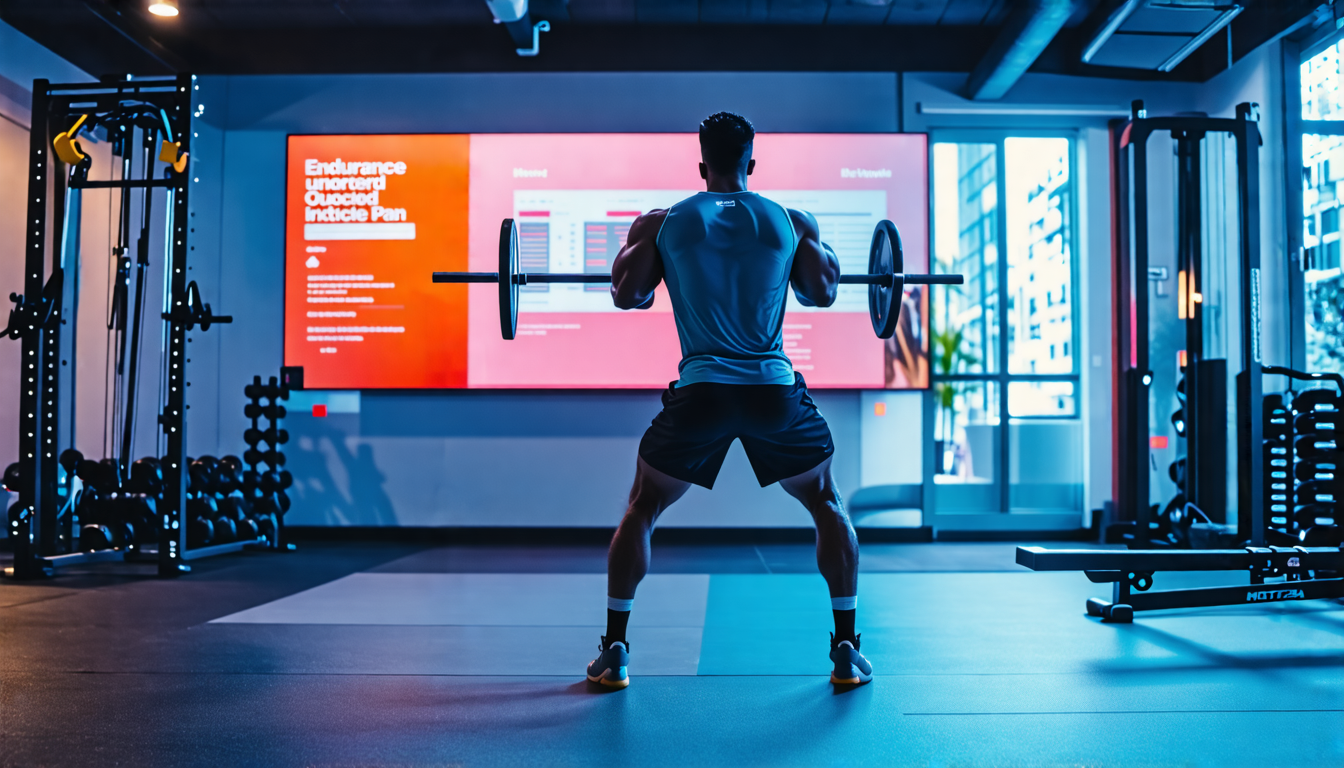
- Olympic Barbell (20kg/45lb, 7ft): The versatile standard. Ideal for back squats, front squats, and deadlifts. Its straight shaft and rotating sleeves are perfect for high-load, bilateral movements.
- Safety Squat Bar (SSB): The leg-day specialist. The cambered design and shoulder yokes place load directly over your center of mass, reducing shear force on the spine and emphasizing the quads. It is the superior choice for those with shoulder or upper back mobility limitations.
- Multi-Grip/Cambered Bar: A versatile hybrid. The neutral grip and internal camber can make front-loaded positions (like front squats or Zercher holds) more comfortable, while also offering unique angles for lunges and split squats.
Part B: The Essential Support System
A bar is useless for serious leg work without the infrastructure to support it. This is where safety is engineered into your routine.
- The Squat Rack or Stands: This is mandatory. You must have adjustable safeties or spotter arms that allow you to fail a rep safely. A rack also provides a stable home for rack pulls, pin squats, and efficient loading/unloading.
- Flooring: Interlocking rubber mats are essential. They protect your floor from dropped weights, provide a non-slip surface for stable foot placement, and dampen sound and vibration.
Part C: Key Components & Comparison
| Bar Type | Weight Capacity | Best For Leg Exercises | Key Characteristics |
|---|---|---|---|
| Olympic Barbell | 1,000+ lbs (high-quality) | Back Squats, Front Squats, Romanian Deadlifts | Maximum versatility; Requires good shoulder/wrist mobility for front rack; The standard for heavy loading. |
| Safety Squat Bar (SSB) | 700-1,000 lbs | SSB Squats, Hatfield Squats, Good Mornings | Spine-friendly; Quad-dominant; Great for those with shoulder issues; Less technical to set up. |
| Multi-Grip/Cambered Bar | 500-700 lbs | Front Squats, Zercher Squats, Lunges | Neutral grip reduces shoulder strain; Camber changes center of gravity; Excellent for accessory and variation work. |
The Core System: Mechanics and Loading Principles
Training legs with a bar is a physics problem. It’s about managing leverage, maintaining balance, and applying progressive tension to the target musculature. Master two patterns, and you master the system.
The Hip Hinge vs. The Squat Pattern
Every effective leg exercise falls into one of these two categories. Confusing them leads to poor form and missed gains.
- The Squat Pattern: Characterized by simultaneous flexion at the knees and hips. The torso remains relatively upright. The primary mover is the quadriceps, with major assistance from glutes and adductors. Think: Barbell Back Squat, Front Squat.
- The Hip Hinge Pattern: Characterized by pushing the hips back while maintaining a near-constant knee angle. The torso leans forward. The primary movers are the posterior chain (hamstrings, glutes, spinal erectors). Think: Barbell Romanian Deadlift, Good Morning.
Loading Strategies for Growth
Progressive overload is non-negotiable. With a bar, you have multiple levers to pull beyond just adding plates.
- Master the Bodyweight & Tempo First: Before loading a bar, own the movement pattern. Add a 3-4 second eccentric (lowering) phase to build control and muscle time-under-tension.
- Add Weight Systematically: Use small incremental plates (1.25lb / 0.5kg) to make consistent progress, especially on challenging movements like split squats or single-leg work.
- Incorporate Accommodating Resistance: Loop resistance bands over the bar and anchored to the floor. This increases tension at the top of the movement (where you’re strongest), overloading the muscles through a full range of motion.
The Exercise Arsenal: Advanced Leg Movements with a Bar
This is the practical art. Each movement is a tool with a specific purpose. Deploy them strategically to attack the leg complex from every angle.
Primary Drivers: Squats and Their Variations
- Barbell Back Squat: The king. Bar rests across the upper traps. Focus on breaking at hips and knees simultaneously, descending until hip crease is below knee, and driving through the mid-foot. Targets: Quads, Glutes, Entire Core.
- Barbell Front Squat: The quad assassin. Bar rests on the front deltoids with an upright torso. This demands and builds exceptional core strength and knee stability. Targets: Quads, Upper Back, Core.
- Zercher Squat: The brute-strength builder. Bar is cradled in the crooks of the elbows. It forces a powerful, upright torso and uniquely taxes the core and biceps. Targets: Quads, Glutes, Core, Upper Back.
Posterior Chain Developers: Hinges and Lunges
- Barbell Romanian Deadlift (RDL): The hinge masterclass. With soft knees, push hips back until you feel a deep stretch in the hamstrings. Maintain a neutral spine. The bar should stay in contact with your legs. Targets: Hamstrings, Glutes, Spinal Erectors.
- Barbell Walking Lunge: The unilateral stability challenge. Step forward, lower until both knees are bent at 90-degree angles, and drive up to step forward with the rear leg. Keep torso upright. Targets: Quads, Glutes, Stabilizers.
- Barbell Bulgarian Split Squat: The single-leg hypertrophy staple. With rear foot elevated, descend until your front thigh is parallel to the floor. The upright torso places immense load on the working quad and glute. Targets: Quads (emphasis), Glutes.
Isolation & Accessory Work
- Barbell Hip Thrust: The glute specialist. With upper back on a bench and bar over your hips, drive your hips upward until your body forms a straight line from shoulders to knees. Squeeze glutes at the top. Targets: Glutes Maximus.
- Standing Barbell Calf Raise: Place the balls of your feet on a sturdy block or plate. With bar on back, lower heels for a deep stretch, then explosively raise onto your toes. Targets: Gastrocnemius, Soleus.
Threat Management: Safety and Problem Prevention
Injury is the ultimate progress-killer. A proactive, disciplined approach to form and setup is your armor.
Prevention: Form and Setup as Armor
- The Brace: Before every rep, take a big breath into your belly, brace your core as if preparing for a punch, and tighten your lats. This creates a rigid cylinder to protect your spine.
- Spine Neutrality: Maintain the natural curves of your spine. Do not over-extend (arch) or flex (round) your lower back under load.
- Use the Safety Rack: Set the safety pins or spotter arms just below the depth of your squat. This allows you to train to failure with zero risk, fostering mental and physical confidence.
Intervention: Identifying and Correcting Common Faults
- Fault: Knee Valgus (Knees Caving In)
- Cause: Weak glute medius, poor motor control.
- Fix: Actively “screw your feet” into the floor, spreading the floor apart. Use a mini-band above knees during warm-ups to reinforce the pattern.
- Fault: Excessive Forward Lean / Heels Rising in Squat
- Cause: Poor ankle dorsiflexion mobility, weak core, or quad dominance.
- Fix: Elevate heels on small plates, focus on sitting “back and down,” and prioritize ankle mobility drills and front squats to reinforce upright posture.
- Fault: Back Rounding in Hinges (RDL)
- Cause: Initiating the movement by bending the back instead of pushing hips back, or poor hamstring flexibility.
- Fix: Use a dowel rod along your spine to feel the hinge. Push your hips back until you feel tension, then stop. Do not chase depth at the expense of form.
The Action Plan: A Sample Leg Day Programming Template
Knowledge without application is meaningless. This phased roadmap shows you how to integrate these principles for continuous progress.
| Phase (Focus) | Primary Exercises | Sets/Reps Focus | Key Cue for the Phase |
|---|---|---|---|
| Foundation (4-6 weeks) | Goblet Squat (to learn pattern), Bodyweight RDL, Walking Lunges | 3-4 sets of 10-15 reps | “Control the Descent.” Master a 3-second lowering phase on every rep. |
| Hypertrophy (6-8 weeks) | Barbell Back Squat, Barbell RDL, Bulgarian Split Squat, Hip Thrust | 3-4 sets of 6-12 reps | “Feel the Target Muscle.” Prioritize mind-muscle connection and full range of motion over maximal weight. |
| Strength (6-8 weeks) | Barbell Back Squat (heavy), Front Squat, Barbell RDL, Zercher Squat | 4-5 sets of 3-5 reps | “Brace and Drive.” Focus on maximal tension, explosive concentric drive, and perfect form under heavy load. |
The journey to powerful legs is not limited by equipment but empowered by knowledge. Yes, you absolutely can use a fitness bar for leg workouts, and doing so effectively is the hallmark of an intelligent, resourceful athlete. This single piece of steel becomes a laboratory for strength, teaching you balance, leverage, and raw effort. The profound satisfaction that comes from building head-to-toe capability with minimalist tools—from the stability of a perfect squat to the resilient power in every stride—enriches your fitness journey with a resilience and confidence that extends far beyond the rack.