Why Comparing Senior Fitness Bar Models is Crucial for Safe Exercise
Choosing the right fitness bar is not just about convenience; it’s a critical decision impacting safety and effectiveness. For older adults, the wrong equipment can lead to injury, while the right one can enhance independence and quality of life.
The Unique Fitness Needs of Older Adults
Senior fitness focuses on maintaining and improving the strength needed for daily life. This includes:
- Balance and Stability: Preventing falls is a primary goal.
- Functional Strength: Exercises that mimic everyday movements, like standing up from a chair.
- Joint Health: Low-impact movements that protect knees, hips, and shoulders.
A fitness bar should support these goals, not complicate them.
Common Pain Points When Choosing a Fitness Bar
Shoppers often face these specific challenges:
- Fear of Falling: The paramount concern. Is the base truly stable?
- Limited Mobility & Space: Can the bar accommodate a walker? Will it fit in a small apartment?
- Feature Confusion: Distinguishing between a bar for pull-ups and one for balance support.
- Uncertain Weight Capacity: Will it hold if I lose my balance and put all my weight on it?
- Assembly Difficulties: Complex setup can be a barrier and a safety risk if done incorrectly.
Key Factors to Consider When Comparing Senior Fitness Bar Models
Look beyond the price tag. These features determine safety, comfort, and long-term value.
Stability and Base Design: The #1 Priority
The foundation of the bar is its most important feature.
- Base Shape: Wide, rectangular bases offer superior stability compared to narrow, circular ones.
- Non-Slip Feet: Essential on all floor types, especially hardwood and tile.
- Unique Insight: Seek out models with a “forward-weighted” or “offset” base design. This engineering feature places more of the base’s footprint in front of the handrails, providing exceptional stability when you lean forward—a common and vulnerable position during many balance exercises.
Adjustability and Customizable Fit
A proper fit is crucial for proper form and safety.
- Height Adjustability: The bar should allow your arms to rest comfortably at a 90-degree angle when standing upright.
- Width Adjustment: Some models allow you to adjust the distance between the handrails for a more natural, shoulder-width stance.
Material and Build Quality
Durability equals safety.
- Frame Material: Steel offers maximum strength and stability, while aluminum is lighter for easy moving.
- Grip Material: Foam-padded grips are more comfortable and slip-resistant than hard plastic, especially for those with arthritis.
- Weight Capacity: Always choose a bar rated for at least 50-100 lbs more than your body weight to account for dynamic force.
Versatility and Exercise Options
Determine what you really need versus what is just marketing.
- Essential: A stable platform for balance exercises, leg lifts, and supported squats.
- Nice-to-Have: Attachments for resistance bands, built-in push-up handles, or digital activity trackers.
In-Depth Comparison: Popular Types of Senior Fitness Bars
Understanding the categories helps narrow your choice.
| Type of Bar | Pros | Cons | Best For |
|---|---|---|---|
| Standard Stability Bars | Excellent stability, simple to use, focused on balance and light strength. | Limited to bodyweight exercises. | Individuals primarily focused on improving balance, stability, and doing light stretching. |
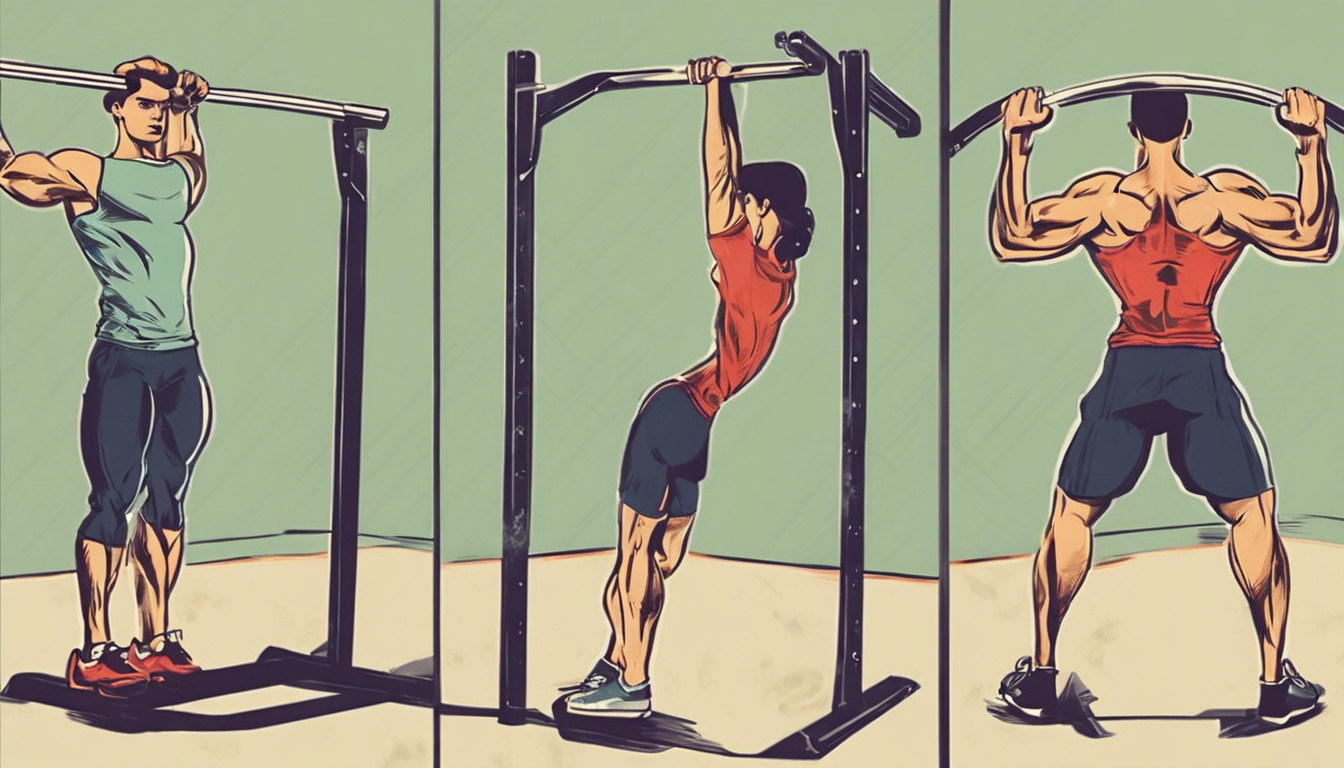
| Over-the-Door Pull-Up Bars | Very compact, inexpensive, good for upper body strength. | High Safety Risk: Not designed for stability; can be unstable; requires significant upper body strength. | Seniors with excellent upper body strength and no balance issues. Not recommended for stability training. |
| Multi-Gym Stations with Bars | Maximum versatility for strength, cardio, and physical therapy. | Large footprint, higher cost, can be intimidating. | Seniors with dedicated space and a commitment to a varied fitness routine, often under guidance. |
| Parallel Bars (Rehab Bars) | Ideal for gait training, sit-to-stand practice, and building leg strength. | Very specific use case, not versatile for full-body workouts. | Post-rehabilitation or those with significant mobility challenges. |
Making Your Final Decision: A Step-by-Step Checklist
Use this actionable list before you buy.
- Measure your available floor space accurately.
- Confirm your body weight and ensure the product’s capacity has a significant safety margin.
- Check the height adjustment range to confirm it will fit your stature.
- Read customer reviews, specifically searching for comments on “stability,” “wobble,” and “durability.”
- If possible, consult with a physical therapist for a model recommendation.
- Ensure assembly is straightforward or that professional assembly is an option.
Frequently Asked Questions About Comparing Senior Fitness Bar Models
What is the safest type of fitness bar for a senior with balance issues?
A standard stability bar with a wide, rectangular base and non-slip feet is the safest choice. It is specifically designed to provide a stable anchor point during balance exercises and should not tip or shift.
Can I use a walker as a fitness bar?
No, this is not safe. Walkers are designed for mobility and have wheels and lightweight frames. They are not engineered to handle the lateral forces and dynamic weight shifts of exercise and can easily tip or roll, causing a serious fall.
How much should I expect to spend on a quality model?
A well-built, safe, and stable fitness bar from a reputable brand typically ranges from $80 to $200. Be very cautious of models significantly cheaper than this, as they often compromise on material quality and base stability.
Are there any exercises I should avoid doing with a senior fitness bar?
Yes. Avoid any explosive or jerky movements, jumping, or “kipping” motions. Do not hang from a stability bar unless the manufacturer explicitly states it is rated for dynamic pull-ups. The bar is for controlled, deliberate movements where it is used for balance and support, not for high-impact gymnastics.
What is a feature most people don’t think about but is very important?
Most people overlook the floor surface the bar will be used on. A bar that is perfectly stable on a low-pile carpet might be less stable on a thick, plush rug. Some models have adjustable feet to compensate for slightly uneven floors, which is a valuable feature often missed in initial comparisons.