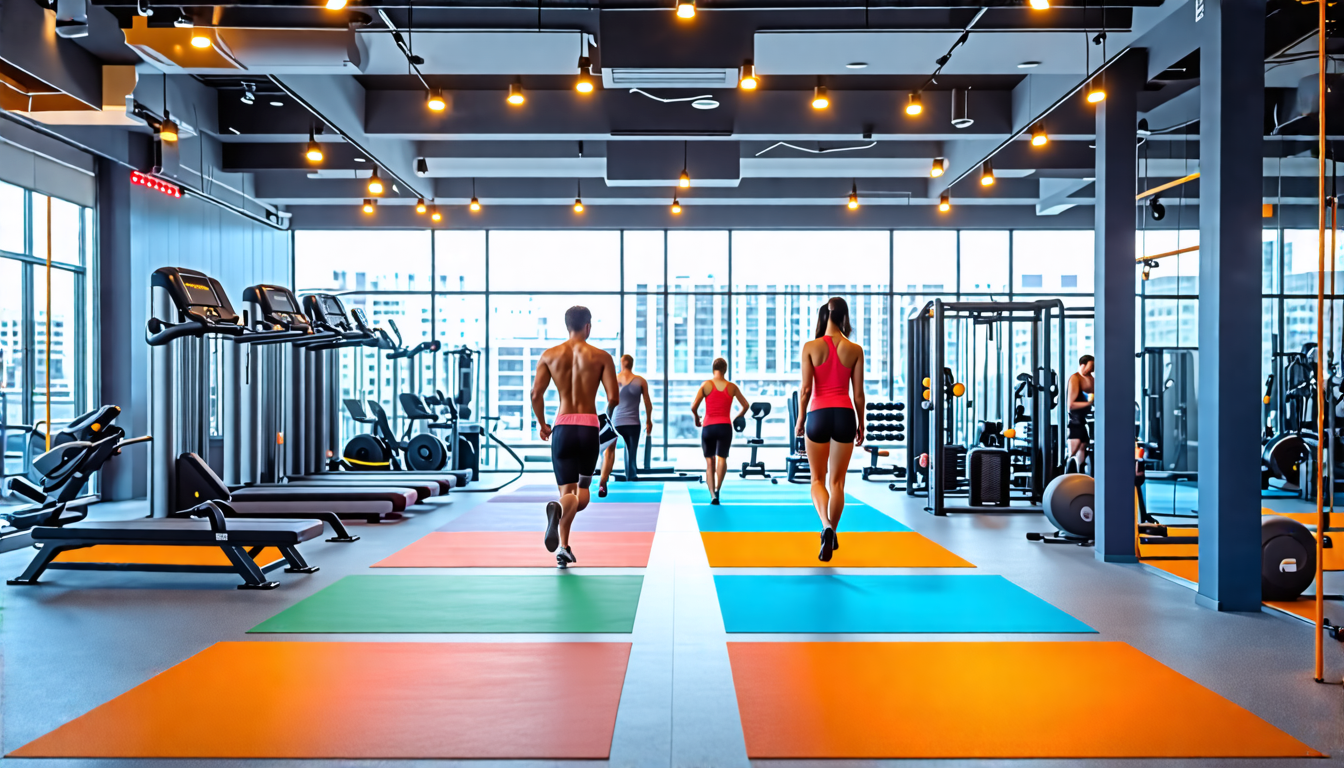
Why Establishing Safe Workout Zones is Non-Negotiable for Every Fitness Enthusiast
The Hidden Dangers of an Unprepared Workout Space
An unprepared workout area is a breeding ground for accidents and inefficiencies. Common pain points include:
- Risk of injury: Tripping over clutter, slipping on uneven surfaces, or colliding with furniture can lead to sprains, fractures, or worse.
- Inefficient workouts: Constant interruptions to move items or adjust space break your focus, reducing the effectiveness of your session.
- Property damage: Weights can dent floors, and equipment can scuff walls, leading to costly repairs.
The Overlooked Psychological Benefit of a Dedicated Space
A defined workout area signals to your brain that it’s time to exercise, enhancing mental focus and commitment. This psychological priming can improve performance and make your fitness routine more consistent.
Your Step-by-Step Guide to Establishing Safe Workout Zones
Step 1: Choosing and Preparing Your Location
Selecting the right spot is crucial. Compare common options:
| Location | Pros | Cons |
|---|---|---|
| Spare Room | Permanent, private, minimal interference | May require significant setup; limited space in some homes |
| Living Room Corner | Convenient, often spacious | Shared space; need to set up and break down each time |
| Garage | Spacious, separate from living areas | May lack climate control; potential for dust and clutter |
Perform the “Clearance Test”: Extend your arms and legs in all directions to ensure you won’t hit walls, furniture, or other objects during exercises.
Step 2: Selecting the Right Flooring and Surface
Proper flooring protects both your joints and your home. Consider these options:
| Flooring Type | Best For | Considerations |
|---|---|---|
| Interlocking Foam Tiles | High-impact activities, weightlifting | Excellent shock absorption; easy to install and customize |
| Rubber Mats | Heavy equipment, durability | Superior durability and slip resistance; heavier and more expensive |
| Foldable Exercise Mats | Yoga, Pilates, small spaces | Portable and easy to store; less protection for high-impact or heavy weights |
Step 3: Strategically Organizing Your Equipment
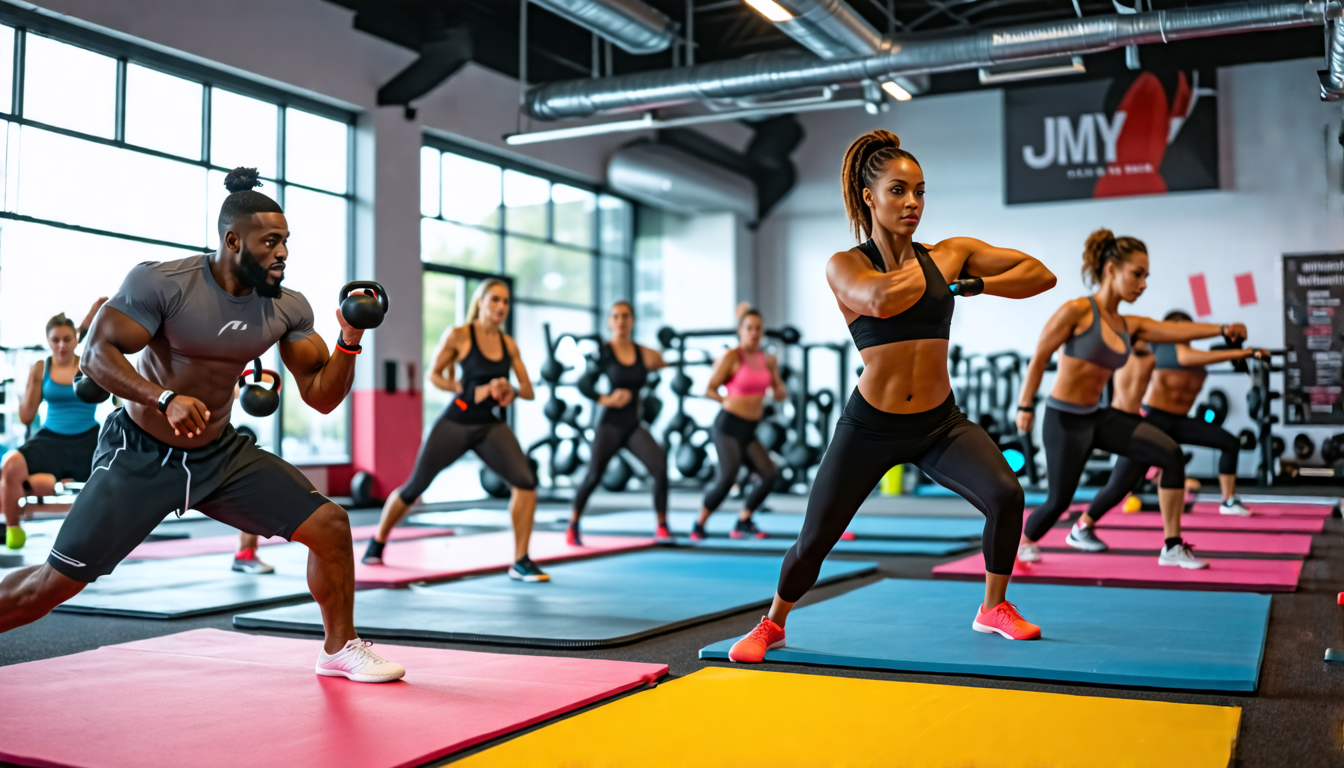
Apply the “Triangle Rule”: Position your primary equipment (e.g., mat, weights, water bottle) in a triangular layout within easy reach to minimize movement and maintain focus. This prevents trips and falls from scattered gear.
Step 4: Implementing Essential Safety Checks
Conduct a “Pre-Workout Walkthrough”: A 30-second inspection to check for hazards like loose cords, wet floors, or unstable equipment. Also, ensure proper ventilation and lighting to avoid dizziness and eye strain.
Pro Tips: Taking Your Safe Workout Zone to the Next Level
The Mirror Myth: When It Helps and When It Hinders Safety
While mirrors are great for checking form during strength training, they can be distracting during dynamic movements like burpees or kettlebell swings, potentially causing loss of balance. Use mirrors strategically—place them in strength zones but keep high-movement areas clear.
Creating a “No-Go Zone” for Children and Pets
Use baby gates, portable playpens, or visual markers to define boundaries. Store small equipment out of reach and educate family members about the dangers of entering the workout area during sessions.
Frequently Asked Questions About Establishing Safe Workout Zones
How much space do I really need for a basic home gym?
A minimum of 6×6 feet is sufficient for bodyweight exercises and yoga. For equipment like a bench or barbell, aim for at least 8×8 feet to ensure safe movement.
What is the single most important element for safety?
Consistent, unobstructed floor space. A clear floor prevents the most common injuries, such as trips and falls, more effectively than any specific equipment.
Can I effectively establish a safe workout zone in a very small apartment?
Yes! Focus on a “roll-out” zone: use a non-slip mat that you unroll for workouts and store away afterward, ensuring the area is completely clear before starting.
How often should I re-evaluate my workout zone for safety?
Perform a quick visual check before every session and a thorough inspection monthly to assess mat wear, equipment integrity, and overall setup.
By following this guide, you are not just organizing a space; you are Establishing Safe Workout Zones that protect your body, enhance your performance, and build a sustainable fitness habit.