The Vision of Peak Performance
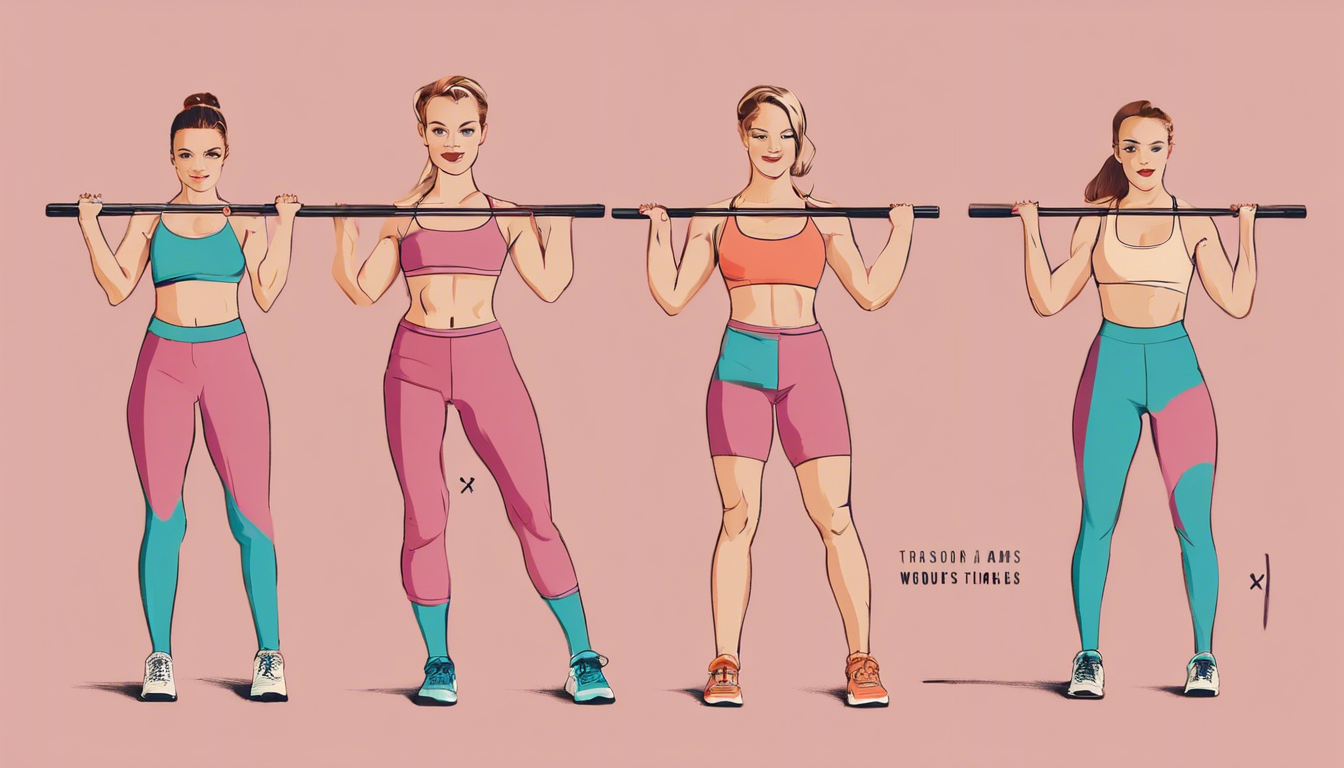
Imagine a workout that forges elite-level strength, explosive power, and metabolic fire in half the time. Imagine moving with the control of a gymnast and the raw power of an athlete, your heart pounding as you command a simple bar through space. This isn’t just exercise; it’s engineered physical transformation. The key to unlocking this brutal efficiency lies in merging the timeless principles of strength training with the precise science of metabolic conditioning. Mastering High-Intensity Interval Training (HIIT) with Bars is the foundational system for achieving superior, time-efficient results, creating an athlete forged from structural resilience and cardiovascular prowess.
Foundational Choices: Your Bar Hardware
Your bar is not just equipment; it’s your platform and your primary training partner. The right choice transforms any space into a personal athletic arena, setting the stage for every interval to come.
Selection and Sizing: Defining Your Arena
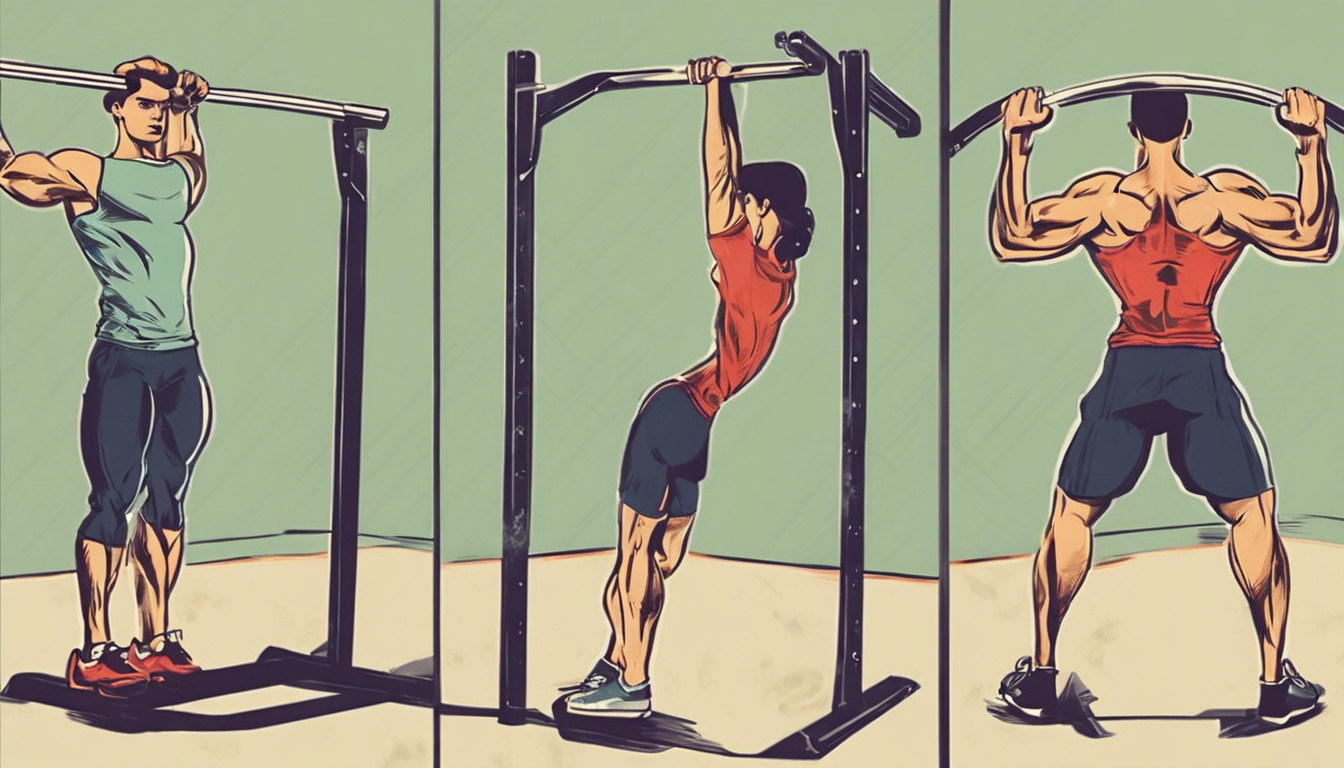
Your first decision dictates your entire training ecosystem. A Power Rack or Squat Stands provide ultimate safety for heavy, solo barbell work but demand significant floor space. A Wall-Mounted Pull-Up Rig offers unparalleled versatility for bodyweight circuits and gymnastics movements in a compact footprint. For the purist focused on raw pulling power, a standalone Fixed Pull-Up Bar is a minimalist’s dream. Define your primary focus: is it maximal strength development with a barbell, or metabolic conditioning fueled by bodyweight and kettlebells? Your bar choice must serve that master.
Location and Setup: Engineering Your Workout Zone
Safety and movement flow are non-negotiable. Establish a clear “Workout Zone” with a minimum 360-degree clearance around your bar apparatus. For a pull-up bar, this means space for kipping; for a barbell, room for failed lifts. Your flooring is your foundation. Invest in rubber stall mats or dedicated gym flooring—they protect your equipment, dampen sound, and provide the critical traction needed for explosive, high-power movements under fatigue.
Material and Components: Building Your Toolkit
The bar itself is just the beginning. The true potential of Bar HIIT is unlocked through strategic attachments that expand your exercise library exponentially. Choose components that align with your goals for power, instability, or metabolic conditioning.
| Component Category | Primary Options | Key Characteristics & HIIT Application |
|---|---|---|
| Bar Type | Olympic Barbell, Fixed Pull-Up Bar, Multi-Grip Station |
|
| Attachment Options | Gymnastics Rings, Suspension Trainer, Resistance Bands |
|
The Core System: Structuring Your HIIT Protocol
HIIT with Bars is a precise science of controlled stress and strategic recovery. You are not just working out; you are programming a physiological response. Master these three variables to dictate your results.
The Work Interval: The Controlled Sprint
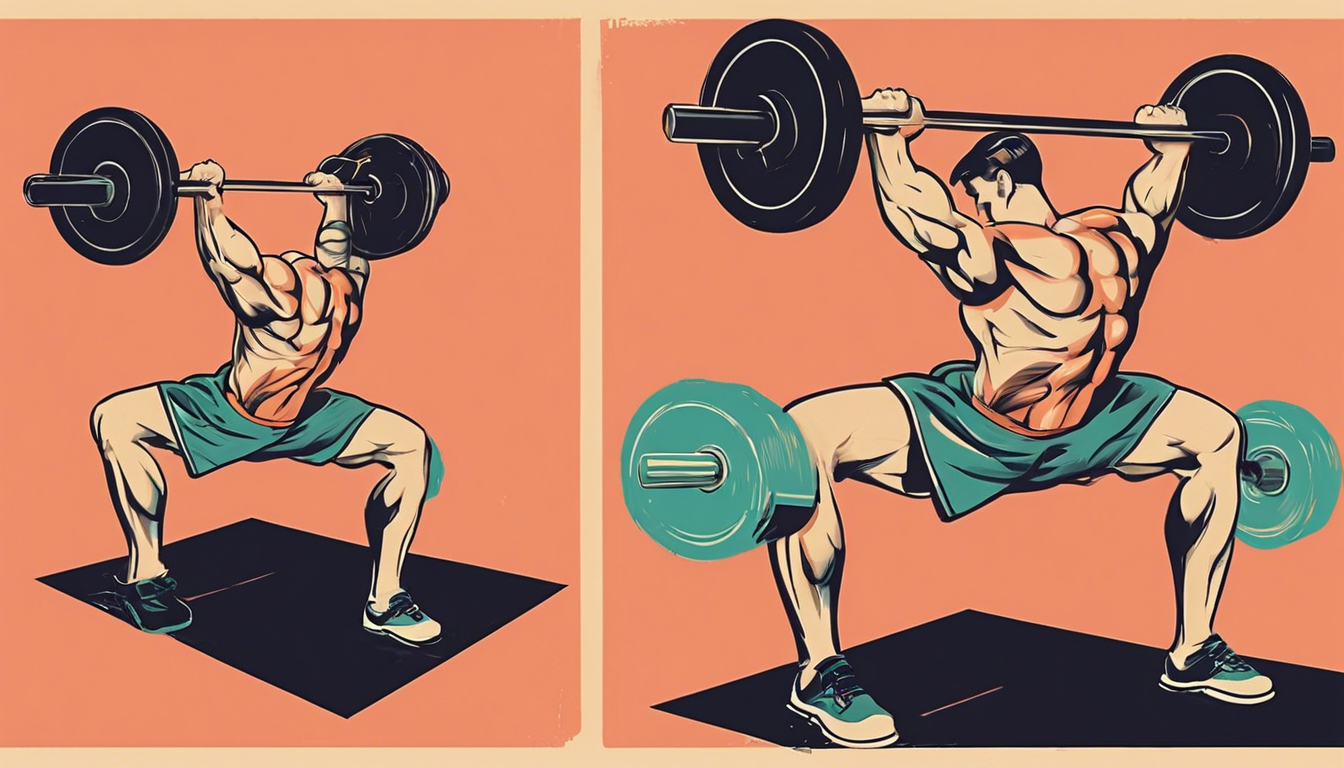
This is where the work is done. Duration typically falls between 20 seconds (true all-out effort) and 60 seconds (sustainable high intensity). Your Exercise Selection here is critical: pair a heavy, compound barbell movement like a Power Clean (for neural power) with a bodyweight metabolic exercise like Bar-Facing Burpees. The former builds strength, the latter ignites your engine. Define your intensity as “All-Out” (maximal power, possible only for short bursts) or “Sustainable Max” (a pace you can just barely hold for the interval).
The Rest Interval: The Strategic Reset
Rest is not passive; it’s an active variable in the equation. Active Rest (light jogging, walking, easy mobility) helps clear metabolic byproducts and keeps heart rate elevated for a different training effect. Passive Rest (complete rest) is necessary for true recovery when the work interval is supremely heavy or powerful. The Work-to-Rest Ratio (e.g., 1:1, 2:1) dictates the primary stressor: shorter rests (1:1 or less) bias toward metabolic conditioning; longer rests (2:1 or more) allow for higher power output in each work bout.
The Control Panel: Governing the Clock
Your most important tool is a simple interval timer. Set it, obey it, and let it remove guesswork. The fundamental rule: The shorter the work burst, the higher the intensity must be. A 20-second sprint demands maximal effort; a 45-second grind requires paced tenacity.
Advanced Practices: The Art of the Bar HIIT Circuit
With your hardware chosen and your intervals set, the art begins. This is where programming transforms protocol into peak performance.
Preparation: The Dynamic Warm-Up Mandate
Never approach a cold bar with high intensity. Your warm-up must be dynamic and specific. Prioritize shoulder integrity (banded pull-aparts, scapular hangs), hip mobility (spiderman lunge with rotation, leg swings), and spinal preparation (cat-cows, dead bugs). Spend 8-10 minutes elevating core temperature and rehearsing the movement patterns of your upcoming circuit.
Exercise Programming: Crafting the Perfect Storm
A masterful Bar HIIT circuit balances opposing forces. Structure a 4-exercise circuit with complementary movements: 1) A Vertical Push (Barbell Push Press), 2) A Horizontal Pull (Suspension Trainer Rows), 3) A Lower Body Power move (Kettlebell Swings), 4) A Core & Metabolic element (Knees-to-Elbows). Run this on a 40-second work, 20-second rest interval for 4 rounds. The variety prevents localized fatigue and creates a systemic storm.
Progressive Overload in a HIIT Context
Progress is not just adding weight to the bar. In Bar HIIT, you increase density: completing more work in the same time frame. Achieve this by: 1) Shortening rest intervals by 5 seconds, 2) Adding one more round to the circuit, 3) Switching to a more challenging variation (from kipping to strict pull-ups, from goblet squats to front squats) within the same work window.
Threat Management: Injury Prevention and Form Preservation
Intensity is an asset; recklessness is a liability. The primary threat in Bar HIIT is technical breakdown under fatigue, which leads directly to injury. Adopt a proactive, disciplined stance.
Prevention: The Technique-Over-Speed Doctrine
Your first and best defense is an unwavering commitment to form. Before adding speed or load, achieve technical mastery at a slow tempo. Implement a simple movement screening for major lifts: can you perform a perfect hollow body position? Can you deadlift with a neutral spine? If not, address those limitations before they are exposed by high-intensity intervals.
Intervention: The Tiered Response to Breakdown
When fatigue sets in, form degrades. Your ability to identify and act on this is critical. Form breakdown is your red flag. Implement this tiered response immediately: 1) Stop the Set. Do not complete the rep. 2) Regress the Exercise. Switch from a Barbell Thruster to a Dumbbell Thruster, or from a Pull-Up to a Ring Row. 3) Address the Limitation Post-Workout. The cool-down is the time to mobilize tight shoulders or strengthen a weak core—not the final seconds of a work interval.
The Action Plan: A 4-Week HIIT with Bars Progression
Knowledge without application is theory. Follow this phased roadmap to translate principle into practice, building competence and intensity systematically.
| Training Phase | Primary Tasks & Protocols | Strategic Focus |
|---|---|---|
| Foundation (Weeks 1-2) |
|
Establishing robust neural pathways for major movements. Building familiarity with the interval format without significant external load. The goal is competency, not intensity. |
| Intensity & Integration (Weeks 3-4) |
|
Increasing power output and metabolic demand within the structured intervals. Learning to maintain technical integrity under systemic fatigue. Bridging the gap between strength and conditioning. |
The Forged Athlete
True, resilient fitness is the seamless balance of raw strength and relentless stamina—a balance perfectly captured and forged in the fire of High-Intensity Interval Training with Bars. This journey begins with the deliberate choice of your steel foundation and progresses to the masterful command of the clock and your own physiology. It culminates in the unparalleled satisfaction of a tool-mastered, time-efficient practice. You are no longer just working out; you are engineering a body that is powerful, capable, and resilient. You have moved beyond exercise into the realm of physical artistry, where every interval is a stroke of precision, and every completed circuit forges a stronger, more capable version of yourself.