The Vision of Sustained Vitality
Imagine effortlessly rising from your favorite chair, carrying groceries with ease, and enjoying walks, gardening, or playing with grandchildren with unwavering confidence. This vision of active aging is not a distant dream; it is a tangible reality built on functional strength. For seniors, a home fitness bar is far more than a piece of equipment—it is the foundational key to building the strength that safeguards balance, fortifies bones, and fosters lasting independence.
Foundational Choices: Selecting Your Safe & Supportive Bar
Your first decision sets the stage for all future success. The right bar must prioritize safety, align with your mobility, and integrate seamlessly into your living space, transforming it into a personal strength sanctuary.
Part A: Type & Configuration
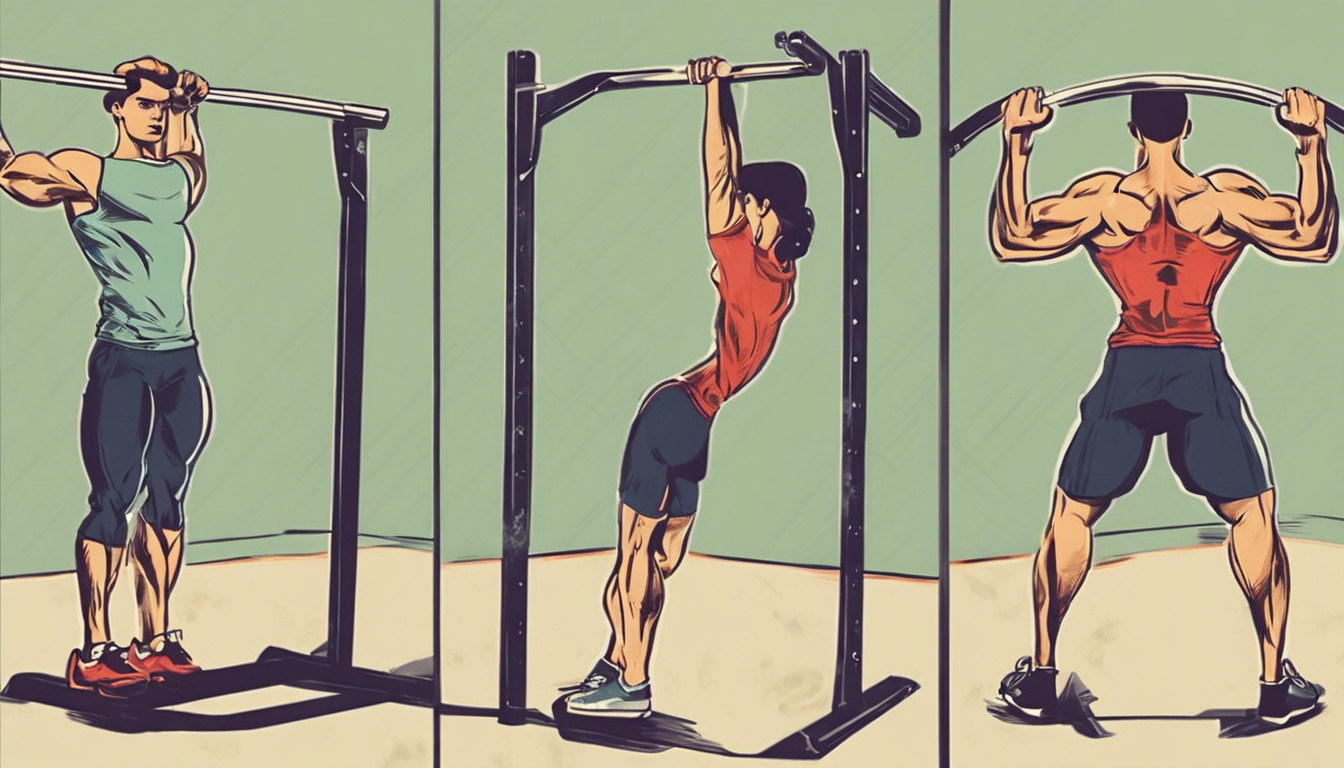
- Wall-Mounted Pull-Up Bars: The gold standard for stability. Once securely installed into wall studs, they offer a rigid, unwavering anchor. Ideal for those with dedicated wall space and who seek the most secure option for assisted movements.
- Doorway Pull-Up Bars: Offer convenience and portability with no permanent installation. Critical Check: Must fit your doorframe snugly and be rated for your body weight plus movement force. Best for lighter support and pull exercises, not heavy leaning.
- Free-Standing Power Towers/Cages: These are comprehensive stations, often including pull-up, dip, and leg raise stations. They provide exceptional versatility but require significant floor space and a higher investment.
- Stabilizer or Safety Bars: Often sold in pairs and adjustable in height. Perfect for flanking during squats or standing exercises, offering two points of contact for superior balance support and building confidence in movement.
Part B: Safety & Accessibility Features
- Bar Diameter & Grip: Opt for a bar diameter that allows your fingers to wrap around comfortably without straining. A diameter of 1 to 1.25 inches is often ideal. Look for padded or neoprene coatings to reduce stress on arthritic joints and improve grip security.
- Weight Capacity & Stability: This is non-negotiable. The bar must be rated for at least 50-100% more than your body weight to account for dynamic movement. For free-standing units, a wide, weighted base is essential to prevent tipping.
- Height Adjustability: A critical feature for tailoring exercises to your current range of motion. Being able to set the bar at the exact height for supported squats or assisted rows ensures proper form and prevents over-extension.
Part C: Material & Mounting Comparison
| Component | Options | Key Characteristics for Seniors |
|---|---|---|
| Frame Material | Steel | Neoprene/Cushioned Coating | Steel provides essential durability and rigidity. A cushioned coating dramatically improves grip comfort, reduces hand fatigue, and minimizes joint pressure. |
| Mounting System | Screw-in (Permanent) | Pressure-mounted (Temporary) | Screw-in mounting into wall studs offers maximum stability and peace of mind. Pressure-mounted systems allow for removal but must be checked for tightness before every single use to prevent slippage. |
| Key Accessories | Grip Pads | Resistance Bands | Padded grips are highly recommended for comfort. Resistance bands are transformative; they attach to the bar to provide lift assistance, making exercises like pull-ups achievable and allowing for precise, progressive strength building. |
The Core System: Exercise Principles & Control
Mastering your home fitness bar is about managing three critical variables: your range of motion, the load on your body, and your stability. Control these, and you build strength safely and effectively.
Control Variable 1: Range of Motion
Ideal Target: A pain-free, controlled arc of movement that feels strong and stable.
Consequence of Error: Pushing into a painful range risks tendon strain or joint irritation.
Control Method: Use the bar as a tool to support a safe range. For a squat, only lower as far as you can while maintaining a neutral spine and keeping heels down. The bar is there to guide and assist, not to force a deeper movement.
Control Variable 2: Load & Assistance
Ideal Target: Using your body weight as a tool, not a burden. The exercise should be challenging but never overwhelming.
Consequence of Error: Overexertion leads to muscle failure, which can result in a sudden loss of support and a fall.
Control Method: Intelligently modulate the load. For a vertical pull, use a heavy resistance band looped over the bar to offset a large percentage of your weight. For a row, keep your feet firmly on the floor and adjust your body angle to make the movement easier or harder.
Control Variable 3: Balance & Stability
Ideal Target: The bar serves as a fixed, reliable point of reference in space, enhancing your body’s awareness.
Consequence of Error: Leaning too heavily or losing a secure grip can lead to wobbling, a loss of confidence, and increased fall risk.
Control Method: Start with exercises where the bar aids balance. Practice assisted squats by standing beside the bar, using one or two hands lightly for touch guidance. This builds proprioception before progressing to full-weight-supported movements.
Advanced Practices: The Exercise Cultivation
With your safe foundation and control principles in place, you cultivate strength by strategically selecting and progressing your movements.
Foundational Movements (The “Seedlings”)
- Assisted Squats: The cornerstone for leg strength and rising from a chair. Face the bar, hold with both hands, and lower with control.
- Supported Rows: Essential for pulling strength and posture. Sit or stand, lean back with arms straight, and pull your chest toward the bar.
- Vertical Pulls (Band-Assisted): Attach a strong resistance band. Kneel or stand in the band, grip the bar, and use your back muscles to pull up.
- Standing Push-Ups: Perfect for upper body pushing strength. Stand an arm’s length from the bar, grip it, and lean your body forward, then push back.
Progressive Inputs (The “Feeding Schedule”)
Progress slowly and methodically. After 2-3 weeks of consistent, easy practice:
- Reduce the tension of your assistance band by one level.
- Add one or two more repetitions to each set, but never to failure.
- Incorporate a 3-5 second isometric hold at the midpoint of a movement, like pausing at the bottom of a squat.
Exercise Selection & Strategy
Focus on the four fundamental human movement patterns each week: a Push (Standing Push-Up), a Pull (Supported Row), a Squat (Assisted Squat), and a Hinge (assisted by holding the bar for balance). Perform this circuit 2-3 times per week with at least one day of rest between sessions. Consistency with perfect form trumps intensity every time.
Threat Management: Safety & Injury Prevention
A proactive mindset is your best defense, turning your fitness space into a zone of secure progress.
Proactive Prevention
- Daily Equipment Check: Before use, test the stability of your bar. Wiggle it. Ensure all knobs, screws, or pressure mounts are secure.
- Environment: Maintain a clear, non-slip floor space of at least 4×6 feet around the bar. Wear secure, flat-soled shoes.
- Movement Prep: Never start cold. Perform 5-10 minutes of gentle warm-up: marching in place, arm circles, and torso twists. Conclude each session with gentle stretching.
Reactive Intervention
Identifying Pain vs. Discomfort: Discomfort is muscular fatigue; sharp, shooting, or joint-specific pain is a warning sign.
Tiered Response Plan:
- Stop the exercise immediately if pain occurs.
- Rest for 2-3 days, applying ice if there’s acute discomfort.
- Modify the exercise upon return—use more assistance, reduce range of motion, or try a different movement.
- Consult a physical therapist or your doctor if pain persists or you are unsure about an exercise’s suitability for your specific health profile.
The Action Plan: A 4-Week Starter Calendar
| Phase | Primary Tasks | What to Focus On |
|---|---|---|
| Week 1-2: Setup & Familiarization | Assemble/install your bar in a safe location. Practice different grips. Perform balance holds. Execute 1-2 sets of 5-8 reps for Assisted Squats and Supported Rows with high assistance (e.g., very light band or shallow lean). | Building neural familiarity and confidence. Learning what proper, pain-free form feels like. Establishing the habit of your pre-session safety check. |
| Week 3-4: Establishing Routine | Complete a simple full-body circuit twice a week: Assisted Squats (8 reps), Supported Rows (8 reps), Standing Push-Ups (8 reps). Rest 60 seconds between exercises. Add a 5-minute warm-up and cool-down. | Creating consistency. Focusing on smooth, controlled movement throughout each repetition. Noting how the movements begin to feel easier, signaling initial adaptations. |
The Transformation to Confident Independence
This journey, guided by the principles of safe progression and intelligent movement, leads to a profound transformation. It begins with the deliberate choice of a supportive home fitness bar for seniors and blossoms into a cultivated practice of strength. The true reward is found in the moments this strength enables: the confidence in your step, the power in your posture, and the joyful freedom to engage fully in the life you love. Your home fitness bar is more than equipment; it is the steadfast partner in building a resilient, independent, and vibrant future.