How Can I Protect My Hands While Using a Fitness Bar? The Complete Guide to Grip Mastery
Imagine pushing through your final, game-changing rep without the sharp sting of torn skin or the limiting ache of blisters. Your hands are your primary connection to the bar—the conduit for all your strength. Neglecting them is the single greatest barrier to consistency and progress. Learning how to protect your hands while using a fitness bar is not about coddling; it’s the foundational skill for unlocking relentless training, superior performance, and long-term strength gains.
Foundational Choices: The “Hardware” of Hand Protection
Your first line of defense is the gear and knowledge you choose before you even touch the bar. This is the hardware of your grip system.
Selection and Sizing: Grips, Gloves, and Chalk
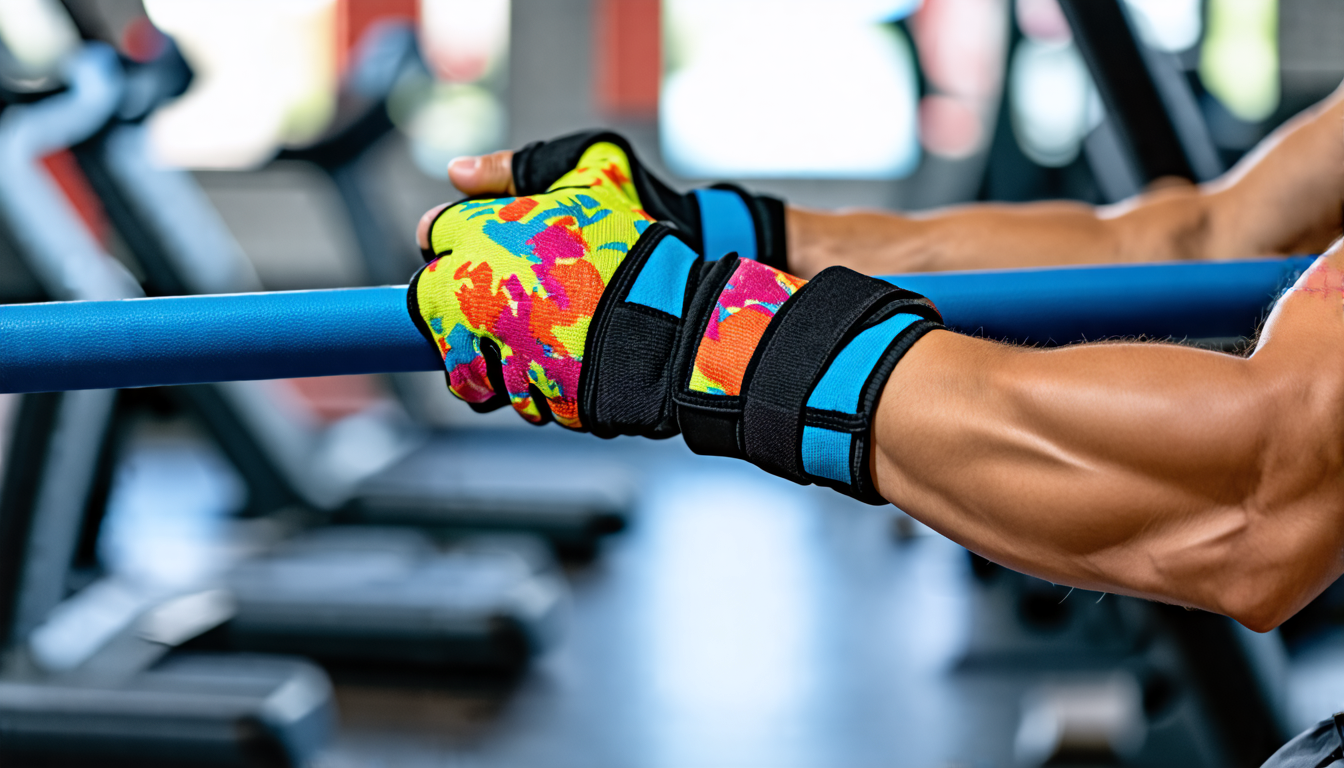
Gymnastics Grips vs. Lifting Gloves: Grips are your specialist tool for high-volume bar work like pull-ups, muscle-ups, and toes-to-bar, protecting the specific palm area prone to ripping. Lifting gloves offer general padding for barbell and dumbbell work but can diminish bar feel and are often counterproductive for dynamic bar movements.
Chalk (Liquid & Block): This is non-negotiable. Chalk absorbs sweat, maximizes friction, and is the most direct way to prevent the slippage that causes blisters and tears. Liquid chalk offers less mess; block chalk provides a more traditional, adjustable application.
Grip Sizing and Fit: Ill-fitting gear creates its own problems. Gloves that are too tight restrict blood flow; grips with poorly aligned holes or straps can create pressure points. Always prioritize a precise, secure fit over simple coverage.
Pre-Touch Preparation: The Ritual
Protection begins before your workout. Manage calluses weekly by filing them down when soft (post-shower) to prevent them from becoming large and prone to tearing. Never cut them. Furthermore, wipe down the bar with a dry cloth to remove old chalk and moisture—a clean interface is a safe interface.
| Component | Options | Key Characteristics |
|---|---|---|
| Hand Protection | Barehand, Chalk, Gloves, Grips |
|
| Bar Interface | Knurling (Aggressive, Moderate, Smooth) |
|
The Core System: Technique as the Ultimate Protector
The right gear is useless without the right technique. This is the active management of force on your skin—the software that runs your hardware.
The Masterful Grip: How to Hold the Bar
Avoid the “death grip” that white-knuckles the bar, straining joints and pinching skin. For pull-ups and hangs, set the bar in the fingers/palm junction, not deep in the palm. This creates a stable “hook” and prevents the bar from rolling and shearing skin. Learn the False Grip (thumb over the bar, wrist flexed) for muscle-up transitions; it distributes pressure differently and is a specific skill to develop.
The Art of the Hang and Pull
Pressure distribution is key. When you hang, actively pull your shoulders down and back to engage your lats. This takes tension off your hands and forearms, placing the load on the larger, more resilient muscles of your back. Your hands become connectors, not the primary load-bearers.
The Controlled Descent
Dropping from the bar is a primary cause of rips. The sudden release creates a shearing force that tears calluses. Always lower yourself with control, especially on the last rep. This eccentric control is not only safer for your hands but also builds more strength.
Advanced Practices: Cultivating Resilient Hands
Shift your focus from mere protection to building lasting, durable hands capable of withstanding any workload.
Callus Management: Your Built-In Armor
Healthy calluses are flat, smooth, and integrated with the skin. Maintain them by soaking your hands in warm water, then gently filing them down with a pumice stone or callus file. Follow this with a nutrient-rich balm or salve (containing beeswax, shea butter, or lanolin) to keep the skin pliable. Never shave or cut calluses with a blade, as this leads to deep, painful tears.
Recovery and Rehabilitation
Post-workout, wash your hands with mild soap to remove chalk and sweat. Inspect for hot spots or minor abrasions. Apply a healing balm overnight. If you suffer a tear, clean it immediately, apply an antibiotic ointment, and protect it with a hydrocolloid bandage or a dedicated “rip guard” pad. Train around it by focusing on lower-body or non-grip-intensive movements for a day or two.
Strategic Training
Build hand resilience progressively. Incorporate dedicated grip work like dead hangs (for time) and farmer’s carries into your routine. This strengthens the tendons, ligaments, and skin gradually. Increase your pull-up or bar-work volume by no more than 10-15% per week to allow your hands to adapt.
Threat Management: Problem Prevention and Solution
Adopt a proactive stance against the most common hand injuries. Your daily discipline is your best defense.
Prevention: The Daily Discipline
Your pre- and post-workout hand care ritual is non-negotiable. Keep your calluses filed, your chalk dry, and your bar clean. Regularly brush out the knurling of your bars to remove packed chalk and moisture that can degrade the metal and your skin.
Intervention: The Tiered Response Plan
Identification Guide:
- Hot Spot: A red, tender, inflamed area. A warning sign.
- Blister: A fluid-filled pocket under the skin.
- Full Tear (Rip): A flap of skin has separated, often exposing raw dermis.
Response Plan:
- Tier 1 (Hot Spot): Apply chalk generously, consciously adjust your grip, and file the area post-workout. Consider taping for the remainder of the session.
- Tier 2 (Blister): If large and obstructive, sterilize a needle and drain it from the side, leaving the skin roof intact for protection. Cover with a bandage and grip. Never peel the skin.
- Tier 3 (Full Tear): Stop training on the bar immediately. Clean with antiseptic, apply antibiotic ointment, and cover with a protective pad. Use athletic tape to secure it. Avoid direct bar contact until a new layer of skin has formed.
| Phase | Primary Tasks | What to Focus On |
|---|---|---|
| Pre-Workout | File protruding calluses, apply liquid or block chalk, inspect and clean the bar. | Preparation & Prevention. Creating the optimal, dry interface. |
| During Workout | Re-chalk as needed, maintain controlled grip and descent, immediately heed “hot spot” warnings. | Technique & Awareness. Actively managing force and friction. |
| Post-Workout | Wash hands thoroughly, inspect for damage, apply healing salve or moisturizer. | Recovery & Assessment. Initiating repair and learning for next time. |
| Weekly Maintenance | Deep callus filing session, check gear for wear/tear, wash grips or gloves. | Long-Term Durability. System upkeep for sustained performance. |
Mastering hand protection is mastering the art of consistent, intelligent training. This journey—from selecting the right gear and honing flawless technique to cultivating resilient, durable skin—transforms your relationship with the bar. The ultimate reward is not just saved skin, but the unparalleled confidence of knowing your hands will never be the weak link. You are now free to chase strength without limit, transforming your fitness bar from a source of pain into a tool of pure power. This mastery enriches your entire practice, turning effort into joy and discipline into undeniable progress.