The Vision of a Home Gym, Simplified
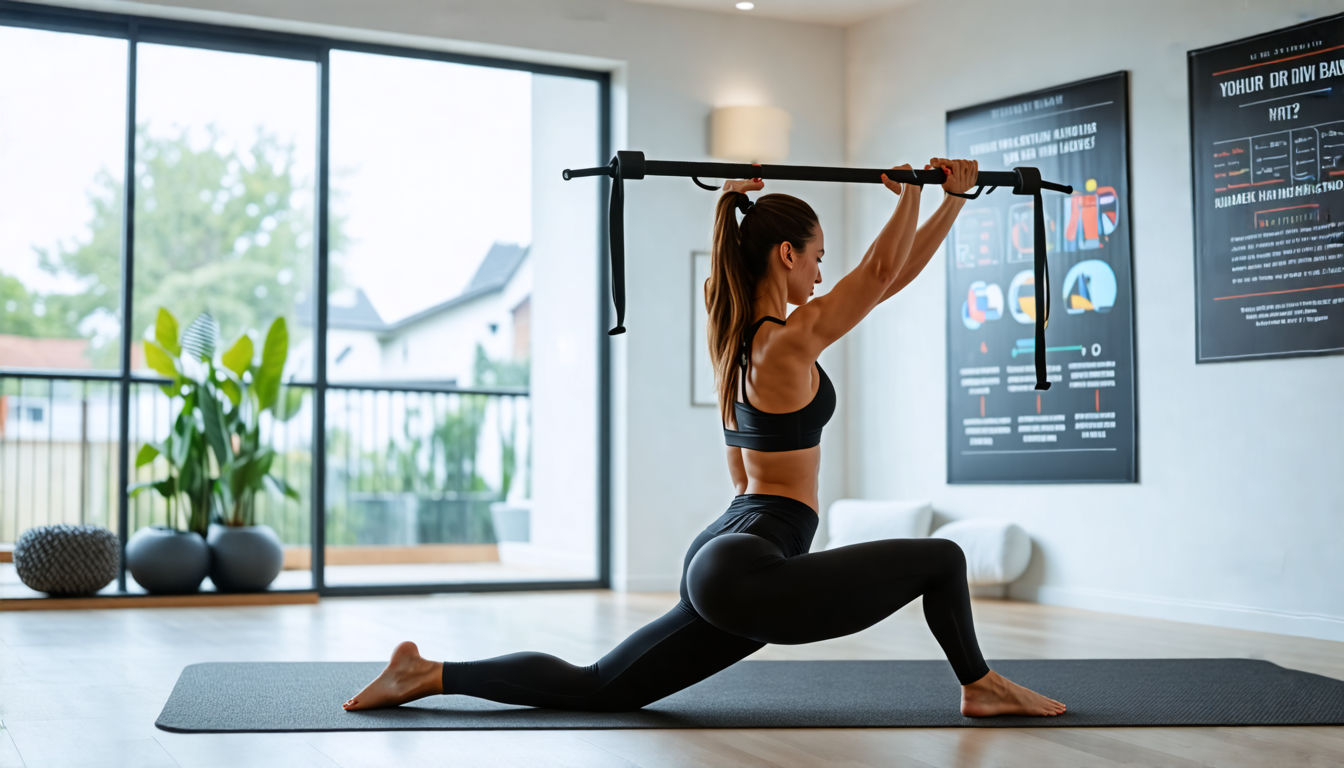
Imagine transforming any doorway into a personal strength station—no bulky equipment, no dedicated room, just pure, accessible fitness. The door-frame pull-up bar makes this possible, but its promise hinges on one critical, non-negotiable factor: safety. Understanding weight limits—for both the user and the structure—is the absolute foundation for unlocking the transformative potential of this versatile tool. Are there any weight limits for door-frame fitness bars? Not only are there limits, but mastering this knowledge is the key to confident, injury-free training.
Foundational Choices: Selecting Your Bar and Assessing Your Door
Your safety and the bar’s performance start with informed hardware choices and a rigorous site inspection. This is where your training future is secured.
Part A: Decoding Bar Types and Their Stated Limits
The type of bar you choose dictates its fundamental relationship with your door frame. The manufacturer’s stated “user weight limit” is your first data point, but it is not the final calculation.
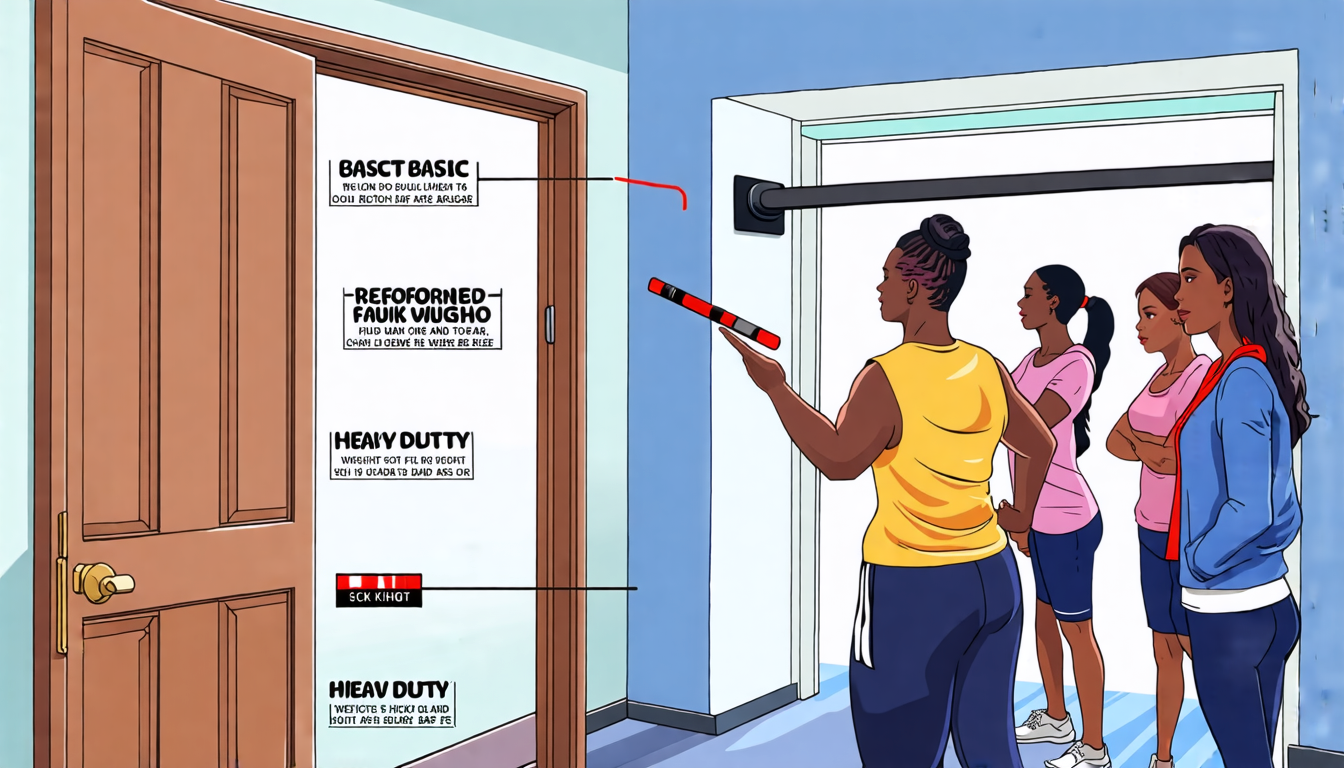
- Pressure-Mounted Bars: Use telescoping tubes and rubberized ends to create friction against the door frame. They are portable and leave no marks. Their stated limits (often 250-300 lbs) are highly dependent on perfect installation and a perfectly sturdy frame.
- Semi-Permanent Screw-In Models: These bars use brackets that screw directly into the door frame or wall studs. They offer a more rigid, fixed connection. Their weight rating is a function of the bracket and screw strength, making them generally more robust for heavy, dynamic use.
Critical Insight: The stated limit is for a static hang. It does not account for the explosive forces of actual training.
Part B: The Critical Inspection: Your Door Frame as a Foundation
The most heavy-duty bar is useless on a weak foundation. Your door frame must pass this inspection.
- Material Assessment: Press on the trim. Solid, old-growth wood or metal casing is ideal. Hollow-core or particle board molding is a major red flag and likely cannot support significant dynamic load.
- Structural Integrity: Look for any hairline cracks in the paint or drywall around the frame, loose molding, or signs of previous repair. These are indicators of weakness.
- The Lintel is Non-Negotiable: You must be mounting the bar into the solid horizontal beam (the lintel or header) above the door, not just into decorative trim. Tap along the top of the frame; a solid, dense sound confirms its presence.
The Core System: Understanding Total Dynamic Load
Forget your body weight. The true metric is Total Dynamic Load—the peak force your bar and frame must withstand during training. This is the heart of safe operation.
The Physics of Force: Why Your Weight Isn’t the Only Factor
When you perform a pull-up, especially a kipping or explosive one, you are not applying your body weight. You are applying your body weight multiplied by acceleration. The moment you pull yourself upward or swing, you dramatically increase the downward force on the bar.
- Static Hang: Force ≈ 1.0 x Body Weight
- Strict Pull-Up: Force ≈ 1.3 – 1.5 x Body Weight
- Kipping Pull-Up or Swing: Force ≈ 1.8 – 2.2+ x Body Weight
The Safety Buffer Principle
This principle is non-negotiable for intelligent training. Your chosen bar must have a manufacturer’s limit that provides a substantial buffer above your body weight to absorb these dynamic multipliers.
The Rule: Select a bar with a stated limit at least 100 pounds greater than your body weight. This buffer is your margin of safety for intense training, gradual frame wear, and absolute peace of mind.
| User Body Weight | Minimum Safe Bar Rating (Strict Training) | Recommended Bar Rating (Dynamic/Kipping Training) |
|---|---|---|
| 180 lbs | 250 lbs | 300+ lbs |
| 220 lbs | 300 lbs | 350+ lbs |
| 250 lbs | 350 lbs | 400+ lbs |
Advanced Practices: Installation and Usage for Longevity
Proper technique extends beyond the exercise to how you set up and interact with the bar. Mastery here turns a piece of equipment into a reliable training partner.
Installation Mastery: Creating a Secure Seal
For pressure-mounted bars, installation is everything. The goal is even, symmetrical pressure.
- Extend the bar so it is slightly wider than the door frame.
- Position the bar so the rubberized pads contact the flat, vertical part of the door frame (not the curved molding), directly on the lintel.
- Twist or press the bar into place until it is level and cannot be rotated by hand. An uneven bar creates a pivot point and a dangerous shear force.
- Perform a weekly re-tightening check. House settling and vibration from use can loosen the bar.
Technique as a Safety Feature
Your movement patterns directly control the forces applied to the system.
- Control the Swing: Avoid wild kipping or leg swings, especially if you are near the upper range of your bar’s capacity. These movements generate lateral shear, the most stressful force for the frame.
- Engage the Core: A tight, braced core stabilizes your body, preventing a pendulum effect that multiplies load.
- Mount & Dismount Gently: Avoid jumping to grab the bar or dropping from it. Control the load on and off.
Threat Management: Problem Prevention and Signs of Failure
Safety is a proactive discipline. You must become a constant inspector of your own equipment.
Prevention: The Pre-Use Checklist
This 30-second ritual precedes every training session:
- Visual Frame Check: Look for new cracks, paint chips, or deformation in the molding.
- Bar Stability Test: Grasp the bar firmly and try to rotate it, pull it down, and shift it side-to-side. There should be zero movement or “give.”
- Auditory Check: Listen for any new creaks or groans during a light, controlled hang.
Intervention: Red Flags and Immediate Actions
Ignore these signs at your peril. Have a tiered response plan ready.
| Red Flag | Probable Cause | Immediate Action |
|---|---|---|
| Audible “crack” or loud “pop” | Frame splitting or internal failure | STOP. Remove the bar immediately. Do not use again until frame is professionally assessed. |
| Visible frame deformation (bending inward) | Sustained overload | STOP. Bar is compromised. Permanent damage likely. Cease all use. |
| Bar slips or rotates during use | Loss of friction; improper installation | Remove and re-install from scratch. If slippage persists, the frame may be too smooth or the bar is inadequate for your weight/force. |
| Gradual, increasing creaking sound | Wood compression or slow failure of materials | Remove bar, inspect pads and frame for wear. Consider upgrading to a screw-in model for a more permanent solution. |
Your Safety-First Protocol
Integrate this calendar into your training lifestyle to ensure your doorway gym remains a bastion of strength, not a point of failure.
| Phase | Primary Tasks | What to Focus On |
|---|---|---|
| Initial Setup & First Use | Verify frame material and lintel; choose bar with 100+ lb buffer; install per manual with perfect leveling; perform static hang test. | Building absolute confidence in the physical foundation. |
| Ongoing Training (Every Session) | Execute the Pre-Use Checklist; maintain controlled, braced technique; avoid explosive swings if training near your bar’s capacity. | Ingraining consistent, safe habits as part of your workout ritual. |
| Monthly Maintenance | Fully remove the bar. Inspect rubber pads for wear and frame for indentations. Clean contact points. Re-install from scratch to ensure maximum tightness. | Preventing the slow, gradual failure you cannot see or feel day-to-day. |
Train with Confidence, Not Concern
The door-frame fitness bar is a testament to efficient, powerful design, but its brilliance is unlocked only through respect for its engineered limits. This journey—from choosing a bar based on the dynamic load buffer, to mastering the minutiae of installation and movement technique—transforms a simple piece of equipment into a cornerstone of your strength. Now, the vision is complete: effortless, safe workouts that truly transform your strength and your space, because you built that success on the solid, unshakable foundation of knowing the weight limits for your door-frame fitness bar. The answer is a definitive yes, and that very knowledge is what grants you the true freedom to train without limits.