How Can I Use a Fitness Bar to Strengthen My Core? The Ultimate Guide to a Powerful Midsection
Imagine moving through your day and workouts with effortless power, stability, and grace—all emanating from a rock-solid core. This isn’t just about aesthetics; it’s about foundational strength that protects your spine, enhances athletic performance, and makes every physical task easier. The most efficient tool to forge this resilient center isn’t a complicated machine; it’s a simple, versatile fitness bar. Mastering its use for core development is the key to building true, functional strength that transforms your fitness from the inside out.
Foundational Choices – Selecting Your Bar
Your bar is your primary lever and load; choosing the right one establishes the foundation for effective, safe core training. This decision dictates the quality of tension you can create.
Part A: Type & Primary Purpose
Not all bars are created equal for core-centric work. Your goal dictates the ideal tool.
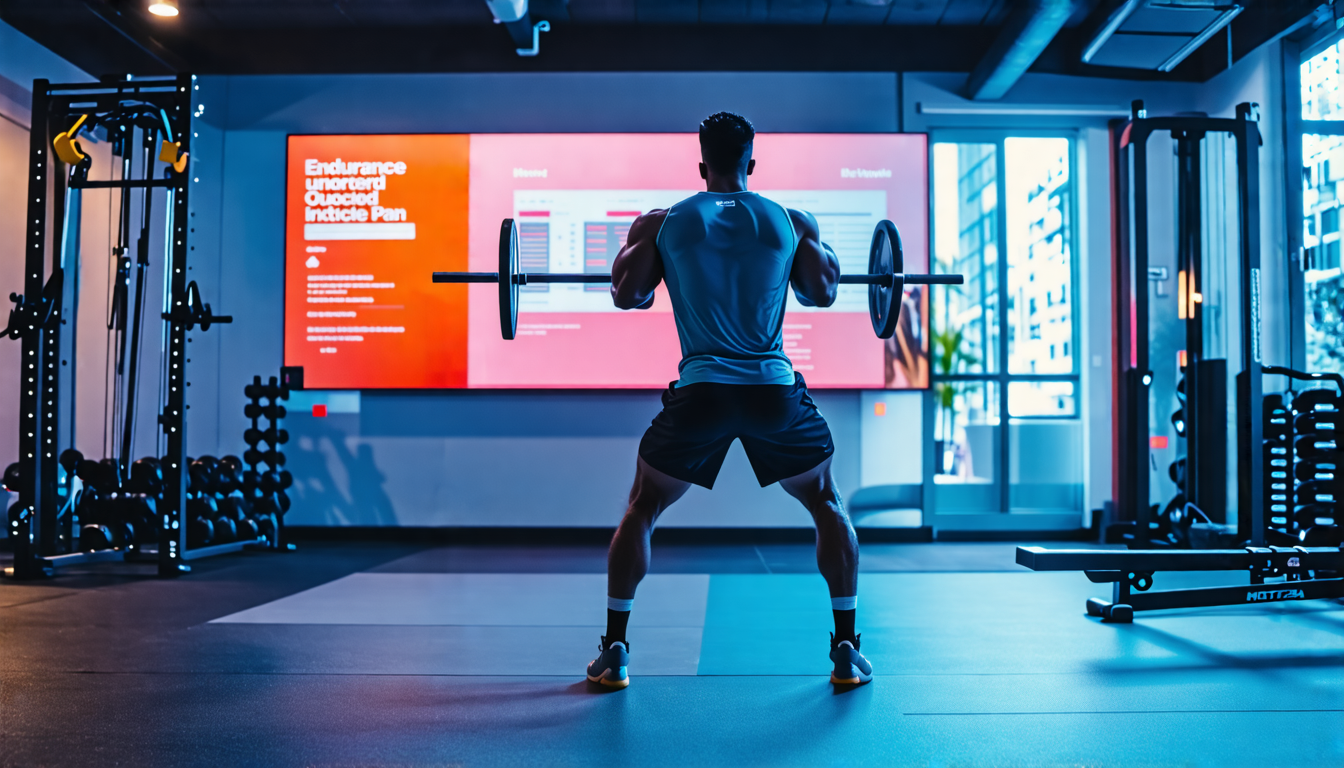
- Olympic Barbell (7ft, 45 lbs): The gold standard for integrated coordination. Its length and load are perfect for compound lifts like overhead squats and front squats, where the core must stabilize a significant weight far from your center of gravity. Best for advanced trainees focusing on total-body strength.
- Pre-Loaded Curl Bar (Fixed Weight): An excellent tool for dynamic tension and anti-rotation work. The angled grips and compact size make it ideal for movements like Russian twists, suitcase carries, and offset presses. Perfect for beginners to intermediates seeking manageable, versatile load.
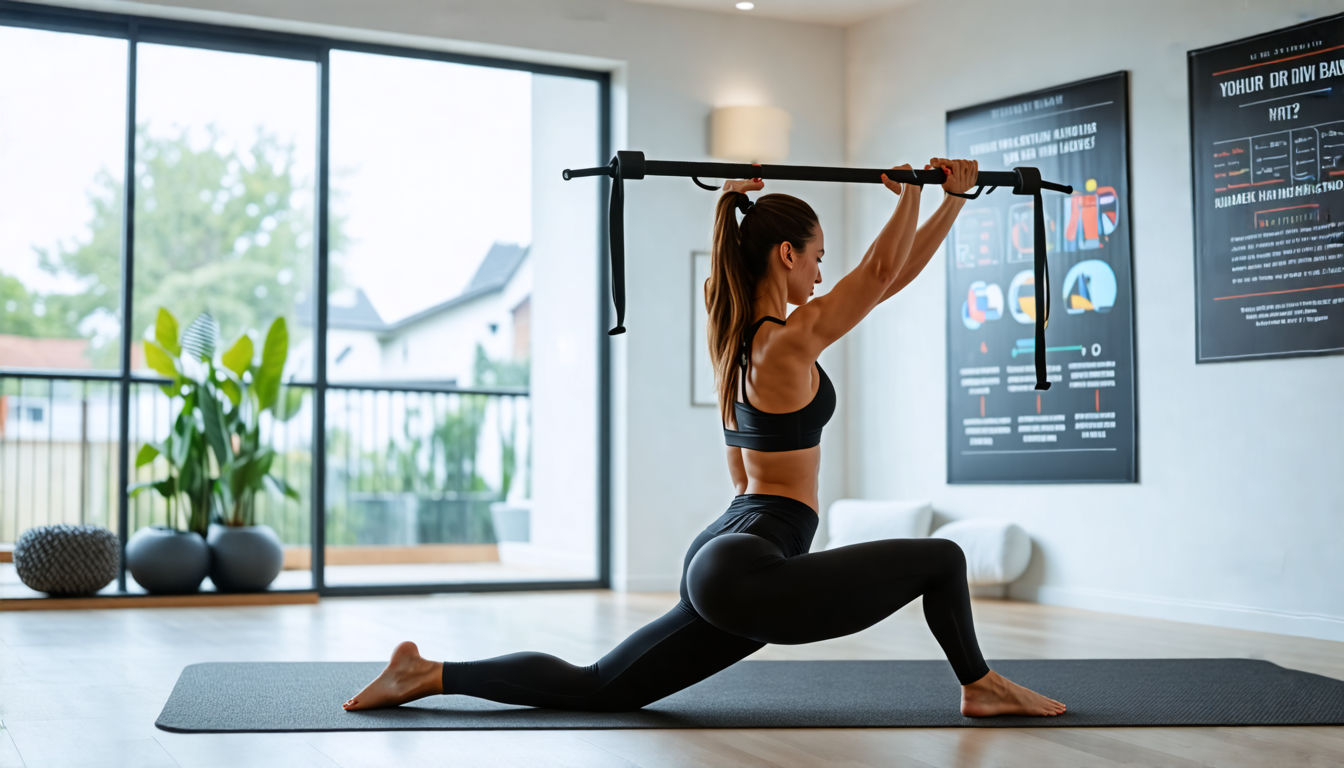
- Body Bar (Fixed Weight, Cushioned): The ultimate tool for foundational stability drills. Its lighter weight and padded grip allow you to focus purely on creating full-body tension without fighting balance. Ideal for dead bug presses, plank drags, and learning proper bracing mechanics.
Part B: Weight, Feel, and Progression
For the core, load is a tool to create instability and challenge, not to max out.
- Start Light: Choose a weight that allows you to maintain perfect form for 30-60 seconds in a static hold. For most, a 15-30 lb Body Bar or Curl Bar is perfect.
- Progress Strategically: Increase load only after you can perform dynamic movements (like a standing anti-rotation press) with absolute control and zero torso movement.
- The Feel Test: The bar should feel challenging but not overwhelming; your focus must remain on your midsection’s engagement, not on simply holding the weight.
Part C: Grip, Balance, and Core Connection
The interface with the bar directly impacts core recruitment.
| Component | Options | Key Characteristics for Core Work |
|---|---|---|
| Grip Texture | Knurled, Smooth, Cushioned | Knurling provides secure grip for heavy compound lifts, transferring force efficiently to the core. Smooth/Cushioned is better for dynamic moves where the bar may rotate in hand, forcing the core to stabilize the movement. |
| Bar Balance | Evenly Distributed, Slight Sleeve Weight (Barbell) | An evenly weighted bar (like a Body Bar) is predictable for stability drills. A barbell with weighted sleeves creates a subtle pendulum effect, demanding constant micro-adjustments from your core during overhead or loaded carries. |
| Thickness & Diameter | Standard (28-29mm), Thick (32mm+) | A thicker bar challenges grip strength, which intensifies global core tension as your body fights to stabilize. Use for advanced carries and holds. Standard diameter is best for learning technique. |
The Core System – Principles of Engagement
Training your core with a bar is not about endless crunches. It’s the science of creating and, more importantly, resisting movement. Master these three control variables.
Anti-Movement Stability: The Cornerstone
This is the core’s primary job: to prevent unwanted motion in your spine. Use the bar as a destabilizing force.
Method: Assume a stable stance (e.g., half-kneeling) and hold the bar at your chest, extended out, or to one side. Your goal is to resist the bar’s pull trying to rotate, extend, or side-bend your torso. Consequence of Error: Allowing movement trains compensation patterns, weakening the core’s protective function. Tool: Use a light pre-loaded bar or Body Bar. Focus on time under tension (30-45 second holds).
Dynamic Tension: The Lever Effect
Increase the difficulty of any movement by extending the lever arm (holding the bar farther from your body).
Method: Perform a standard movement like a dead bug or sit-up. Now, hold a bar at your chest, then progress to holding it overhead. The increased lever arm massively amplifies core demand. Consequence of Error: Arching the lower back or flaring ribs to compensate. Tool: A light Body Bar is perfect. Master the movement without weight first, then add the bar close, then far.
Integrated Coordination: Force Transfer
Teach your core to link powerful upper and lower body movements.
Method: Execute compound lifts like overhead presses, front squats, and bent-over rows. The core must act as a rigid conduit for force. Consequence of Error: A “soft” core leaks power, reduces lift efficiency, and invites injury. Tool: An Olympic barbell or appropriately loaded curl bar. The cue: “Brace your core like you’re about to be punched in the gut before you initiate the lift.”
The Exercise Library – Practical Techniques
This is your actionable toolkit. Progress from foundational stability to integrated power.
Foundational Stability Drills
- Half-Kneeling Anti-Rotation Press: Kneel with one knee down, hold bar at chest. Press it straight out and hold for 10-20 seconds. Do not let your torso rotate.
- Dead Bug Press: Lie on back, knees bent 90 degrees, arms extended with bar over chest. Slowly lower opposite arm and leg toward the floor while pressing the bar up. Maintain a braced, immobile lower back.
- Plank Bar Drag: In a forearm plank with bar placed sideways in front, use one hand to drag it across to the other side and back. Keep hips square to the ground.
Dynamic Power Moves
- Russian Twist (Feet Elevated): Sit holding bar at chest, lean back, lift feet. Rotate torso to tap bar to floor on each side.
- Overhead Squat (with Body Bar): Grip bar wide, press it overhead. Maintaining arms locked and bar stable, perform a deep squat. The core must stabilize the bar and your spine simultaneously.
- Suitcase Carry: Hold a heavyish bar in one hand at your side like a suitcase. Walk for distance, resisting the side-bend. Switch sides.
Compound Lift Integration
- Front Squat: The bar racked on the front shoulders demands an upright, braced torso to prevent collapsing forward.
- Landmine Press/Core Row: One end of a barbell anchored, press or row the other end. The angled force vector creates intense anti-rotation demand.
Threat Management – Form & Safety
Proactive technique is your first and best defense against injury.
Prevention – Bracing Before Moving
Never move the bar until your core is engaged. Execute the Valsalva Maneuver: Take a deep breath into your belly, then bear down slightly as if preparing to lift something heavy, sealing the air pressure. This creates 360-degree intra-abdominal pressure, stabilizing your spine. Release and reset between reps.
Intervention – Identifying Breakdown
Stop immediately if you see or feel these faults:
Arched Lower Back: In any overhead or extended position. Correction: Tuck your pelvis slightly (posterior tilt), engage glutes, and reduce weight.
Rib Flare: Ribs popping upward during a press or hold. Correction: Exhale fully to engage deep obliques and “zip up” your ribcage.
Losing Tension: Feeling a “shaking” turn into a collapse. Correction: End the set. Do not push through failure in stability work.
The Action Plan – A Progressive Blueprint
Follow this 4-week progressive plan to systematically build unshakeable core strength. Perform this routine 2-3 times per week.
| Week / Phase | Primary Exercise Focus | Focus & Progression Cue |
|---|---|---|
| Week 1-2: Foundation | Half-Kneeling Hold, Dead Bug Press, Plank Bar Drag, Body Bar Overhead Hold. | Master static bracing. Focus on zero torso movement. Use light weight (Body Bar). Build hold times to 30 seconds. |
| Week 3-4: Integration | Anti-Rotation Press (with movement), Russian Twists, Suitcase Carries, Front Squat (light). | Integrate slow, controlled dynamic movement. Add slight load (curl bar). Focus on maintaining tension throughout the entire range of motion. |
| Week 5+: Intensity | Landmine Press, Overhead Squat, Heavy Suitcase Carries, Compound Lift Emphasis. | Increase load or lever arm difficulty. Focus on integrated coordination during full-body lifts. Prioritize quality over quantity. |
The journey to a powerful core is defined by intelligent progression, not just effort. It begins with choosing the right bar as your tool, mastering the principles of anti-movement and tension, and diligently practicing the techniques that build resilient strength. This path leads to more than just defined muscles; it forges the foundational stability that powers every lift, protects every movement, and provides the confident, unshakeable strength of a truly fortified center. This is the transformation that elevates your entire physical existence.