The Unbreakable Grip: How to Choose the Right Grips for Your Fitness Bar and Unlock Your True Strength
The Vision of Unshakable Control
Imagine executing a muscle-up with seamless, fluid power. Visualize a heavy deadlift where the bar feels welded to your palms, not a hint of slip. That sensation of absolute command isn’t a happy accident—it’s the direct result of a critical, often overlooked choice. Selecting the right grips is the foundational key to safety, performance, and longevity in your training. It’s the decision that transforms your fitness bar from a passive piece of equipment into a true extension of your physical will.
Foundational Choices – Anatomy of a Grip
Your grip is your primary interface with the bar. Its material and design dictate the feedback you receive, the security you feel, and the stress placed on your joints and skin. This is the hardware of your performance.
Material Selection – Feel, Friction, and Function
The material is your first and most tactile decision. It determines how the bar interacts with your skin and environment.
| Material | Key Characteristics |
|---|---|
| Bare Steel/Knurling |
|
| Leather / Suede |
|
| Neoprene / Rubber |
|
Design and Profile – Matching Grip to Goal
Once you’ve chosen the material, the physical profile dictates the training effect.
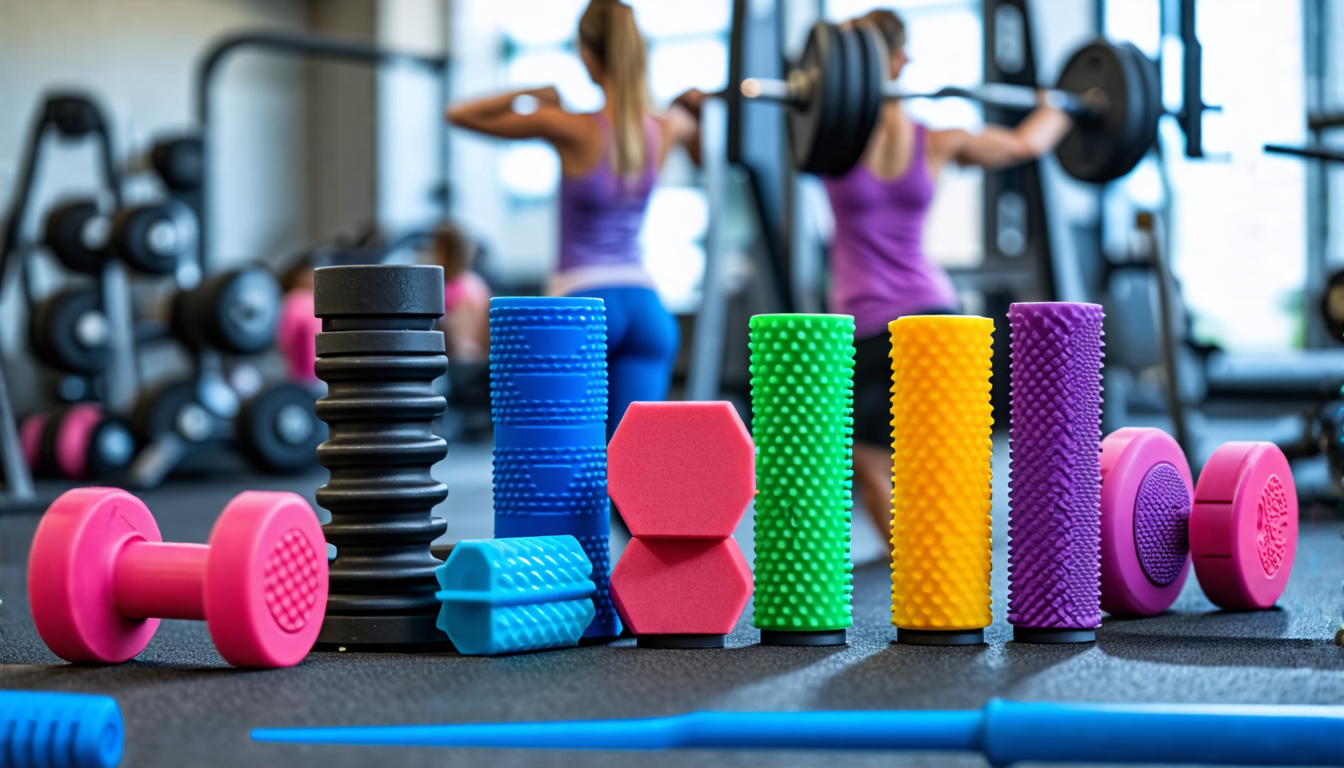
- Thickness (Diameter): Thin grips bring you closer to the bar, maximizing strength transfer and grip challenge. Thick grips increase the demand on forearm and hand muscles, building crushing grip strength but can strain joints if used prematurely.
- Texture & Pattern: Aggressive textures or patterns enhance security for swinging movements (kipping pull-ups, muscle-ups). Smoother profiles allow for easier re-gripping and rotation during Olympic lifts.
- Shape: Some grips are contoured or have finger grooves. These can feel more secure initially but may not align perfectly with all hand anatomies, potentially creating pressure points.
Aligning Grip with Your Practice
Your training style is the master blueprint. The right grip seamlessly integrates into your system, enhancing your specific goals.
For the Strength Athlete: Powerlifting & Olympic Lifting
Your priority is unimpeded force transfer. You need direct contact with the knurling or the thinnest possible barrier. Leather lifting straps are a tool for overload, not a permanent grip. Chalk is non-negotiable. The goal is to feel every micron of the steel to ensure perfect positioning and stability under maximal load.
For the Calisthenics & Bar Athlete
Your grip must withstand dynamic, multi-planar forces. Security and skin protection are paramount. Leather or suede grips excel here, offering durability for false grips (for muscle-ups) and friction for swings. Taped bars or specialized gymnastic grips (with dowel or finger holes) become essential for high-volume, high-skill work to prevent catastrophic rips.
For the General Fitness & Home Gym Enthusiast
You demand versatility and comfort across a wide range of movements. Neoprene or padded rubber grips are excellent choices, protecting your hands during varied workouts from pull-ups to kettlebell swings to bodyweight rows. Look for a balanced thickness that supports grip strength development without unnecessary joint stress during longer sessions.
Advanced Considerations – Optimization and Longevity
Hand Health and Injury Prevention
The correct grip is your first line of defense. Thin or bare grips build tough calluses, which must be maintained (filed smooth) to prevent tears. Thick, cushioned grips prevent calluses but may delay grip strength adaptation. For those with wrist or finger joint issues (e.g., arthritis), a thicker, more forgiving material can reduce pain and allow for consistent training.
Climate and Environment Control
Your local environment dictates your strategy. In humid climates or for heavy sweaters, moisture-wicking materials (leather, certain synthetics) combined with liquid chalk are superior to basic rubber. For outdoor bars, prioritize weather-resistant materials. Bare steel requires vigilant cleaning and oiling to combat rust, making coated or non-metallic grips a lower-maintenance choice.
The Hybrid Approach & Specialized Tools
Mastery involves knowing when to augment your primary grips. Liquid chalk provides immense friction with less mess. Lifting straps remove grip as the limiting factor for back-focused pulling movements. Grip pads are a quick solution for protecting tears mid-workout. Understand these as tools in a toolkit, not replacements for a fundamentally sound primary grip choice.
Threat Management – Problem Prevention and Solution
Prevention – The Care and Keeping of Your Grips
Proactive maintenance extends life and performance. Leather: Clean with a damp cloth and condition periodically. Neoprene/Rubber: Wash with mild soap and water; ensure complete drying to prevent mildew. All Grips: Store flat and away from direct sunlight or extreme heat to prevent warping and material breakdown.
Intervention – Diagnosing Grip Issues
When problems arise, diagnose systematically:
- Problem: Constant Slipping. Likely Cause: Material lacks friction for your sweat level or is too thick for proper finger wrap. Solution: Switch to a more tactile material (leather/suede) or use chalk; consider a thinner profile.
- Problem: Pinching or Hot Spots. Likely Cause: Grip seam is poorly aligned or contoured shape doesn’t match your hand. Solution: Re-align the grip meticulously; consider a seamless or non-contoured option.
- Problem: Rapid Wear or Tearing. Likely Cause: Excessive friction from poor technique (e.g., sliding during kips) or subpar material quality. Solution: Refine movement technique; invest in grips with reinforced wear points.
Your Personalized Selection Pathway
Use this matrix to guide your final decision. Match your primary training style to the recommended specifications.
| Primary Training Style | Recommended Material | Recommended Profile | Key Priority |
|---|---|---|---|
| Heavy Barbell Lifts (Powerlifting) | Bare Knurling / Thin Leather | Standard Bar Diameter (28-29mm) | Maximal Bar Feedback & Stability |
| Olympic Weightlifting | Bare Knurling | Turning Bar (28mm), No Added Thickness | Unimpeded Hook Grip & Rotation |
| Calisthenics & High-Volume Bar Work | Leather / Suede / Gymnastic Grips | Moderate Thickness, Textured | Skin Protection & Swing Security |
| General Fitness & Cross-Training | Neoprene / Padded Rubber | Moderate to Thick Cushion | Comfort & Versatility Across Movements |
| Outdoor/ Garage Gym Focus | Weather-Resistant Rubber / Coated Steel | Dependent on Training Style | Durability & Low Maintenance |
The Transformation in Your Hands
Mastering the art of selecting grips is mastering the first and most critical link in the chain of performance. It moves you from fighting your equipment to being empowered by it. This journey—from analyzing the core properties of materials to aligning those properties precisely with the demands of your practice—culminates in a profound confidence. Every secure, powerful connection to the bar ceases to be a point of conscious effort and becomes a source of unleashed potential. The right grip turns exertion into excellence, and the bar, finally, feels like a part of you.