The Foundation of Strength: Your Guide to a Perfect Home Fitness Bar Installation
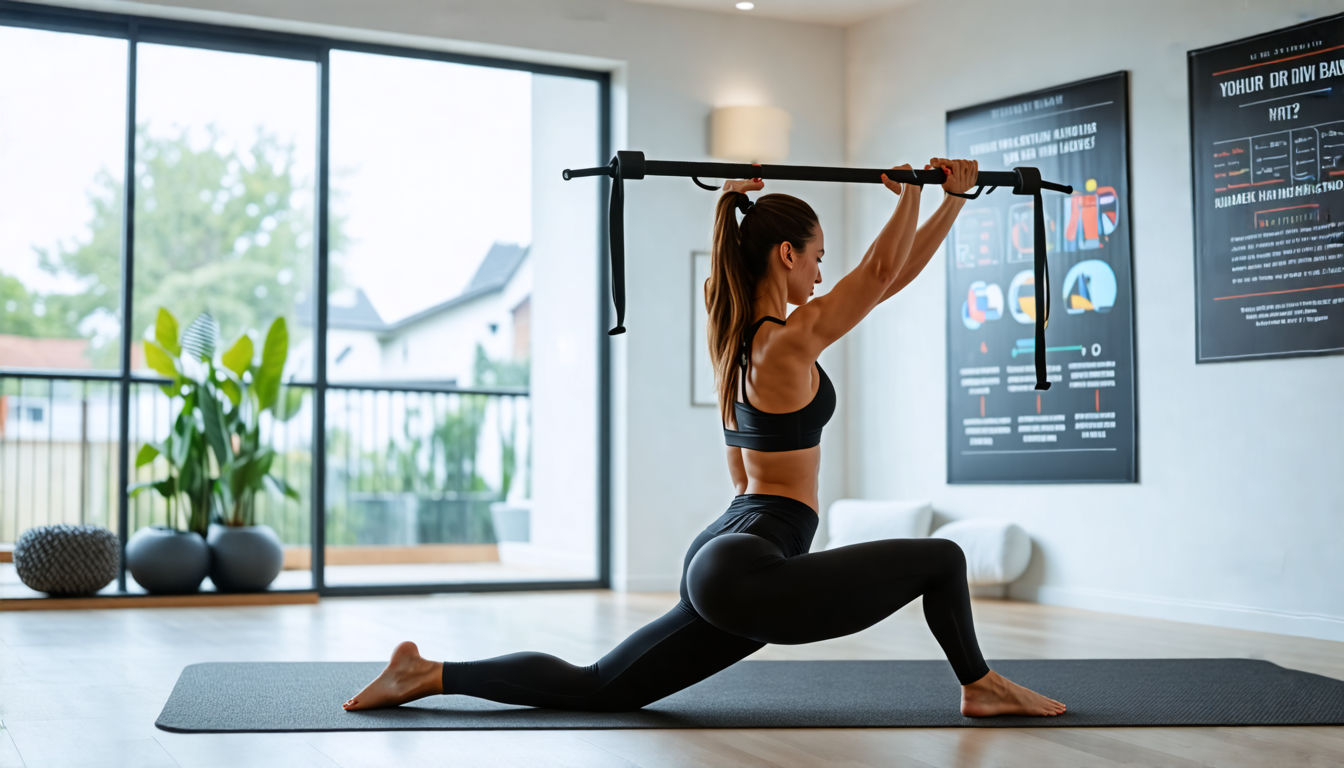
Imagine this: a dedicated space in your home where gravity is a choice. Where every explosive pull-up, controlled muscle-up, and hanging leg raise forges not just muscle, but mental fortitude. This isn’t just a room; it’s a personal fortress of strength. The cornerstone of this sanctuary? Not the flooring, the mirrors, or the weights—it’s the humble, mighty fitness bar. Knowing precisely how to install a fitness bar in a home gym is the non-negotiable foundation. It transforms a piece of equipment into the secure, reliable engine of your transformation, enabling safe, effective, and limitless training for years to come.
Foundational Choices – Selecting Your Bar
Your journey begins not with a drill, but with a decision. The bar you choose dictates the installation method, the space required, and ultimately, the ceiling of your potential. Treat this selection as the blueprint for your strength.
Type & Purpose: Matching the Bar to Your Ambition
Not all bars are created equal. Your training goals must dictate your hardware.
- Doorway Pull-Up Bars: Temporary, pressure-mounted solutions. Ideal for minimal space and basic vertical pulling. Limitation: Not suitable for kipping, dynamic movements, or heavy users. Never trust them for explosive work.
- Wall-Mounted Bars & Rigs: The gold standard for dedicated spaces. Offers permanent, incredibly secure anchoring. Allows for a true full range of motion (including chest-to-bar) and can support kipping, weighted vests, and gymnastic rings. Requires solid wall studs.
- Ceiling-Mounted Bars: The premier choice for overhead clearance and versatility. Perfect for tall users, muscle-ups, and creating a comprehensive rig system. Critical Requirement: Must be anchored into solid ceiling joists, not just drywall.
- Freestanding Power Towers: All-in-one units with bars, dip stations, and more. No installation needed, but they consume significant floor space and can be less stable for high-intensity movements compared to a solid wall or ceiling mount.
Space & Load Assessment: The Pre-Installation Audit
Before you buy, investigate. This step prevents catastrophic failure.
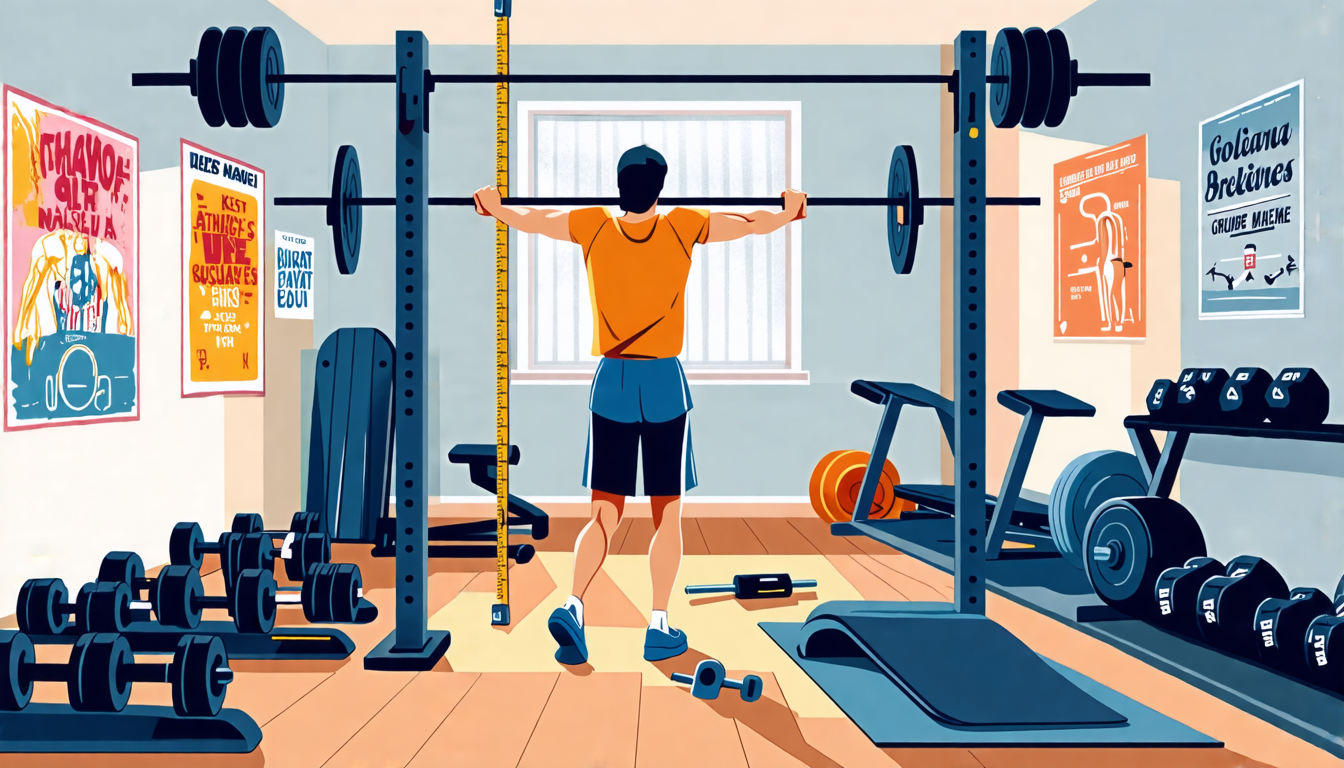
- Measure for Movement: You need clearance. For a wall-mounted bar, ensure at least 24 inches of clear space in front of the bar for your body to hang freely. For ceiling mounts, the height must allow a full hang with knees bent, plus overhead space for muscle-ups if desired.
- Locate the Bones of Your Home: Use a high-quality stud finder. You are looking for solid wood studs (typically 16″ or 24″ on center) or concrete joists. Mark them clearly. The bar’s mounting points must align with these structural elements.
- Calculate True Load Capacity: Your needs exceed body weight. Calculate: Your Body Weight + (Dynamic Force of 50-100%) + Weight of any added vest/chain. If you weigh 180lbs and train kipping pull-ups, you need hardware rated for at least 270-360lbs per mounting point.
Material & Hardware Breakdown: The Components of Trust
| Component Category | Options | Key Characteristics |
|---|---|---|
| Bar Material | Steel, Chrome-Plated Steel, Stainless Steel |
Steel: Durable and cost-effective; requires finish to prevent rust. Chrome-Plated: Classic feel, improved grip resistance to sweat; plating can chip over time. Stainless Steel: Premium choice; highly corrosion-resistant, maintains appearance with minimal maintenance. |
| Mounting Hardware | Lag Bolts/Screws, Through-Bolts with Nuts, Concrete Anchors |
Lag Bolts: For wood studs; use large diameter (3/8″ or 1/2″) and length (minimum 3″ into the stud). Through-Bolts: Maximum security for wood; bolt passes completely through the stud with a washer and nut on the backside. Concrete Anchors (Wedge or Sleeve): For concrete/masonry; must be rated for shear and tensile load. A hammer drill is essential. |
| Finish & Grip | Knurled, Smooth, Coated (Tape or Chalk) |
Knurled: Aggressive texture for maximum grip; can be harsh on hands. Smooth: Easier on skin; grip relies more on hand strength and chalk. Coated/Taped: Provides cushion and grip; requires periodic replacement as it wears. |
The Core System: Installation and Secure Mounting
This is where vision meets reality. Installation is not a chore; it is the process of creating a failsafe structural system that must dissipate immense, dynamic force. Respect the process.
The Golden Rule – Hitting the Frame
Every single mounting point must anchor directly into a solid wood stud, ceiling joist, or concrete beam. Drywall, plaster, and hollow wall anchors are utterly incapable of handling the dynamic loads of exercise. Hitting the frame is non-negotiable.
Tools for Mastery
Gather these before you begin: A high-quality stud finder, a 4-foot level, a high-torque drill/driver, drill bits (pilot bits sized for your lag bolts, and masonry bits if needed), the correct socket wrench or impact driver bit for your hardware, and a pencil.
Step-by-Step Mounting Protocols
For Wall-Mounted Bars:
- Position & Level: Hold the bar’s mounting bracket against the wall at your desired height. Use the level to ensure it is perfectly horizontal. Mark the center of each screw hole with a pencil.
- Verify Stud Alignment: Double-check that every mark aligns with the center of a stud. If a hole misses, you must adjust the bar’s position or use a heavy-duty horizontal mounting board (itself secured to multiple studs) as an intermediary.
- Pilot Drill: Using a drill bit slightly smaller than the shaft of your lag bolt, drill a pilot hole at each mark. This prevents the wood from splitting and ensures proper torque.
- Secure with Lag Bolts: Align the bracket and drive the lag bolts through the bracket and into the pilot holes. Tighten sequentially and firmly with a wrench until the bracket is immovable. Do not overtighten to the point of stripping.
- Final Torque Test: Hang your full body weight from the bar, then apply gentle swinging force. There should be zero give, creaking, or movement in the bracket.
For Ceiling-Mounted Bars:
- Locate & Map Joists: Use your stud finder to locate two parallel ceiling joists. Mark their full width. The bar will mount perpendicular across them.
- Use the Template: Most bars come with a paper template. Tape it to the ceiling, aligning the mounting holes with the center of your marked joists. Verify with a level.
- Pilot Drill Upward: Drill pilot holes through the template marks into the joists. Wear eye protection for falling debris.
- Mount with Load-Rated Hardware: Use the provided through-bolts or heavy-duty lag bolts. For through-bolts, you will need a partner or a clever tool to hold the nut and washer in the ceiling cavity while you tighten from below. This is the most secure method.
- The Ultimate Test: Perform a slow, controlled muscle-up or a gentle kip. The entire structure should feel as solid as the ground.
Advanced Practices: Optimization for Performance
With the bar secured, shift your focus from installation to integration. This is where you tailor the environment for elite performance and longevity.
Bar Placement & Ergonomics
Height is critical. Install the bar high enough that you can hang with arms fully extended without your feet touching the ground. For most, this is between 7.5 and 8.5 feet high. Ensure you have at least 3 feet of clearance in front for kipping movements. Consider the bar’s relationship to other equipment—can you move seamlessly from the bar to rings to a weight rack?
Accessorizing Your Bar
The bar is your anchor point for a universe of training. Gymnastic rings instantly add dips, rows, and push-ups. A suspension trainer can be anchored to it. Use a set of resistance bands for assisted or band-resisted pull-ups. This transforms a single piece of equipment into a comprehensive upper-body and core station.
Protective Finishes
Protect your investment and your home. Install thick, high-density rubber flooring mats beneath and around the bar area to absorb impact from dismounts or dropped weights. For the bar itself, a simple routine of wiping down knurling with a dry cloth prevents sweat corrosion. Periodically check for any sharp edges or burrs that could develop from wear.
Threat Management: Safety Inspection & Problem Prevention
Confidence in your bar comes from proactive vigilance, not blind trust. Adopt the mindset of a pilot performing a pre-flight check.
Prevention – The Pre-Flight Check
Establish a routine. Weekly: Before your first intense session, visually inspect all mounting points. Give the bar a firm shake to listen for creaks or movement. Monthly: Use your wrench to check the tightness of every bolt. Look for any hairline cracks in the drywall around the brackets, which indicate movement.
Intervention – Troubleshooting Common Issues
- Squeaking: Usually indicates metal-on-metal friction at the bracket. A small application of lubricant on the non-weight-bearing contact points can resolve it.
- Slight Rotation or “Spinning”: This is a major red flag for a wall-mounted bar. It means the lag bolts have loosened or the wood is compressing. Immediately tighten the bolts. If it persists, you may need to upgrade to larger diameter bolts or through-bolts.
- Drywall Cracking Around Brackets: Sign of improper installation (missing the stud) or excessive load. Stop using the bar. You must remount, ensuring direct stud connection, potentially using a larger backing plate to distribute force.
Your Installation & Maintenance Calendar
| Phase | Primary Tasks | What to Focus On |
|---|---|---|
| Planning & Purchase | Assess space, locate studs/joists, choose bar type, purchase hardware. | Accuracy and foresight. Ensuring your chosen bar and its mounting requirements align perfectly with your home’s structure. |
| Installation Day | Precise marking, pilot drilling, securing hardware, performing load tests. | Meticulous execution. Double-checking level, stud alignment, and achieving absolute rigidity before first use. |
| Weekly | Visual and physical shake-down inspection. | Consistency. Making a quick safety check an ingrained part of your training ritual. |
| Quarterly | Torque-check all bolts with a wrench, inspect for wear on bar finish and flooring. | Proactive maintenance. Catching potential issues like loosening hardware long before they become failures. |
The true transformation begins the moment you trust your setup enough to push your limits. That confidence—to explode upward on a final, grinding rep, to swing freely into a kip, to hang with total relaxation—stems from the certainty that the foundation is unshakable. You have moved from intelligent selection, through flawless installation, to vigilant care. Your home gym is no longer just a room with equipment. It is a fortress of personal achievement, its first and most important stone laid with the secure knowledge of how to install a fitness bar in a home gym correctly. That first perfect pull-up is just the beginning of a lifelong pursuit, built on a foundation of strength.