How To Choose The Right Home Fitness Bar: Your Blueprint for a Home Gym Foundation
The Vision of Mastery at Home
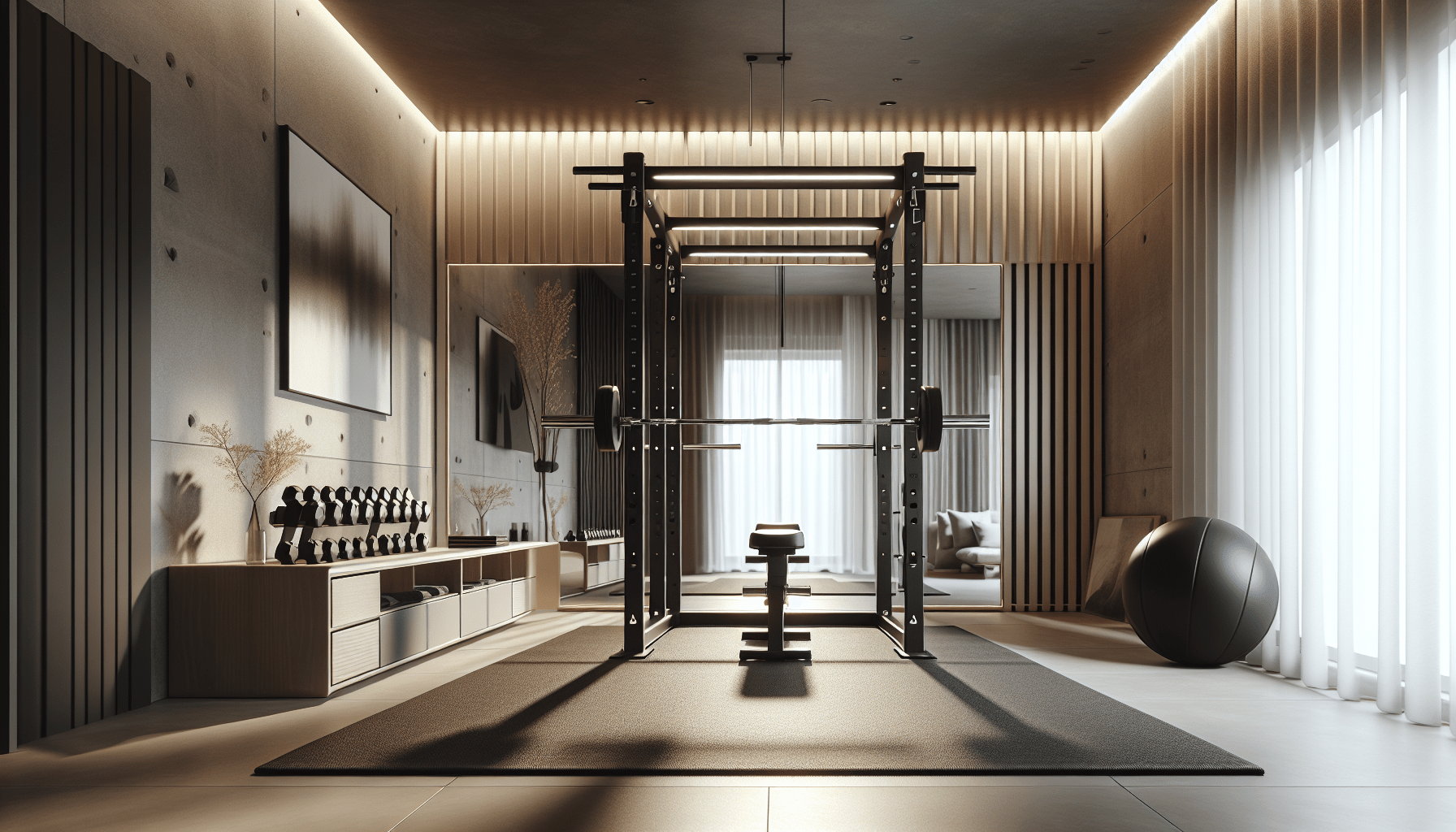
Imagine transforming a corner of your home into a personal strength sanctuary. A space where every workout is efficient, powerful, and perfectly tailored to your goals—where progress is not a hope, but a predictable outcome. This vision hinges on one pivotal piece of equipment, the literal and figurative backbone of your training: the home fitness bar. Knowing how to choose the right home fitness bar is the foundational decision that unlocks safe, versatile, and continuous progress. It is the master key that turns fitness aspirations into tangible, repeatable results.
Part 1: Foundational Choices – Type, Space, and Purpose
Your first choice determines everything. This isn’t about picking a tool; it’s about selecting the right foundation for your entire strength ecosystem. We break down the hardware.
A. Selection and Sizing: Matching the Bar to Your Goals
Your primary training style dictates the bar type. A powerlifter, an Olympic lifter, and a general fitness enthusiast need different levers.
- Olympic Barbell (7ft, 20kg): The gold standard. Designed for dynamic lifts (snatch, clean & jerk) with whip (flex) and aggressive knurling. A 28-29mm diameter shaft allows for a secure hook grip.
- Powerlifting Barbell (7ft, 20kg): Built for the big three (squat, bench, deadlift). Stiffer than Olympic bars, with a more aggressive center knurl for squat stability and a 29-32mm diameter for a solid grip under heavy load.
- Trap/Hex Bar: A kinder, more versatile powerhouse. Places load through your center of mass, making it superior for deadlifts, shrugs, and farmer’s carries, especially for those with back mobility concerns. Key feature: Ensure it’s “rackable” if you plan to use it for bent-over rows or landmine work.
- EZ-Curl Bar: Specialized for arm and upper-body work. The angled grips reduce wrist and elbow strain during curls, skull crushers, and tricep extensions.
B. Location and Setup: Engineering Your Space
The bar is useless without a proper environment. This is non-negotiable engineering.
- Ceiling Height: You need a minimum of 12 inches (30cm) of clearance above your head when you press the bar overhead. Measure twice.
- Floor Protection: A dropped bar on concrete will damage both the bar and the floor. Invest in high-density rubber stall mats (3/4″ thick).
- The Landing Zone: For Olympic lifts, you must have a dedicated platform or area that can absorb impact. Your setup must account for failure safely.
- Storage: A wall-mounted gun rack or vertical bar holder protects the bar from warping and keeps your space organized.
C. Material and Build Quality: The Components of Trust
Specifications separate a toy from a tool. Understand these components to build trust in your equipment.
| Component Category | Options | Key Characteristics |
|---|---|---|
| Bar Shaft (Knurling & Finish) | Aggressive / Moderate / Passive Knurling; Chrome / Cerakote / Bare Steel / Stainless |
|
| Sleeve & Bushing/Bearing | Bushings / Needle Bearings / Composite Bushings |
|
Part 2: The Core System – Specs, Feel, and Control
A bar is a dynamic interface between you and the weight. Managing its specifications is how you control your progress and safety.
A. Control Variable: Weight Capacity & Bar Weight
Ideal Target: A static weight capacity that exceeds your realistic 5-year strength goal by at least 25%.
Consequences of Error: A bar loaded beyond its rating can exhibit dangerous “whip,” suffer a permanent bend, or experience catastrophic sleeve or shaft failure.
Control Method: Ignore marketing hype. Scrutinize the manufacturer’s stated static load rating. A quality bar will have a 1,000 lb (450 kg) or higher rating. Remember, the bar’s own weight (typically 20kg/44lb for men’s, 15kg/33lb for women’s) is part of your lift.
B. Control Variable: Bar Diameter & Grip
Ideal Target: Matching shaft diameter to your hand size and primary discipline.
Consequences of Error: A diameter too large compromises grip security, prematurely fatigues forearms, and can strain wrists and elbows.
Control Method: Perform the “grip test” if possible. A standard men’s Olympic bar is 28-29mm, a powerlifting bar is 29-32mm, and a women’s bar is 25mm. Your thumb and middle finger should not touch when wrapping your hand around the shaft.
Part 3: Advanced Practices – Optimization for Your Discipline
Shift your focus from the bar’s innate specs to the art of your practice with it. This is where you optimize for superior results.
A. Preparation: The Right Bar for Your Primary Discipline
- For Pure Powerlifting: Choose a stiff power bar with aggressive knurling, a center knurl, and dual knurl marks (for bench grip). Bushings are ideal.
- For Olympic Weightlifting: A dedicated weightlifting bar with needle bearings, whip, and aggressive knurling is mandatory. The spin and feel are irreplaceable.
- For Cross-Training & General Strength: A hybrid or all-purpose bar with moderate knurling, good spin (composite bushings or bearings), and a 28.5-29mm diameter offers the best versatility.
B. Ongoing Strategy: Versatility and Future-Proofing
Your first bar should solve your most pressing needs while allowing for growth. A rackable trap bar is arguably the most versatile single bar for full-body strength. For most, the strategic path is: start with one high-quality, discipline-appropriate barbell, then add specialty bars (EZ-curl, multigrip) as your practice deepens and your budget allows.
Part 4: Threat Management – Safety, Longevity, and Problem Prevention
Mastery requires a proactive defense of your tools and your body. Adopt the mindset of a technician.
A. Prevention: Inspection and Maintenance
Your weekly ritual should include a bar check. Feel for any roughness or “play” in the sleeves. Visually inspect the knurling for unusual wear and the shaft for rust spots. The non-negotiable: Always use spring collars or clamp collars. They keep the load balanced and prevent plates from sliding off during dynamic movements.
B. Intervention: Solving Common Bar Problems
- Problem: Rust Spots. Tier 1 Response: Scrub with a brass brush and a 3-in-1 oil. Dry thoroughly. Tier 2: For Cerakote or chrome bars, use a specialized cleaner to avoid damaging the finish.
- Problem: Stiff or Grinding Sleeves. Tier 1 Response: Apply a drop of high-quality lubricant (like 3-in-1 oil) to the sleeve-bar interface. Tier 2: If grinding persists, the bushings/bearings may be damaged; contact the manufacturer.
- Problem: Noticeable Bend. Only Response: Stop using it immediately for loaded exercises. A slightly bent bar can be used for landmine work, but for primary lifts, it is a safety hazard. Consider it retired.
Part 5: The Action Plan – Your Step-by-Step Selection Checklist
| Phase | Primary Tasks | What to Focus On |
|---|---|---|
| Self-Assessment |
|
Brutal honesty about your goals, your environment, and your financial constraints. This prevents compromise on safety or suitability. |
| Specification Hunt |
|
The intersection of the specs on paper and the feel in your hands. If you can’t test it, rely on detailed reviews from trusted sources. |
| Final Decision & Setup |
|
Quality and proven reliability over novelty. Ensuring your space is ready to receive the tool safely, protecting your investment from day one. |
Lifting Your Vision Off the Ground
The right home fitness bar is not an accessory; it is the balanced intersection of your physiological goals, your spatial reality, and uncompromising engineering. It is the quiet partner in every personal record, the stable foundation under progressive overload. By mastering this first, critical decision—by moving from assessment to specification, from theory to tactile reality—you do more than buy equipment. You lay the cornerstone of your personal strength sanctuary. You enable the profound satisfaction of a perfect lift, the confidence of safe failure, and the unparalleled joy of progress engineered by your own hands. The vision starts here.