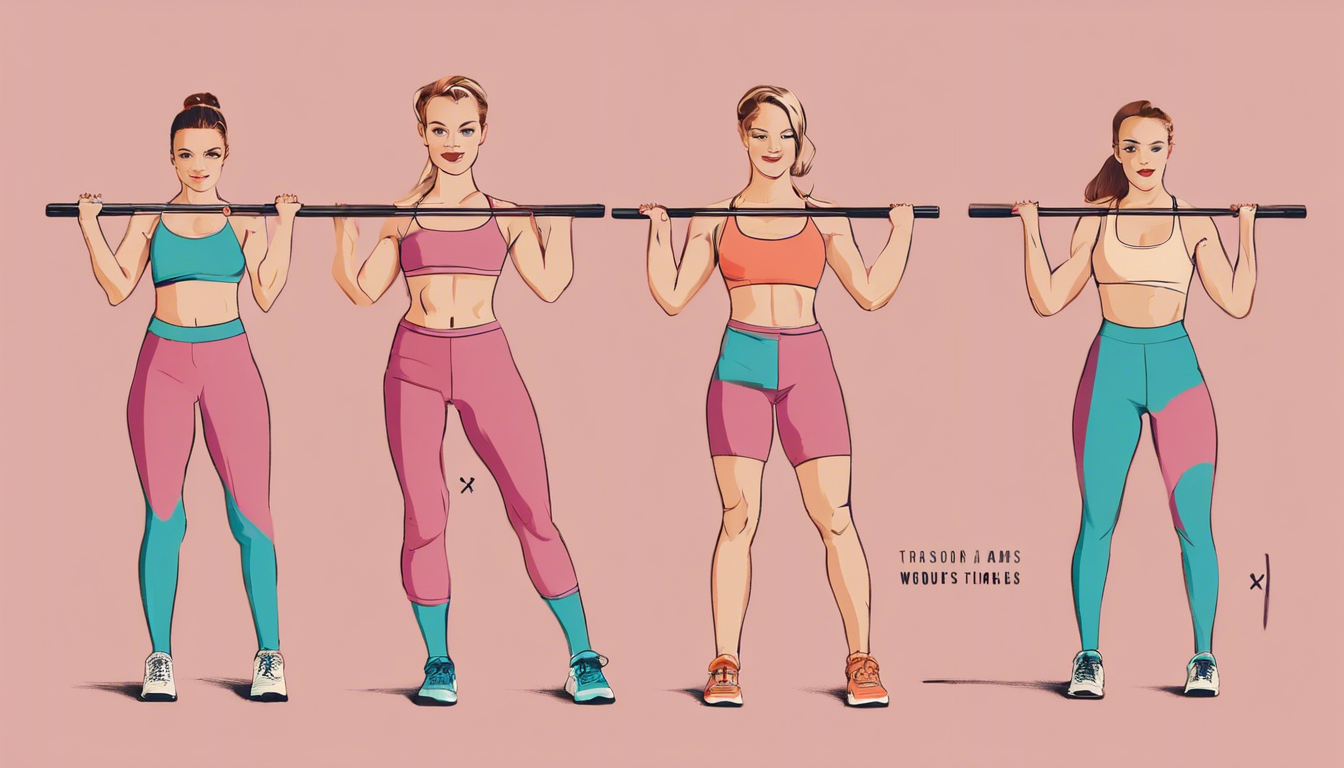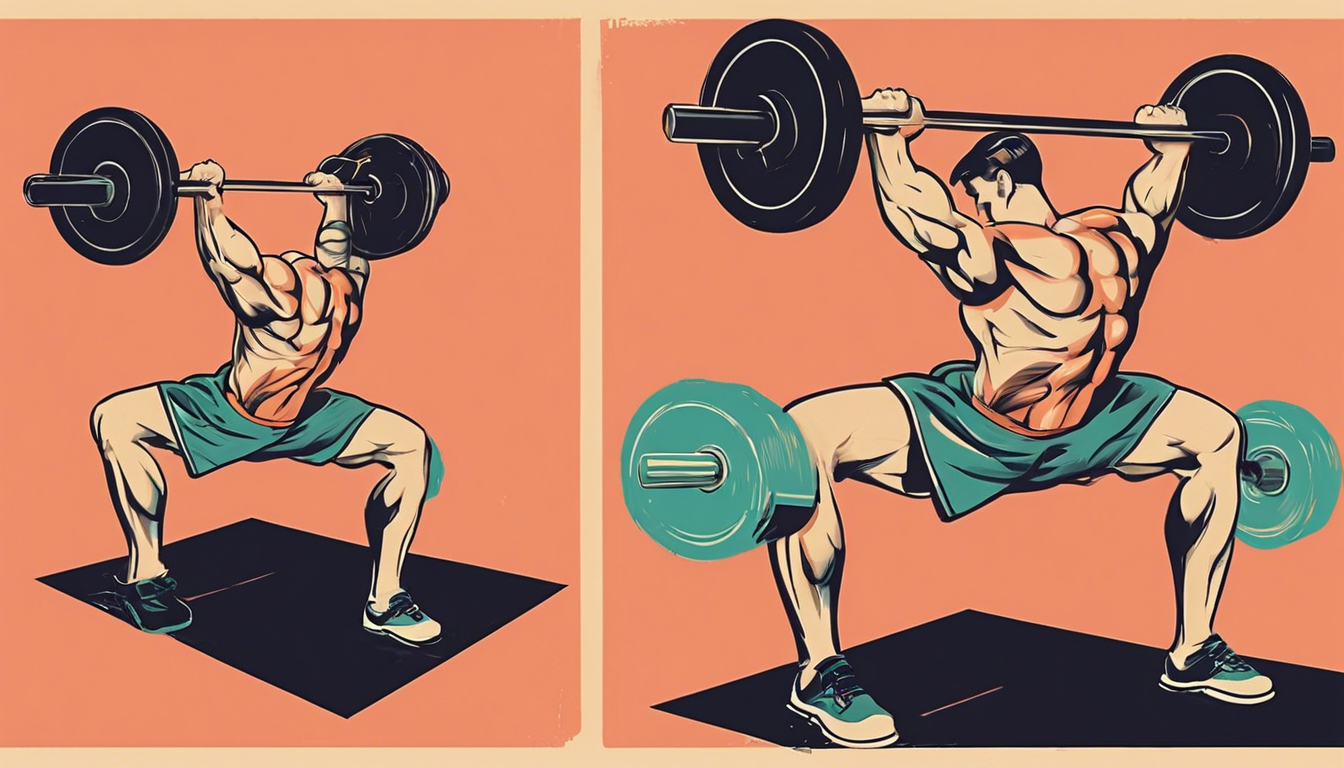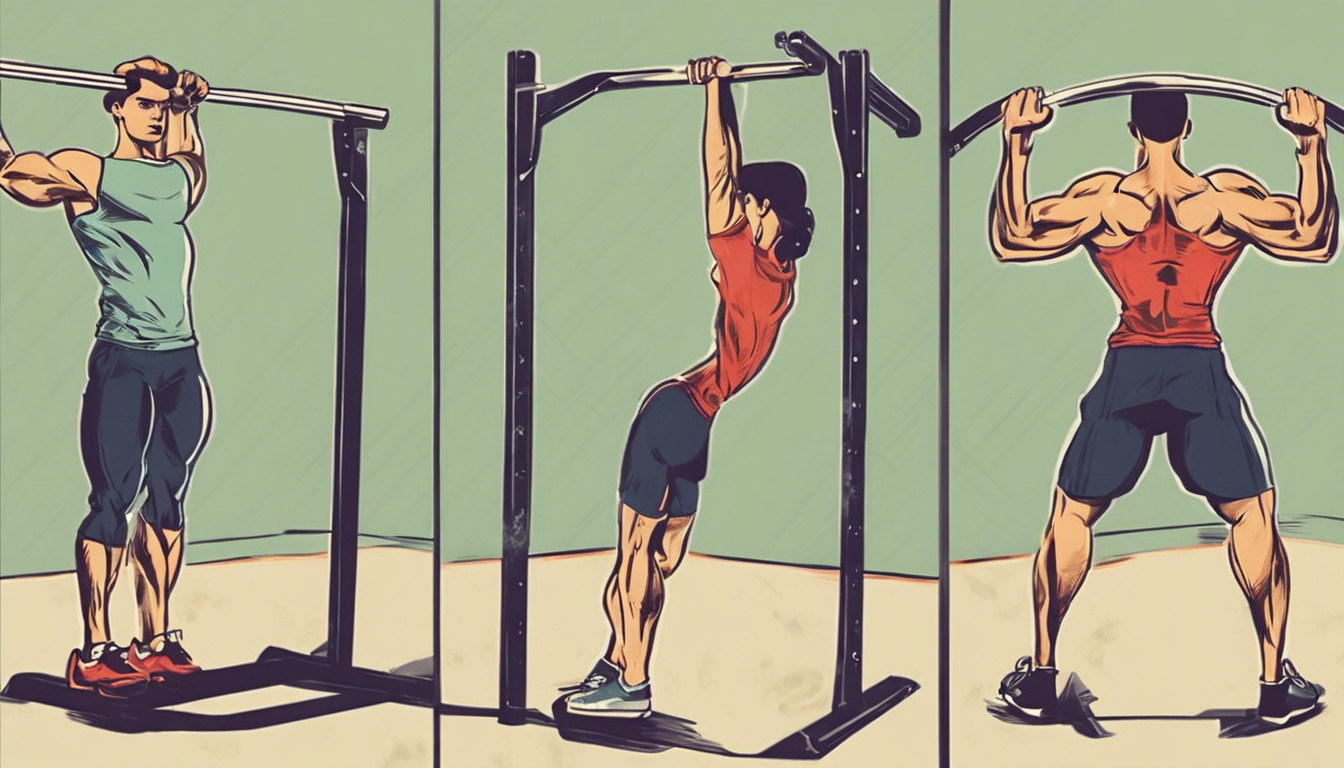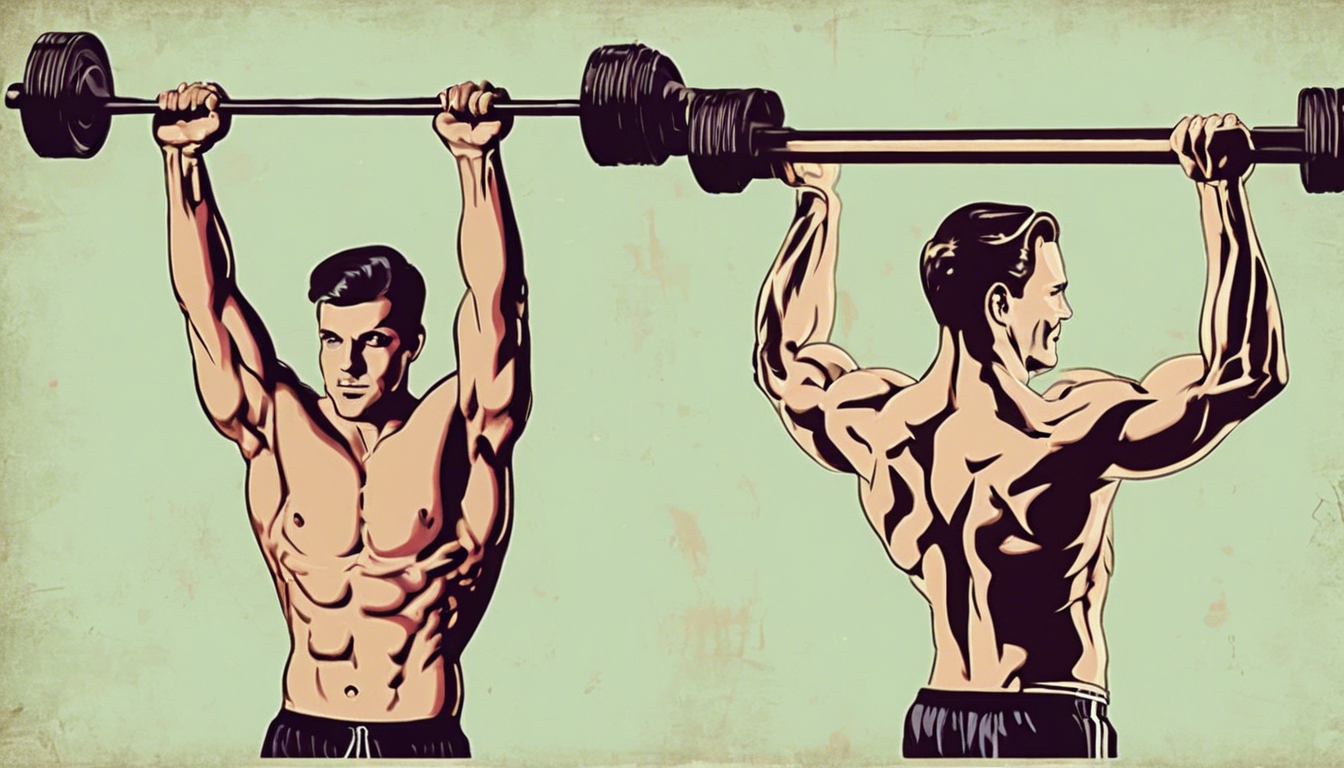
The Vision: Forging a Complete Athlete
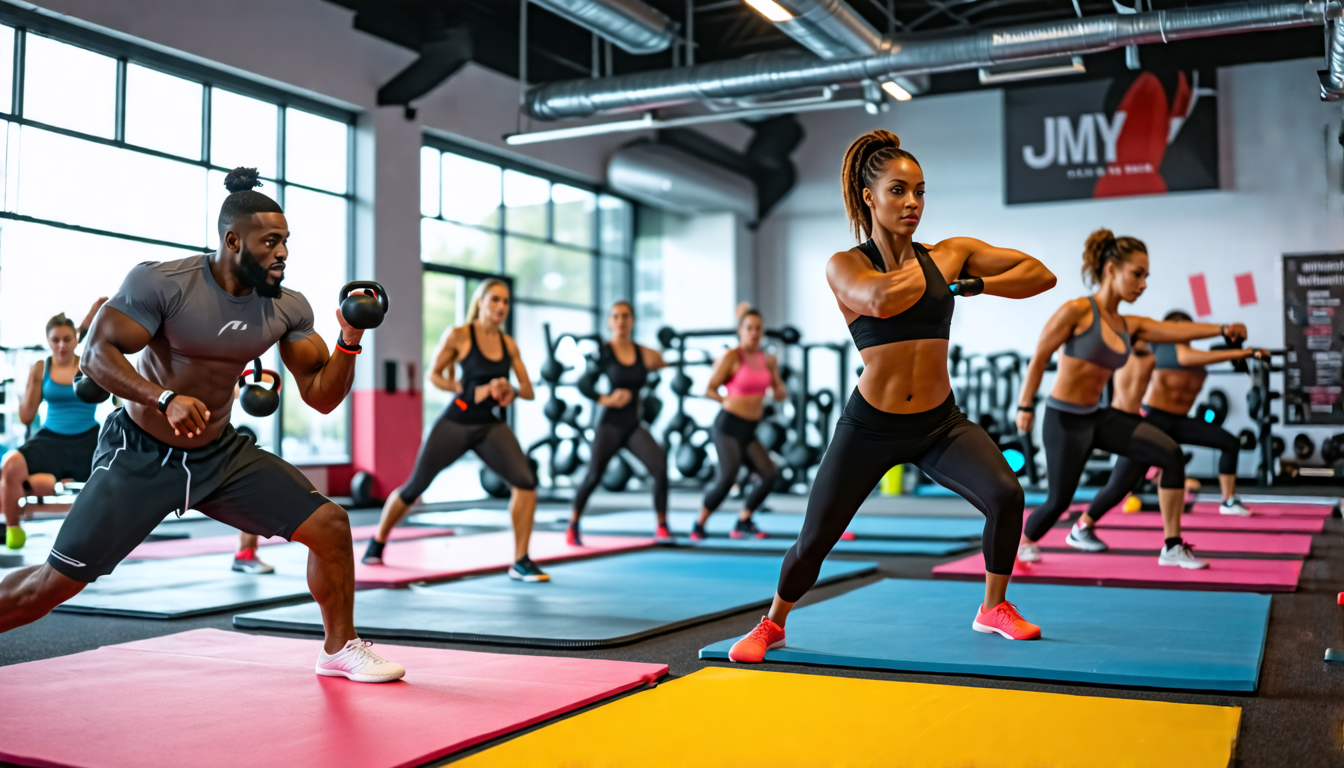
Imagine moving from isolated muscle exercises to powerful, full-body movements that build real-world strength and a sculpted, athletic physique. You’re not just lifting weights; you’re training movement patterns, building resilient joints, and forging a body that performs as well as it looks. This transformation isn’t about acquiring more equipment, but unlocking the smarter synergy between the tools you already have. Mastering the art of integrating bars with free weights is the foundational key to unlocking balanced muscle development, unparalleled workout versatility, and true functional strength. It is the difference between having a toolbox and being a master craftsman.
Foundational Choices: Your Hybrid Toolkit
Your initial selection of bars and free weights creates the hardware for infinite workout combinations. This isn’t about random accumulation; it’s about curating a synergistic toolkit where each piece amplifies the others.
Part A: Bar Selection – The Load-Bearing Core
The barbell is your anchor for maximal force production. Your choice dictates your primary movement patterns.
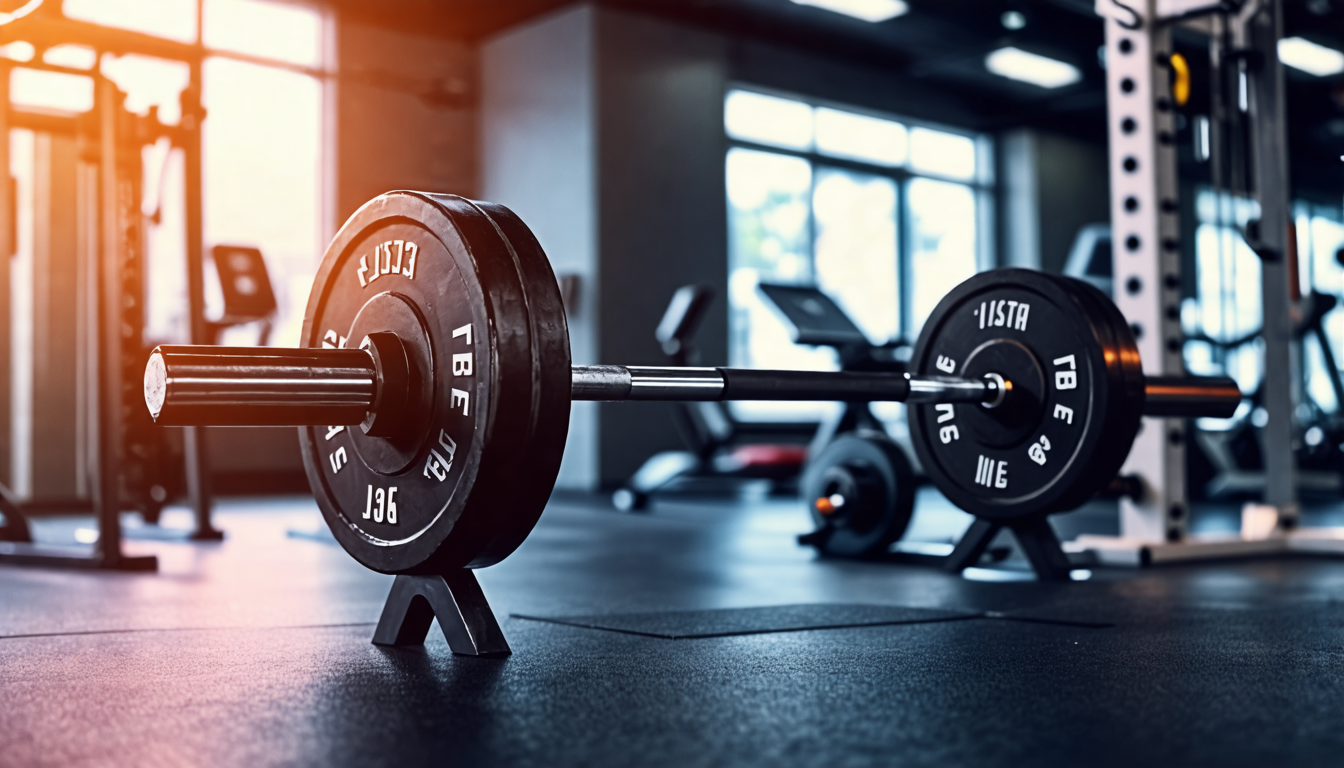
- Olympic Barbell (7ft, 20kg): The undisputed king for dynamic, heavy lifts like squats, deadlifts, and presses. Its rotating sleeves are essential for the clean and snatch. This is your foundation for pure strength.
- Trap/Hex Bar: The ergonomic powerhouse for deadlifts and shrugs. Its neutral-grip, centered design places less shear force on the spine, allowing you to move heavier loads safely—a perfect strength complement to the Olympic bar.
- EZ-Curl Bar: The specialist for arm and upper-back development. The angled grips reduce wrist strain during curls, skull crushers, and bent-over rows, making it indispensable for targeted hypertrophy work.
- Fixed Weight Barbells: The efficiency experts. Use these for quick warm-ups, drop sets, or accessory work without the fuss of loading plates, keeping your workout pace aggressive.
Part B: Free Weight Synergy – The Adaptive Element
Free weights are your tools for adaptation, correction, and refinement. They expose and fix weaknesses.
- Weight Plates: Match the plate to the bar’s purpose. Use bumper plates for Olympic lifts and any movement where you might drop the bar. Use cast iron plates for general strength training where precise loading and a smaller diameter are beneficial.
- Dumbbells: Your primary agents for unilateral training, stability challenges, and a massive exercise library. They are non-negotiable for addressing muscle imbalances and adding volume.
- Kettlebells: The dynamic implement for power, grip strength, and ballistic movements like swings, cleans, and snatches. They develop explosive hip hinge power that directly translates to a bigger deadlift.
Part C: Material & Component Breakdown
| Component Category | Options | Key Characteristics |
|---|---|---|
| Bar Sleeves | Bushing vs. Bearing | Bushings: Durable and sufficient for powerlifting; good rotation for most lifts. Bearings: Superb, fast rotation essential for Olympic weightlifting; reduces whip on the catch. |
| Knurling | Aggressive vs. Moderate vs. Passive | Aggressive: Maximum grip for heavy pulls (deadlifts); can be harsh on the hands. Moderate: The versatile sweet spot for most training. Passive/Smooth: Ideal for front rack positions and beginners; less grip security. |
| Weight Plate Material | Bumper (Rubber) vs. Cast Iron vs. Urethane | Bumper: Durable, droppable, and protects floors; standard diameter ensures proper deadlift range of motion. Cast Iron: Cost-effective, precise weight, smaller diameter can improve deadlift pull. Urethane: Premium, extremely durable and quiet; highest floor protection and longevity. |
The Core System: Programming for Synergy
Treat your barbell and free weights not as separate tools, but as a unified, dynamic strength system. Mastery lies in controlling the key variables of this system.
Variable 1: Exercise Sequencing
The Ideal Method: Always prioritize compound barbell movements first in your session. Follow them with targeted free-weight exercises.
Consequences of Error: Performing exhausting dumbbell work first will sabotage your nervous system’s ability to handle heavy barbell loads, leading to premature fatigue, compromised form, and increased injury risk on your most important lifts.
Control Method: Adhere to the “Core Lift, Then Supplement” template. Your workout should flow: Barbell Power/Strength Lift → Barbell Volume Lift → Free-Weight Accessories.
Variable 2: Load Management
The Target: Use barbells for maximal systemic overload and absolute strength. Use free weights for targeted hypertrophy, stability, and muscular balance.
Tools for Control: Program your barbell work using percentage-based schemes (e.g., 3×5 at 85% of 1RM) to drive neurological strength. Program your dumbbell and kettlebell work in higher rep ranges (e.g., 3×10-15) with a focus on time-under-tension and mind-muscle connection to drive growth and address imbalances.
Advanced Practices: The Art of Hybrid Training
This is where you move from basic programming to sophisticated techniques that maximize the integrated system for elite efficiency and results.
Technique 1: Compound-Supplement Supersets
Pair a barbell compound lift with a complementary free-weight exercise that targets a related muscle group or pattern. This increases density and enhances muscle recruitment.
- Example: Barbell Back Squat (4×6) superset with Dumbbell Walking Lunges (4×10 per leg). The lunges hammer the unilateral stability and glute activation hinted at during the squat.
- Example: Barbell Overhead Press (5×5) superset with Single-Arm Kettlebell Press (5×8 per arm). The kettlebell corrects side-to-side pressing imbalances exposed by the barbell.
Technique 2: Unilateral Loading for Balance
Use dumbbells and kettlebells as diagnostic and corrective tools. If your barbell bench press stalls, is one arm lagging? If your deadlift lockout is weak, is one glute firing poorly?
- Corrective Action: After your main barbell work, implement unilateral exercises like Dumbbell Single-Leg Romanian Deadlifts, Single-Arm Rows, or Suitcase Carries. These movements build the stabilizer strength that safeguards your heavy bilateral lifts.
Strategy: Phased Integration
Structure your training in blocks where the focus shifts, but the tools are always integrated.
- Strength Phase (4-6 weeks): Barbell lifts are paramount (high intensity, low reps). Free weights are used strictly for prehab, activation (e.g., light dumbbell work pre-squat), and very limited accessory volume.
- Hypertrophy Phase (4-6 weeks): Barbell lifts are the anchor but performed for volume (moderate intensity, 8-12 reps). Free-weight exercises explode in variety and volume, serving as the primary drivers of muscle growth through angles and ranges the barbell can’t match.
Threat Management: Safety and Longevity
A proactive stance ensures your hybrid training career is long and productive.
Prevention: The Foundation of Safe Integration
- Barbell Form is Sacred: Never add weight to a barbell lift at the expense of perfect technique. Film your sets regularly.
- Balanced Loading: Always ensure plates are evenly secured on the barbell sleeves. Use collar locks religiously.
- Controlled Transitions: Master the “clean” method of lifting dumbbells into position for presses and rows. Don’t use momentum to heave them up; use your legs.
Intervention: Solving Common Hybrid Issues
| Issue | Likely Cause | Tiered Solution |
|---|---|---|
| Grip Fatigue | Excessive barbell pulling volume before dumbbell work. | 1. Sequence: Do grip-intensive barbell work last. 2. Gear: Use chalk for barbell, switch to dumbbells with handles. 3. Train: Add dedicated grip work (fat bar holds) on separate days. |
| Shoulder Instability during Presses | Weak rotator cuffs and scapular stabilizers over-reliant on barbell. | 1. Prehab: Start every upper body day with band pull-aparts and face pulls. 2. Regress: Replace barbell press with dumbbell press until stability improves. 3. Strengthen: Add heavy kettlebell bottoms-up presses. |
| Plate Mismatch & Bar Whip | Mixing thick bumper plates with thin iron plates on deadlifts. | 1. Standardize: Use all same-diameter plates for pulls. 2. Elevate: If using small plates, stand on mats so the bar starts at correct height. 3. Invest: Use competition-style plates that are uniform in size. |
The Action Plan: A 4-Week Integration Blueprint
| Week | Primary Barbell Focus | Integrated Free-Weight Objective | Key Hybrid Complex |
|---|---|---|---|
| 1: Foundation | Technique & Moderate Load on Squat, Bench, Deadlift. | Introduce unilateral stability. Learn dumbbell/kettlebell movement patterns. | Barbell Squat (3×8) → Dumbbell Split Squat (3×10/leg). Rest 60s between. |
| 2: Integration | Increase intensity on barbell lifts (heavier weight, lower reps). | Add volume via free-weight accessories. Begin corrective work. | Barbell Deadlift (4×5) → Kettlebell Swing (4×15). Rest 90s between. |
| 3: Intensity | Peak intensity (85-90% of estimated max). Barbell is king. | Free weights for prehab and activation only. Reduce accessory volume. | Barbell Bench Press (5×3) → Light Dumbbell External Rotations (3×15). Minimal rest. |
| 4: Synergy | Maintain strength, shift to higher-rep barbell volume. | Aggressive hypertrophy with free weights. Implement supersets. | Barbell Row (4×8) SUPERSET WITH Single-Arm Dumbbell Row (4×10/arm). |
The Transformation: Becoming Your Own Master Coach
The journey from viewing bars and free weights as separate entities to wielding them as a unified system is the mark of an advanced athlete. You internalize the core principle of strategic synergy: the barbell for systemic overload, the free weights for refinement and balance. You no longer just “do dumbbell curls after bench press.” You prescribe unilateral carries to fortify your deadlift core, or you strategically superset kettlebell presses to bulletproof your shoulders for heavier barbell work. This profound understanding allows you to craft perfectly balanced workouts that deliver superior, sustainable results. Your home gym transforms from a collection of equipment into a personal forge, where you are both the craftsman and the evolving masterpiece, capable of shaping strength, aesthetics, and performance on your own terms.