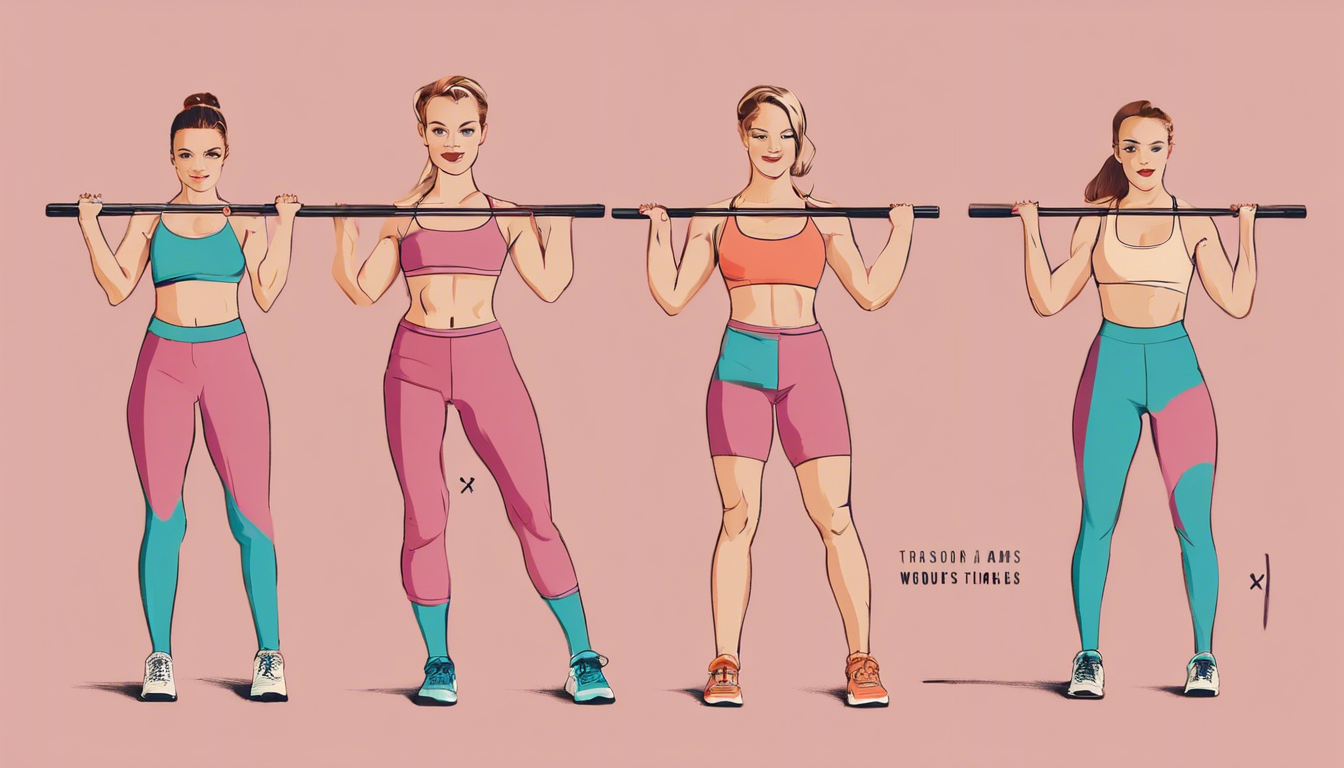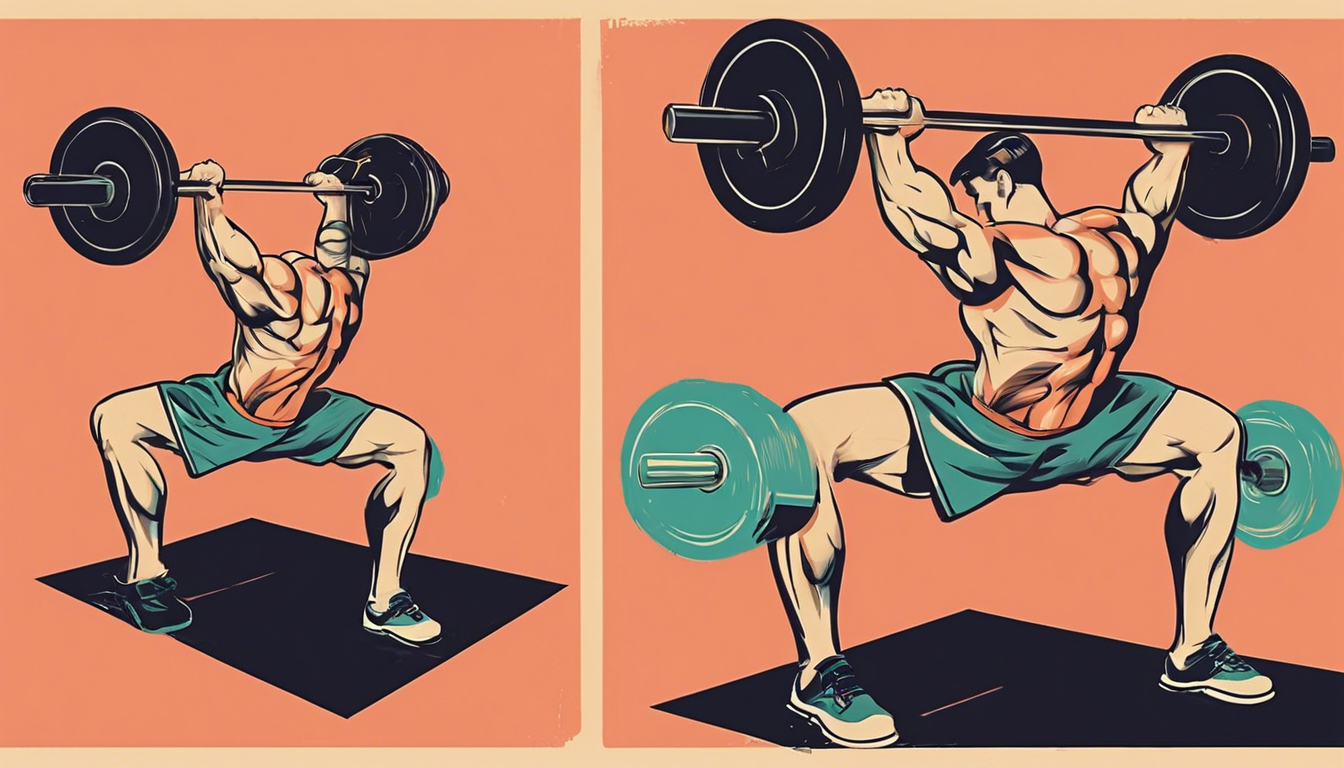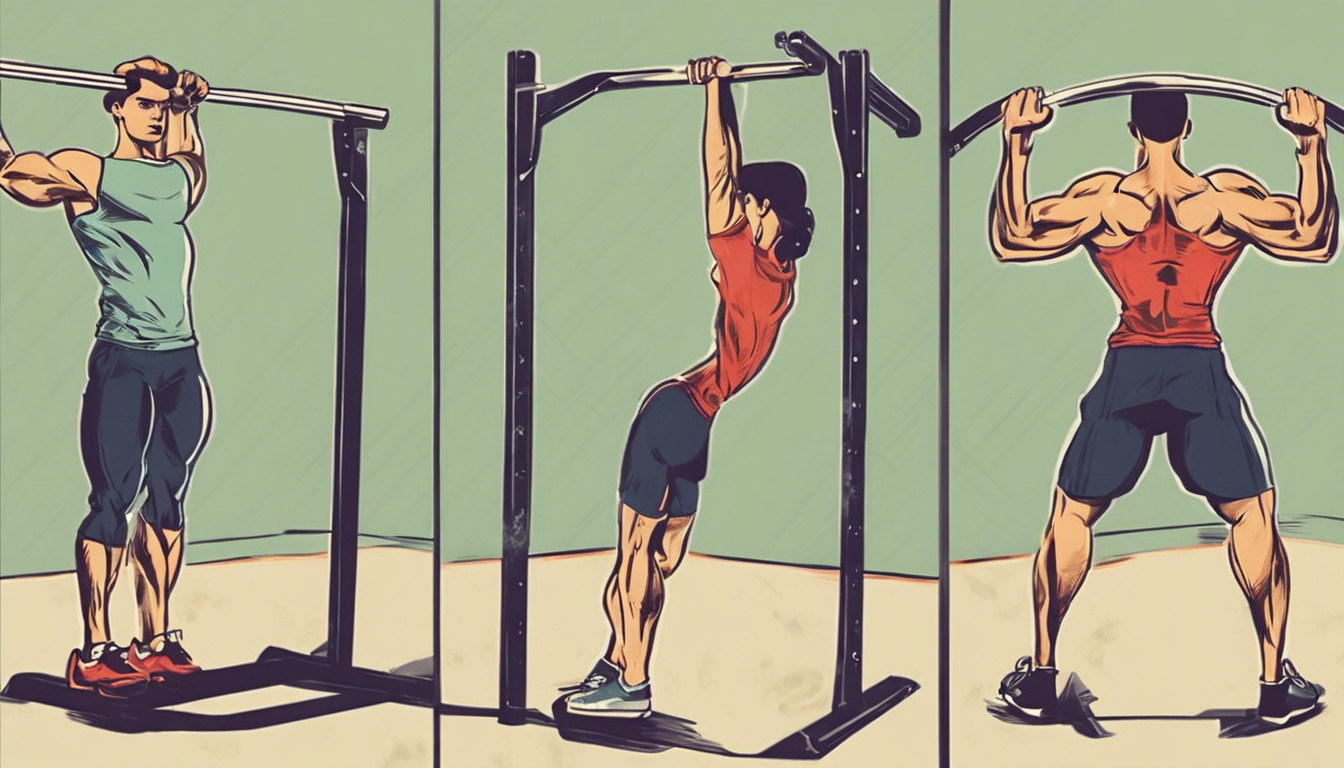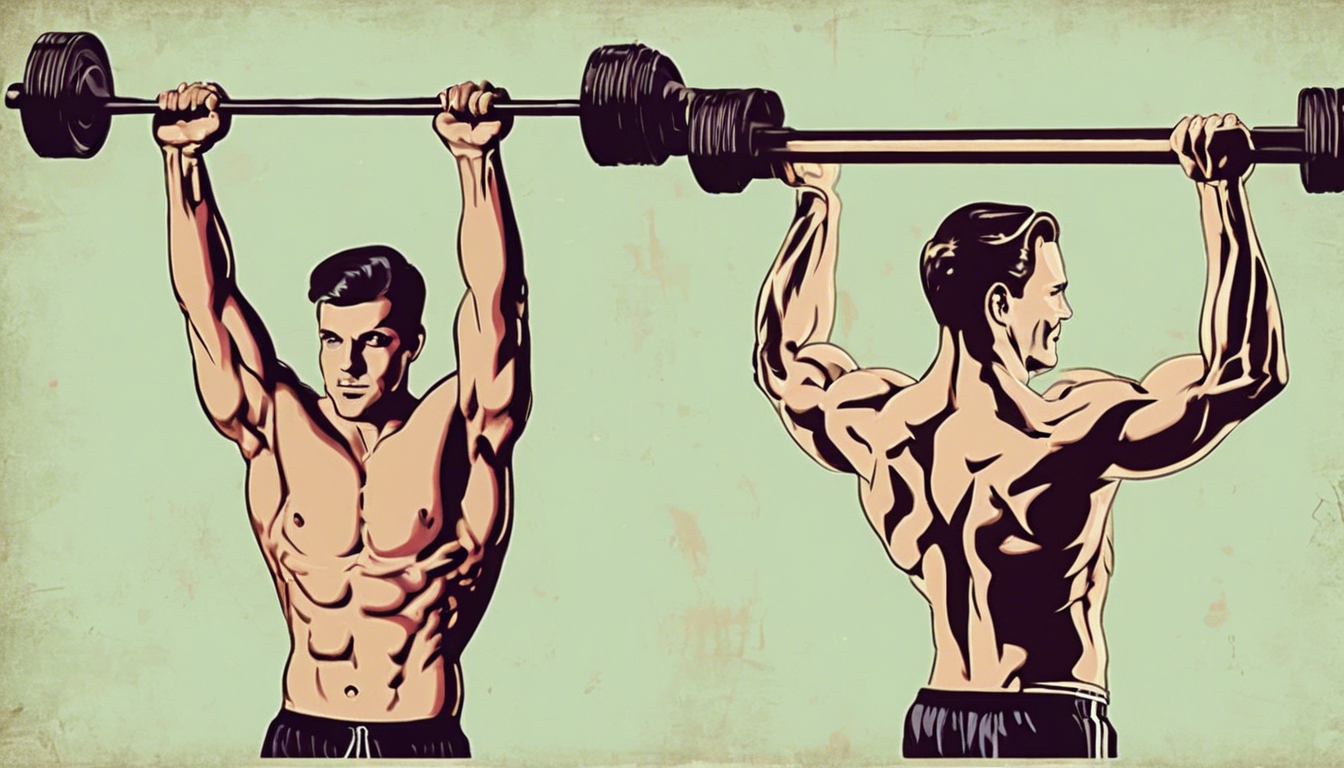
The Vision of Confident, Uninterrupted Progress
Imagine moving through your workout with total confidence, knowing every pull, push, and hold is building a stronger, more resilient you—free from the setback of pain. This confidence isn’t luck; it’s the direct result of meticulous preparation and intelligent practice. Your home fitness bar is a powerful tool, and like any powerful tool, it demands respect and proper handling. Mastering these fundamental safety protocols is the non-negotiable foundation that transforms your bar from a piece of equipment into a gateway to lifelong, injury-free strength.
Foundational Safety: The Installation and Hardware Check
Your safety chain is only as strong as its weakest link. It begins before your first rep, with the absolute integrity of your setup. This is where your discipline pays its first dividend.
Part A: Selection and Secure Mounting
Choosing the correct bar is your first critical safety decision. A doorway pull-up bar is ideal for renters or those with space constraints, but you must verify its compatibility with your door frame’s width and molding. Wall-mounted and ceiling-mounted bars offer the most permanent and stable solution, requiring secure anchoring into wall studs or ceiling joists. Freestanding power towers or squat racks with pull-up bars provide great versatility but demand significant floor space and a perfectly level surface. Regardless of type, the manufacturer’s weight rating is a maximum limit, not a target; always choose a bar rated significantly higher than your body weight to account for dynamic force.
Part B: The Pre-Workout Inspection Ritual
Make this a non-negotiable habit, as routine as putting on your shoes. Before every session, conduct this checklist:
- Hardware: Visually inspect and manually check the tightness of all bolts, screws, and locking mechanisms.
- Mounting Surface: For doorway bars, ensure the door frame is solid wood, not hollow or compromised. For wall/ceiling mounts, confirm brackets have not pulled away from the wall.
- Bar Integrity: Check the main bar for any cracks, bends, or significant corrosion. Wipe down the grip surface to remove sweat and dust for a secure hold.
- The Static Load Test: Before dynamic exercises, hang from the bar with your feet lightly touching the ground for 10-15 seconds, applying gentle side-to-side pressure. Listen and feel for any creaking, slipping, or movement.
The Core System: Exercise Execution and Body Mechanics
Safety is a dynamic practice, embedded in every movement you perform. Proper form is not about aesthetics; it is your primary biological safety mechanism.
Control Variable 1: Scapular Engagement & Core Bracing
Your shoulders and spine are the keystones. Before initiating any pull, depress and retract your scapula—pull your shoulder blades down and together. This stabilizes the shoulder girdle, protecting the rotator cuff from impingement. Simultaneously, brace your core as if preparing for a gentle punch to the stomach. This intra-abdominal pressure creates a protective cylinder around your spine, essential during pull-ups, leg raises, and especially during kipping movements (which should only be attempted after mastering strict form).
Control Variable 2: Range of Motion and Momentum
Chasing depth or reps with poor form is the fastest route to injury. Avoid using momentum (kipping or swinging) to achieve a range of motion you cannot control with strength alone. Perform each repetition with a deliberate tempo: a controlled pull, a brief pause at the top, and a 2-3 second descent. Your safe range of motion is the distance you can move while maintaining scapular control and core tension. A partial rep with perfect form is infinitely more valuable than a full rep with a compromised structure.
Control Variable 3: Grip and Fatigue Management
Grip failure can lead to sudden, dangerous falls. For high-volume pulling, learn the hook grip (wrapping your thumb under your fingers), which significantly enhances security. Crucially, you must learn to differentiate between muscular fatigue (a burning sensation in the lats or biceps) and joint/tendon pain (a sharp or aching feeling in the elbows, wrists, or shoulders). Muscular fatigue is a training stimulus; joint pain is a stop-signal. Always end your set when form deteriorates, not when your grip completely fails.
Advanced Practices: Programming and Progression for Longevity
True safety is proactive. It’s about intelligent programming that builds resilient tissue and robust movement patterns over time.
Preparation: The Non-Negotiable Warm-Up & Mobility
Never go from cold to explosive. Dedicate 8-10 minutes to dynamically preparing the key joints:
- Scapular Circles & Wall Slides: To activate and mobilize the shoulder blades.
- Band Pull-Aparts & Dislocates: To warm up the rotator cuff and posterior shoulder.
- Wrist Circles & Flexor/Extensor Stretches: To prepare the forearms for gripping.
- Dead Hangs: 2-3 sets of 20-30 seconds to gently load the shoulders and stretch the thoracic spine.
Ongoing Inputs: Structured Progression
Progress is a staircase, not a cliff. To build strength safely, follow a logical progression path. For pull-ups, this may mean starting with scapular pulls (just engaging the shoulders), moving to negative reps (jumping to the top and lowering slowly), then to band-assisted pull-ups, and finally to full, unassisted repetitions. Incorporate deload weeks every 4-6 weeks, reducing volume by 40-50% to allow for connective tissue adaptation. Regularly vary your grips (pronated, supinated, neutral) to distribute stress evenly across joints.
Environmental Strategy: Space and Landing Zones
Your environment is part of your safety system. Ensure a clear radius of at least 3 feet around your bar in all directions. The floor beneath you is your landing zone; keep it clear of weights, furniture, and other hazards. A high-density exercise mat can cushion dismounts from failed reps or muscle-ups. For high-skill movements like levers or dynamic swings, consider using crash pads or multiple layers of mats.
Threat Management: Problem Prevention and Solution
Even with perfect form, the body can signal distress. The master practitioner anticipates these signals and has a plan to address them.
Prevention: Listening to Your Body
Develop a keen sense of interoception. Delayed Onset Muscle Soreness (DOMS) is a diffuse, muscular ache that peaks 24-48 hours post-workout. In contrast, pain in tendons (elbows, wrists) or joints (shoulders) is often sharp, localized, and occurs during or immediately after the movement. The latter is a warning. Your body’s resilience is built during recovery: prioritize sleep, consume adequate protein for repair, and stay hydrated to maintain tendon and ligament elasticity.
Intervention: Addressing Common Issues
When warning signs appear, a tiered, intelligent response is required.
| Common Issue | Likely Cause | Tiered Response Plan |
|---|---|---|
| Elbow Pain (Outer Side) | Tendon overuse (Lateral Epicondylitis), often from explosive pulling or poor wrist alignment. |
Tier 1: Immediately stop aggravating exercises. Ice the area. Tier 2: Introduce eccentric wrist extensor exercises and soft tissue work on the forearm. Tier 3: If pain persists beyond 7-10 days, consult a physical therapist. |
| Front Shoulder Pain | Potential biceps tendon or anterior shoulder impingement from over-arching or failing to retract scapulae. |
Tier 1: De-load pulling volume. Focus on scapular retraction strength with rows. Tier 2: Incorporate rear delt and external rotation exercises to rebalance the shoulder. Tier 3: Persistent sharp pain requires medical evaluation to rule out labral issues. |
| Calluses & Grip Tears | Friction from the bar and poor grip mechanics. |
Tier 1: File calluses regularly post-shower. Use gymnastic grips or chalk to reduce friction. Tier 2: Learn to grip the bar in the fingers, not the palm, to minimize skin bunching. Tier 3: For torn skin, clean thoroughly, apply antibiotic ointment, and protect until fully healed. |
The Safety Action Plan: A Weekly and Monthly Checklist
Integrate these tasks into your routine to create a seamless culture of safety.
| Frequency | Primary Safety Tasks | Focus On |
|---|---|---|
| Before Every Session | Conduct the Pre-Workout Inspection Ritual. Perform the 10-minute dynamic warm-up. Clear the landing zone. | Preparation & Setup Integrity |
| Weekly | Check for any new bar rotation or looseness. Clean the grip surface with a mild disinfectant. Mentally assess for any persistent aches or niggles. | Maintenance & Bodily Awareness |
| Monthly | Perform a thorough bolt and bracket torque check with appropriate tools. Record a video of your core exercises to audit form. Review your progression plan. | Deep System Audit & Form Refinement |
The Reward of Masterful Practice
This disciplined approach to safety is what enables true physical freedom—the freedom to train harder, more consistently, and with greater joy for decades. You have journeyed from securing the hardware to mastering the software of your own movement. By internalizing this blueprint, you are not merely avoiding injury; you are constructing a foundation for a lifetime of strength. The unparalleled satisfaction comes from knowing your practice is as sustainable as it is powerful, enriching your health and capability with every confident, controlled rep.