The Vision of a Sculpted Chest, Forged at Home
Imagine walking past the crowded gym, heading straight to your personal space. Here, you achieve a powerful, defined chest—not by waiting for a bench, but through consistent, intelligent effort. The secret isn’t a premium membership; it’s a single, versatile tool and the masterful knowledge to wield it. The home fitness bar is the key to unlocking superior chest development, offering unparalleled control over your environment, consistency in your training, and results entirely on your own terms. This is the foundation of a transformed physique.
Foundational Choices: Your Home Gym “Hardware”
Your fitness bar is the bedrock of your home fortress of strength. Selecting the right tool isn’t an afterthought; it’s the critical first rep that sets the stage for years of progressive overload and growth.
Selection and Sizing: Finding Your Perfect Bar
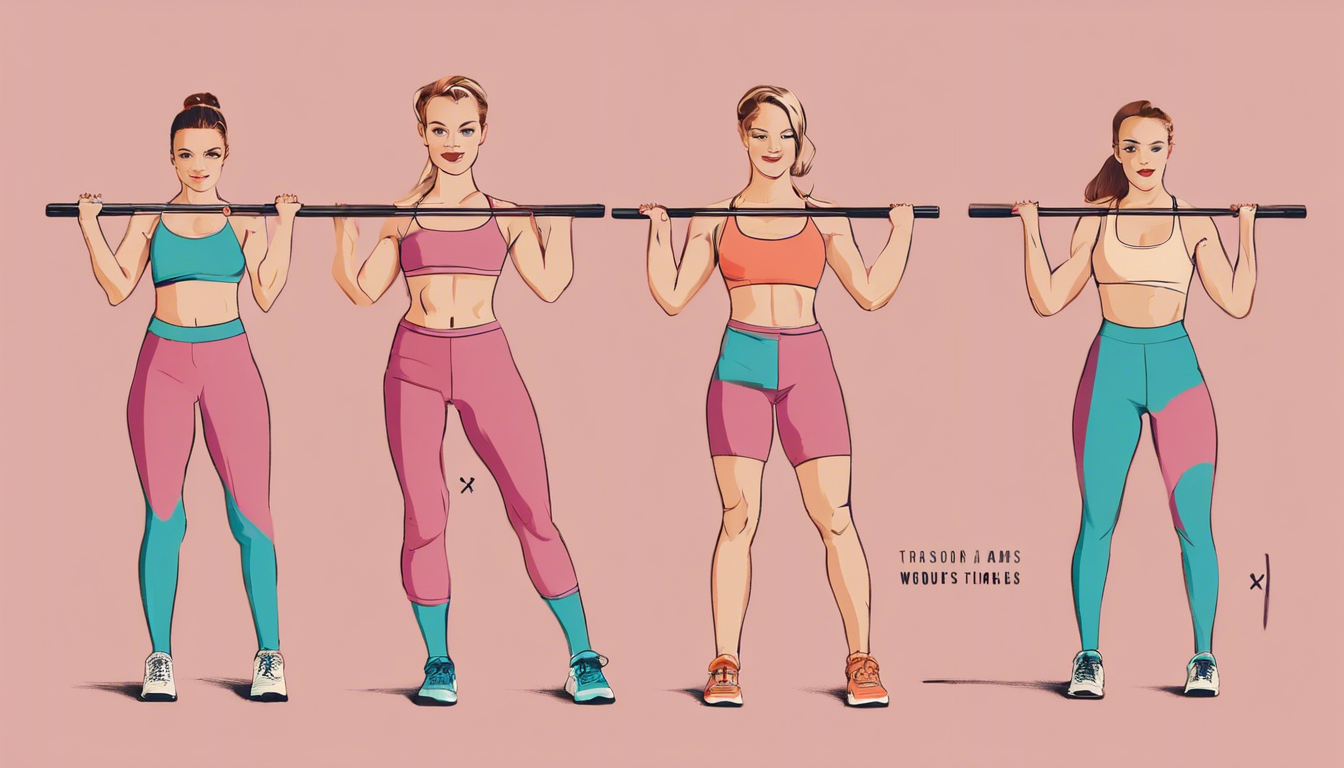
Your goals, space, and budget dictate the ideal bar. A standard 1-inch bar is cost-effective and perfect for beginners with lighter plates. The Olympic 2-inch bar is the professional standard, built for heavy loading and featuring rotating sleeves to reduce torque on your wrists. For targeted chest development, a multi-grip bar is invaluable, allowing neutral grips to spare your shoulders and hit angles a straight bar cannot. Remember: a 7-foot Olympic bar requires clear space; a shorter “rackable” bar might be the smarter choice for compact home setups.
Location and Setup: Creating Your Power Zone
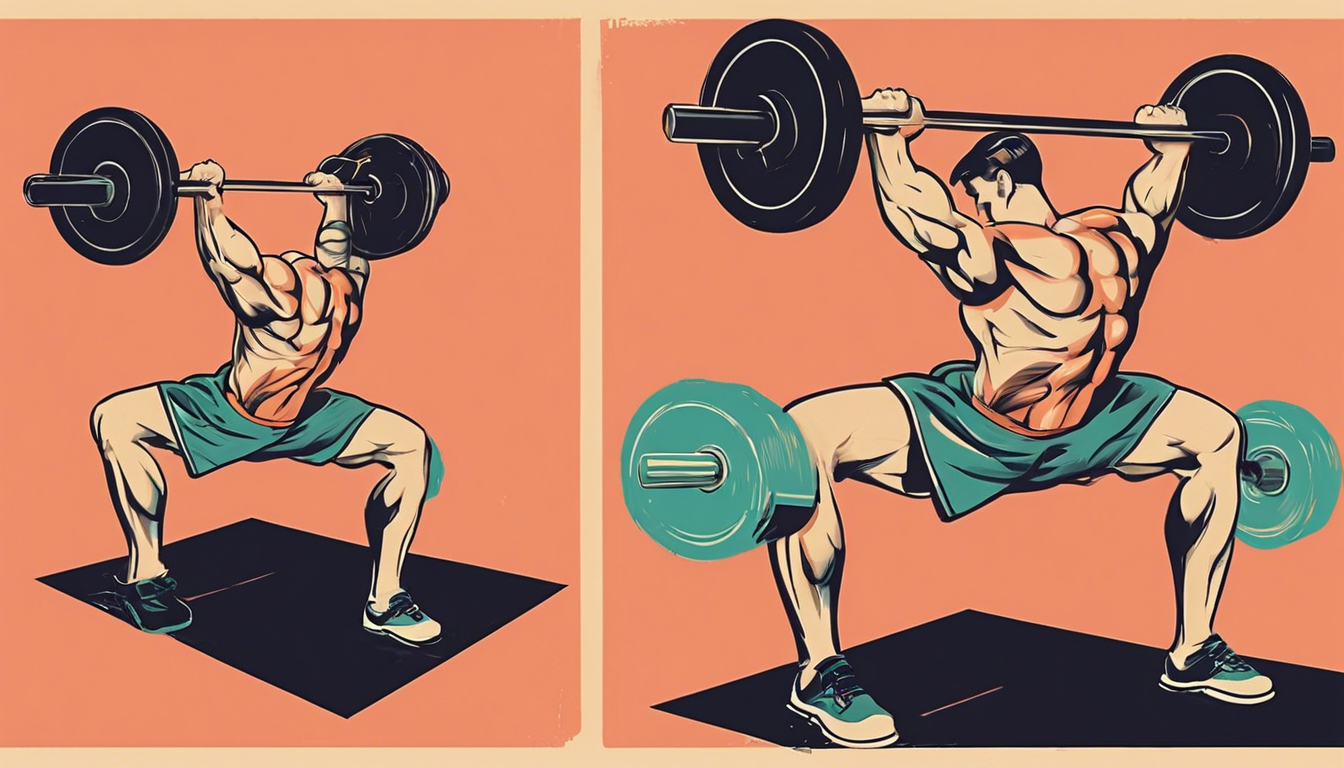
This is where theory meets the floor. Your training area must be sacred and strategic. Use a rigid, level surface—concrete garage floor, reinforced basement, or atop professional rubber mats. Ensure 360-degree clearance, especially overhead and behind you for safe bailouts. Your bar’s partner is the bench: an adjustable bench is the single best investment, unlocking flat, incline, and decline presses. For heavy lifting, a squat rack or stand is non-negotiable for safety. This isn’t just equipment; it’s your ecosystem for growth.
Material and Build Quality: Investing in Your Tool
The devil is in the details of steel and finish. This choice affects grip, durability, and the very “feel” of the lift.
| Component Category | Options | Key Characteristics |
|---|---|---|
| Bar Finish | Chrome | Highly durable and corrosion-resistant; easier to clean. Provides a smoother, sometimes slicker grip which may require more chalk. |
| Bar Finish | Black Oxide | Offers a better raw steel feel than chrome; moderate corrosion resistance. Develops a unique patina over time with use. |
| Bar Finish | Bare Steel / Cerakote | Bare Steel: Superior, aggressive grip directly from the metal. Requires diligent maintenance (oiling) to prevent rust. Cerakote: Excellent corrosion protection with a textured, colorful finish that maintains good grip. |
| Knurling | Aggressive vs. Moderate | Aggressive knurling: Bites into the hands, maximizing grip for heavy lifts. Can be harsh on skin. Moderate knurling: Comfortable for high-rep sets and less likely to tear calluses. |
| Sleeve | Bushing vs. Bearing | Bushings: Reliable and cost-effective; sufficient rotation for powerlifting. Bearings: Butter-smooth, fast rotation ideal for Olympic lifts; often found on higher-end bars. |
The Core System: Mastering Pressing Mechanics
Owning the tool is step one. Mastering the system is where true development happens. Treat each press not as a mere lift, but as a precisely controlled application of force. These variables are your dials for quality.
Variable 1: Range of Motion & Tempo
The Ideal: A full, controlled range of motion—bar gently touching the chest (or coming to a safe depth for you) on every rep, under complete muscular tension.
Consequences of Error: Short-changing ROM builds ego, not muscle. It creates strength gaps and muscular imbalances. Conversely, bouncing the bar off your chest is an invitation for injury.
Control Methods: Use safety pins or spotter arms in your rack to train without fear. Implement intentional tempo. For growth, a 3-1-2 tempo is potent: 3 seconds lowering (eccentric), 1-second pause at the bottom (eliminating momentum), 2 seconds pressing (concentric). This maximizes time under tension.
Variable 2: Scapular Positioning & Bar Path
The Ideal: Shoulder blades retracted (pulled together) and depressed (pulled down your back) before unracking the bar. This creates a stable shelf of muscle for the bar to press from. The bar path is not straight up and down, but a slight diagonal from over the shoulders to the lower sternum.
Consequences of Error: “Floating” shoulders place the rotator cuffs in a vulnerable, impinged position, shifting work from the powerful pectorals to the smaller, injury-prone shoulder joints.
Control Methods: Drill the setup cue: “Squeeze a pencil between your shoulder blades.” Use the mental cue to “bend the bar” as you press, which externally rotates your shoulders into a safe position. Film your sets from the side—your eyes lie, video does not. The bar should not waver forward over your face.
Advanced Practices: The Chest Development Blueprint
With mechanics locked in, your focus shifts to the strategic art of stimulation. This is the blueprint for transforming effort into etched muscle.
Exercise Preparation & Sequencing
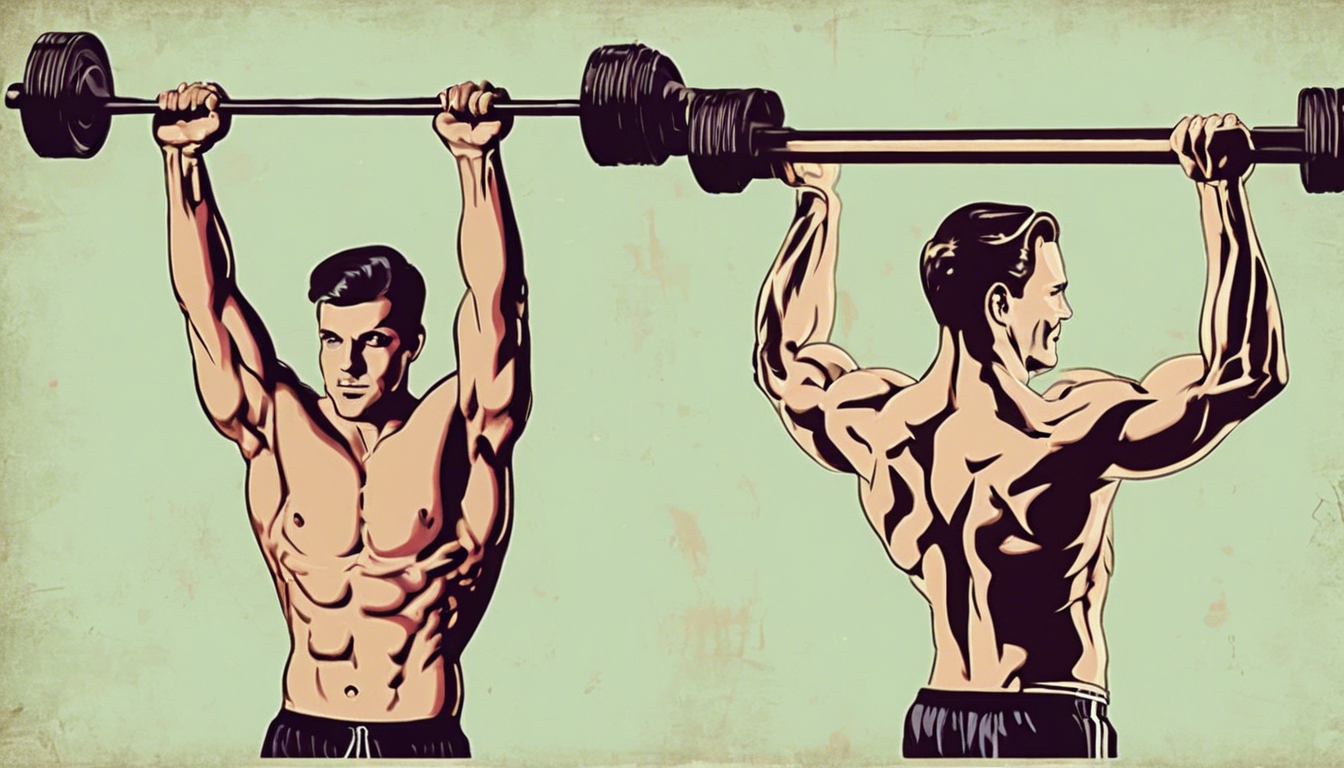
Your exercise selection is your curriculum. For complete development, you need a multi-angle attack. The Flat Barbell Press is your mass builder, the cornerstone for overall pectoral size. The Incline Barbell Press targets the often-neglected clavicular head, building that full, armor-like upper chest. Use Floor Presses or Close-Grip Presses to overload the triceps and lockout strength. Finish with a Dumbbell Flye (using dumbbells as a complementary tool) or a Bodyweight Dip to achieve a deep stretch and isolate the pecs. Sequence with intent: Always perform your heaviest, most complex compound lifts (like the flat press) first, when your nervous system is fresh. Move to lighter, more targeted exercises (like incline or flyes) later in the session.
Progressive Overload & Frequency
Muscles grow from adaptation to increasing demands. This is “feeding” the growth process. Progressive overload is non-negotiable. It does not always mean adding weight. In Week 1, you may perform 3 sets of 8 reps with 185lbs. Progress can be: Week 2: 3 sets of 9 reps with 185lbs. Week 3: 3 sets of 8 reps with 190lbs. Week 4: 4 sets of 8 reps with 185lbs. Track everything. For frequency, the chest—a large muscle group—recovers well with 2-3 intense sessions per week, provided you allow at least 48 hours of rest between them. This consistent, repeated stimulus drives adaptation faster than a single weekly marathon session.
Threat Management: Injury Prevention and Solution
Plateaus and pain are not signs to quit; they are signals to adjust. Adopt the mindset of a tactician: prevent first, intervene precisely.
Prevention: The Pillars of Safety
Your first defense is a ritual. Never start cold. A dynamic warm-up—arm circles, band pull-aparts, light push-ups—increases blood flow and prepares the joints. Perform form check sets with just the bar before loading. Most critically, learn to listen to the difference between the deep ache of muscular fatigue and the sharp, pinching warning of joint pain. The former is a challenge; the latter is a command to stop.
Intervention: Addressing Plateaus and Pain
When progress stalls or discomfort arises, diagnose before you treat.
Is it a technique flaw? Re-watch your form videos or record new ones. Often, a slight grip adjustment or elbow tuck can resolve shoulder tweaks.
Is it systemic fatigue? Implement a planned deload week every 4-8 weeks: reduce weight or volume by 40-60% to allow for supercompensation.
Is it persistent joint pain? Regress the exercise. If barbell pressing hurts, switch to dumbbells for their natural range of motion. If incline hurts, focus on flat. Pain that does not resolve with a week of rest and regression requires professional advice from a physical therapist or sports medicine doctor.
Your 4-Week Chest Transformation Calendar
This is your practical roadmap. Execute each week with focus, using the principles of mechanics, sequencing, and overload. Perform 2-3 times per week, with rest days between.
| Week/Phase | Primary Tasks | What to Focus On |
|---|---|---|
| Week 1: Foundation & Form | Master Flat Bench setup and 3-1-2 tempo. Introduce Incline Press with light weight. Perform 2 working sets per exercise. | Neuromuscular connection. Feeling the chest contract. Achieving full, controlled range of motion above all else. No ego lifting. |
| Week 2: Consistency & Connection | Add 1 working set to each exercise. Ensure every rep touches the chest (safely). Introduce a finisher: Push-Ups to failure. | Reinforcing scapular positioning. Maintaining tempo as fatigue sets in. Learning the difference between muscle burn and joint strain. |
| Week 3: Controlled Intensity | Add 2.5-5 lbs to each lift from Week 1, or add 1 rep to each set. Introduce Close-Grip Bench Press as a third movement. | Handling slightly heavier weight with perfect form. Noting your sticking points. Feeling the triceps engagement on close-grip. |
| Week 4: Overload & Consolidation | Attempt to match or exceed Week 3’s best performance. Focus on explosive concentric motion. Optional: Test your 5-rep max on Flat Bench with a spotter. | The satisfaction of measurable progress. Consolidating all learned techniques under higher load. Planning your next 4-week cycle with increased benchmarks. |
The Forged Result: Strength and Aesthetics on Your Terms
The journey from selecting your first bar to executing your own perfectly calibrated workout is the journey from dependence to mastery. It proves that the core principle is immutable: consistent, intelligent effort with the right tool creates profound change. The crowded gym fades into background noise, replaced by the profound satisfaction of the iron’s whisper in your own space. You are not just building a chest; you are forging discipline, resilience, and independence. This is the true transformation—a powerful physique and the unshakable confidence that you built it, rep by precise rep.