Unlock Your Potential: The Home Fitness Bar as Your Strength Architect
Imagine a single, elegant piece of steel in your living space. It’s not just equipment; it’s the master key to unlocking raw strength, sculpting a balanced physique, and forging athletic resilience—all on your own terms. This is the promise of the home fitness bar. Its simplicity is deceptive, its versatility, profound. To master the exercises you can perform with it is to gain command over the fundamental language of human movement. This is your complete blueprint for transforming that bar from a simple tool into the architect of your strongest self.
Foundational Choices: Selecting Your Strength Architect
Your bar is the primary hardware of your personal gym. The right choice doesn’t limit your potential—it defines and expands it. This decision is the bedrock of every lift to come.
Part A: Type and Load Capacity
Your goals dictate your bar. For pure strength and powerlifting foundations, a 7-foot, 20kg Olympic bar with high load capacity is the standard. For general fitness and hypertrophy in limited spaces, a shorter, fixed-weight multi-grip bar or a hex bar offers incredible versatility and is often easier to store. A dedicated curl bar is a specialist tool for arm development and comfortable pressing angles. Choose based on your primary training style: Olympic bars for dynamic lifts, power bars for maximal strength, and specialty bars for targeted work and joint comfort.
Part B: The Home Gym Setup
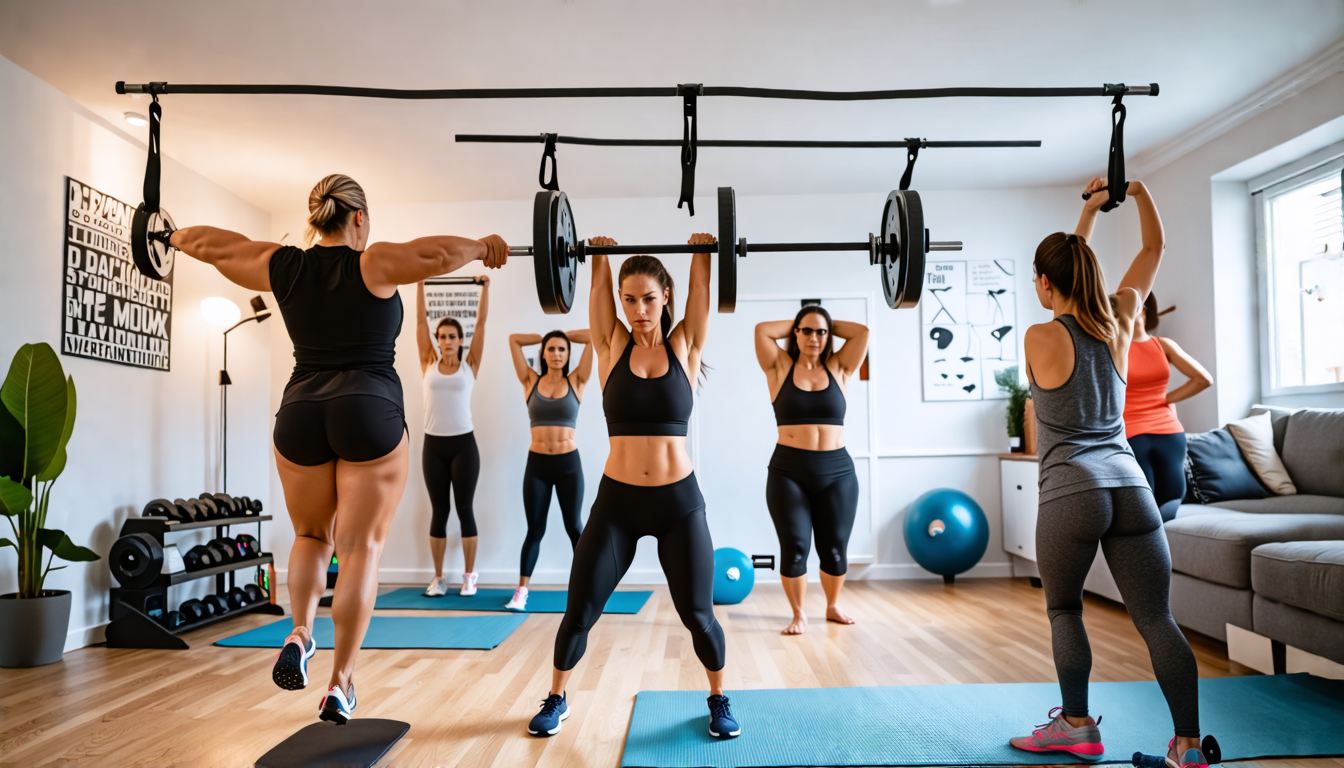
Placement is safety. Ensure a clear, permanent space at least twice the bar’s length in all directions. Invest in high-density rubber flooring to protect your floor and dampen sound. Even without a full rack, a set of sturdy squat stands or a wall-mounted storage solution is non-negotiable for safe unracking and re-racking of loaded bars. Always use spring collars or clamp collars to secure weight plates; this is a fundamental safety rule, not a suggestion.
Part C: Material and Build: A Comparative Guide
| Component | Options | Key Characteristics |
|---|---|---|
| Bar Shaft | Bare Steel, Cerakote, Stainless Steel |
Bare Steel: Superior natural grip feel; requires consistent oiling to prevent rust. Cerakote: Extremely corrosion-resistant and durable; slightly smoother knurling feel. Stainless Steel: The premium choice; excellent corrosion resistance with a great bare-metal grip. |
| Sleeve/Bearing Type | Basic Bushings, Needle Bearings, Fixed |
Basic Bushings: Reliable and affordable; sufficient spin for most non-Olympic lifting. Needle Bearings: Provides extremely fast sleeve rotation essential for the clean & jerk and snatch. Fixed (on cheap bars): No spin; avoid for any serious lifting as it strains wrists and limits technique. |
| Knurling | Aggressive, Moderate, Passive |
Aggressive: Maximum grip security for heavy deadlifts and pulls; can be harsh on the hands during high-volume work. Moderate (Most Common): The ideal balance, offering great grip for all lifts without shredding your palms. Passive: Found on beginner bars; often insufficient for heavy or sweaty workouts. |
The Core System: Mastering the Six Movement Patterns
True mastery lies not in memorizing random exercises, but in commanding the fundamental movement patterns that build a complete, resilient body. Your fitness bar is the ultimate tool for this education.
1. The Hinge Pattern: Engine of Posterior Power
Primary Exercise: The Deadlift. This is your cornerstone for building raw power, from the floor up. Grip the bar just outside your legs, brace your core as if bracing for a punch, and drive through your entire foot to stand tall, dragging the bar up your legs.
Control & Variation: Master the conventional stance before moving to sumo. For targeted hamstring and glute development, implement Romanian Deadlifts, stopping just below the knee. For unilateral stability, progress to Single-Leg Deadlifts using lighter plates.
2. The Squat Pattern: Foundation of Lower Body Strength
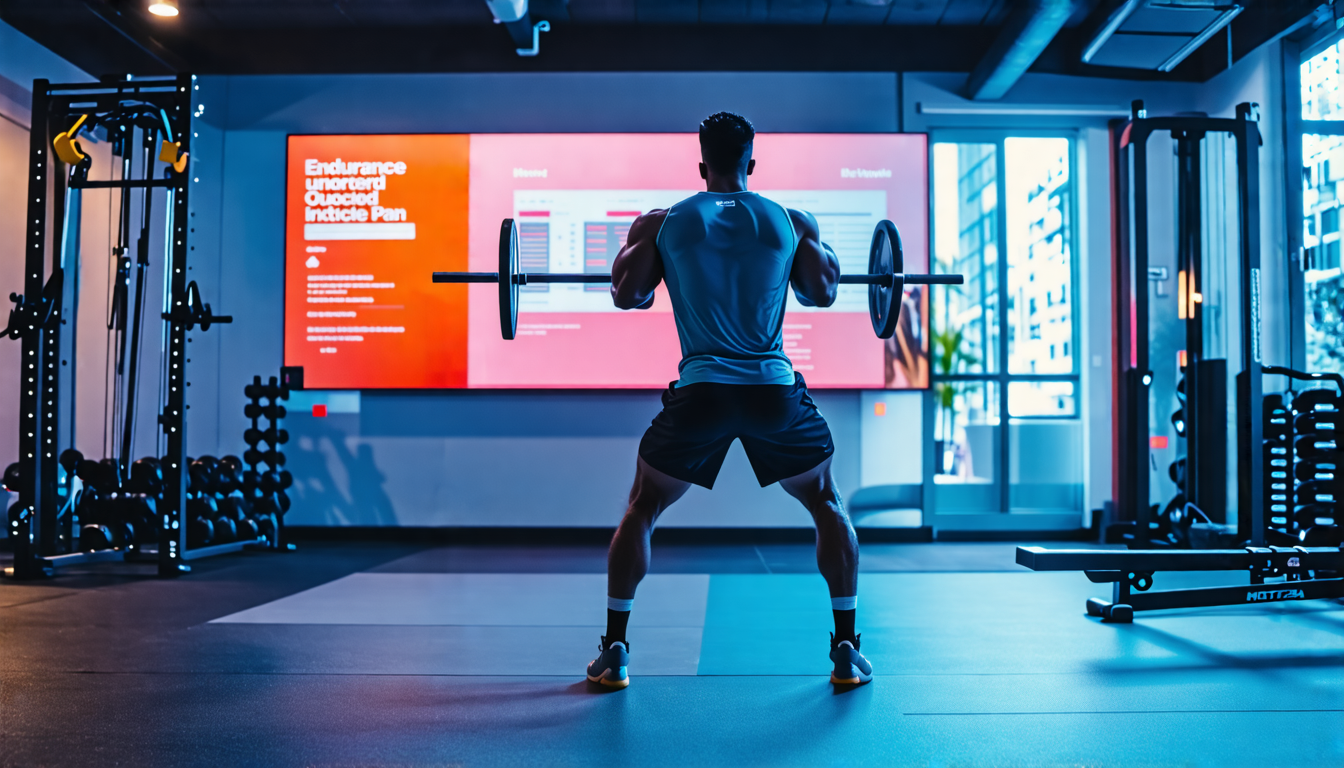
Primary Exercise: The Back Squat. Place the bar securely across your upper back, take a breath into your belly, and descend with control, keeping your chest up and knees tracking over toes. Aim for depth where your hip crease passes below your knee.
Control & Variation: The Front Squat, with the bar in the “front rack” position, demands superior core and upper back engagement. Without a rack, master the Goblet Squat by holding one end of the bar vertically against your chest.
3. The Vertical Press: Building Shoulder Fortresses
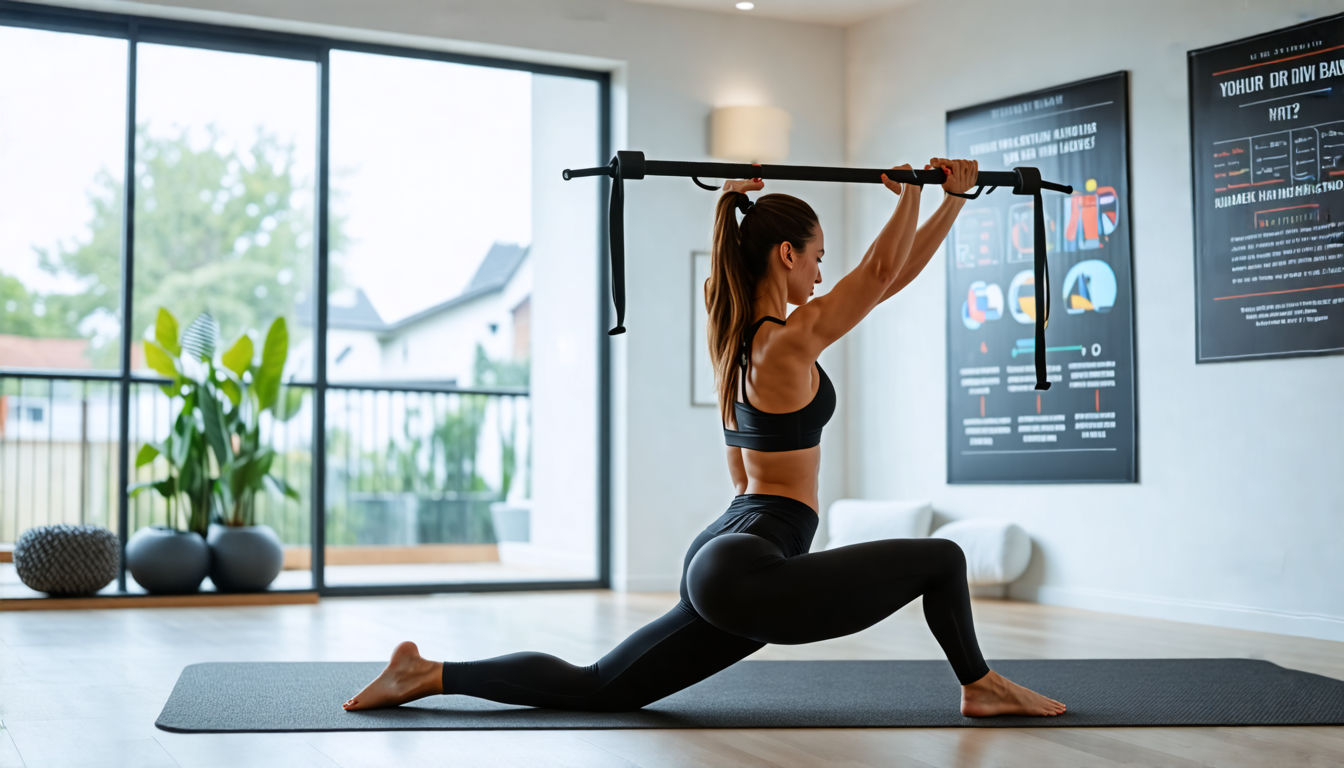
Primary Exercise: The Overhead Press. From a rack or clean, press the bar directly overhead, pushing your head forward as the bar passes your face to achieve a full lockout with your biceps by your ears. Avoid excessive backward lean.
Control & Variation: Use the Push Press—a slight dip and drive from the legs—to move heavier loads and build explosive power. If you have a landmine attachment, the Landmine Press is a shoulder-friendly alternative with a natural arc.
4. The Horizontal Press: Forging Chest and Triceps
Primary Exercise: The Floor Press. Lying on your back, lower the bar until your upper arms touch the floor, then press back up. This self-limiting movement builds pressing power safely without a bench and protects the shoulders.
Control & Variation: With a bench, you unlock the full Bench Press. Immediately integrate the Close-Grip Bench Press to dramatically increase triceps strength, which will boost all your pressing numbers.
5. The Pull: Constructing a Powerful Back
Horizontal Pull: The Bent-Over Row. Hinge at the hips, back flat, and row the bar to your sternum, squeezing your shoulder blades together. For a powerful, explosive pull, try Pendlay Rows, starting each rep from a dead stop on the floor.
Vertical Pull: If your bar is securely mounted, Pull-Ups are king. No mount? Perform Inverted Rows by setting the bar in a squat rack or on sturdy stands at waist height and pulling your chest to the bar.
6. Core & Anti-Rotation: The Pillar of Stability
This is not about crunches. This is about creating an unbreakable pillar. Barbell Rollouts (from the knees or feet) are a masterclass in anterior core strength. Landmine Rotations and Pallof Presses (with a band attached to one end of the bar) teach your core to resist rotation, translating directly to a more powerful, safer deadlift and squat.
Advanced Practices: The Art of Programming for Results
With the movement patterns mastered, the art lies in their combination. This is where you architect consistent progress.
Building Your Workout Template
Structure each session around the movement hierarchy: prioritize your most technically demanding lifts (like deadlifts and squats) first. A potent full-body template performed 3 times a week could be: A) Deadlift, Overhead Press, Bent-Over Row. B) Squat, Floor Press, Pull-Ups/Inverted Rows. Select your rep ranges with intent: 3-5 reps for pure strength, 8-12 for muscle growth, 12+ for endurance and metabolic conditioning.
Progressive Overload: The Engine of Growth
Adding weight is the simplest method, but not the only one. When progress stalls, manipulate other variables: increase total reps per set, slow down the eccentric (lowering) phase to 4 seconds, reduce rest periods, or advance to a more difficult exercise variation (e.g., from goblet squat to front squat).
The Complete Toolkit: Your Answer
So, what exercises can you do with a home fitness bar? You command the entire spectrum: from foundational powerlifts like deadlifts and squats that build raw, systemic strength, to precise pressing and pulling movements that carve a balanced and powerful upper body, and finally, to targeted core work that creates unshakeable stability for every other lift. It is, unequivocally, a full-body strength solution.
Threat Management: Ensuring Safety and Sustained Progress
Mastery requires not just effort, but foresight. A proactive mindset prevents injury and plateaus before they occur.
Prevention: The Non-Negotiable Protocol
Your safety checklist is sacred: Always use collars. Maintain a clear, trip-free workspace. Film your working sets regularly to self-audit form. Never attempt a maximal lift without a safe means to fail, such as squat stands with safety pins or learning the roll of shame for bench presses. The bar must be stored securely when not in use.
Intervention: Diagnosing and Solving Plateaus
When progress halts, diagnose the cause. Is it a form breakdown, like a rounding upper back on late-set rows? The solution is a planned deload—a week of reduced volume or intensity—followed by a focus on tempo training. Is it a lack of recovery? Scrutinize your sleep and nutrition before adding more volume. Consistent plateaus often signal a need for variation, not just more effort.
Your 4-Week Blueprint to Foundational Mastery
| Phase | Primary Tasks | Focus & Goal |
|---|---|---|
| Weeks 1-2: Technique Acquisition | Practice the core movement patterns 3x per week with an empty bar or very light load. Record every major lift. Perform 3 sets of 8-10 reps, focusing purely on the movement cues outlined in this guide. | Establish flawless neuromuscular pathways. The goal is perfect practice, not fatigue. Build the mind-muscle connection for each pattern. |
| Weeks 3-4: Structured Progression | Execute three full-body workouts weekly. For your main lift in each pattern (e.g., Deadlift, Overhead Press, Bent-Over Row), perform 3 working sets of 5 reps. Add 2.5-5 lbs to these lifts each successful session. | Introduce systematic, linear overload. The goal is to build confidence under manageable, increasing load, cementing the technique under mild fatigue. |
From Tool to Transformation
The journey transforms the tool. The home fitness bar ceases to be an object and becomes a reflection of your discipline—the architect of your resilience. The profound satisfaction lies not in the steel you hold, but in the strength you build with it. It is the quiet confidence of a perfect pull from the floor, the stability of a deep squat, and the powerful line of a press locked out overhead. This is the mastery you command: a stronger, more capable you, forged rep by deliberate rep.