The Vision of Mastery at Home
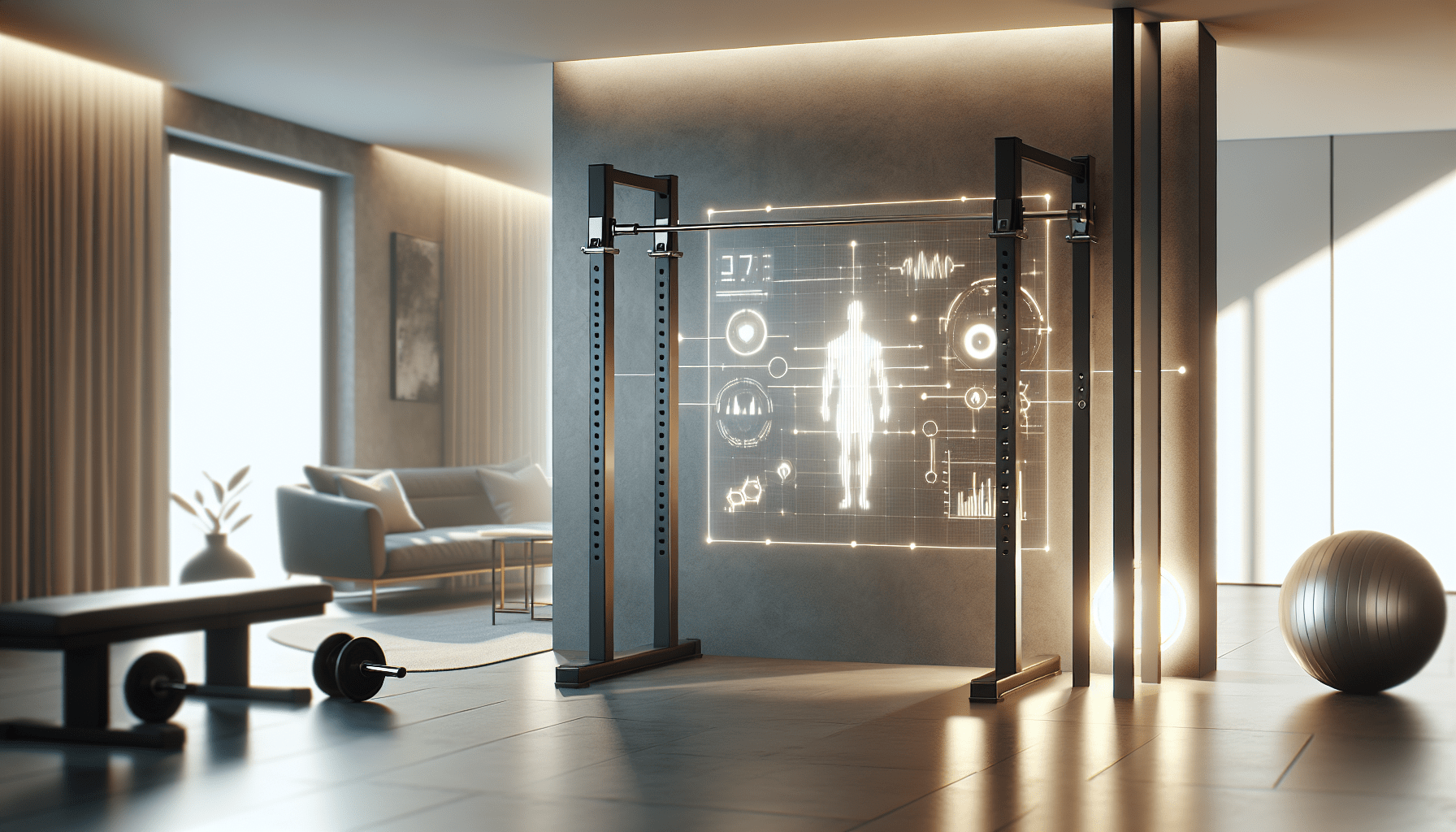
Imagine a single piece of equipment that unlocks total-body strength, sculpts your physique, and builds the functional power for everyday life—all within your own four walls. This isn’t a fantasy of a commercial gym; it’s the reality created by the humble, yet profoundly powerful, home fitness bar. Understanding and leveraging the full spectrum of benefits of using home fitness bars is the foundational key to building a superior, sustainable, and empowering personal fitness ecosystem. It is the catalyst that transforms a room into a crucible of personal transformation.
Foundational Choices: Selecting Your Engine of Transformation
Your bar is not just a tool; it’s the core hardware of your home gym system. This initial choice dictates the scope of your potential. Selecting the right bar and setting it up correctly is the non-negotiable first step toward unlocking every benefit that follows.
Part A: Type & Purpose – Matching the Bar to Your Ambition
Every bar has a specialty. Choosing the wrong one is like trying to write a novel with only a pencil stub—possible, but needlessly limiting.
- Standard Barbell (1″ diameter sleeves): The versatile workhorse for classic strength training. Ideal for squats, presses, and rows with standard weight plates. Best for general fitness and dedicated home gyms on a budget.
- Olympic Barbell (2″ diameter sleeves, rotating sleeves): The professional’s choice. Built to handle extreme loads for squats, deadlifts, and bench press, and engineered for the dynamic forces of Olympic weightlifting (cleans, snatches). This is the lifetime investment for serious strength athletes.
- EZ-Curl Bar: The specialist for arm development. Its angled grips place your wrists, elbows, and shoulders in a more natural position for bicep curls, tricep extensions, and rows, significantly reducing joint strain and allowing for better muscle isolation.
- Trap/Hex Bar: The ergonomic powerhouse. By allowing you to stand inside the bar for deadlifts, it places the load closer to your center of gravity, reducing shear force on the spine. It is arguably the safest and most effective tool for building foundational leg, hip, and back strength, and excels for farmer’s carries.
Part B: Space & Setup – Engineering Your Training Zone
A bar without a proper stage is a hazard. Your environment must be engineered for safety and performance.
- Calculating Clearance: You need space not just for the bar, but for your body in motion. For overhead presses and Olympic lifts, ensure at least 12-18 inches of clearance above your extended arms. For deadlifts and squats, maintain a clear radius of at least 3 feet behind and in front of the bar’s starting position.
- Flooring & Foundation: Concrete floors will crack and weights will be destroyed. A minimum of 3/4-inch thick rubber horse stall mats are essential. For heavy deadlifting, construct a simple lifting platform to absorb impact and protect your floor.
- Storage Solutions: A bar left on the floor is a tripping hazard and risks damage. Use wall-mounted horizontal racks or vertical bar holders. This preserves the bar’s straightness (whip) and keeps your training space organized and professional.
Part C: Bar Specifications & Materials – The Anatomy of Quality
The devil is in the details. The materials and construction of your bar determine its feel, performance, and longevity.
| Component | Options & Key Characteristics |
|---|---|
| Shaft Material & Finish |
|
| Sleeve (Spin & Coating) |
|
| Knurling & Markings |
|
The Core System: The Multidimensional Benefits Unlocked
A home fitness bar is a dynamic system for physical transformation. Its benefits are not isolated; they interconnect and compound, creating a positive feedback loop of improvement that touches every aspect of your life.
Benefit 1: Unmatched Strength & Muscular Development
The Science: The barbell is the ultimate tool for applying the principle of progressive overload—the gradual increase of stress placed on the musculoskeletal system. This is the non-negotiable stimulus for muscle hypertrophy and neurological adaptation. The Practice: Compound movements like the squat, deadlift, and press recruit more muscle fibers across more joints than any isolation machine. You are not just building a muscle; you are forging a stronger, denser, more capable body architecture.
Benefit 2: Superior Functional Fitness & Athleticism
The Transfer: Barbell training is the practice of essential human movement patterns: the hip hinge (deadlift), the squat, the vertical and horizontal press, and the pull. Mastery here translates directly to real-world power—lifting groceries, playing with kids, moving furniture with confidence and safety. The Control: Unlike guided machines, a free-weight barbell forces you to stabilize the load in three-dimensional space. This builds resilient connective tissue, improves balance, and develops a profound sense of body awareness that is otherwise unattainable.
Benefit 3: Ultimate Convenience & Consistency
Eliminating Barriers: The single greatest predictor of fitness success is consistency. The “zero-commute gym” eliminates the biggest obstacles: travel time, crowded spaces, and perceived inconvenience. Your workout begins 60 seconds after you decide to do it. This psychological advantage is monumental and leads to unparalleled adherence. Time Efficiency: With your own bar, there is no waiting. Workouts become focused, dense, and incredibly efficient. A 45-minute barbell session at home can be more productive than 90 minutes in a crowded commercial facility.
Benefit 4: Cost-Effectiveness & Long-Term Value
The Investment Analysis: A quality barbell and a set of plates may seem like a significant upfront cost. Compare it to a $50/month gym membership. In two years, you’ve spent $1,200 with nothing to show for it. That same investment buys you a professional-grade barbell and weights that will last a lifetime. Durability & Legacy: A well-made barbell does not wear out; it gets broken in. It becomes a permanent fixture in your life, a tool for growth that can be used for decades, and even passed on.
Advanced Practices: Optimizing Your Barbell Ecosystem
Once the bar is in place and the basic lifts are mastered, the true art begins. This is where you transform the tool into an intelligent coach, programming it to deliver specific, progressive results.
Programming for Progressive Results
Random workouts yield random results. Structure is everything.
- Foundational Protocols: Adopt a proven linear progression program like Starting Strength or StrongLifts 5×5 for your first 3-6 months. These systems provide a simple, foolproof algorithm: add weight to the bar every session. For intermediate lifters, periodized models like 5/3/1 manage fatigue and promote long-term gains.
- Balancing the Movements: Structure your week around the core human movements. A simple, effective split: Day 1: Squat & Horizontal Press (Bench). Day 2: Deadlift & Vertical Press (Overhead). Day 3: Squat Variation & Horizontal/Vertical Pull (Rows, Pull-ups).
Accessory Integration & Unconventional Use
The barbell’s utility extends far beyond the power rack.
- Companion Tools: Use resistance bands attached to the bar to create accommodating resistance, making the lift harder at the top where you are strongest. Add weight chains for the same effect. Use plyo boxes for box squats or step-ups holding the bar.
- Beyond the Rack: Implement barbell complexes (performing a sequence of exercises back-to-back without putting the bar down) for brutal and efficient conditioning. Master the front rack carry and overhead carry to build monumental core stability and shoulder health.
Threat Management: Safety, Form, and Problem Prevention
Mastery is built on a foundation of proactive safety. The goal is not to avoid the bar, but to engage with it so intelligently that risk is engineered out of the process.
Prevention: The Non-Negotiables
These practices are your primary defense.
- Form as Foundation: Technique is not an advanced topic; it is the first topic. Invest time—even weeks—practicing the major lifts with an empty bar or a PVC pipe. Film your sets. The cost of a single session with a qualified coach to learn the squat, bench, and deadlift is the best investment you will make.
- The Safety Toolkit: Always use collars to lock plates on the sleeve. If lifting alone in a rack, always set the spotter arms or safety bars at a height that will catch the bar if you fail. Before every lift, perform a quick equipment check: knurling clear of debris, sleeves spinning freely, collars tight.
Intervention: Breaking Through Plateaus & Avoiding Injury
When progress stalls, diagnose before you despair.
- Identifying Stalls: Is it a technique flaw that appears under heavier load? A recovery deficit from poor sleep or nutrition? Or a programming issue requiring a change in volume or intensity? The bar provides the data—your logged lifts—to find the answer.
- Deloading and Managing Fatigue: Progress is not linear. Schedule a deload week every 4-8 weeks, where you lift with 40-60% of your normal weight for fewer sets. This is not quitting; it is active recovery that allows your body to super-compensate and come back stronger. Listen to the feedback from your bar sessions—lingering joint pain or systemic fatigue are commands to pull back, not push through.
Your 90-Day Roadmap to Barbell Mastery
Knowledge without action is theory. This phased plan turns the principles into practice.
| Phase (Month) | Primary Tasks | Focus On |
|---|---|---|
| Foundation (Month 1) | Technique mastery with empty bar/Light weight. Establish a non-negotiable 3-day/week schedule. Finalize space setup with flooring and storage. | Motor learning and neurological adaptation. Building the unshakable habit. Consistency over intensity. |
| Progression (Months 2-3) | Implement a linear progression program. Add 2.5-5 lbs to major lifts each session. Introduce 1-2 accessory movements per day (e.g., rows, curls). Begin a detailed workout log. | Adding sustainable strength. The discipline of the logbook. Honing self-awareness of effort and recovery. |
The Transformation Realized
The barbell is a simple tool that yields complex, life-enriching rewards when approached with knowledge and consistency. This journey—from the deliberate selection of your first bar to its seamless integration into a lifestyle of strength—forges more than muscle. It builds the confidence of self-reliance, the resilience born of overcoming progressive challenges, and the profound satisfaction of achieving a personal record in your own personal arena. The true, culminating benefit of using home fitness bars is the creation of a space for continuous growth, a daily practice of empowerment that enriches every other part of your life. You don’t just own a piece of equipment; you have installed the catalyst for a stronger self.