The Vision of Raw Power
Imagine the bar, once impossibly heavy, now rocketing from the floor to your shoulders as if propelled by a spring. Feel the violent, controlled extension of your hips, the whip of the barbell, and the solid, unshakable catch. This is not just lifting; this is the expression of explosive power. It’s the physical quality that separates the strong from the truly athletic, transforming raw strength into dynamic, game-changing movement. Mastering explosive power moves with bars is the foundational key to unlocking superior athletic performance, unmatched functional resilience, and a new, commanding tier of physical capability.
Foundational Choices: Your Power Toolbox
Your barbell is not just a piece of equipment; it is your primary lever for generating and channeling force. The choices you make here form the non-negotiable bedrock of safety, technique, and potential. This is the hardware of power.
Part A: Bar Selection & Purpose
The type of bar dictates the movement. For explosive power, you need tools built for acceleration and impact.
- Olympic Barbell (20kg / 45lb Men’s, 15kg / 33lb Women’s): The gold standard. Its 28mm diameter and rotating sleeves (spin) allow for a secure grip and efficient turnover during cleans and snatches. The “whip” of a quality bar absorbs force and aids in the second pull.
- Trap/Hex Bar: The premier tool for explosive lower-body development. The centered grip allows for a more upright torso, making exercises like jump shrugs and trap bar deadlifts exceptional for practicing triple extension with heavy loads, with less technical demand than a clean.
- Standard Barbell (1-inch sleeves): Generally unsuitable. They lack the spin, durability, and standardized plate loading required for safe, explosive training.
Weight Plate Type: Bumper plates are a non-negotiable standard. Their uniform diameter allows you to safely drop the bar from overhead or the shoulders, which is essential for practicing with intent and for failed lifts. Iron plates on a hard surface are a recipe for broken equipment and floors.
Part B: The Training Environment & Setup
Power moves demand a sanctuary, not just space.
- The Platform Imperative: A dedicated lifting platform (or at minimum, reinforced rubber flooring) is essential. It protects your floor, dampens sound, and provides a consistent, secure surface for driving force into the ground.
- Spatial Requirements: You need clearance in every direction. A minimum of 2-3 feet behind and in front of the bar is needed for bailing safely on a missed lift. Ensure nothing overhead impedes a fully locked-out press or jerk.
Part C: Equipment Breakdown Table
| Component Category | Options | Key Characteristics |
|---|---|---|
| Bar Type | Olympic Barbell | 28mm shaft with rotating sleeves; designed for the whip and spin required for Olympic lifts; the essential tool for cleans, snatches, and their derivatives. |
| Trap/Hex Bar | Centered, neutral grip; allows for maximal vertical force production with a safer spinal position; ideal for heavy explosive deadlifts and jumps. | |
| Plate Type | Bumper Plates | Rubber construction with uniform diameter; allows for safe dropping and bouncing; mandatory for practicing the full spectrum of explosive power moves with bars. |
| Competition Bumpers | Thin, precise, and durable; the choice for serious training where exact loading and minimal bar oscillation are required. |
The Core System: Mechanics & Technique Mastery
Power is physics applied to the human body. It is a system of levers and timing that must be mastered before intensity is applied. This is the software of movement.
The Triple Extension Engine: Ankle, Knee, Hip
This is the fundamental power-generating sequence. All explosive movements culminate in the rapid, synchronous extension of these three joints, projecting force into the bar or your body.
- The Sequence: Initiate the pull from the floor, then violently extend hips, knees, and ankles (rising onto the balls of your feet) to accelerate the bar.
- Ingrain the Pattern: Practice with jump shrugs (emphasizing the pull and extension) and high pulls (focusing on driving the elbows high after extension). Use light weight and prioritize speed.
The Speed-Strength Continuum
The intent for every rep must be maximal velocity. The weight is secondary to the speed of the bar.
- The Intent Rule: Whether the bar is 40% or 80% of your max, your goal is to move it as fast as possible. This trains your nervous system to recruit high-threshold motor units rapidly.
- Measurement Tools: While velocity-based training devices are ideal, a simple “speed test” works: if the bar speed is visibly slow, the weight is too heavy for power development.
The Catch & Receiving Positions
An explosive pull is useless without a stable finish. The catch is where power is received and controlled.
- For Cleans: Meet the bar in a partial front squat (“power” position), with elbows whipped through fast and high, torso upright, and core braced.
- For Presses/Jerks: Receive the bar in a solid, locked-out overhead position with shoulders actively packed, or in the stable dip of a push press.
Advanced Practices: The Power Movement Arsenal
With your hardware set and mechanics sound, you now cultivate power through a curated library of movements, programmed with intent.
Preparation: The Dynamic Warm-Up
Prime the nervous system. This is not stretching; it is activation.
- Include: Light plyometrics (pogo jumps, box jumps), medicine ball throws (chest pass, overhead slam), and barbell drills (empty bar muscle cleans, snatch grip high pulls) for 5-10 minutes.
The Foundational Movement Library
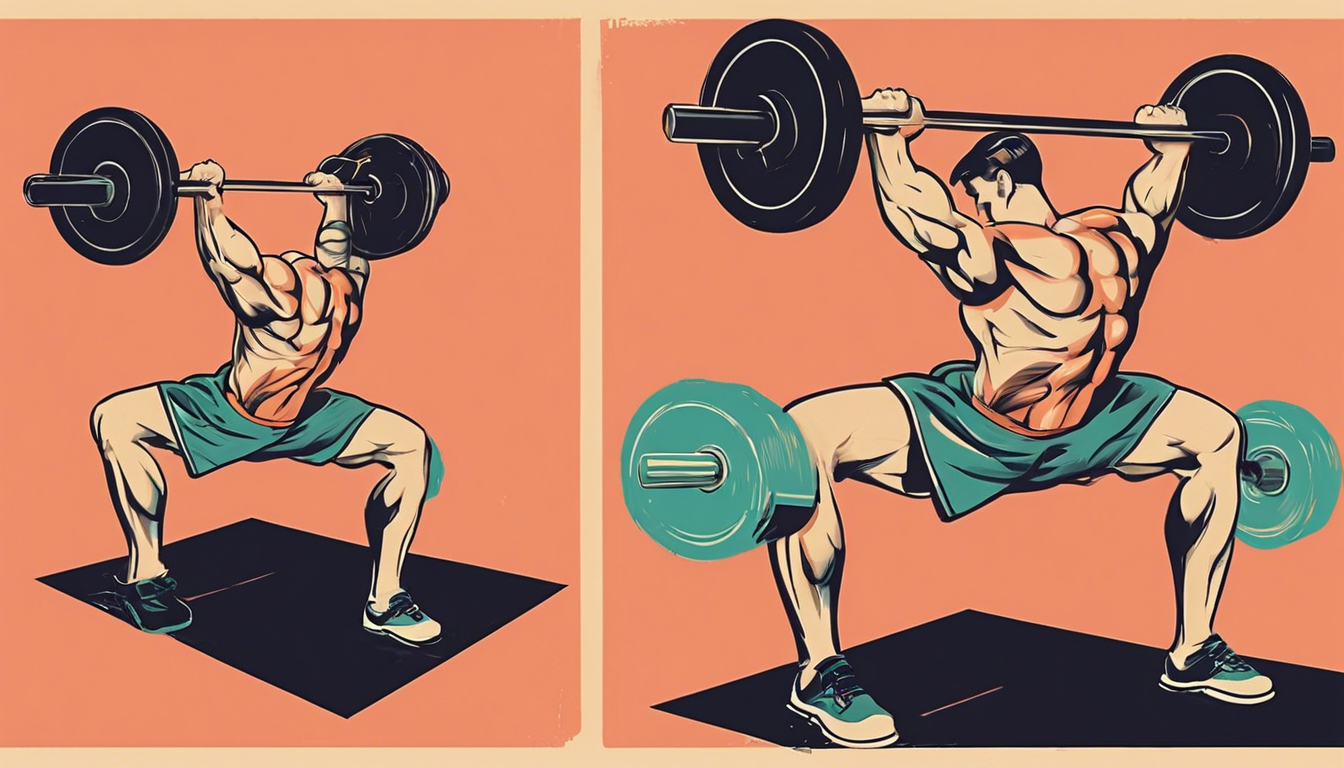
- Power Cleans: The quintessential explosive power move with a bar. It trains the full triple extension and demands a rapid, precise catch.
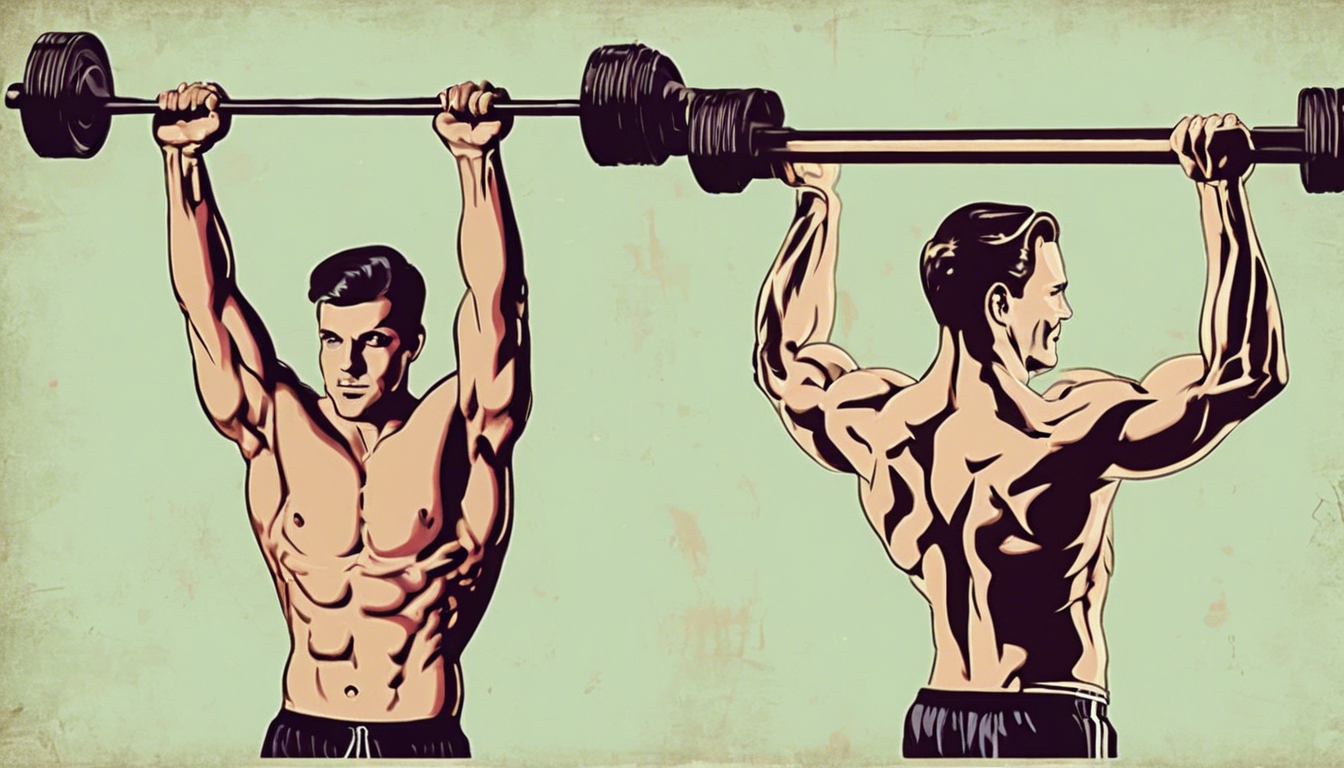
- Push Press & Push Jerk: Develop explosive leg drive to propel a bar overhead. The push press uses a continuous dip and drive; the jerk adds a foot stomp and split/landing for greater weights.
Snatch Grip High Pulls: A superb accessory. The wide grip emphasizes explosive back and hip engagement, building the pulling strength crucial for all power moves.
Programming for Power
Power is a quality of the nervous system. It is trained with freshness, not fatigue.
- Sets & Reps: 3-5 sets of 3-5 reps. Volume is low to preserve movement quality and speed.
- Rest Periods: 2-5 minutes between sets. Full recovery is mandatory to replicate maximal effort.
- Integration: Place power movements at the beginning of your workout, after your warm-up, when your central nervous system is fresh. Follow with strength and hypertrophy work.
Threat Management: Safety & Injury Prevention
The line between peak power and injury is defined by disciplined technique and proactive management. Adopt the mindset of an engineer, not a gambler.
Prevention: Technique as Armor
- Coaching is Non-Negotiable: Even a single session with a qualified Olympic Weightlifting or Strength & Conditioning coach is invaluable. Failing that, rigorous self-video analysis against tutorial standards is essential.
- Mobility is a Prerequisite: Address limitations before they cause failure. Prioritize ankle dorsiflexion, hip external rotation, thoracic spine extension, and shoulder overhead mobility.
Intervention: Managing Fatigue & Setbacks
- The Form Degradation Rule: The moment your technique breaks down—rounded back, slow elbows, unstable catch—the set is over. This is your primary safety mechanism.
- Tiered Strategies:
- Reduce Load: Go back to a weight where perfect speed and form are restored.
- Change Variation: Substitute a full clean with a hang power clean (from above the knees) or use blocks to eliminate the first pull and focus on explosion.
- De-load: Schedule a week every 6-8 weeks where you cut volume and intensity by 40-60%, focusing on technique and recovery.
The Action Plan: A Phased Power Roadmap
| Season/Phase | Primary Tasks | What to Focus On |
|---|---|---|
| Foundation (Months 1-3) | Daily mobility drills. Technique work with empty bar/very light weight. Introduction to jump training and landings. | Neuromuscular connection. Perfecting the triple extension sequence and stable receiving positions. Building confidence with the bar path. |
| Intensification (Months 4-6) | Adding structured load to power cleans and push presses. Introducing hang variations and complex combinations (clean + front squat). | Increasing bar speed against moderate resistance (70-85% of 1-RM). Refining the timing of the pull under the bar. Building work capacity for power training. |
| Peak & Realization (Months 7-9+) | Heavy single and double attempts in power movements. Testing 1-RM power outputs. Sport-specific integration (e.g., power cleans for sprinters). | Expressing maximal force in competition or testing scenarios. Automating technique under high stress. Harnessing power for tangible performance goals. |
The Power Transformed
True explosive power is the elegant product of a balanced system: the right tool, mastered through immutable mechanics, and cultivated with intelligent, progressive practice. This journey transforms your relationship with weight from one of struggle to one of command. It begins with the deliberate choice of a bar and culminates in the profound satisfaction of moving load with violent intent and flawless control. The resilience it builds into your joints, the athletic confidence it etches into your mindset, and the unparalleled capability it grants your body are the ultimate rewards. This is the transformation that awaits when you commit to mastering explosive power moves with bars.