The Vision of a Perfect Home Gym
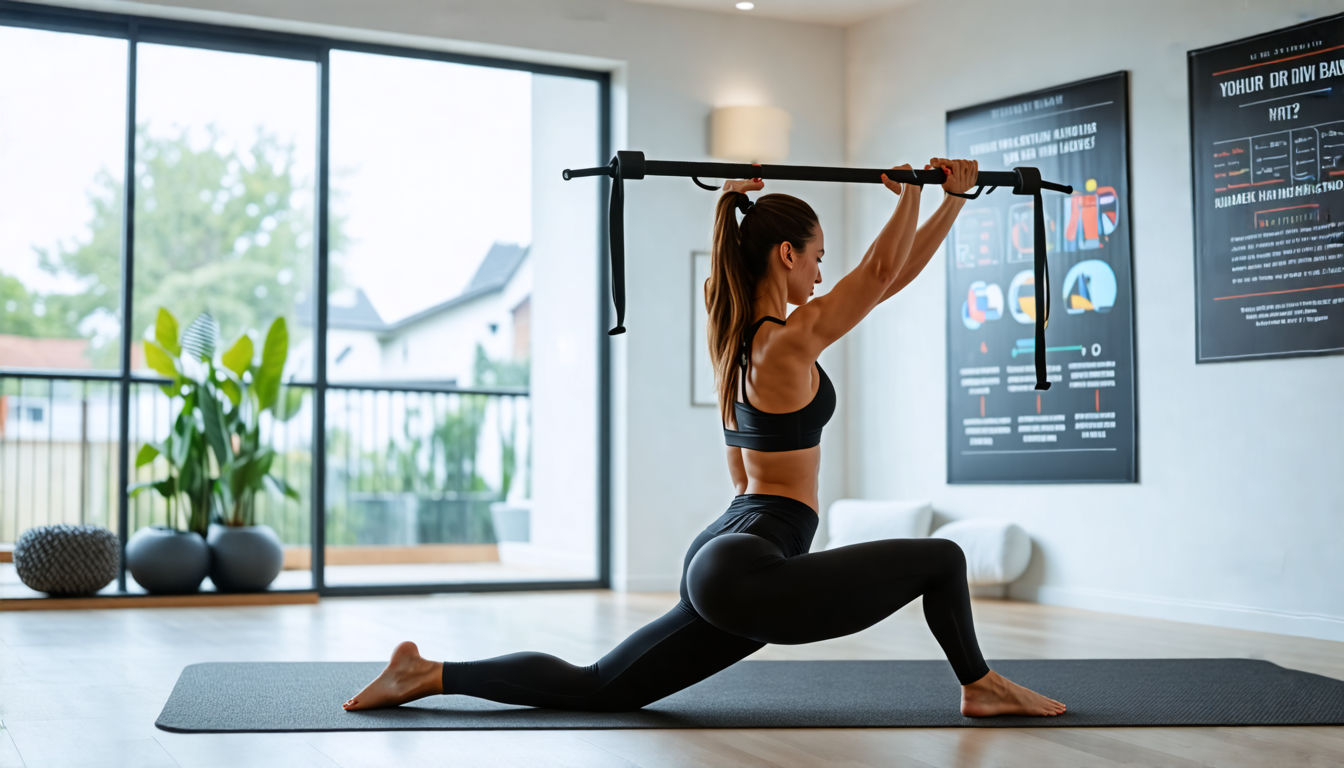
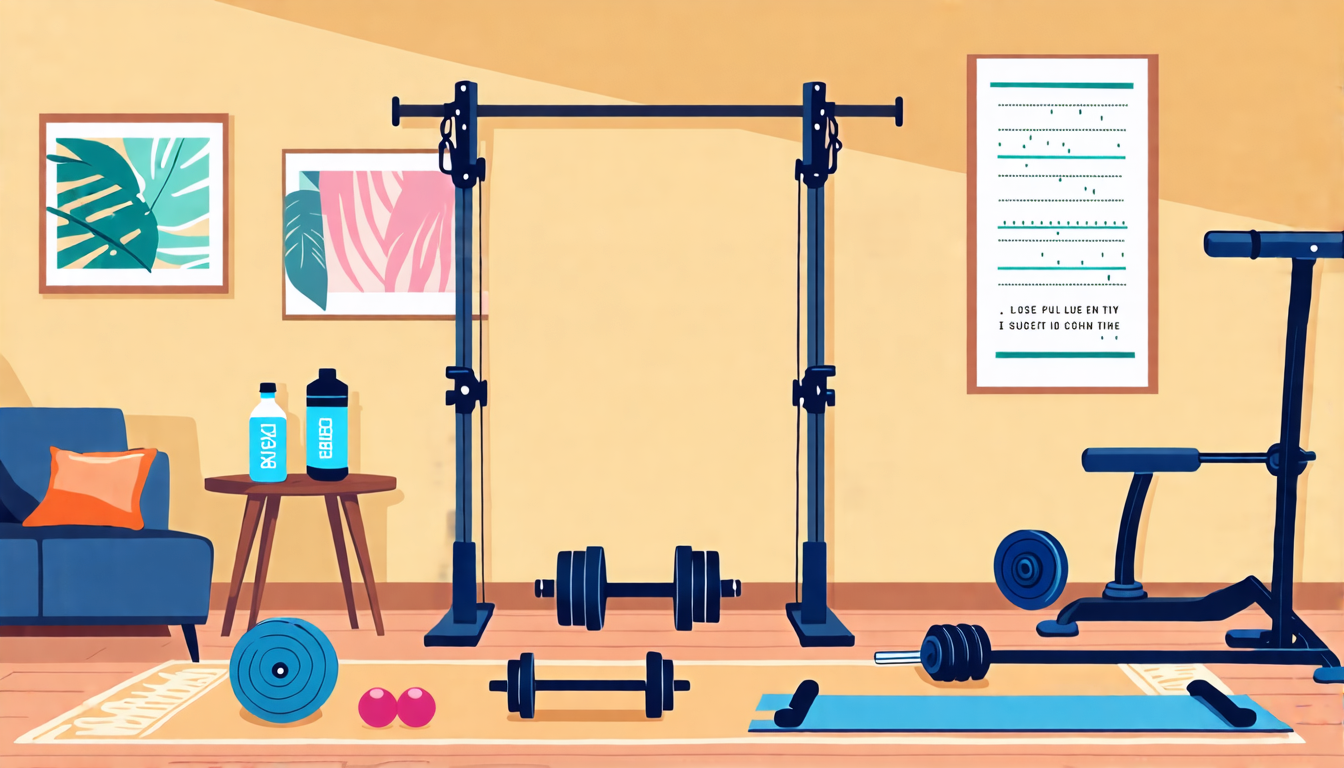
Imagine transforming a corner of your home into a personal strength sanctuary. The air hums with focus. Every pull-up is smooth, every rack position is secure, and every lift feels grounded in absolute stability. This isn’t just a room with equipment; it’s a crafted environment for physical mastery. The home fitness bar—be it a power rack, a pull-up station, or an Olympic barbell—is the undisputed centerpiece of this vision. Yet, its potential is only unlocked by navigating a landscape of hidden pitfalls. Understanding the common issues with home fitness bars is the critical first step. It’s the difference between a setup that inspires confidence and one that compromises it, transforming aspiration into daily, unshakable achievement.
Foundational Flaws: Hardware and Installation Mistakes
The most pervasive and dangerous problems are baked in from the start. Compromising on selection or setup doesn’t just limit performance; it introduces immediate risk. Your first decisions form the unshakable—or regrettably shaky—foundation of your home gym.
Selection & Sizing Errors
Choosing the wrong tool for the job is the primary sin. This manifests in three critical failures:
- Underrated Capacity: Selecting a bar or rack not rated for your dynamic load (your bodyweight plus momentum for pull-ups, or your max lift plus the force of a controlled drop). Exceeding this rating leads to catastrophic failure.
- The False Economy of Cheap Steel: Opting for a low-cost bar made from inferior, non-hardened steel. It will bend permanently under load, feature shallow or abrasive knurling that tears hands, and have poor tensile strength.
- Type Mismatch: Using equipment outside its design scope. A doorway pull-up bar is not for kipping. A lightweight training barbell is not for 400lb deadlifts. A wall-mounted rack must be anchored for the specific forces it will encounter.
Location & Structural Setup Failures
Even premium equipment fails if installed poorly. The interface between your gear and your home is non-negotiable.
- Insufficient Anchoring: Installing into drywall alone, hitting only one stud, or using undersized lag bolts. The force exerted during use is immense and will rip fixtures from the wall.
- Off-Level Installation: A rack or bar that isn’t perfectly level distributes weight unevenly, creating persistent lateral stress that weakens joints and connections over time.
- Inadequate Clearance: Placing a pull-up bar where your head hits the ceiling or a rack too close to a wall, limiting movement and creating impact hazards during lifts.
Material & Component Compromises
The devil is in the details. Understanding component quality is what separates professional-grade gear from disposable fitness toys.
| Component Category | Low-Quality/Problematic Signs | Key Characteristics of a Good Component |
|---|---|---|
| Bar Shaft (Barbell) | Painted or chrome-plated over soft steel; whip is uncontrolled or absent; knurling feels like sharp sandpaper or is barely there. | Made from hardened steel (often 190k PSI+ tensile strength); has a defined whip for Olympic lifts or rigid for powerlifting; knurling is precise, consistent, and offers secure grip without shredding skin. |
| Sleeves & Bushings/Bearings | Sleeves wobble excessively; spin is rough, gritty, or seizes up; end caps pop out; collar threads are soft and strip easily. | Sleeves rotate on high-quality bushings (for power bars) or needle bearings (for Olympic bars) for smooth spin; minimal lateral play; secured with robust end caps; threads are cut cleanly and deeply. |
| Rack/Upright Construction | Thin-gauge square tubing (e.g., 2mm); welds are bumpy, uneven, or sparse; holes for safety pins/j-cups are not reinforced or are misaligned. | Uses 3mm+ thick, high-grade steel; welds are clean, continuous, and ground smooth; hole patterns are laser-cut for precision; high-wear areas have additional plating or reinforcement. |
| Mounting Hardware | Generic, ungraded bolts, nuts, and washers; insufficient quantity provided; brackets are thin and can bend. | Grade 5 or Grade 8 hardened bolts; includes large, load-spreading washers; brackets are made from thick, laser-cut steel with gussets for triangulation and strength. |
The Erosion of Performance: Wear, Maintenance, and Control
A perfect setup can degrade into a hazardous one through simple neglect. Your home gym environment and your maintenance habits actively fight against the longevity of your equipment.
Material Degradation & Wear
The silent killers of steel and function.
- Rust and Corrosion: In humid garages or basements, unprotected steel will oxidize. Rust weakens structural integrity and creates rough, unpleasant surfaces. Chrome or zinc plating can chip, allowing rust to start underneath.
- Knurling Breakdown: Aggressive chalk use combined with sweat creates a paste that lodges in knurling, accelerating corrosion. Over years, the peaks of the knurl can wear down, reducing grip security.
- Bearing/Bushing Failure: For Olympic bars, dirt, moisture, and lack of lubrication cause the smooth spin to degrade. The bar becomes “gritty,” ruining the mechanics of the snatch and clean & jerk.
The “Set-It-And-Forget-It” Neglect
Assuming installation is permanent is a critical error. All hardware under dynamic load will eventually work loose.
- Creeping Looseness: Bolts on racks, stands, and wall mounts will gradually loosen due to vibration and loading cycles. This creates dangerous wobble and misalignment.
- Ignored Stress Points: Failing to periodically inspect for hairline cracks, particularly at weld points on racks or where the sleeve meets the bar shaft. Catching this early is everything.
- Unchecked Accessories: J-cups, safety arms, and pull-up handles also experience wear. Their padding can rot, their pins can bend, and their attachment points can deform.
User Error & Programming Problems
The bar is a precise tool. Poor practice can damage even the finest equipment and create unnecessary risk, turning a strength-building asset into a liability.
Improper Use & Technique
Abusing the equipment through incorrect application.
- Impact Abuse: Dropping a barbell with bumper plates is fine. Dropping iron plates directly onto the bar sleeves, or slamming pull-up bars after a kip, damages sleeves, bearings, and welds.
- Exercise Mismatch: Using a standalone pull-up bar for explosive muscle-ups or weighted dips it wasn’t engineered for. Performing rack pulls with the bar in J-cups not designed for horizontal force.
- Localized Wear: Always using the same grip width on a pull-up bar or barbell wears down the knurling in two specific spots, while the rest remains new.
Incompatible or Poor-Quality Accessories
Your bar does not exist in a vacuum. The elements you add to it can be the source of failure.
- Damaging Collars: Using spring collars that are too tight or made from a harder metal than the sleeve can score and gouge the sleeve surface.
- Bent or Non-Standard Plates: Loading old, bent iron plates creates an unstable, uneven load that stresses the bar shaft asymmetrically, contributing to bending.
- Chemical Damage: Using corrosive cleaning agents or allowing sweat to pool and sit on the bar accelerates oxidation and can break down protective finishes.
Threat Management: Proactive Solutions and Fixes
The expert home gym builder operates from a position of proactive control, not reactive panic. A systematic approach to prevention and intervention is your ultimate tool.
Prevention is Paramount
Build these protocols into your gym’s foundation.
- The Pre-Purchase Checklist: Verify weight ratings (static and dynamic). Research steel quality and coating. Read professional reviews, not just marketing. Match the bar type to your primary training modality.
- The Installation Protocol: Use a stud finder. For heavy racks, bolt into multiple studs or use a dedicated plywood backer board across studs. Always use a level. Torque bolts to manufacturer specifications.
- The Maintenance Routine: Wipe down bars after use with a dry cloth. In humid climates, apply a thin coat of 3-in-1 oil or a dedicated bar coating annually. Establish a quarterly “bolt check” to re-tighten all frame and mount hardware.
Identification and Intervention
When a problem arises, diagnose and act with precision.
- Diagnosis Guide:
- Wobble/Instability: First check all connection bolts and floor levelness.
- Rust: Assess humidity source. Is the bar stored against a concrete wall? Is a dehumidifier needed?
- Gritty Bar Spin: Likely dirty or dry bearings/bushings. Requires disassembly, cleaning, and lubrication.
- Tiered Repair Guide:
- Tier 1 (Minor): Tighten hardware. Remove surface rust with a brass brush and apply a rust inhibitor. Clean knurling with a nylon brush and mild detergent.
- Tier 2 (Moderate): Replace worn J-cup liners or pull-up grips. Re-pack bearings with grease. Apply a new protective finish (e.g., cerakote) to a stripped bar.
- Tier 3 (Major/Safety): Replace the entire unit. This is mandatory for any bent bar shaft, cracked welds, or persistent instability that cannot be resolved by tightening. Do not compromise.
- Parts Sourcing: For quality brands, replacement parts (sleeves, bolts, specific brackets) are often available directly from the manufacturer. For generic equipment, it is often safer and more cost-effective to replace the entire system.
The Home Fitness Bar Audit Calendar
Integrate this seasonal checklist into your training rhythm. Consistent, minor attention prevents major failures.
| Season | Primary Inspection Tasks | Corrective Actions & Focus |
|---|---|---|
| Spring | Full structural audit. Check every bolt on racks, stands, and wall mounts for tightness. Inspect for rust after winter humidity. | Re-torque all hardware. Address any surface rust. Lubricate moving parts (safety pins, lever arms). Focus on stability. |
| Summer | Knurling and grip inspection. Check for sweat damage and chalk buildup. Examine pull-up bar and barbell shafts. | Deep clean knurling with a brush and mild solution. Ensure bars are completely dry before storage. Focus on preservation & grip. |
| Fall | Accessory and wear-point check. Inspect J-cup liners, safety straps/pins, and collar mechanisms. Test bar spin. | Replace worn liners or pads. Lubricate barbell sleeves if spin is rough. Focus on accessory integrity. |
| Winter | Environmental control check. Monitor humidity levels in gym space. Inspect for new cold-weather condensation or drafts. | Run a dehumidifier if needed. Move bars away from exterior walls. Apply a light protective oil coat to bare steel. Focus on moisture control. |
Building on a Solid Foundation
Mastering your home gym transcends the workouts you perform within it. It means proactively managing the very tools that enable your progress. Knowing the common issues with home fitness bars—from material flaws to maintenance neglect—empowers you to prevent them systematically. This vigilance transforms your equipment from a disposable commodity into a lifelong training partner. The result is a durable, reliable sanctuary that provides years of uninterrupted training. This is the profound satisfaction of a well-built practice: the confidence that your foundation is solid, leaving you free to focus solely on the pursuit of strength.