The Unbreakable Foundation: Mastering Your Fitness Bar’s True Capacity
Beyond the Bar – Building Confidence, Not Just Muscle
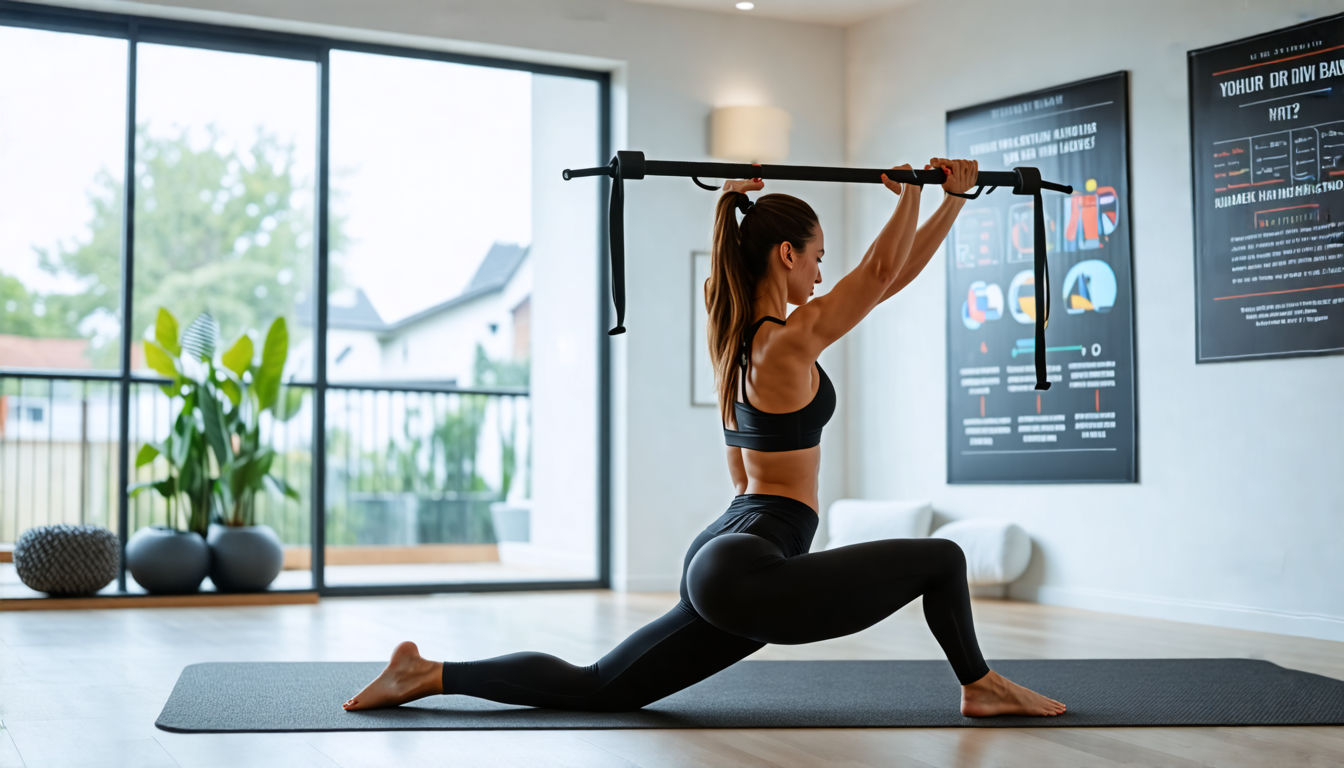
Imagine pushing for a personal best pull-up or holding a perfect iron cross, your performance limited not by your strength, but by a nagging doubt about your equipment. That moment of hesitation is the enemy of progress. It stems from one critical, often overlooked question: Are there any weight restrictions for using a fitness bar? Understanding and respecting your fitness bar’s true load capacity is the non-negotiable foundation of safe, effective, and progressive training. It is the key that unlocks true athletic potential and the peace of mind to train without restraint.
Decoding the Specs – The Hardware of Trust
Your bar’s weight limit is its most important specification, the cornerstone of your training safety. This isn’t just a number; it’s a covenant of performance between you and your equipment.
The Manufacturer’s Mandate: Your First and Final Authority
This rating, found on labels, in manuals, or on product pages, is your absolute maximum. It accounts for dynamic load—the multiplied force from movements like kipping, swinging, or explosive pulls. Ignoring this number risks catastrophic failure, severe injury, and instantly voids any warranty. This figure is not a suggestion; it is the law of your home gym.
Bar Type Breakdown: From Doorway to Rig
Capacity is intrinsically tied to design and installation. Choosing the right type for your strength level is the first strategic decision.
| Component Category | Typical User Weight Capacity | Key Characteristics & Notes |
|---|---|---|
| Doorway Pull-Up Bar | 250-300 lbs | Capacity limited by doorway structure and pressure-based mounting. Unsuitable for dynamic kipping or weighted exercises. Risk of damaging door trim. |
| Wall-Mounted Bar | 300-500 lbs | Robust, but only as strong as its mounting. Must be anchored into solid wood studs or concrete. Excellent for strict movements and light dynamic work. |
| Power Cage/J-Rig Bar | 500-1000+ lbs | The industrial standard. Designed for heavy static lifts (squats, bench) plus dynamic bodyweight work. Capacity often exceeds most users’ needs. |
| Freestanding Pull-Up Station | 350-500 lbs | Portable but stability-dependent. Requires a wide base and often added weight plates. Ensure floor protection and monitor for lateral sway during kipping. |
The Critical Variables: More Than Just Your Bodyweight
The number on the scale is just the beginning. You must calculate your Total Load: User Weight + Dynamic Force + Attachments. A 200-pound athlete performing a kipping pull-up can generate over 400 pounds of force. Add a 50-pound weight vest or dip bars, and you’re testing the very limits of consumer-grade equipment. Always account for the peak force of your most explosive movement.
The Support System: It’s Not Just the Bar
The bar is only one link in the chain. The entire ecosystem—from the wall to the floor—must be engineered for the load.
Installation Integrity: Walls, Doorways, and Floors
For Wall-Mounted Bars: You must hit solid wood studs (16″ on center) or masonry. Drywall anchors are worthless for this application. Use the provided heavy-duty lag bolts.
For Doorway Bars: The limit is often the door frame’s integrity, not the steel bar. Repeated use can crack trim and loosen the structure. They are for temporary, strict movement use only.
For Freestanding Units: Stability is paramount. Place on a solid, level floor. Many designs have pegs for adding weight plates to the base to counteract tipping forces during movement.
Regular Inspection & Maintenance: The Protocol of Safety
Adopt a pre-flight checklist. Before every session, visually inspect for:
- Welds & Joints: Look for hairline cracks or rust.
- Mounting Hardware: Ensure all bolts are tight and brackets are not pulling away from the wall.
- Grip & Finish: Check for significant wear or peeling that could affect grip.
- Movement & Play: Shake the bar firmly. There should be zero wobble or give in its mounts.
This two-minute ritual is your primary defense against gradual failure.
Strategic Training for Longevity
Respecting capacity isn’t limiting; it’s the framework for intelligent, sustainable progress. Work with your equipment’s limits to train smarter.
Programming with Capacity in Mind
If your bar system has a 300-lb dynamic limit, program accordingly. Focus on strict-strength movements (slow pull-ups, holds) which generate lower force. If you wish to train explosive kipping or weighted pull-ups, you must either reduce your bodyweight plus added load to stay under the limit or plan for an equipment upgrade. It’s a simple equation: adjust your training or upgrade your hardware.
The Advanced User’s Dilemma
For athletes exceeding 250 pounds bodyweight or using significant additional weight, consumer doorway or wall-mounted bars are insufficient. Your target becomes commercial-grade equipment. Look for power cages, rigs, or wall-mounted systems explicitly rated for 800-1000 lbs or more. These use heavier-gauge steel, industrial welding, and require professional installation into structural supports.
Your Safety & Capacity Audit: A Practical Blueprint
Mastery is a system, not a single act. Follow this phased plan to ensure lifelong safety and performance.
| Phase | Primary Tasks | What to Focus On |
|---|---|---|
| Initial Purchase | Research & confirm manufacturer’s dynamic weight rating. Choose bar type for your max projected load. | Total system capacity vs. your (Bodyweight + 50lbs for future progress + dynamic force multiplier). |
| Installation | Ensure proper mounting to structural support (studs, concrete). Torque all hardware to spec. | System integrity. The bar is only as strong as its weakest mounting point. |
| Weekly Use | Perform visual and physical inspection. Listen for creaks or shifts. | Preventing gradual wear and catching small issues before they become failures. |
| Annual Check-up | Conduct full structural review. Re-torque all bolts. Assess for corrosion or fatigue. | Long-term durability and planning for the next upgrade as your strength evolves. |
Lift with Certainty, Train Without Limits
Asking, “Are there any weight restrictions for using a fitness bar?” is the mark of a conscientious athlete. It moves you from a user of equipment to a master of your training environment. You’ve learned to interpret the manufacturer’s number, calculate dynamic force, and evaluate the entire support system. With this knowledge, your fitness bar transforms from a simple piece of equipment into a trusted partner. You can now train with absolute confidence, chase aggressive goals, and experience the unparalleled joy of progress built on the unshakeable, unbreakable foundation of safety.