Can I Use a Home Fitness Bar Outside? Unlocking Your Ultimate Outdoor Gym
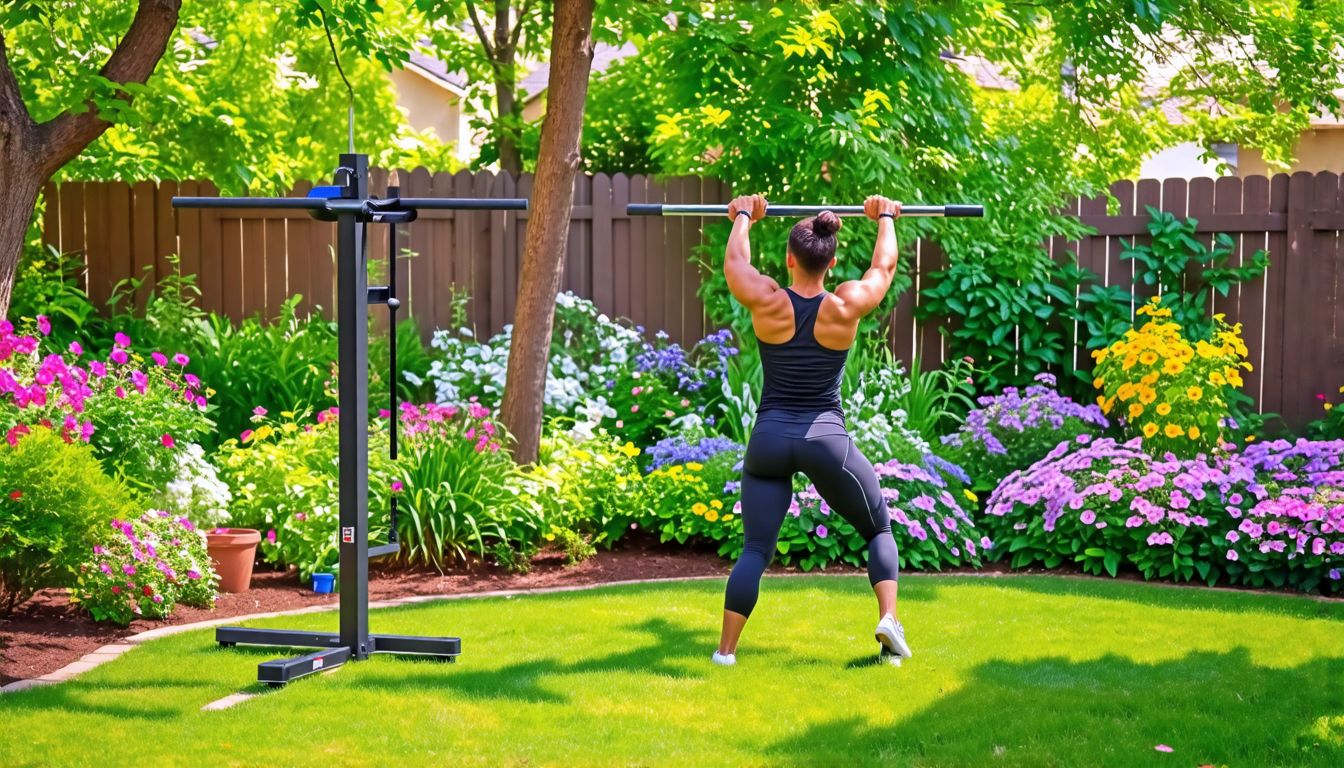
Imagine stepping into your backyard at dawn, the air crisp, the sky turning from indigo to gold. Your gym awaits, not in a crowded room with recycled air, but under an open sky. This is the promise of the outdoor home gym—a personal strength sanctuary where every pull-up connects you to the elements. The home fitness bar, the cornerstone of bodyweight mastery, holds the key to this transformation. But moving it from the predictable indoor environment to the dynamic outdoors is not a simple relocation; it’s an upgrade in philosophy. Mastering the answer to “Can I use a home fitness bar outside?” is the foundational step to building a durable, effective, and perpetually inspiring outdoor fitness ecosystem. The answer is a resounding yes, provided you approach it not as a piece of furniture, but as a system engineered for the elements.
Foundational Choices: Selecting Hardware for the Elements
Your first decision—the bar itself—forms the immutable foundation of your outdoor gym. This is not about preference; it’s about survivability. Choosing incorrectly guarantees failure. You must select equipment designed not just for load, but for environmental warfare.
Part A: Bar Type & Non-Negotiable Design
Forget doorway pull-up bars. Outdoors, you need a stable, permanent foundation. Freestanding power towers or wall-mounted rigs are the only viable options. Critical design features become paramount:
- Finish: Seek out powder-coated, galvanized, or stainless steel. Paint alone will blister and fail.
- Construction: Welded joints are superior to bolt-together frames for long-term rigidity against weather-induced stress.
- Footprint: A wider, heavier base is inherently more stable against wind and dynamic movement.
Part B: Location, Surface & The Art of Anchoring
Where and how you install your bar is as critical as the bar itself.
- The Site: Seek partial shelter if possible—under a sturdy pergola or wide eaves—to mitigate constant direct rain and UV bombardment. Ensure the ground is level and stable.
- The Surface: A poured concrete pad is the gold standard, offering perfect stability and drainage. Solid decking (with proper reinforcement) is second best. Grass or dirt is unacceptable; it settles, erodes, and promotes rust from moisture wicking.
- Anchoring is Mandatory: A freestanding bar must be secured. This means using concrete anchor bolts for permanent installation on a pad, or securing weighted sandbags or plates to the base if on a deck. A bar that can tip is an injury waiting to happen.
Part C: Material & Component Breakdown
| Component Category | Primary Options | Key Characteristics for Outdoor Use |
|---|---|---|
| Frame Material | Powder-Coated Steel, Galvanized Steel, Stainless Steel | Powder-Coated: Good initial weather resistance; longevity depends entirely on coating integrity. Any chip is a rust starting point. Galvanized: Superior rust prevention via zinc coating; the workhorse for humid or coastal climates. Stainless Steel: Premium, near-total immunity to rust; highest initial cost but virtually maintenance-free. |
| Grip Type | Bare Steel, Foam, Rubber/Textured | Bare Steel: Dangerous when wet or sweaty; avoid completely. Foam: Comfortable but a sponge; retains moisture, leading to mildew, rot, and a slick surface. Rubber/Textured: The definitive choice. Provides excellent all-weather grip, sheds water, and is resistant to UV degradation and temperature extremes. |
| Fasteners & Hardware | Standard Zinc, Coated/Stainless | Standard Zinc: Will corrode quickly, seizing bolts and weakening joints. Coated or Stainless: Essential. Use stainless steel bolts, nuts, and washers, or apply a thread-locking compound to prevent vibration loosening and fight corrosion. |
The Core System: Actively Managing Your Outdoor Training Environment
An outdoor fitness bar is not a static object; it is the central component of a dynamic system you must control. Mastery lies in managing three critical variables.
Variable 1: Moisture & The War on Corrosion
The Target: A bar that is either kept dry or is constructed to shed moisture without degrading. Consequence of Failure: Rust is a cancer. It pits metal, weakens structural integrity, and creates rough surfaces that damage skin.
Control Methods:
- Protective Cover: A fitted, breathable, waterproof cover is your single most important tool. Use it religiously when the bar is not in use.
- The Post-Rain Ritual: After any precipitation, dry the bar with a towel before covering it. Trapped moisture under a cover accelerates rust.
- Regular Inspection: Weekly, check joints, weld points, and underneath the bar for the first signs of oxidation.
Variable 2: Temperature & UV Radiation
The Target: Mitigate the damaging effects of thermal expansion/contraction and solar degradation.
Consequence of Failure: Metal can become scalding hot or painfully cold. UV radiation breaks down polymers, causing grips to become brittle and crack.
Control Methods:
- Strategic Placement: Install in an area that receives afternoon shade to avoid peak heat.
- UV-Resistant Materials: Select bars with rubber grips and powder coats rated for UV stability.
- Touch Test: Always physically check the bar temperature before gripping with full force, especially in summer or winter.
Variable 3: Stability & Structural Integrity
The Target: Absolute, unwavering stability during every rep, in all conditions.
Consequence of Failure: Wobble compromises form and power. Catastrophic failure leads to severe injury.
Control Methods:
- Pre-Session “Shake-Down”: Before each workout, apply lateral and downward force to the bar. Listen for creaks, feel for movement.
- Scheduled Torque Checks: Every month, methodically tighten all bolts and fasteners. Vibration from use and thermal cycles will loosen them.
- Foundation Audit: Quarterly, inspect the ground or deck beneath the anchors for settling, cracking, or rot.
Advanced Practices: Optimizing for Year-Round Performance
With the system under control, shift your focus to optimization—the art and science of seamless, year-round training.
- The Installation Audit: Go beyond “tight.” Use a torque wrench if possible for critical bolts. Apply a drop of medium-strength thread-locker to bolt threads to prevent backing out. For weighted bases, ensure sandbags are full and protected from the elements.
- The Maintenance Ritual: Institute a 5-minute weekly wipe-down with a mild soap solution and a soft cloth to remove dust, pollen, and salt air residue. Every season, perform a deep clean and detailed inspection.
- Elemental Adaptation Strategy: Keep a towel and a small bag of gymnastic chalk (in a sealed container) nearby for humid days. In cold weather, wear thin training gloves for the first set until your hands warm the bar. Plan your training schedule with the weather forecast; use intense rain days as recovery or mobility sessions.
Threat Management: The Proactive Defense Protocol
Adopt a special operations mindset: prevention is primary, intervention is swift and precise.
The Prevention Doctrine:
- Your cover is your first line of defense. Choose a breathable, waterproof fabric with UV treatment and secure straps.
- Maintain a clear perimeter. Keep the area free of leaves, dirt, and sprinkler overspray. Trim back any foliage.
The Intervention Guide:
| Identified Threat | Tiered Response Protocol |
|---|---|
| Surface Rust (Early Stage) | Immediate Action: Scrub area with a wire brush or steel wool. Wipe clean. Apply a rust converter/primer. Finish with a matching outdoor-rated touch-up paint. Do not ignore. |
| Persistent Wobble or Loose Joints |
Step 1: Tighten all fasteners with the correct tools. Step 2: If wobble persists, inspect for hairline cracks in welds or bent tubing. If found, cease use immediately; the bar may be compromised. Step 3: Check anchoring points and ground stability. |
| Degraded or Slippery Grips | No Compromise: Replace immediately. Order all-weather rubber replacement grips. Training on compromised grips is an unacceptable safety risk. |
Your Seasonal Outdoor Bar Calendar
| Season | Primary Tasks & Maintenance | Strategic Focus |
|---|---|---|
| Spring | Perform deep clean and full inspection. Remove cover, check for winter corrosion. Re-torque every bolt and fitting. Ensure anchors are secure. | Post-winter recovery of the equipment. Preparing the system for peak frequency of use. |
| Summer | Weekly wipe-downs to remove sweat and pollen. Verify cover is used during sudden storms. Check metal temperature before intense sessions. | Consistent performance management. Balancing high usage with protection from UV and afternoon thunderstorms. |
| Fall | Increase inspection frequency for new rust spots. Clear fallen leaves and debris daily. Check for ground softening from rain around anchors. | System fortification. Preparing the bar and its site for the coming wet, cold, and variable conditions. |
| Winter | Final weatherproofing check. Secure a heavy-duty, winter-rated cover. Store removable components like dip bars or attachments indoors if feasible. | Protection and preservation. The goal is to enter spring with the system in a state of suspended animation, ready for revival. |
The journey from asking “Can I use a home fitness bar outside?” to mastering your elemental gym is a lesson in applied discipline. It begins with the informed, uncompromising selection of hardware built for battle. It is sustained by the rituals of maintenance—the inspections, the tightenings, the covers—which become as integral to your practice as the pull-ups themselves. This is not added chore; it is the cultivation of a resilient mindset, reflected in the pristine condition of your tools. The reward is the transformation of a simple piece of equipment into a portal: to workouts infused with sunlight and breeze, to strength forged not in sterile isolation but in vibrant connection with the world. Your ultimate outdoor gym awaits—a space of unparalleled vitality, built by your own informed hands and will.