The Hybrid Home Gym: Your Blueprint for Ultimate Fitness Freedom
Imagine a workout space that adapts to your every goal—raw strength today, athletic mobility tomorrow, and mindful recovery the next. It anticipates your needs, fuels your ambition, and supports your body’s complete story. This is the promise of the modern home gym: not a collection of disparate gear, but a unified, intelligent system. This isn’t about choosing between a power rack and a yoga mat; it’s about integrating them into a single, cohesive ecosystem that you command. Creating hybrid home gym setups is the master key to sustainable, balanced, and superior fitness results. It transforms a spare room, garage, or corner into a personalized performance lab, putting the totality of physical mastery at your fingertips.
Part 1: The Foundation – Designing Your Hybrid Ecosystem
Before a single piece of equipment is purchased, you must architect the space. Your layout is the non-negotiable foundation that determines the efficiency, safety, and ultimate utility of your hybrid system.
A. Zone Your Space for Multidisciplinary Training
Break your available square footage into dedicated, purposeful zones. This prevents mental and physical clutter, creating a natural flow for complex training sessions.
- The Strength Zone: This is your anchor. It houses your rack, barbell, and plates. Ensure clear, unobstructed space on all sides for safe lifting and bail-outs. This zone is sacred ground for heavy, focused work.
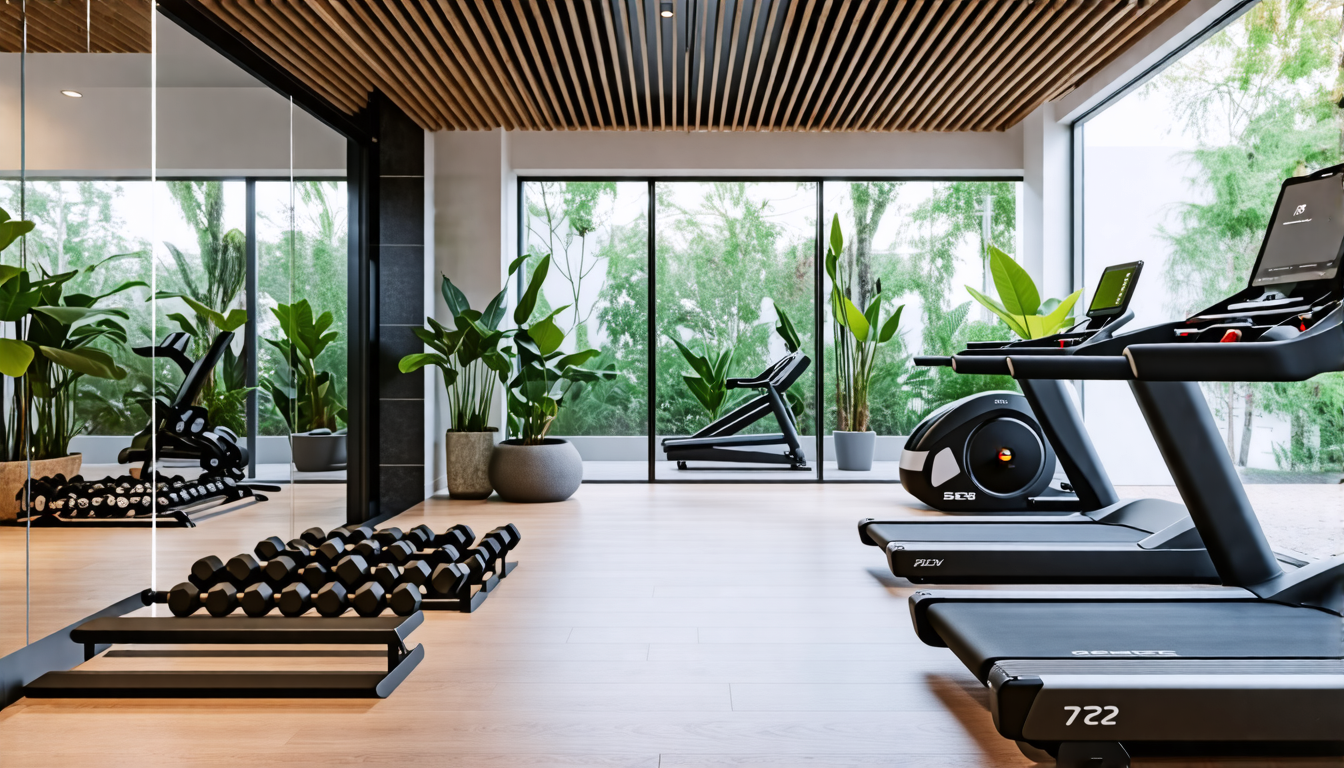
- The Cardio & Mobility Zone: Designate an area for dynamic movement. This is where your rower, bike, or jump rope lives, adjacent to open floor space for lunges, band work, and agility drills. It should feel expansive.
- The Recovery & Floorwork Zone: Often overlooked, this is your sanctuary for cool-downs and mind-body work. A permanent spot for a premium mat, foam roller, and perhaps a meditation cushion signals that recovery is an active, valued part of your routine.
Practical Layout Rule: Position the Strength Zone against a wall to maximize central open space. Keep the Cardio Zone near ventilation or a fan. Ensure the Floorwork Zone has pleasant lighting and is free from trip hazards.
B. Selecting the Core Pillars of Your Hybrid Setup
The market tempts you with all-in-one machines, but the hybrid purist knows better. Dedicated, modular equipment offers superior performance, durability, and flexibility. An all-in-one smith machine may save space, but it locks you into fixed movement patterns. A standalone power rack, barbell, and bench, while potentially consuming a similar footprint, unlocks squats, presses, pull-ups, banded exercises, and more. Your hybrid gym is built on pillars of versatility, not compromise.
Part 2: The Hardware – Curating Your Equipment Matrix
Strategic equipment selection transforms a collection of gear into a synergistic setup. Each piece should serve multiple masters across the fitness spectrum.
A. The Strength & Power Core
This is your system’s engine. Prioritize tools that offer maximal return on investment and space.
- Power Rack/Squat Stands: The ultimate anchor. Beyond safeties for squatting and benching, it’s a station for pull-ups, dip attachments, hanging knee raises, and anchoring resistance bands.
- Adjustable Dumbbells: A space-saving marvel. They replace entire racks, enabling unilateral work, accessory movements, and metabolic conditioning circuits.
- Barbell & Plates: Non-negotiable for peak strength development. Opt for bumper plates to protect floors and allow for Olympic lifting techniques.
B. The Conditioning & Mobility Layer
This layer expands your movement vocabulary and work capacity, complementing raw strength.
- Kettlebells: The hybrid champion. Used for swings (hip-hinge conditioning), Turkish get-ups (mobility-strength integration), presses, and carries.
- Resistance Bands: Infinitely versatile. Use for warm-ups, accommodating resistance on squats, pull-up assistance, rotational work, and rehabilitation.
- Plyo Box: A platform for step-ups, box jumps, elevated pushes, and a bench for stretching.
- Rower/Bike/Ski Erg: Choose one full-body cardio tool. The rower is arguably the best hybrid choice, blending strength-endurance with a deep cardiovascular challenge.
C. The Mind-Body & Recovery Tools
This is what elevates a gym from a punishing dungeon to a holistic sanctuary.
- Premium Yoga Mat: Thick, non-slip, and always unrolled. It defines your floorwork zone for yoga, Pilates, core work, and stretching.
- Suspension Trainer (e.g., TRX): A lightweight tool for bodyweight strength, core instability work, and mobility stretches. Mounts to your rack or a door.
- Foam Roller & Lacrosse Ball: For targeted myofascial release. This is proactive maintenance, not just pain response.
| Category | Primary Options | Hybrid Utility & Notes |
|---|---|---|
| Strength Anchor | Power Rack, Squat Stands | • Base for squats, presses, and pull-ups. • Allows for clear floor space when not in use. • Accepts countless attachments (dip bars, landmine). |
| Loadable Weight | Barbell & Bumper Plates, Adjustable Dumbbells | • Barbell for maximal strength. • Dumbbells for versatility and space-efficiency. • Bumpers are essential for floor protection and Olympic lifts. |
| Conditioning Catalyst | Kettlebell, Rower, Resistance Bands | • Kettlebell bridges strength and cardio. • Rower provides full-body, low-impact metabolic work. • Bands are ultra-portable for warm-ups and accessory work. |
| Mobility & Recovery | Premium Mat, Suspension Trainer, Foam Roller | • Mat defines the recovery zone. • Suspension trainer enables hundreds of bodyweight and mobility exercises. • Roller is for daily maintenance, not just soreness. |
Part 3: The Operating System – Programming for the Hybrid Athlete
A hybrid gym is inert hardware without the software of intelligent programming. Your mindset must shift from “leg day” to “performance day.”
A. Structuring Your Weekly Hybrid Schedule
Organize your week into focused training blocks, not isolated muscle groups.
- Sample Weekly Template:
- Day 1: Strength Focus (Heavy barbell squats, presses, weighted pull-ups).
- Day 2: Metabolic Conditioning & Mobility (Rower intervals, kettlebell circuit, followed by a 20-minute yoga flow).
- Day 3: Active Recovery (Long walk, foam rolling, light band work).
- Day 4: Integrated Full-Body (Dumbbell complex superset with bodyweight movements, finishing with core and stretching).
- Day 5: Strength Skill & Power (Olympic lift technique, box jumps, heavy carries).
B. The Integrated Workout: Blending Modalities Seamlessly
Design single sessions that develop multiple physical qualities. For example:
“The Hybrid Complex”:
1. Strength: Barbell Back Squat – 4 sets of 5 reps.
2. Power Conditioning: Perform 10 kettlebell swings immediately after each squat set.
3. Mobility & Core Finisher: After all sets, complete 3 rounds of: 30-second plank on suspension trainer, 10 per side hip bridges.
This structure builds maximal strength, links it to explosive power, and caps it with stabilizing core and mobility work—all in under 45 minutes.
Part 4: Advanced Optimization – Flow, Tech, and Environment
A. Creating Uninterrupted Workflow
Transition time is the enemy of intensity. Optimize for flow.
- Storage: Use wall-mounted racks for barbells, pegboards for bands and attachments, and a dedicated stand for adjustable dumbbells. Everything must have a “home” that is easy to access and return to.
- Flooring: Invest in interlocking rubber tiles. They must be thick enough to deadlift on, stable enough for a plyo box, and comfortable enough for floor exercises.
B. Integrating Digital Tools
Your hybrid gym is both analog and digital. A single large screen or tablet can serve as your coach, timer, and entertainment hub. Use streaming services for guided yoga or mobility sessions on recovery days. Follow a technical lifting tutorial on your strength days. Use a simple interval timer app to run your conditioning circuits. The tech should augment your plan, not distract from it.
Part 5: Threat Management – Avoiding Common Hybrid Pitfalls
A. Prevention: The Clutter and Chaos Factor
The greatest threat to a hybrid gym is entropy. Enforce a strict “re-rack and reset” policy after every session. Every quarter, conduct a “gym audit”: is each piece of equipment earning its keep? Is a cord or loose band creating a trip hazard? Discipline in maintenance is what separates a professional environment from a cluttered storage room.
B. Intervention: Plateaus and Loss of Focus
If progress stalls, your hybrid approach may have become unfocused. Ask: Have you been chasing novelty instead of progression? The solution is not new gear, but a refreshed program. Dedicate a 6-8 week block to prioritizing one modality (e.g., pure strength), while using the others in a strictly supportive role (e.g., light conditioning, focused mobility). Then rotate the focus. This periodization within the hybrid model prevents stagnation.
The Hybrid Home Gym Action Plan: A Seasonal Roadmap
| Season/Phase | Primary Equipment Focus | Supporting Modalities | Training Focus |
|---|---|---|---|
| Winter / Base Building | Strength Core (Barbell, Rack) | Indoor Conditioning (Rower), Mobility Maintenance | Progressive overload on core lifts. Building work capacity and technique. |
| Spring / Recomposition | Kettlebells, Dumbbells, Conditioning Tools | Strength Maintenance (2x/week), Outdoor Cardio Integration | Hybrid metabolic circuits. Increased training density and fat loss. |
| Summer / Athletic Performance | Plyo Box, Bands, Suspension Trainer | Strength (Power Focus), Sport-Specific Skills | Power development, agility, movement literacy. Shorter, intense sessions. |
| Fall / Strength Peak & Integration | Barbell (Heavy Lifts), Integrated Complexes | Active Recovery, Flexibility Deep-Dives | Testing max strength. Blending all acquired qualities into complex, full-body workouts. |
Creating hybrid home gym setups is the ultimate act of fitness autonomy. It is the journey from intentional design and strategic curation to intelligent programming and mindful practice. This is not about building a room with equipment; it’s about constructing a personal sanctuary that meets you exactly where you are, capable of fueling every chapter of your physical evolution. The profound satisfaction comes not from a single personal record, but from the daily act of stepping into a space you designed, moving with purpose across its zones, and emerging resilient, balanced, and strong. It is the unparalleled joy of owning your fitness, completely.