The Unbreakable Bar: Your Guide to a Pristine, Rust-Free Fitness Tool
Imagine your fitness bar a decade from now—still gleaming, with perfect knurling, bearing zero trace of rust or corrosion, performing as flawlessly as day one. This vision is not a fantasy reserved for professional gyms; it is the direct result of a disciplined, understanding approach to maintenance. Your barbell is the heart of your strength, the primary conduit for your progress. Rust is the silent enemy of that progress, compromising grip, degrading steel, and undermining safety. Mastering a simple, consistent cleaning ritual is the key to preventing rust and ensuring your bar remains the centerpiece of your home gym for a lifetime. How can I clean my fitness bar to prevent rust? The answer lies not in frantic, reactive scrubbing, but in building a proactive system of care that becomes as routine as your workout itself.
Foundational Knowledge: Understanding Your Bar and The Rust Threat
Effective defense begins with understanding both your equipment and the adversary. You must know what you’re protecting and what you’re protecting it from.
Part A: Know Your Steel
The bar’s finish dictates its vulnerability and your maintenance strategy. Not all steel is created equal.
| Finish Type | Key Characteristics & Rust Risk |
|---|---|
| Bare Steel / Black Oxide | Uncoated, raw steel. Offers the best, most secure grip as it “breaks in.” Highest rust risk. Requires the most diligent oil-based protection. Patina is normal; red rust is the enemy. |
| Zinc (Electroplated or Zinc-Alloy) | A common, cost-effective coating. Provides good corrosion resistance by sacrificially protecting the underlying steel. Durable but can eventually wear, exposing steel at high-friction points (e.g., knurling peaks). |
| Chrome | Highly corrosion-resistant and easy to wipe clean. Provides a slicker feel. Very durable but can be brittle; chips from dropped weights can expose base metal to rust. |
| Cerakote or Stainless Steel | The pinnacle of corrosion resistance. Cerakote is a baked-on ceramic polymer; Stainless Steel is inherently rust-resistant. Both are extremely low-maintenance and ideal for humid environments. Premium price point. |
Part B: The Culprits of Corrosion
Rust is iron oxide, formed when iron, water, and oxygen meet. Your workout creates the perfect storm:
- Sweat & Skin Acids: Highly corrosive. They etch into finishes and provide the electrolyte needed to accelerate oxidation on bare steel.
- Lifting Chalk (Magnesium Carbonate): Absorbs moisture and holds it against the bar’s surface, creating localized damp pockets ideal for rust formation, especially in deep knurling.
- Ambient Humidity: Constant high moisture in the air is a persistent threat, particularly for bars stored in garages or basements.
- Salt (from sweat or winter climates): Dramatically accelerates the corrosion process.
The Core Cleaning System: A Step-by-Step Protocol
This is your non-negotiable ritual. Implement these steps with the consistency of your training program to maintain a pristine bar.
Step 1: The Dry Pass (Immediate Post-Workout Action)
Timing: Within minutes of finishing your last set.
Tools: A dry, clean towel, a horsehair brush, or a dedicated barbell brush.
Action: Vigorously brush or wipe down the entire shaft, sleeves, and collars. The goal is to remove all loose chalk, dust, and—most critically—sweat moisture before it has time to react with the steel. This 60-second habit prevents 90% of potential problems.
Step 2: The Targeted Clean (Weekly or Bi-Weekly)
Timing: Once a week, or more if you train frequently with chalk.
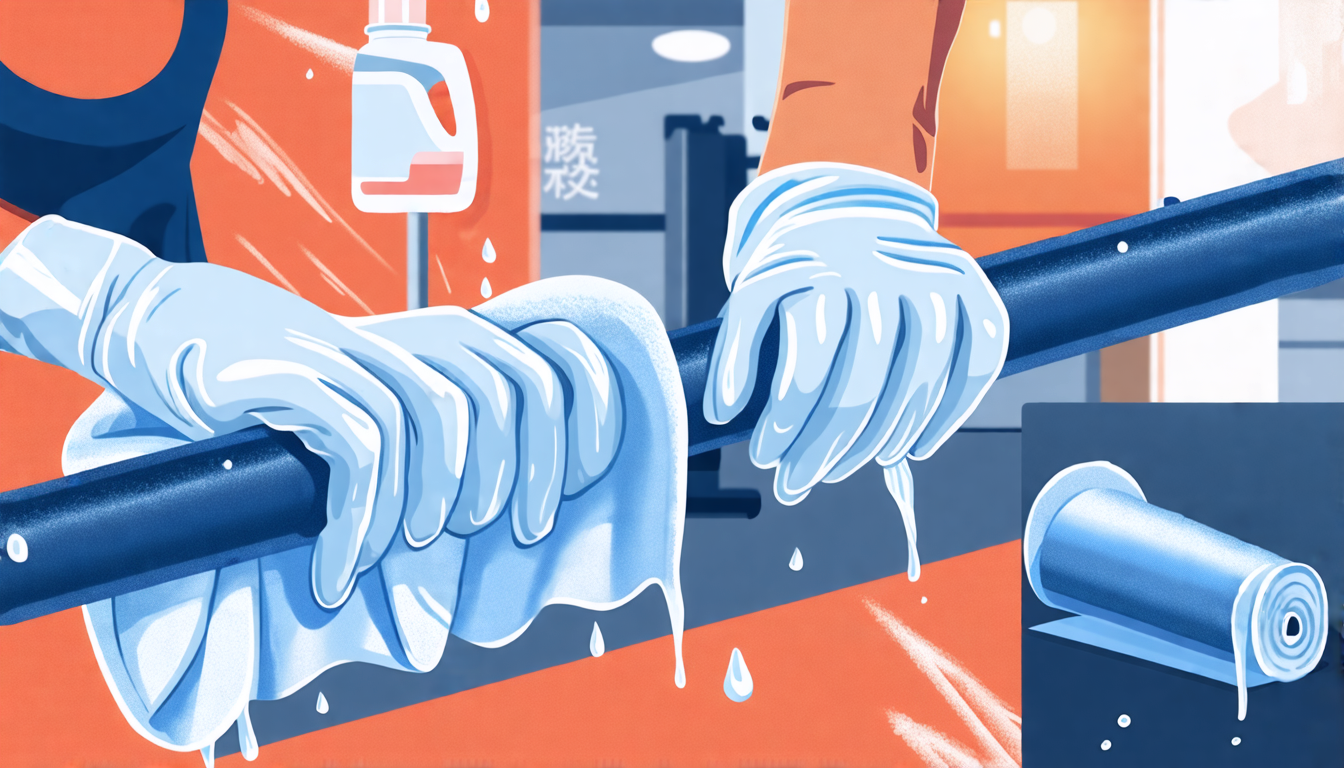
Tools: A damp microfiber cloth and a mild cleaner (pH-neutral dish soap diluted in water or a commercial barbell cleaner).
Action: Dampen the cloth with your cleaning solution and wipe the entire bar, focusing on removing grease, built-up skin oils, and chalk residue. For sleeves, spin the collar while applying pressure with the cloth to clean the entire bearing surface. Avoid soaking the bar or letting water pool, especially near the end caps.
Step 3: The Deep Clean (Monthly or As Needed)
Timing: Once a month, or when grime is visibly embedded in the knurling.
Tools: A soft-bristle nylon brush (like a detailing brush), your cleaning solution, and several dry microfiber cloths.
Action: Apply cleaner to the brush and scrub the knurling in the direction of the grooves. Be thorough but not overly abrasive. Wipe away loosened grime with a damp cloth, then immediately follow with a completely dry cloth to remove all moisture. Finally, let the bar air-dry in a low-humidity environment for 15 minutes before storage or oiling.
The Prevention & Protection Framework
Cleaning removes threats; this framework builds an enduring defense.
Part A: Drying is Non-Negotiable
After any contact with liquid—be it sweat, a damp cloth, or humidity—you must achieve a bone-dry surface. Use a highly absorbent, lint-free microfiber cloth. Run it over the bar multiple times until no dampness is felt. Residual moisture is the seed of rust.
Part B: Strategic Storage
Where your bar rests is as important as how you clean it.
- Horizontal on a Proper Rack: Always store your bar horizontally on a quality rack or wall mounts. Vertical storage can cause bar whip and is often less stable.
- Elevate and Separate: Keep the bar away from concrete floors (which wick moisture) and damp exterior walls. Ensure your storage area is climate-controlled if possible.
- Airflow is Key: Do not wrap the bar in plastic or airtight covers, as this can trap humidity. Allow for air circulation.
Part C: Protective Applications (Essential for Bare Steel)
For bare steel bars, a microscopic protective film is your final layer of defense.
- Tool: Food-grade mineral oil (3-in-1 oil works but has a stronger scent) or a dedicated barbell protector like Bar Shield.
- Method: Once a month, after a deep clean and complete drying, apply 4-5 drops of oil to a dry cloth. Rub the oil thinly and evenly over the entire shaft. The goal is a barely-there film, not a greasy residue. Wipe off any excess. This layer displaces water and prevents oxygen contact.
Threat Management: Identifying and Addressing Early Rust
If your system is consistent, this step should be rare. But vigilance is part of mastery.
- Prevention is the Best Cure: The protocols above are designed to make reactive measures unnecessary.
- Intervention for Surface Rust: If you spot orange/brown speckling (surface rust), act immediately. Never use dry sandpaper or a wire brush, as this destroys the finish and knurling.
- Apply a light coat of mineral oil or a rust penetrant (like WD-40 Specialist Rust Release) to the affected area.
- Let it sit for 10-15 minutes to penetrate.
- Gently scrub the area with 000-grade (super fine) steel wool or a stiff nylon brush, using the oil as lubricant.
- Wipe clean with a cloth, then re-clean the area with soap and water to remove oil and debris.
- Dry thoroughly and apply a fresh, thin protective coat of oil.
Your Maintenance Calendar: The Action Plan
Institutionalize the practice. This calendar transforms theory into automatic habit.
| Frequency | Primary Tasks | What to Focus On |
|---|---|---|
| After Every Use | Dry pass with towel or brush. | Mechanical removal of sweat, chalk, and moisture before chemical corrosion can begin. |
| Weekly | Targeted clean with damp cloth & mild soap. | Degreasing the shaft and sleeves; breaking down oils and salts. |
| Monthly | Deep clean knurling with soft brush. Full bar inspection. | Knurling hygiene and proactive rust check in crevices and under sleeves. |
| Seasonally/As Needed | Apply protective oil (if bare steel). Audit storage environment. | Long-term preservation; ensuring storage area remains dry and climate-stable. |
A rust-free bar is more than a piece of equipment; it is a symbol of respect for your craft and a testament to the care you invest in your journey. This is the transformation to mastery: moving from seeing the bar as a passive tool to stewarding it as a dynamic, critical component of your success. You progress from understanding the microscopic threat of corrosion, to implementing an effortless cleaning system, to achieving the silent confidence of perfect preservation. The result is the profound satisfaction of every training session—where your grip is unshakable, the spin of the sleeves is smooth, and the steel beneath your hands feels like an extension of your own will. This is the unparalleled reward of knowing exactly how to clean your fitness bar to prevent rust, securing a lifetime of powerful, safe, and effective lifts.