How Do Home Fitness Bars Work? Your Blueprint for Transformative Strength
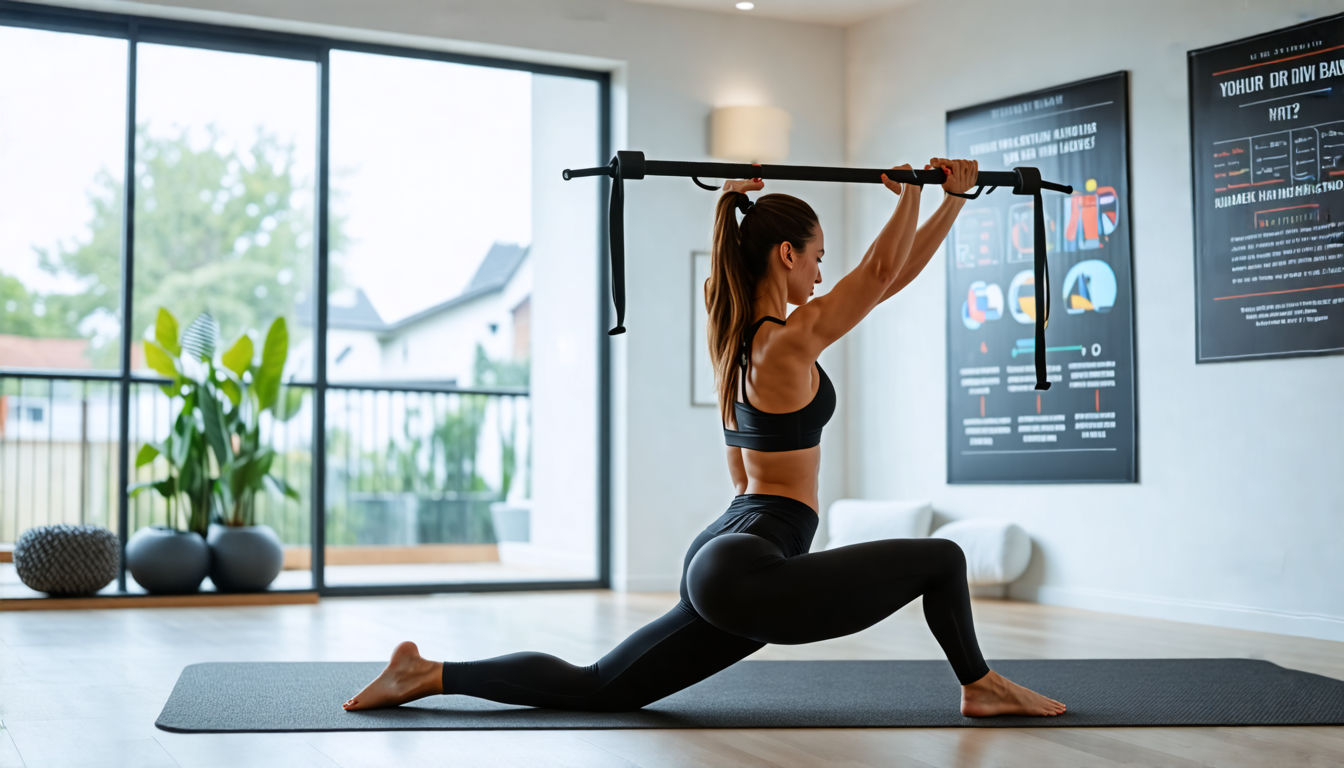
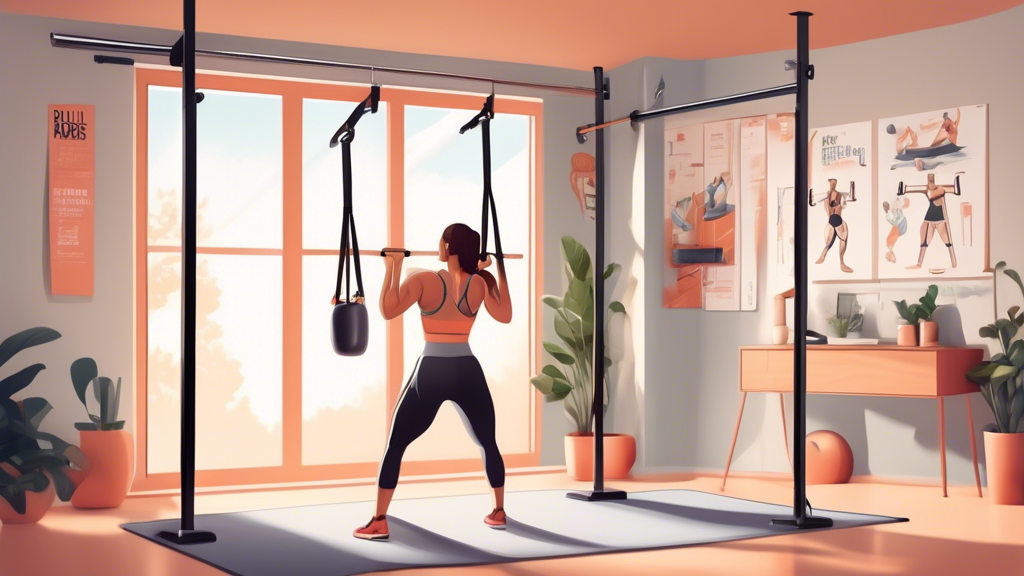
Imagine walking into a dedicated space in your home and seeing it—the clean lines of a loaded barbell resting in its rack. This isn’t just metal; it’s potential incarnate. It is the single most versatile and powerful tool you can own, capable of forging raw strength, sculpting resilient muscle, and building athleticism that translates to every facet of life. Understanding how home fitness bars work—their engineered mechanics, their profound versatility, and their seamless integration into your life—is the non-negotiable foundation for constructing a superior, sustainable, and results-driven home gym. This is your master guide.
Foundational Choices: Selecting Your Strength Tool
Your bar is the core hardware of your fitness system. This initial choice dictates the ceiling of your physical potential and the quality of every rep that follows.
Part A: Type and Purpose
Selecting the right bar is about matching tool to task. Each type serves a distinct master.
- Olympic Barbells (2″ Sleeves): The gold standard for serious strength training. They feature rotating sleeves (with bushings or bearings) to reduce torque on your wrists and shoulders during dynamic lifts like the snatch and clean & jerk. A precise knurl pattern provides grip, and they are built to handle massive loads (often 1,500+ lb capacity).
- Standard Barbells (1″ Sleeves): The fixed-sleeve, economical option for general fitness. Lighter and often shorter, they are compatible with less expensive, widely-available standard weight plates. Ideal for basic exercises, limited spaces, or as a dedicated lighter bar for technique work.
- Specialty Bars: These are your problem-solvers and variation creators. An EZ-Curl Bar angles the grip to reduce wrist strain on curls and triceps extensions. A Trap/Hex Bar places you inside the load, offering a more spine-friendly deadlift alternative. A Multi-Grip Bar provides neutral hand positions to ease shoulder stress on pressing movements.
Part B: Setup and Safety
The bar does not exist in a vacuum. Its environment is critical for safety and performance.
- The Essential Platform: Your flooring must protect your home and your bar. A minimum of 3/4″ thick rubber stall mats or dedicated lifting platform tiles are non-negotiable. They dampen sound, prevent floor damage, and provide a stable, slip-resistant surface for heavy pulls.
- The Support System: Your rack or stands are your training partner. A full power rack with safety arms or straps is the ultimate safety net for squats and bench presses, allowing you to fail a lift safely. For smaller spaces, sturdy squat stands with spotter arms can suffice. Ensure any support system is rated for well above your intended maximum load.
Part C: Bar Anatomy & Materials
The devil—and the performance—is in the details. This table breaks down the components that separate a quality bar from mere metal.
| Component Category | Options | Key Characteristics |
|---|---|---|
| Bar Shaft (Steel) | Alloy Steel, Stainless Steel, Carbon Steel | Alloy Steel: The workhorse; high tensile strength for heavy loads, requires finish to prevent rust. Stainless Steel: Premium corrosion resistance, often has a “grippier” feel, low maintenance. Carbon Steel: Very strong but prone to rust; often found in bare steel “powerlifting” bars favored for their aggressive knurl. |
| Sleeve Rotation | Bushings, Bearings (Needle/Ball) | Bushings: Durable, smooth rotation for powerlifting moves (squat, bench, deadlift). Bearings: Ultra-smooth, fast spin essential for Olympic weightlifting (snatch, clean & jerk). Needle bearings typically offer the least friction. |
| Knurling & Markings | Aggressiveness (Mild, Moderate, Aggressive), Center/Knurl Marks | Knurl: Provides grip. Aggressive knurl bites hard but can tear hands; moderate is the sweet spot for most. Markings: Center knurl (for squat stability) and precise grip markings (for hand placement consistency) are hallmarks of a quality bar. |
| Finish | Chrome, Black Oxide, Zinc, Bare Steel | Chrome: Shiny, very corrosion-resistant, but can feel slightly slick. Black Oxide: Classic look, improves knurl grip over time, requires occasional oiling to prevent rust. Zinc: Good corrosion protection, durable. Bare Steel: Raw feel, supreme grip, requires diligent maintenance to prevent patina/rust. |
The Core System: Mechanics and Movement Principles
A barbell is not an inert object. It is a lever system in dynamic conversation with your body’s biomechanics. Mastering this dialogue is the science of strength.
The Physics of the Lift
Every barbell exercise is an application of leverage. The bar’s center of mass (shifting as plates are added) creates a moment arm between the weight and your joints. Your grip width and body positioning are your levers to manage this force. A wider grip on a bench press shortens the moment arm on your shoulders, while a narrow grip increases the range of motion and triceps emphasis. The bar provides unyielding feedback on your symmetry and balance.
The Variable of Load
Plates transform the bar’s behavior. They increase inertia—the resistance to changes in motion. This makes the initial drive off the floor in a deadlift or out of the “hole” in a squat more challenging. Load also alters the strength curve of an exercise. In a barbell row, the weight feels heaviest at the start of the pull (when the moment arm is longest) and lighter at the top. Understanding this guides where you might fail and how to train through it.
The Foundation of Technique
The bar is your ultimate coach. Its knurling tells you if your grip is secure. Its balance (or lack thereof) screams about asymmetrical force application. On big lifts, a quality bar will exhibit whip (controlled flex), which stores and releases elastic energy—a critical factor in Olympic lifts and even heavy squats. Learning to “feel” the bar’s path—a straight vertical line over your mid-foot in a deadlift, or a controlled arc in a press—is the hallmark of technical proficiency.
Advanced Practices: Programming for Transformation
With the mechanics internalized, the art begins. Here, the barbell becomes your primary tool for cultivating strength, a paintbrush for your physique.
Exercise Taxonomy: The Movement Patterns
All barbell work distills into five primary movement patterns, each building a pillar of functional strength:
- Horizontal Push (Bench Press, Floor Press): Builds pressing power and chest development.
- Horizontal Pull (Bent-Over Row, Pendlay Row): Counters pushing, builds a powerful back.
- Vertical Push (Overhead Press, Push Press): Develops shoulder stability and core integrity.
- Vertical Pull (Pull-Ups, but loaded via a belt): The ultimate back builder, often complemented by the bar.
- Hinge (Deadlift, Romanian Deadlift): The powerhouse for posterior chain (glutes, hamstrings, back) development.
- Squat (Back Squat, Front Squat): The king of lower body and systemic stress exercises.
- Carry (Suitcase Carry, using a single plate): Builds monstrous core stability and grip.
Progressive Overload in Practice
The barbell’s simplicity makes progression beautifully clear. The primary method is adding weight in small, consistent increments (e.g., 5 lbs per session). When that stalls, you manipulate other variables using the same bar:
- Volume: Add sets or reps with the same weight.
- Density: Perform the same work (sets x reps x weight) in less time.
- Technique: Move the same weight with more control, better range of motion, or paused repetitions.
Beyond the Basics: Advanced Techniques
Your barbell is a platform for infinite sophistication.
- Complexes: Performing a sequence of exercises (e.g., Clean, Front Squat, Press, Back Squat) without letting go of the bar. Builds conditioning and technique under fatigue.
- Tempo Training: Dictating the speed of each phase of a lift (e.g., 3 seconds down, 1 second pause, explosive up). This increases time under tension and highlights weaknesses.
- Drop Sets & Back-Off Sets: Reaching failure, then quickly stripping weight to continue the set. A brutal and efficient hypertrophy tool.
Threat Management: Safety, Maintenance, and Problem-Solving
Mastery is not just about lifting more; it’s about lifting forever. A proactive, disciplined approach ensures your bar and your body remain intact.
Prevention: The Non-Negotiable Protocol
- Pre-Lift Safety Check: Before every session, inspect collars for tightness, ensure plates are securely seated and evenly loaded, and run a hand over the knurling to check for burrs or excessive wear.
- Form Before Load, Always: The bar’s unforgiving nature is its greatest teacher and its greatest risk. Never add weight at the expense of technical breakdown. Film your sets to self-critique.
- Environment Audit: Clear a perimeter of at least 3 feet around your lifting area. Confirm your rack’s safeties are set at the correct height for every exercise. Ensure flooring is flat and secure.
Intervention: Identifying and Solving Common Issues
- Problem: Bar tilts or feels unstable during a lift.
Solution: Immediately re-check collar tightness and plate alignment. Often one collar has loosened or a plate is not fully flush against the sleeve. - Problem: Joint pain (wrist, elbow, shoulder) during specific movements.
Solution: Regress. Switch to a lighter bar, a specialty bar (e.g., Multi-Grip for pressing), or a variation with a more natural grip (e.g., dumbbells). Concurrently, prioritize dedicated mobility work for the affected joint. - Problem: Bar fails to rotate smoothly during Olympic lifts.
Solution: Service the sleeves. For bushing bars, apply a light lubricant (like 3-in-1 oil) to the bushing/bar interface. For bearing bars, consult the manufacturer; they may need professional servicing.
The Action Plan: A 90-Day Integration Roadmap
Knowledge without application is theory. This roadmap turns understanding into tangible strength.
| Phase | Primary Tasks | Focus & Goal |
|---|---|---|
| Weeks 1-4: Foundation & Form | Learn the 5 core movements: Squat, Bench Press, Overhead Press, Deadlift, Bent-Over Row. Practice with an empty bar or very light load. Dial in rack heights and safety positions. Establish a consistent 3-day-per-week schedule. | Neuromuscular Connection. The goal is not weight on the bar, but perfecting motor patterns, building confidence with the equipment, and creating an unshakable habit. |
| Weeks 5-8: Linear Progression | Begin a structured linear progression program (e.g., adding 5-10 lbs to lower body lifts and 2.5-5 lbs to upper body lifts each session). Introduce warm-up sets. Start a simple training log to track weights, sets, and reps. | Consistent Habit & Baseline Strength. The focus is on the disciplined application of progressive overload. The goal is to experience the powerful, predictable strength gains of a novice lifter. |
| Weeks 9-12+: Refinement & Mastery | Technique refinement under heavier loads. Introduce one “advanced practice” technique (e.g., tempo squats, drop sets on presses). Perform a first, conservative “max test” or set rep PRs. Consider adding a fourth training day or accessory work. | Sustainable Long-Term Progression. The focus shifts from just adding weight to improving the quality of movement and introducing strategic variation. The goal is to transition from a novice to an intermediate, self-directed lifter. |
The home fitness bar works on a simple, profound principle: it is a perfectly adaptable tool that mirrors your commitment. The more you understand its language of leverage, load, and feedback, the more intelligently it challenges you, forcing adaptation and growth. This journey—from carefully selecting your first bar to executing a masterful, self-directed training plan—forges more than muscle. It builds discipline, resilience, and a deep, personal ownership of your physical potential. That initial vision becomes your daily reality. The bar is no longer just equipment; it is the centerpiece of your strength sanctuary, a source of daily empowerment, and the tangible, steel-clad proof of your dedication.