The Power of a Compact Home Gym
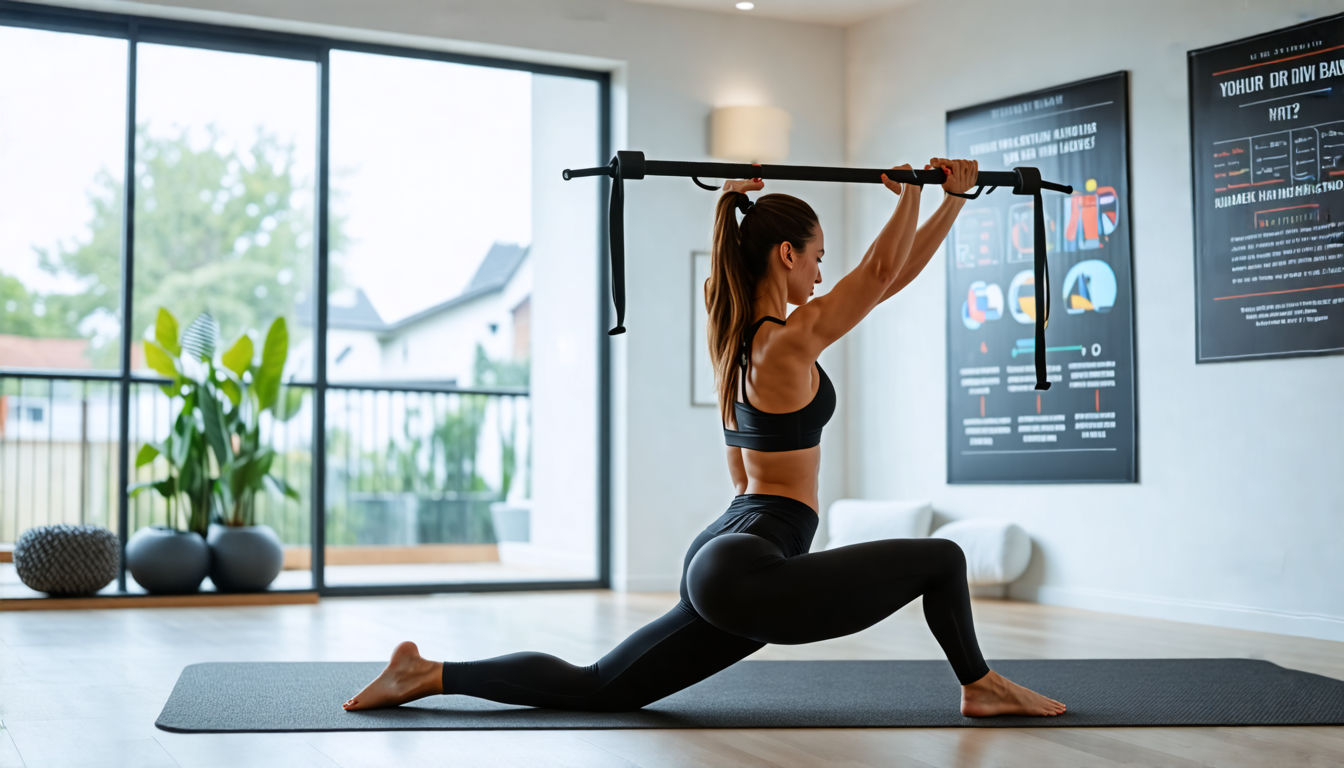
Imagine this: you finish a long day, step into your living room, and within seconds, you’re executing a powerful set of pull-ups, followed by deep dips and core-crushing leg raises. No commute, no crowded gym, no waiting. This is the reality of a well-chosen home fitness bar—a single piece of equipment that transforms any spare corner, apartment nook, or even a sturdy doorway into a personal strength sanctuary. The challenge for the dedicated enthusiast in a small space is finding gear that delivers professional-grade results without dominating your living area. The solution is strategic selection. Choosing the right home fitness bar is the ultimate space-saving hack, turning spatial constraints into focused intensity. This guide is dedicated to answering the critical question: which home fitness bars are recommended for small spaces?
Foundational Choices: The Space-Saving Hardware
Your bar is the cornerstone of your compact gym. This isn’t just a purchase; it’s a strategic decision where every cubic inch matters. The right choice seamlessly blends into your environment while expanding your athletic potential.
Type & Function – Matching the Bar to Your Goals
Not all bars are created equal, especially when square footage is precious. Your primary goal dictates the form.
- Wall-Mounted Pull-Up Bars: The permanent, professional solution. Offers the most secure feel and variety of grip positions (wide, narrow, neutral) without consuming floor space.
- Doorway Pull-Up Bars: The zero-installation classic. Leverages existing structure for quick setup and takedown, ideal for renters or multi-use rooms.
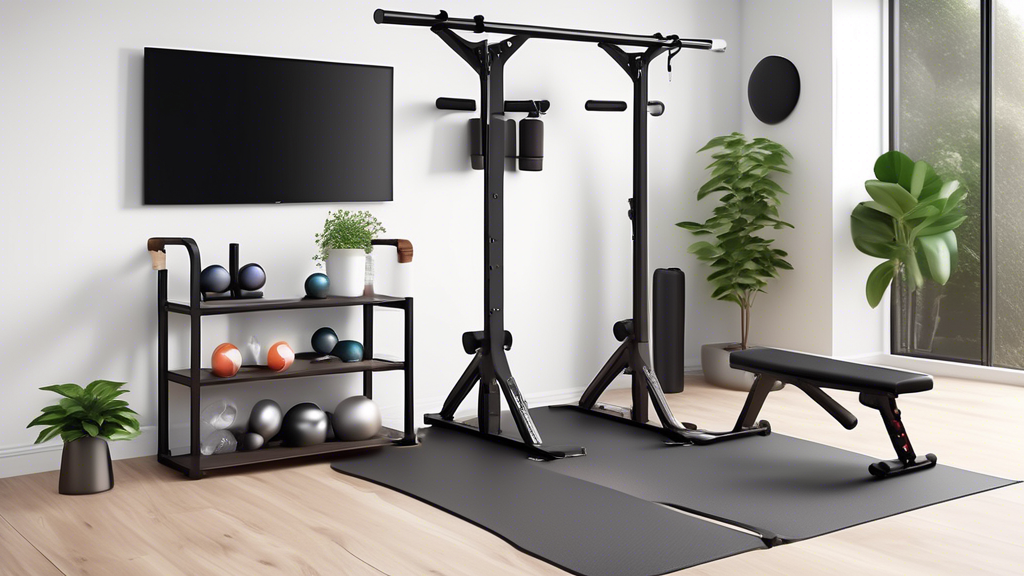
- Compact Power Towers: The all-in-one station. Integrates pull-up, dip, and sometimes push-up stations into a single, freestanding unit. Look for models with a minimal “footprint” and foldable designs.
- Adjustable Dumbbell Handles with Connector Bars: The flexible strength option. These bars connect to standard weight plates, allowing you to create barbells for presses and rows, effectively replacing a full rack.
The Verdict: For pure, uncompromising calisthenics, a wall-mounted multi-grip bar is ideal. For multi-function strength training with weights, adjustable dumbbell handles offer incredible versatility. For a dedicated station that does it all, a compact power tower is your best bet.
Dimensions & Footprint – The Measurement Audit
Before you buy, audit your space with tactical precision.
- Vertical Clearance: You need at least 18-24 inches above your head for a full-range pull-up and to avoid kicking the ceiling.
- Horizontal “Use-Zone”: Measure the swing radius for exercises like kipping pull-ups or knee raises. This is often larger than the equipment’s static footprint.
- The Fold-Away Factor: For freestanding units, the true value lies in how compact they become when not in use. Prioritize bars with a fold-flat or upright-storage design.
Material & Build – A Comparison for Durability vs. Bulk
The materials dictate not only longevity but also how obtrusive the bar feels in your space. Sleek, strong, and stable is the mantra.
| Component Category | Options for Small Spaces | Key Characteristics |
|---|---|---|
| Primary Frame | Steel Tubing, Powder-Coated Steel | High strength-to-weight ratio; Sleek profiles minimize visual bulk; Powder-coating protects walls and floors from scratches and is easy to clean. |
| Mounting Style | Wall-Mounted, Doorway, Freestanding (Foldable) | Wall-mounted saves floor space permanently and is most stable; Doorway models require zero installation but have lower weight limits and can stress frames; Foldable freestanding units offer versatility but require a storage plan. |
| Grip & Accessories | Multi-Grip Handles, Attachable Dip Bars, Suspension Trainer Anchors | Multi-grip bars (chin-up, wide, neutral) maximize exercise variety in one unit; Look for attachable, not built-in, dip bars for flexibility; Anchor points for rings or straps add massive functionality without extra floor equipment. |
The Core System: Installation, Safety, and Multifunctional Use
Your bar is not a solitary tool; it’s the hub of a minimalist, high-output workout ecosystem. Mastery lies in secure installation and leveraging its full potential.
Secure Installation in Limited Space
A shaky bar is a useless bar. Security is non-negotiable.
- For Wall-Mounted Bars: You must anchor into wall studs. Use a stud finder. The bar should come with heavy-duty lag bolts (at least 3″ long). Ensure there is a clear wall space behind you for your full range of motion.
- For Doorway Bars: Check the bar’s weight capacity against your own. Ensure the doorframe is solid wood, not hollow or metal. Use the provided rubberized sleeves or padding to distribute pressure and prevent damage to the trim.
- For Freestanding Towers: Place on a level, solid surface. Many have a weighted base or a requirement to bolt to the floor for ultimate stability during intense movements like muscle-ups.
The Minimalist Exercise Ecosystem
One bar, infinite potential. This is how you build a complete body with minimal hardware.
| Exercise Category | Primary Movement | Space-Efficient Variations |
|---|---|---|
| Upper Body Pull | Pull-Ups, Chin-Ups | Use different grips (wide, narrow, neutral) to target back and biceps comprehensively. |
| Upper Body Push | Dips | Use attachable dip bars, or place two sturdy chairs behind the bar. For push-ups, place feet on the bar for decline variations. |
| Core & Legs | Leg Raises, Knee Tucks | Hang from the bar for hanging leg raises. For progression, use the bar for bodyweight rows (feet on floor) to build monstrous back and core strength. |
| Dynamic Strength | Muscle-Ups, Toes-to-Bar | Advanced movements that combine pulling and pushing, requiring only the bar and explosive power. Ensure your installation can handle dynamic force. |
Top Recommendations: Bars Engineered for Compact Living
Based on the principles of space-efficiency, durability, and multifunctionality, here are the categories and traits to seek out.
The Ultimate Space-Saver: Wall-Mounted Pull-Up Bars
Look for models like the Rogue Fitness Alpha Wall-Mount Pull-Up Bar or the Yes4All Wall Mounted Pull Up Bar. Key features: multiple grip positions (especially a neutral grip), a low-profile design that sits close to the wall, and a high weight rating (600lbs+). This is a “set it and forget it” permanent upgrade to your home.
The Zero-Installation Solution: Doorway Pull-Up Bars
Brands like Iron Gym Total Upper Body Workout Bar are classics for a reason. Prioritize models with extensive padding, a secure fastening mechanism (screws or locking pins, not just pressure), and a design that doesn’t require you to screw into the doorframe if you’re a renter. Perfect for the “workout anywhere” philosophy.
The All-in-One Station: Compact Power Towers
Models such as the Fitness Reality X-Class Light Commercial Power Tower or the Weider Power Tower offer incredible value. For small spaces, focus on towers with a narrow base width, a foldable design (like the KÜAT KÜBASE), and integrated dip bars and push-up handles. This is your standalone gym station.
The Flexible Strength Option: Adjustable Dumbbell/Barbell Handles
Systems like the Loadable Dumbbell Handles from Titan Fitness or Yes4All, paired with a set of standard weight plates and a connector bar, are phenomenally space-efficient. You can perform bench presses, overhead presses, rows, and curls, replacing an entire rack of dumbbells and a barbell. Storage is compact: just stack the plates in a corner.
Avoiding Common Small-Space Pitfalls
A proactive approach prevents frustration and damage, preserving both your home and your workout momentum.
Prevention is Your First Set
- Protect Surfaces: Use heavy-duty floor mats (horse stall mats) under freestanding units. For doorway bars, ensure padding is in place and consider a temporary towel on the top frame.
- Manage Noise & Vibration: In apartments, place rubber pads under equipment feet. Control your descent on pull-ups and dips—don’t drop from the top.
- Define the Swing Zone: Mentally (or with tape on the floor) mark the area around your bar that must remain clear during use. This prevents accidental collisions with furniture.
Targeted Intervention
- If the bar feels unstable: Immediately stop use. For wall mounts, check that all bolts are tight and seated in studs. For doorway bars, reposition to ensure it’s level and fully seated. For towers, check that all locking pins are engaged.
- If marks appear on doorframes: Add additional layers of protective foam or cloth between the bar and the trim. Never use a doorway bar on a hollow or decorative frame.
- If you outgrow the setup: This is a sign of success! Consider adding resistance bands for weighted pull-ups, or gymnastic rings from the bar for advanced movements, expanding your repertoire without needing more equipment.
Your Action Plan: From Selection to First Rep
Turn knowledge into action with this straightforward, six-step checklist.
| Step | Action | Key Question to Answer |
|---|---|---|
| 1 | Measure Your Space | Do I have vertical height for full pull-ups? What is my available floor footprint? |
| 2 | Define Primary Fitness Goals | Am I focused on calisthenics, weighted strength, or a hybrid approach? |
| 3 | Set Your Budget | Am I investing in a permanent solution or a starter/portable option? |
| 4 | Research & Select Your Bar | Which category (from Section IV) best matches my answers to Steps 1-3? |
| 5 | Install & Safety-Check | Is the installation absolutely secure? Does it wobble under my body weight? |
| 6 | Execute Your First Workout | Will I perform my first set of pull-ups, dips, and rows today? |
Your Home, Your Arena
Spatial constraints are no longer a barrier to fitness mastery; they are the parameters that force focus and efficiency. By making an informed, strategic choice, you transform a simple piece of hardware into a permanent, empowering fixture in your daily life. This journey—from understanding your space and goals, to selecting the ideal bar, to mastering its multifunctional use—culminates in the effortless, daily access to strength training you envisioned. The bar becomes more than equipment; it’s a constant, silent coach in your personal arena. The best gym isn’t the one with the most machines; it’s the one you use consistently. And now, you possess the knowledge to build exactly that. You know precisely which home fitness bars are recommended for small spaces to forge your strength, rep by rep, in the comfort of your own home.