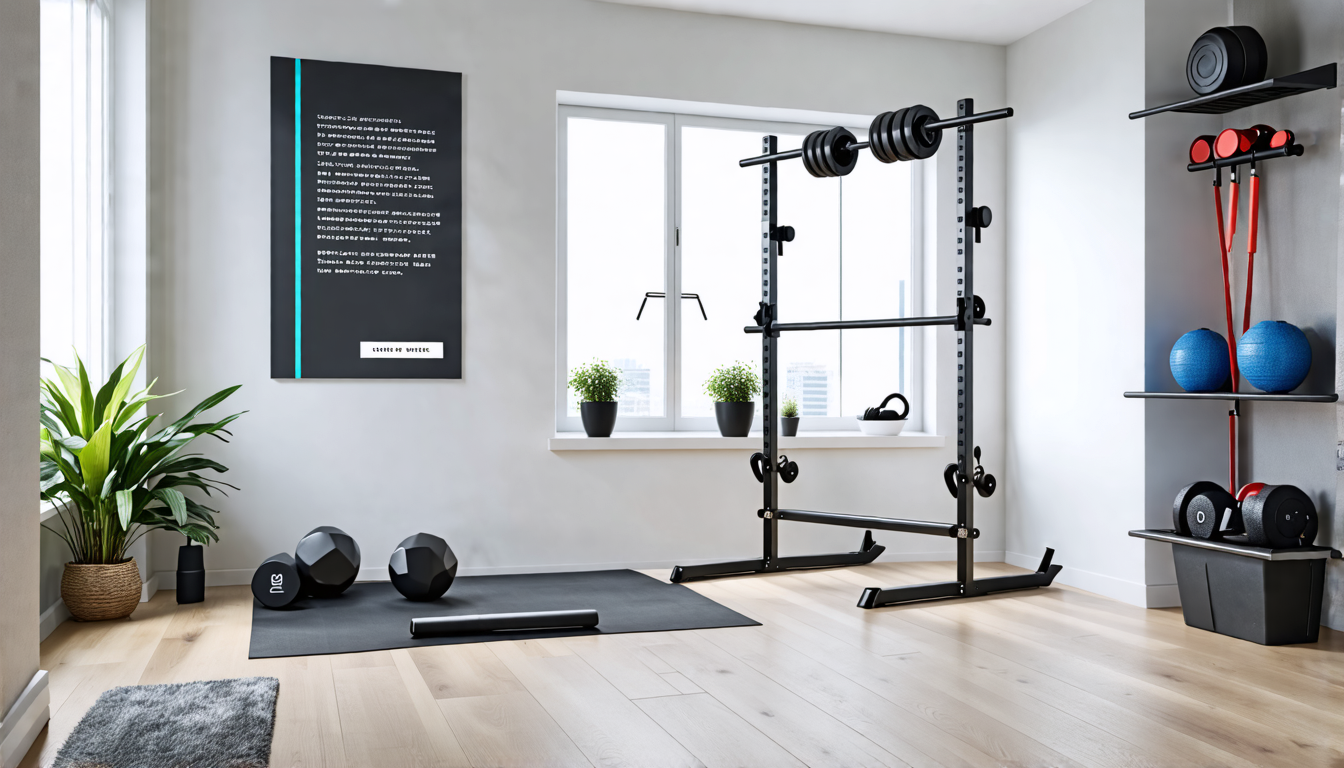
How Do I Store a Portable Fitness Bar? The Key to Protecting Your Investment and Performance
Imagine this: the motivation strikes, and you’re ready to unleash a powerful pull-up session. You reach for your portable fitness bar, but instead of the solid, reliable tool you expect, you find it feels loose. The metal is dull, maybe even speckled with rust, and the grips have lost their tack. This moment of frustration is entirely preventable. Your portable bar is a passport to strength, but its very nature—designed to be moved, adjusted, and stored away—makes it uniquely vulnerable. Treating storage as an afterthought is a gamble with your safety and your progress. Mastering how to store a portable fitness bar is the non-negotiable foundation for ensuring its structural integrity, maximizing its lifespan, and guaranteeing instant workout readiness. This is the discipline behind the strength.
Foundational Choices – The Pre-Storage Protocol
Superior storage is not a singular act; it’s a ritual that begins the moment you finish your last rep. Your post-workout routine sets the stage for everything that follows. Neglect here, and you sabotage all subsequent efforts.
The Clean and Dry Imperative
This is your first and most critical command. Every time you use the bar, sweat, oils, and moisture transfer from your hands to the metal and grips. Left unattended, this residue accelerates corrosion and breaks down foam or rubber compounds. Immediately after your workout, wipe down the entire bar—especially the grip areas and any knurled metal—with a dry, soft cloth. For a deeper clean, use a cloth slightly dampened with a mild soap solution, followed immediately by a thorough drying with a separate towel. The goal is to return the bar to a state of absolute dryness before it ever touches your storage space.
Disassembly and Component Care
If your bar is designed to disassemble (most tension-based doorway models are), do so carefully. This relieves structural stress on the frame and tension rods. As you break it down, inspect each component:
- Tension Rods/Bars: Wipe clean and ensure threading is free of debris.
- Brackets/Supports: Check for any bending or stress marks at contact points.
- Foam/Rubber Grips & Pads: Clean and ensure they are completely dry to prevent mildew. This is also the time to feel for any developing soft spots or tears.
Proper disassembly isn’t just about saving space; it’s about respecting the engineering of the tool.
Location Strategy – Choosing the Right Environment
Your storage environment is the silent, constant guardian of your equipment. Choose poorly, and it becomes an agent of degradation.
Climate and Humidity Control
Steel hates two things: constant moisture and dramatic temperature swings. A damp garage, a humid basement, or even a poorly ventilated closet invites rust. Your storage area must be dry, temperature-stable, and well-ventilated. Avoid exterior walls where condensation can form. If the only option is a potentially damp space, use silica gel desiccant packs in the storage container. This isn’t fussiness; it’s the fundamental preservation of the bar’s structural core.
Spatial Solutions
Once the environment is right, consider the physical storage method. Your choice should protect the bar from accidental impacts and deformation:
- Wall-Mounted Brackets/Hooks: Ideal for quick access. Mount two sturdy hooks to hang the bar horizontally, keeping it straight and off the floor.
- High Shelf: A good alternative, provided the shelf is strong enough and the bar is placed securely to avoid falling.
- Original Case or Protective Bag: Often the best solution. The case is designed to cushion components and keep them together.
- Under-Bed Storage: Acceptable only if the space is clean, dry, and the bar is protected in its case to avoid dust accumulation and scraping.
The goal is a dedicated “home” for the bar that prioritizes both preservation and spatial efficiency.
Material-Specific Storage Tactics
A one-size-fits-all approach fails at the details. Tailor your final storage preparations to the specific materials of your bar.
| Component Category | Key Characteristics & Storage Actions |
|---|---|
| Main Bar (Steel/Chrome) |
|
| Foam/Rubber Grips & Protective Pads |
|
| Tension Mechanisms & Hardware |
|
The Advanced System – Organization for Consistent Use
For the dedicated practitioner, storage must transcend mere preservation. It must facilitate a frictionless workflow that encourages consistent use.
The “Ready-Station” Setup
Create a designated storage station that makes setup and breakdown effortless. This could be:
- A specific wall area with mounted hooks for the bar and a small shelf for components.
- A labeled bin or the original case placed in an easily accessible, consistent location.
The principle is simple: reduce barriers to use. When the bar is easy to deploy and stow, you’re more likely to use it consistently.
Travel and Transport Storage
True portability means taking it on the road. For car or bag storage:
- Always use a protective sleeve or the original case to prevent scratches and dents from other items.
- Ensure the bar is fully secured in your vehicle to prevent it from becoming a dangerous projectile during sudden stops.
- Upon return, perform the full “Clean and Dry” protocol, as travel can introduce new contaminants and moisture.
Threat Management – Preventing Damage and Wear
Adopt a proactive, strategic stance. Your goal is to identify and neutralize threats long before they cause failure.
Prevention: The Unbeatable Strategy
Your primary weapons are routine and discipline. Establish a monthly inspection cycle. Examine all stress points (where the bar meets brackets, tension rod ends), scrutinize the integrity of grips, and check hardware for tightness. The golden rule: “Clean before you conceal.” Never store a dirty or damp bar. This single habit prevents 90% of storage-related issues.
Intervention: Solving Common Issues
When you find an issue, act immediately with a tiered response:
- Surface Rust: Scrub lightly with fine steel wool or a brass brush. Wipe clean, then apply a metal protectant.
- Loose Fittings: Tighten with the appropriate tool. Consider applying a drop of thread-locker (blue Loctite) to nuts that persistently vibrate loose.
- Hardened or Slick Grips: Clean thoroughly with a mild abrasive like a baking soda paste. For severely degraded foam, consider replacing the grips—a simple upgrade that renews the entire feel of the bar.
Your Maintenance & Storage Calendar
Integrate these tasks into your fitness routine to build a system of care that ensures perpetual readiness.
| Phase | Primary Tasks | Focus On |
|---|---|---|
| After Every Use | Wipe down bar and grips. Check for moisture. Disassemble if required by design. | Hygiene and preventing immediate sweat corrosion. |
| Monthly | Full component inspection. Tighten all hardware. Check storage area for dampness or pests. | Proactive maintenance and environmental control. |
| Seasonally (Every 3-6 Months) | Deep clean all parts. Apply protective oil to metal surfaces. Critically assess grip foam for wear. Review storage location suitability. | Long-term preservation and performance optimization. |
This disciplined approach to storing your portable fitness bar transforms it from a fragile piece of equipment into a durable, trustworthy partner. It’s the difference between a tool that fails you and one that forges your strength for years. You move from simply owning a bar to stewarding a critical component of your fitness ecosystem. When you master this practice, you guarantee that your bar remains as solid and reliable as your commitment—always ready, always secure, empowering every rep, every session, and every goal you set for yourself.