The Unseen Key to Mastery
Imagine your grip as the unbreakable link between your willpower and the bar—the foundational conduit for every powerful pull-up, explosive muscle-up, and controlled clean. Now imagine that link fraying: skin tearing, palms burning, fingers slipping at the moment of peak tension. This isn’t a failure of strength; it’s a failure of equipment. The right glove isn’t an accessory; it’s a critical piece of performance hardware. Selecting the best gloves for your home fitness bar is the fundamental step to unlocking consistent progress, superior performance, and the long-term health of your hands and wrists. Master this choice, and you master the interface between your body and the iron.
Foundational Choices: Anatomy of the Perfect Grip
Your gloves are your primary interface with the equipment. Choosing them wisely is not about comfort alone—it’s about creating a seamless, protected, and enhanced connection that allows your training to flourish. This decision is dictated by your discipline.
Part A: Selection by Training Style
Your sport dictates your gear. A one-size-fits-all approach guarantees subpar results.
- High-Rep Calisthenics & Gymnastics: Prioritize thin, flexible materials like synthetic suede or minimal leather. You need maximum tactile feedback and bar feel for skills like levers and muscle-ups. Dexterity is king.
- Heavy Weightlifting & Kettlebell Integration: Demand structured support. Look for gloves with padded palms, a secure hook-and-loop wrist closure, and robust construction. These features manage the shear forces of heavy deadlifts, cleans, and kettlebell snatches.
- Mixed-Modal Fitness (CrossFit, HIIT): Seek versatile, breathable all-rounders. They must balance protection for high-volume pull-ups with enough flexibility for Olympic lifting transitions and dumbbell work. A perforated back and moisture-wicking liner are non-negotiable.
Part B: Critical Components & Materials
Break down the glove into its functional parts. Understanding this anatomy allows you to build the perfect grip system for your needs.
| Component Category | Options | Key Characteristics |
|---|---|---|
| Palm Material | Synthetic Leather, Genuine Leather, Silicone Grip, Terry Cloth |
|
| Wrist Closure | Hook-and-Loop Strap, Elastic Cuff, No Closure (Slip-On) |
|
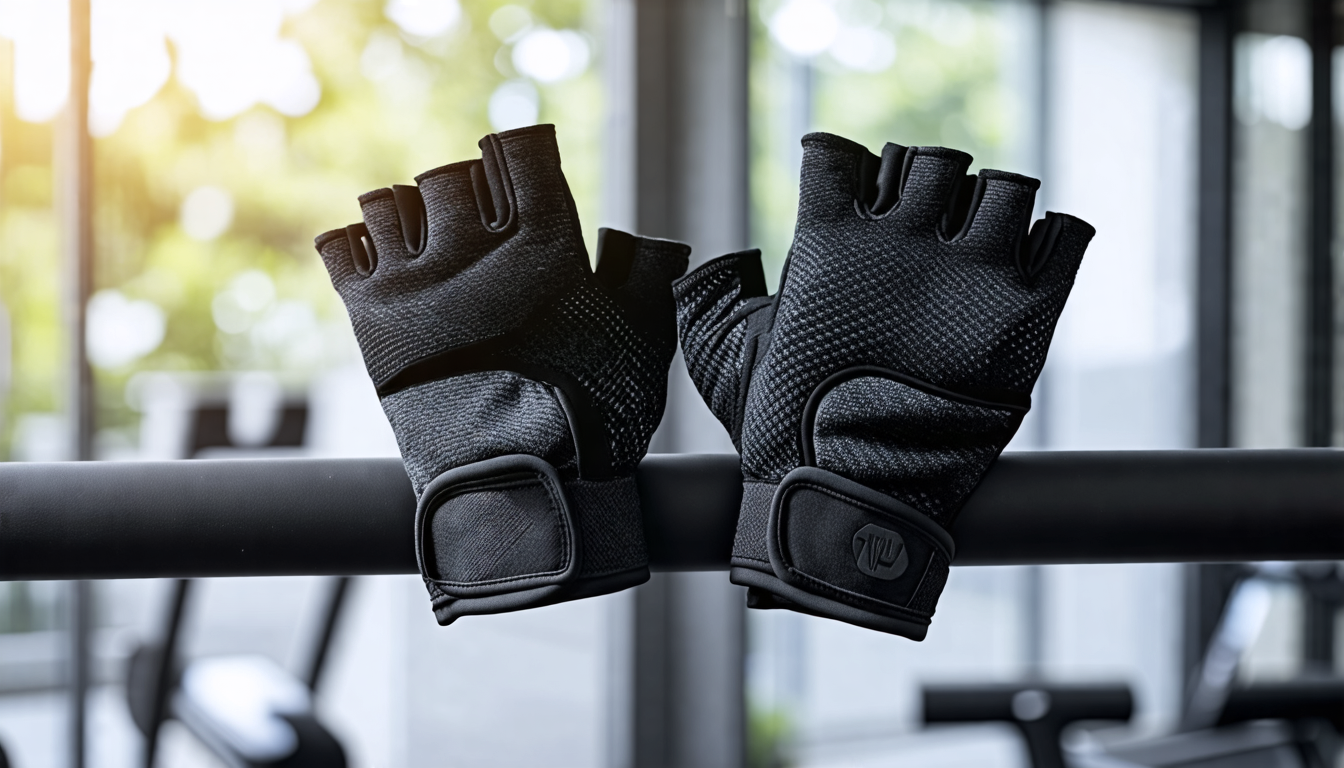
| Finger Design | Full-Finger, Half-Finger (Fingerless), Fingerless with Tips |
|
The Core System: Fit, Care, and Integration
A premium glove is a system that fails if improperly fitted or maintained. Its performance is defined by integration into your training ecosystem.
The Non-Negotiables of Fit
Fit is binary: it’s either correct or it’s a liability. The glove must be snug but not restrictive, with zero excess material bunching in the palm—this creates friction points. The wrist closure should be secure without impeding circulation or wrist mobility. Perform a mock grip on a bar or dumbbell handle; there should be no shifting or “rolling” of the material.
Care and Longevity Protocol
Neglect here breeds odor, material breakdown, and unreliable grip. Clean them regularly according to manufacturer instructions—typically a gentle hand wash. Air-dry only; heat destroys elasticity and adhesives. After each use, inspect high-stress areas like the palm padding and stitching for early signs of wear. Proactive maintenance doubles the functional lifespan of your gear.
Integration with Your Routine
Strategic use maximizes benefits. Always wear them for high-volume or high-load work (pull-up sets of 10+, heavy deadlifts, kettlebell sport). Conversely, consider training barehanded for skill work or light sessions to maintain the neural pathways and raw connective tissue strength of your natural grip. Your gloves are a tool, not a crutch.
Advanced Practices: Beyond Basic Protection
For the dedicated athlete, gloves evolve from simple shields into sophisticated performance enhancers, fine-tuning your interaction with the bar.
Grip Reinforcement and Bar Mechanics
The right glove can actively improve technique. A thin, tacky palm can secure a hook grip for weightlifting, reducing thumb strain. For ring training, a consistent, slightly padded surface can make the false grip more comfortable and sustainable, unlocking muscle-ups. It’s about creating a predictable, high-friction interface that allows your focus to remain on movement patterning.
Managing Sweat and Hygiene
Sweat is the enemy of grip and gear. Advanced gloves integrate moisture-wicking liners (like CoolMax) to pull sweat away from the skin. Antimicrobial treatments on the interior combat odor and bacterial growth at the source. This isn’t just about comfort; a dry, sanitary glove maintains a secure grip throughout the entire workout and lasts significantly longer.
The Minimalist Alternative: Chalk and Grip Pads
For purists, gloves are an intermediary. Liquid chalk or magnesium carbonate provides exceptional dry grip and is ideal for maximal lifts where bar feel is critical. Neoprene or leather grip pads protect specific callus points without covering the entire hand. Understand that this path demands more diligent hand care and accepts a higher risk of torn skin.
Threat Management: Preventing Blisters and Injury
A proactive approach to hand care is what separates seasoned athletes from sidelined novices. Your first line of defense is impeccable gear.
Prevention Through Proper Gear
The primary function of a well-fitted glove is to eliminate shear forces. It creates a protective layer that moves with your hand, preventing the rubbing that causes blisters. Furthermore, a supportive wrist closure stabilizes the joint during heavy pulls, reducing the risk of tendinitis and strain. The correct glove doesn’t just protect your skin; it fortifies the entire kinetic chain of your grip.
Intervention and Hand Maintenance
Despite best efforts, hands adapt. Manage calluses proactively with a pumice stone or sanding file—shave them down smooth, never tear them off. If a “hot spot” develops mid-workout, stop immediately. Apply athletic tape as a barrier before continuing. Post-workout, hydrate the skin with a non-greasy lotion to maintain pliability. Your hands are tools; maintain them with the same rigor as your equipment.
Your Glove Selection Roadmap
Use this decision matrix to cut through the noise and identify the exact specifications for your goals.
| Your Primary Goal | Recommended Features | Material Focus |
|---|---|---|
| Callus Prevention & High-Rep Comfort | Half-finger design, Terry cloth or padded palm, Elastic or slip-on cuff | Terry Cloth, Synthetic Suede |
| Heavy Lifting & Wrist Support | Full or half-finger, Padded/Reinforced palm, Hook-and-loop wrist strap | Genuine or Synthetic Leather |
| Sweat Absorption & Versatile Training | Breathable mesh back, Moisture-wicking liner, Half-finger, Adjustable closure | Synthetic Leather with Perforations |
| Maximum Grip & Dexterity | Minimalist design, Fingerless with tips, Silicone palm, No or minimal cuff | Silicone Grip, Thin Leather |
Gripping Your Potential
The journey to mastering your home fitness bar begins not with your first pull-up, but with the deliberate choice of the interface that makes it all possible. The best gloves become an invisible extension of your hands—forgotten during the workout yet integral to its success. They are the guardians of your skin, the stabilizers of your wrists, and the enhancers of your grip. From the foundational selection of materials to the advanced integration into your training ritual, this mastery transforms pain and limitation into power and consistency. When your grip is no longer the weak link, every rep, every set, and every session becomes a pure expression of strength, moving you inexorably closer to true physical mastery.