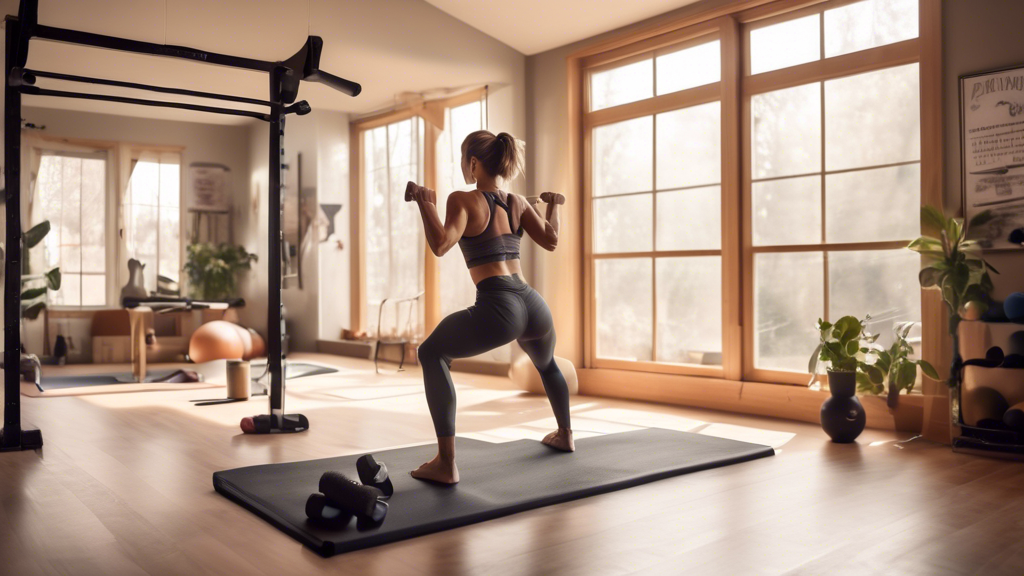
Why Should I Use a Fitness Bar at Home? The Ultimate Key to Unlocking Your Home Gym Potential
The Vision of a Complete Home Gym
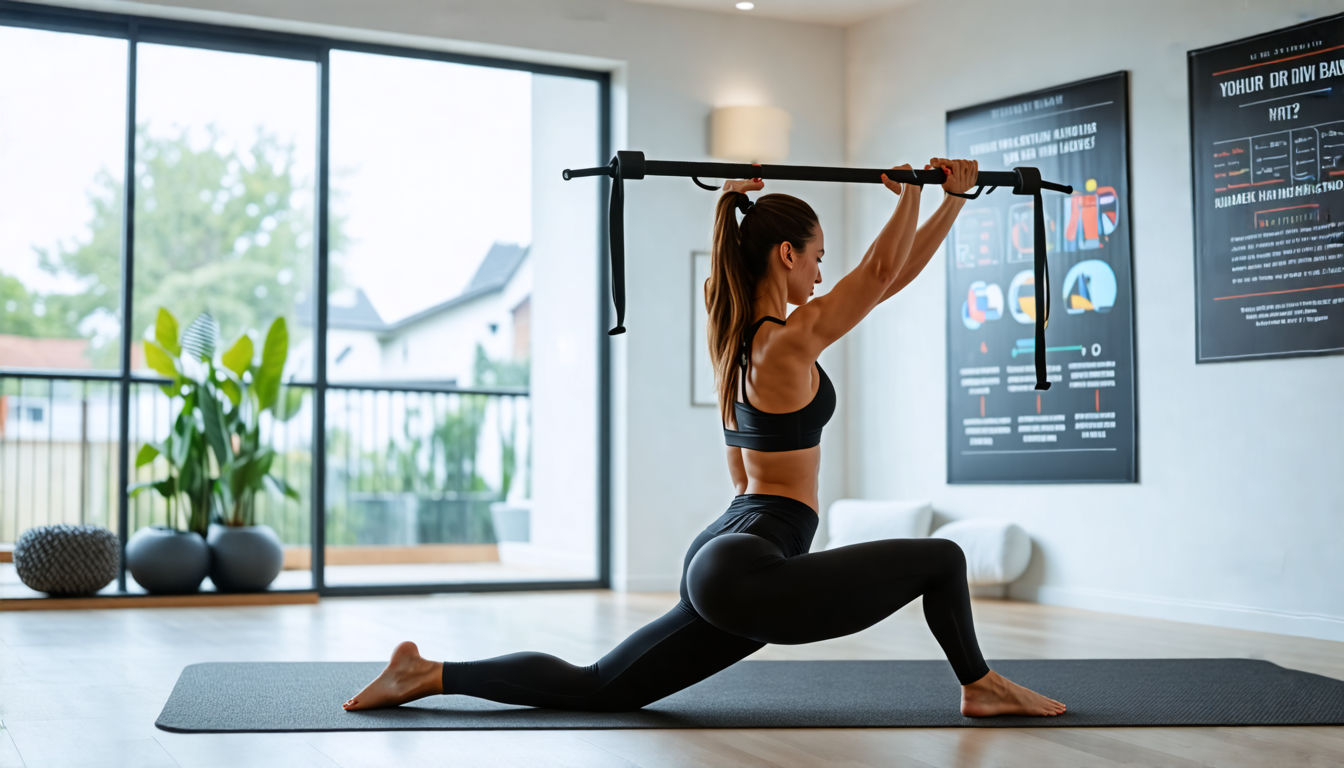
Imagine transforming a corner of your home into a personal strength sanctuary. A place where every workout is efficient, scalable, and deeply effective, free from crowded gyms and waiting for equipment. This vision of ultimate fitness autonomy hinges on one versatile, foundational piece of equipment that most people overlook. Understanding why you should use a fitness bar at home is the critical first step; it is the linchpin of a powerful home fitness ecosystem, enabling unparalleled strength, mobility, and the consistency that forges real, lasting results.
Foundational Power: The Hardware of Home Fitness
Your choice of bar is the bedrock upon which all advanced training is built. This isn’t just a purchase; it’s an investment in the quality of every future rep, set, and personal record.
Part A: Selection and Sizing – Finding Your Perfect Match
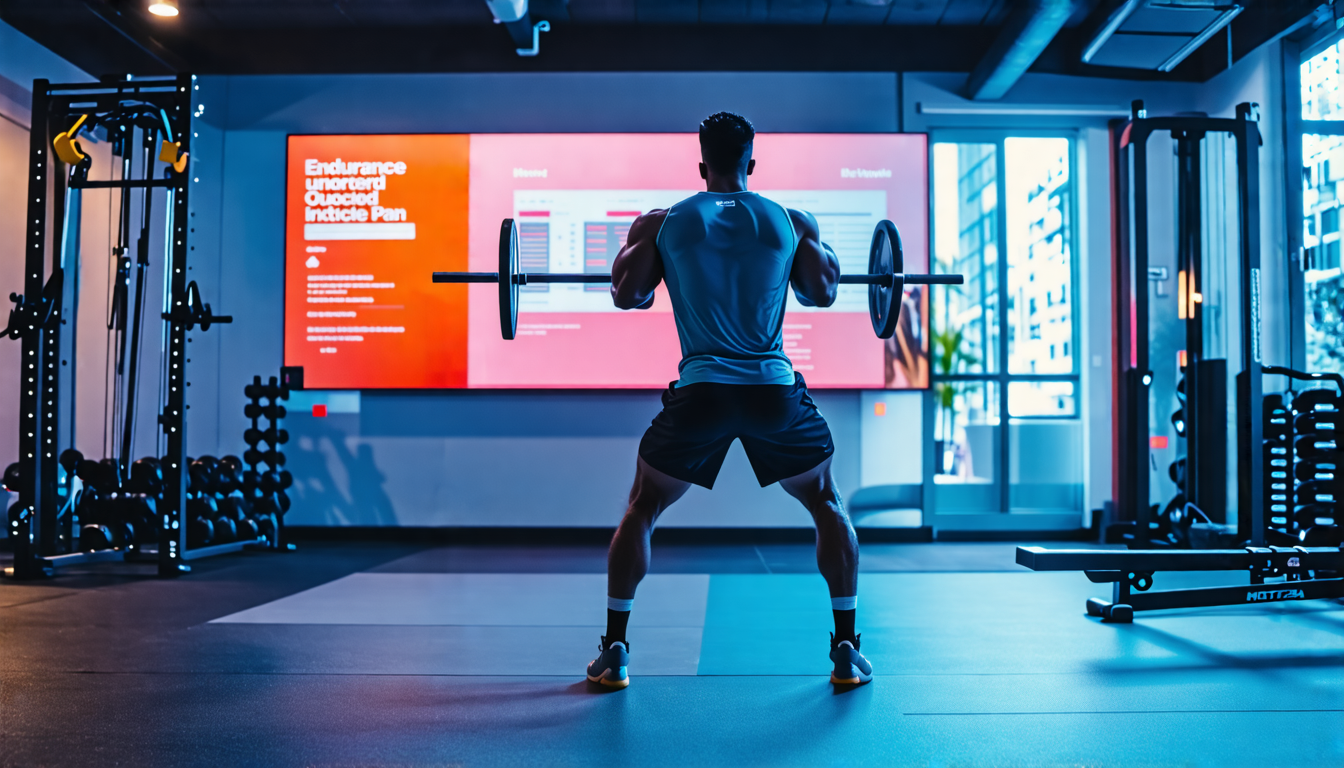
The right bar aligns with your goals and space. A 7-foot, 20kg Olympic barbell is the gold standard for serious strength training and dynamic lifts. A shorter, fixed-weight barbell or a curl bar is ideal for targeted accessory work and smaller spaces. For those focusing on deadlifts and shrugs with spine-friendly mechanics, a hexagonal trap bar is a game-changer. Your primary bar should be the one that facilitates your most important lifts.
Part B: Space and Setup – Creating Your Lifting Zone
Effective setup is tactical. You need a clear, firm footprint—a 8’x8′ area is a good start for a barbell. Protect your floors with interlocking rubber mats. Plan for vertical clearance for overhead presses. For storage, wall-mounted gun racks or simple floor stands keep your bar accessible and your space organized, turning “getting ready to train” into a seamless, 10-second process.
Part C: Material and Build Quality – Investing in Your Foundation
The build quality dictates feel, durability, and performance. Focus on three key components: the sleeve (where plates go), the knurling (the grip pattern), and the coating.
| Component Category | Options | Key Characteristics |
|---|---|---|
| Bar Coating | Bare Steel, Chrome, Cerakote |
|
| Knurling | Passive, Aggressive, Dual-Mark |
|
The Core System: Exercise Diversity and Progressive Overload
A fitness bar is not just a piece of metal; it’s a dynamic system for managing your most crucial training variables: movement and load.
Variable 1: Exercise Library – Unlimited Movement Potential
The target is full-body, compound movement mastery. The consequence of limitation is muscle imbalances, plateaus, and workout boredom. The control method is the vast exercise library a single bar unlocks. It is the ultimate tool for the “Big Five”: Squats, Deadlifts, Bench Press, Overhead Press, and Bent-Over Rows. From these, hundreds of variations emerge—front squats, Romanian deadlifts, floor presses—ensuring you can train every muscle group with profound effectiveness.
Variable 2: Measurable Progress – The Path to Strength
The target is consistent, quantifiable overload—the non-negotiable driver of adaptation. The consequence of guesswork is stagnation. The control method is the standardized plate system. Adding a precise 2.5kg or 5lb plate to each side provides an objective, measurable challenge. This transforms fitness from a vague feeling into a data-driven pursuit, where progress is recorded in iron, not intuition.
Advanced Practices: Optimization for Superior Results
This is the shift from merely having the tool to mastering the practice—the art and science of training.
Technique and Skill Acquisition
The bar, with its balanced load, is the perfect teacher. It provides immediate, unfiltered feedback on your biomechanics. Learning to keep a bar path vertical during a squat or maintaining a rigid spine during a deadlift with a barbell ingrains movement patterns that are foundational to all human performance.
Programming Flexibility
A bar alone enables every major training modality. You can run a pure strength cycle with heavy sets of five, a metabolic conditioning circuit with thrusters and cleans, or a mobility flow with overhead carries and controlled good mornings. It adapts to your goal, not the other way around.
The Gateway to Specialization
A quality Olympic barbell is the entry point to weightlifting (snatch, clean & jerk). A power bar with aggressive knurling is built for the squat, bench, and deadlift. Your initial investment becomes the core around which you build a specialized platform, simply by adding a bench, a rack, or more plates.
Overcoming Common Home Gym Barriers
Adopt a proactive stance. The most common threats to home fitness are inconsistency, space, and perceived limitation.
Prevention: The Antidote to Inconsistency
A permanent, visible bar setup is psychological warfare against procrastination. It eliminates the “friction” of decision-making and preparation. The workout starts the moment you walk into the room, not after 20 minutes of digging out equipment.
Intervention: Solving Space and Cost Problems
Compare the footprint and cost of one quality bar and plates to a rack of single-purpose machines. The bar wins on efficiency and value every time. If the problem is “I get bored,” the solution is the bar’s infinite exercise potential. It is the ultimate tool for autoregulation—on days you feel powerful, lift heavy; on days you feel drained, focus on technique or conditioning. The bar accommodates all of it.
Your First Year with a Home Fitness Bar: A Practical Roadmap
| Phase | Primary Tasks | Focus On |
|---|---|---|
| Months 1-3: The Foundation | Learn the 5 major lifts with an empty bar. Film your sets for review. Establish baseline 5-rep max weights. Practice loading and unloading plates safely. | Consistency and pristine technique. Weight is irrelevant. Build the neuromuscular pattern. |
| Months 4-9: The Progression | Execute a linear progression program (adding weight weekly). Introduce one new bar variation each month (e.g., switch from back squat to front squat). Begin incorporating simple barbell complexes. | Steady, quantifiable strength gains. Adding density and variety to workouts without sacrificing core lift performance. |
| Months 10-12: The Mastery | Design your own 3-4 day weekly split based on your goals. Test new 1-Rep Maxes safely. Consider your first specialty accessory (e.g., a dip belt, a trap bar). | Specialization and autoregulation. Refining your personal training philosophy and using the bar as a tool to execute it perfectly. |
The Transformation Awaits
The fitness bar is the ultimate tool for taking control of your fitness destiny. It begins as a simple piece of steel and becomes the centerpiece of a lifelong practice of strength. This journey—from mastering the foundational hardware to optimizing a personal training system—answers the core question. Why should you use a fitness bar at home? Because it transforms not just a spare room, but your physical capability, your self-reliance, and your confidence. It builds a resilient body and delivers the profound, ongoing satisfaction of self-mastery, set by set, plate by plate.