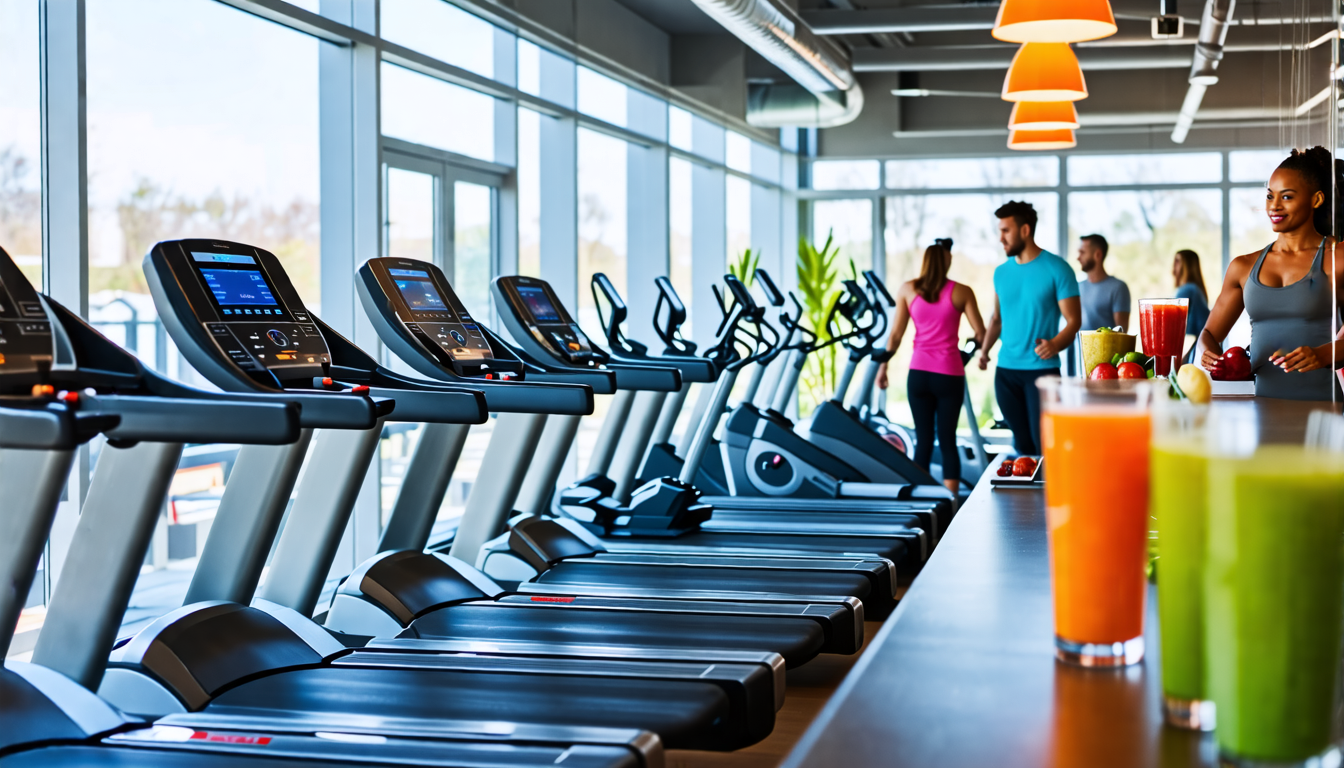
Your Personal Performance Sanctuary: Where Endurance Meets Strength
Imagine a space where efficiency sparks total-body transformation. A place where you can spike your heart rate, sculpt dense muscle, and forge resilient, functional strength—all on your schedule, with seamless flow. This is the promise of the intentional home gym. It’s not an accident of accumulated gear; it’s an engineered ecosystem built on two synergistic pillars: the dynamic, heart-pumping power of cardio machines and the foundational, raw-strength potential of fitness bars. Mastering their integration is the key to unlocking balanced, superior, and sustainable results, transforming a corner of your home into a laboratory of personal excellence.
Building Your Performance Hardware: The Foundation of Every Rep
Your initial equipment choices form the unshakable base of every future workout. This is not about buying what’s on sale; it’s about selecting tools that match your physiological goals and spatial reality.
Selection and Sizing: Matching Machine to Mission
Cardio Machines: Choose based on impact, movement pattern, and primary benefit. A treadmill offers running fidelity and incline capability for leg power. A rowing machine delivers unparalleled full-body cardio, engaging your posterior chain. An exercise bike (upright or recumbent) provides low-impact endurance, while an air bike or ski erg specializes in brutal, full-body metabolic conditioning.
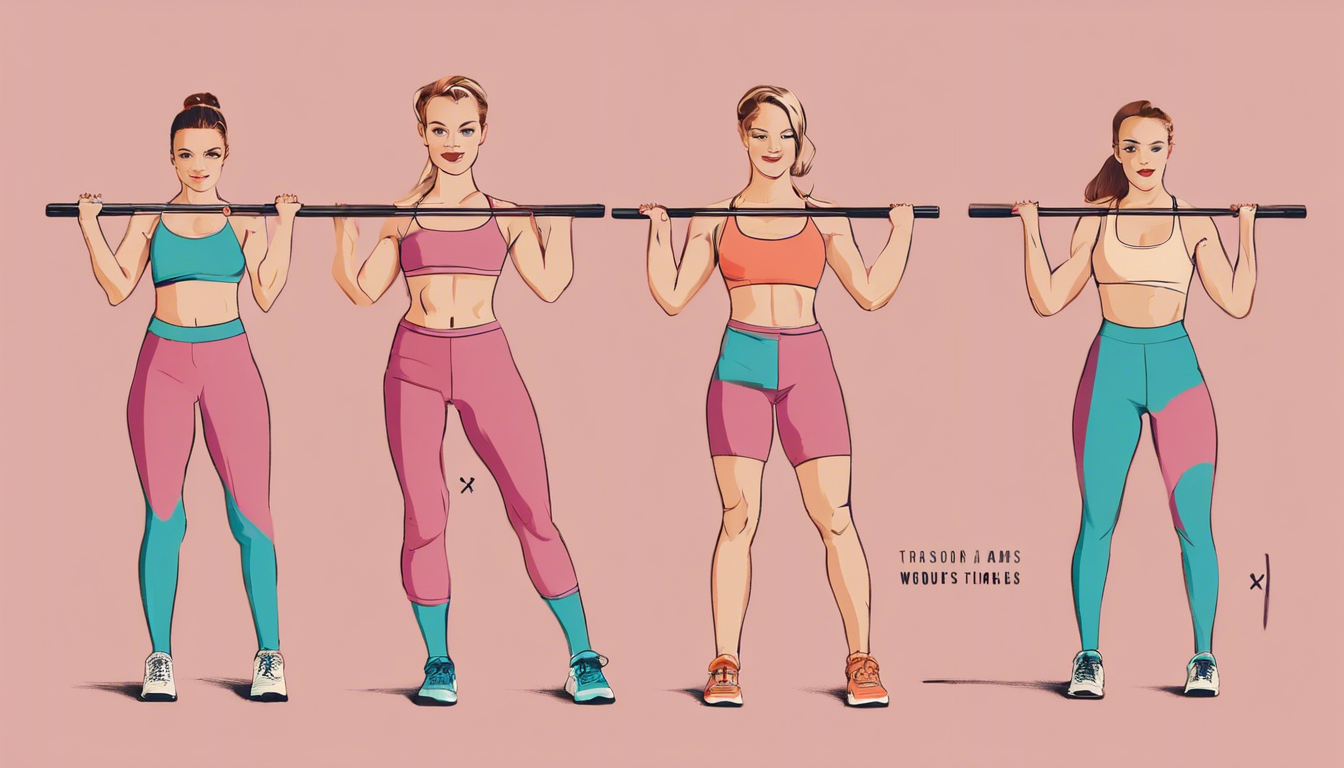
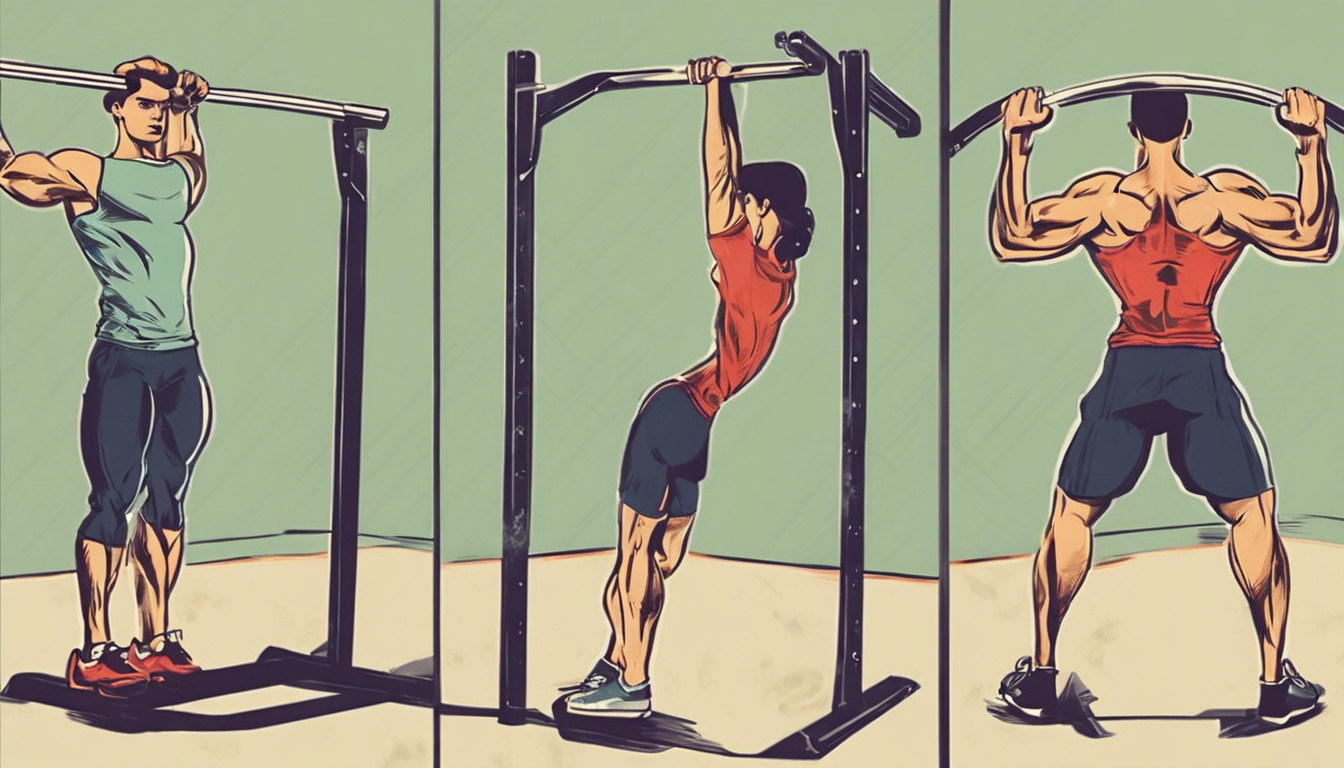
Fitness Bars: This critical choice defines your strength ceiling. A power rack with a pull-up bar is the gold standard for safety and versatility, allowing squats, presses, and pull-ups. A wall-mounted rig or standalone pull-up station is ideal for bodyweight mastery and limited spaces. Assess your ceiling height for overhead movements, the load capacity for your lifting goals, and the availability of attachment points for bands, rings, or suspension trainers.
The Strategic Layout: Engineering Workflow
Place your cardio machine with ventilation in mind—near a fan or open window. Ensure a clear safety perimeter around it. Position your fitness bar or rack to allow for unimpeded barbell movement and dynamic motions like kipping. The ideal layout creates a “training circuit” flow, allowing you to transition from a cardio interval to a barbell complex without tripping over equipment.
Material and Component Breakdown
| Component Category | Options | Key Characteristics |
|---|---|---|
| Cardio Machine Drive/Resistance | Magnetic, Air, Belt-Driven, Electromagnetic | Magnetic: Quiet, consistent, low-maintenance. Air: Resistance scales intuitively with effort; loud and breezy. Belt-Driven: Classic feel but can require belt tension adjustments. Electromagnetic: Offers programmable, precise resistance curves. |
| Fitness Bar Grip & Finish | Knurled, Chrome-Plated, Powder-Coated, Stainless Steel | Aggressive Knurling: Maximum grip for heavy pulls (deadlifts, cleans); can tear hands. Chrome: Durable, classic feel, easier to clean. Powder-Coat: Comfortable for high-rep work but can wear and become slick. Stainless: Corrosion-resistant and offers an excellent balance of grip and durability. |
| Frame Construction | Commercial Steel, Aluminum Alloy, Structural Steel Tubing | Commercial Steel: Heavy-duty, absorbs vibration, built for decades of abuse. Aluminum Alloy: Lightweight, rust-proof, ideal for portable or home-use items. Structural Steel Tubing (for racks): Measured by gauge (lower = thicker); 11- or 12-gauge steel is the standard for serious weightlifting. |
The Control Panel: Managing Intensity, Volume, and Synergy
Your home gym is a dynamic biofeedback system. Mastery comes from precisely controlling the variables of stress and recovery across both modalities.
Heart Rate Zone Management
Use your cardio machines with intent. Zone 2 (60-70% max HR) builds aerobic base and fat adaptation. Zones 4 & 5 (80-95%+) develop anaerobic capacity and VO2 max. Employ a chest-strap heart rate monitor for accuracy. On days focused on heavy strength, keep cardio in Zones 1-2 to aid recovery without compromising neural drive.
Strength Programming Variables
On your fitness bars, you manipulate load, volume, and rest. For strength, aim for 3-5 sets of 1-5 reps with 3-5 minutes rest. For hypertrophy, target 3-4 sets of 8-12 reps with 60-90 seconds rest. The conjugate method applies here: use the bar for max-effort strength work, and use cardio machines for high-rep, conditioning-focused “supplementary” work like sled pushes (simulated with a treadmill on high incline) or calorie sprints.
The Synergy Session Protocol
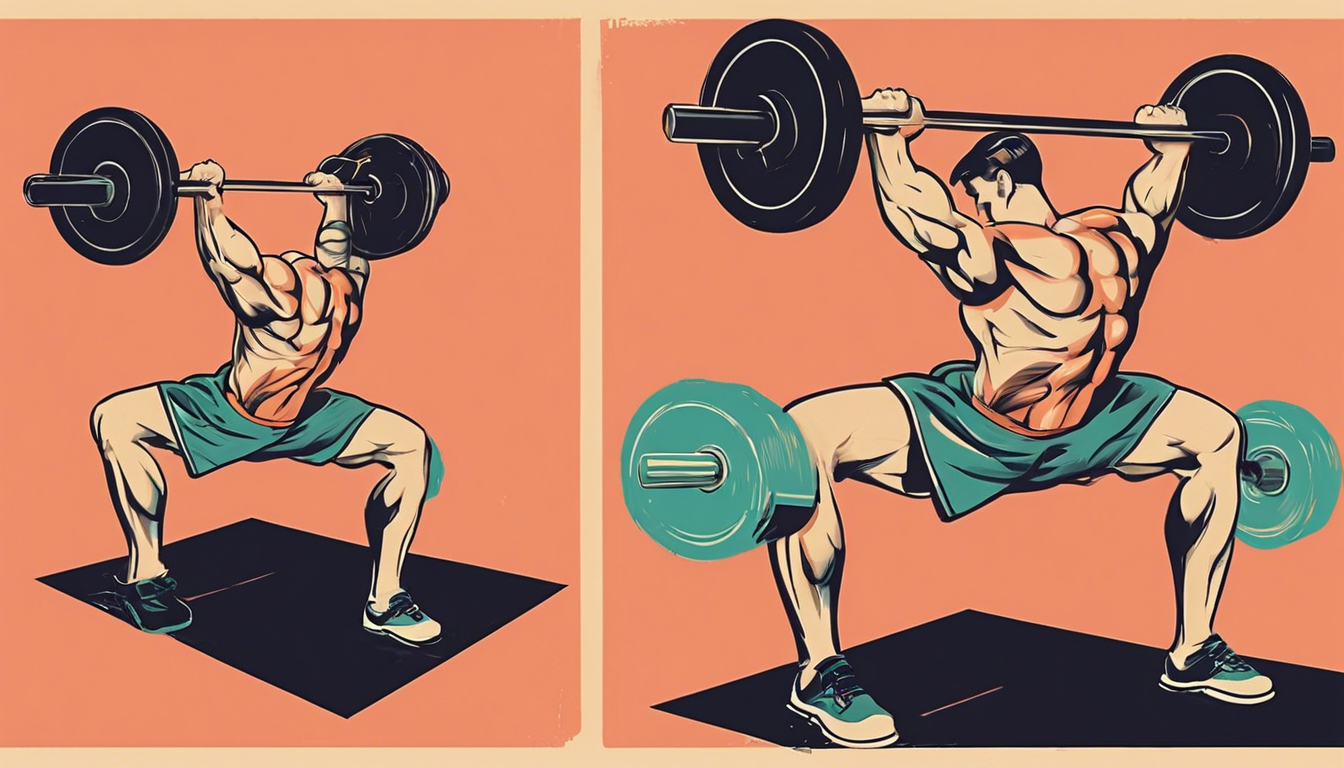
This is where integration shines. A sample session: Begin with a 10-minute rower warm-up (increasing stroke rate). Move to a barbell complex (e.g., Power Clean, Front Squat, Push Press) for 4 rounds. Finish with a “metabolic finisher” on the air bike: 8 rounds of 20 seconds max effort, 40 seconds slow recovery. This approach builds work capacity, strength, and mental fortitude simultaneously.
The Art of Integrated Training: From Use to Mastery
Shift from simply using equipment to executing a periodized, strategic plan that makes the whole greater than the sum of its parts.
Foundational Movement Prep
Use the cardio machine as a dynamic primer. Before a heavy squat session, 10 minutes on the rower activates glutes and hamstrings. Before overhead presses, use a fan bike to warm up the shoulders and core through stabilizer engagement.
The Inputs: Periodization Across Modalities
Cycle your focus in 6-12 week blocks. A Strength Phase prioritizes heavy, low-rep bar lifts paired with low-intensity steady-state (LISS) cardio 2-3x per week. A Hypertrophy & Endurance Phase shifts to moderate-weight, higher-rep bar work combined with High-Intensity Interval Training (HIIT) on machines 1-2x per week. This systematic variation prevents plateaus and drives continuous adaptation.
Accessory Selection for Goal Alignment
Choose bar attachments that support your cardio-driven goals. Improving your 5k run time? Use a triceps rope for push-downs to strengthen arm drive. Training for a hiking trip? Use the lat pulldown attachment to build a stronger back for carrying loads, while the treadmill incline conditions your legs.
Safeguarding Progress: The Protocol for Longevity
Consistency is destroyed by injury, burnout, and mechanical failure. Adopt a proactive, engineering-minded approach to maintenance and adaptation.
The Prevention Mindset
For Cardio Machines: Perform monthly checks. Lubricate treadmill decks per manufacturer instructions. Check rower monorail alignment and bike seat post stability. Wipe down surfaces to prevent sweat corrosion. For Fitness Bars & Racks: Weekly, check the tightness of all bolts and rack pins. Monthly, inspect the knurling and shaft of your barbell for cracks or significant wear. Ensure safety straps or arms are securely mounted and functional.
The Tiered Intervention Plan
When progress stalls or pain appears, act methodically.
- Form & Deload: First, reduce weight on the bar by 40-60% for a week. Use this time to film your lifts and analyze bar path. Pair with very low-intensity cardio (Zone 1-2) for active recovery.
- Cross-Modality Stimulation: If bored or plateaued on a specific cardio machine, switch modalities for 2-3 weeks (e.g., from running to rowing) while maintaining your strength work. This challenges new muscle patterns and re-engages the mind.
- Technical Re-assessment: For persistent issues, consider a professional technique check. A slight adjustment in your deadlift setup or rowing stroke can redistribute force and break through barriers.
The Annual Performance Roadmap
A practical, seasonal guide to integrating cardio machines and fitness bars for year-round progress.
| Season / Phase | Primary Tasks | Strategic Focus |
|---|---|---|
| Winter: Foundation & Strength | Establish 1-Rep Maxes on major lifts. Build aerobic base with 30-45 min LISS sessions. Prioritize sleep and nutrition. | Maximal Strength & Aerobic Capacity. Heavy, low-rep sets (3×5, 5×3) on barbell compounds. 2-3 long, conversational-paced sessions on the rower or bike. |
| Spring: Hybrid Power & Conditioning | Introduce Olympic lift complexes and sled work. Transition cardio to HIIT protocols. Increase workout density. | Explosive Power & Anaerobic Tolerance. Barbell complexes (Clean + Jerk clusters) paired with machine intervals (e.g., 30s sprint/90s rest x 10). |
| Summer: Sport-Specific Performance | Tailor training to an activity (hiking, sports). Maintain strength with focused, heavy sessions. Utilize deload weeks. | Applied Endurance & Strength Maintenance. Mimic sport demands (e.g., heavy weighted step-ups after incline treadmill walks). 1-2 heavy barbell sessions weekly to retain strength. |
| Fall: Recomposition & Skill | Focus on time-under-tension and unilateral bar work. Utilize fasted LISS or post-lift steady-state cardio. Practice skill work (handstands, muscle-ups). | Muscle Definition & Metabolic Efficiency. Higher-rep sets (4×10-15) with controlled tempo. Cardio in the fat-burning zone post-strength session to enhance nutrient partitioning. |
Stepping Into Your Masterpiece
The true power of uniting cardio machines and fitness bars lies in recognizing they are not opposites, but complementary forces in a singular pursuit of vitality. You have moved from selecting hardware to understanding the software of intensity management, from random workouts to a periodized annual plan. This is the essence of mastery: a deep, intuitive understanding of how stress and recovery intertwine across different modalities. The result is more than fitness; it’s the profound satisfaction of a personal performance sanctuary, a space where every tool has purpose, every session builds upon the last, and the resilience you forge enriches every aspect of your life. Your transformation is not a destination—it’s the environment you’ve built and now have the expertise to command.