The Forge of Fitness
Imagine the distinctive clang of weight plates, the secure bite of knurling in your palms, and the profound satisfaction of a new personal record achieved on your own terms, in your own space. This isn’t just a room with equipment; it’s your personal forge, where athletic potential is hammered into reality. The transformation from an empty corner to a high-performance arena hinges on a critical series of decisions, beginning with your most fundamental tools. Mastering your selection and use of CrossFit equipment and fitness bars is the non-negotiable foundation for building not only raw strength but also consistency, safety, and unparalleled, self-directed progress.
Foundational Choices: The Hardware of High Performance
The bars, racks, and platforms you choose are the bedrock of every workout. This is an investment in your athletic future, where quality directly translates to performance and longevity.
The Heart of the Gym: Selecting Your Barbell
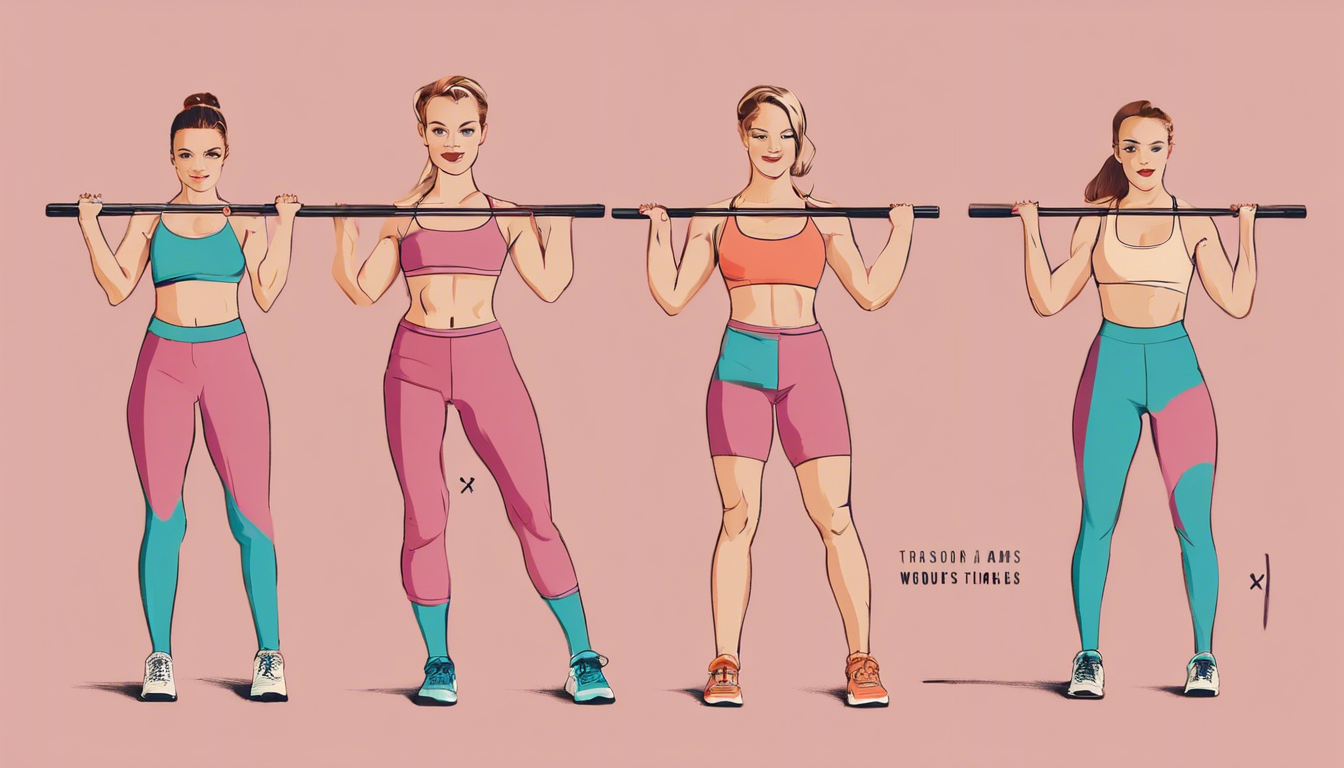
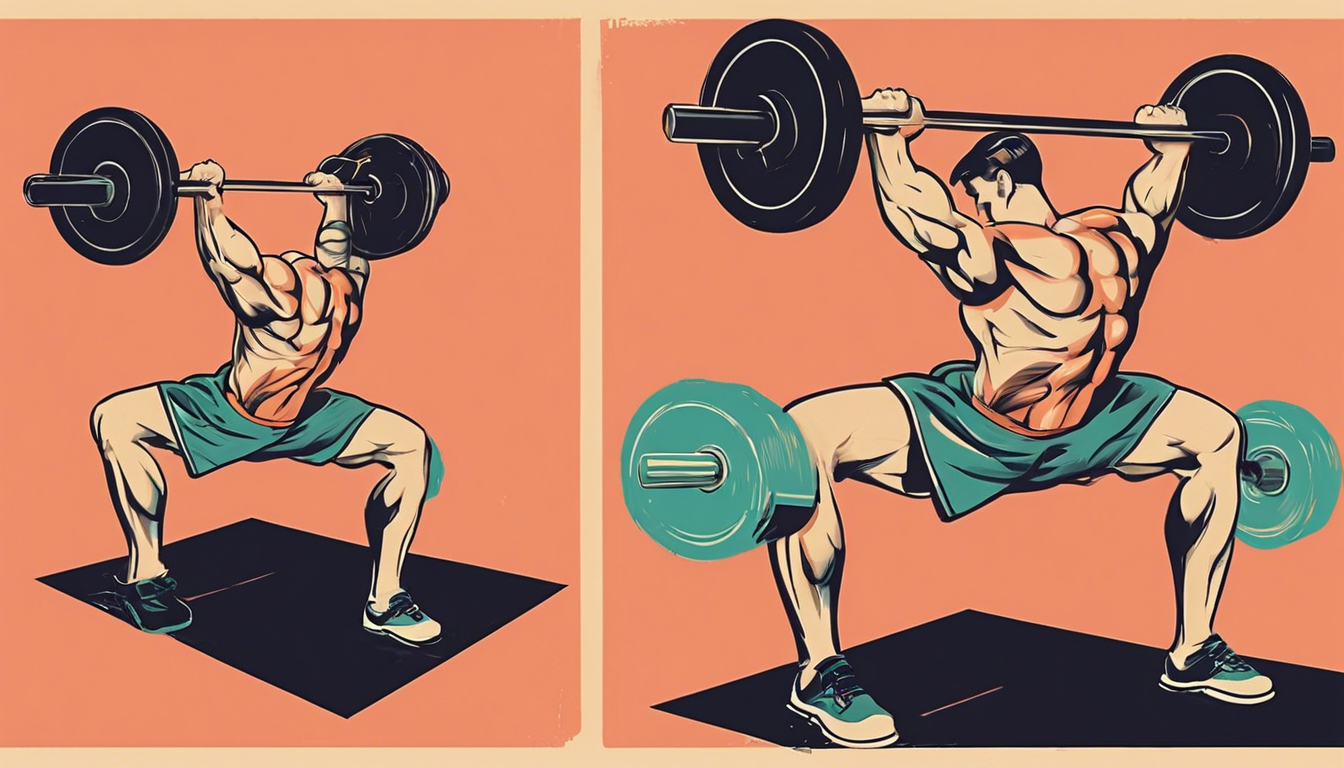
Your barbell is your primary instrument. The 20kg (men’s) and 15kg (women’s) Olympic weightlifting bars are the universal standard, designed with precise whip and sleeve spin for dynamic lifts. For specialists, a dedicated weightlifting bar offers more whip for the snatch and clean & jerk, while a powerlifting bar provides greater stiffness and aggressive knurling for the squat, bench, and deadlift. To conquer weaknesses and add variety, specialty bars like the axle (for grip strength), football/yoke bar (for shoulder health), and safety squat bar (for quad development) are indispensable tools for the advanced athlete.
The Framework: Choosing Your Rig and Wall Mount
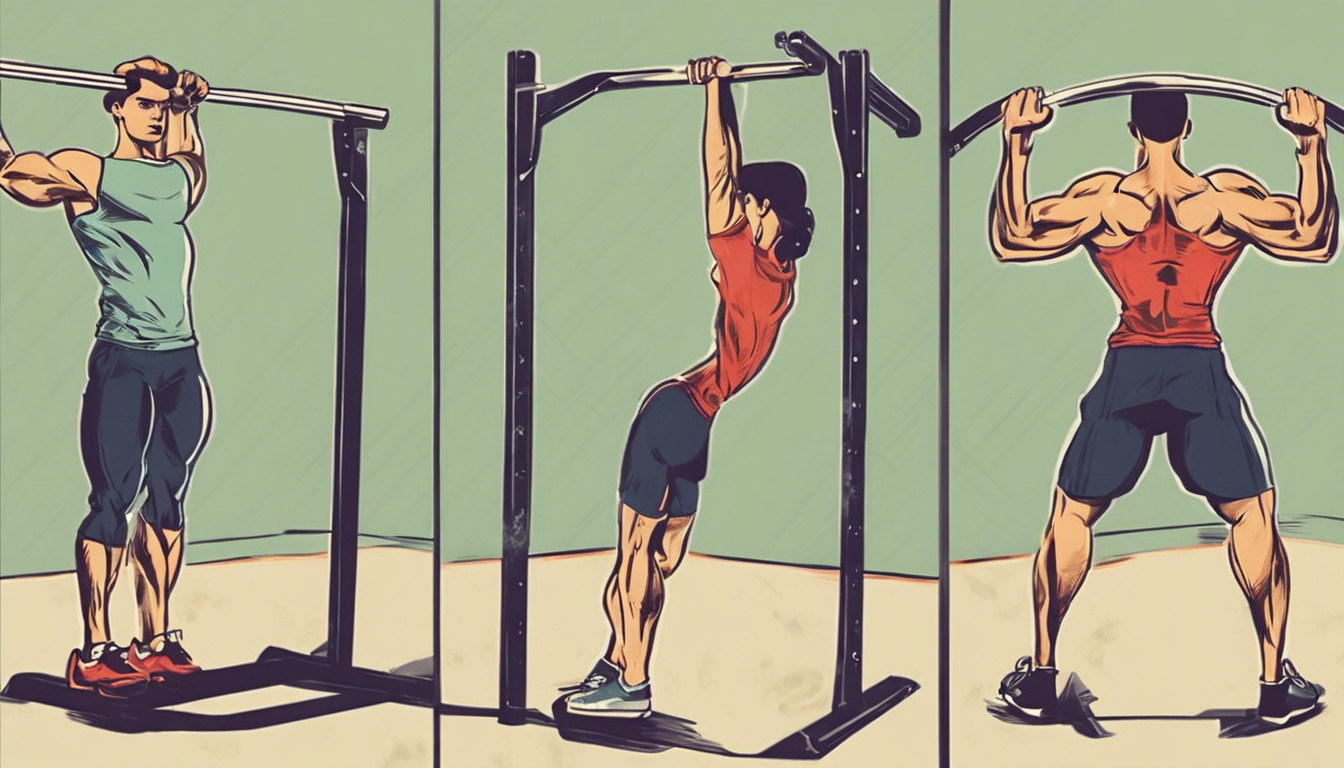
Your rig is your command center. Freestanding cages offer ultimate flexibility and stability for kipping movements, while wall-mounted systems save crucial floor space in tighter garages. Critical measurements dictate compatibility: standard 2″x3″ uprights with 1″ hole spacing at 2″ or 3″ intervals accommodate most accessories, while the diameter of your pull-up bar (typically 1.25″ or 28mm) will define your grip feel.
Material & Component Breakdown
| Component Category | Options | Key Characteristics |
|---|---|---|
| Barbell Shaft | Steel, Stainless Steel, Cerakote |
|
| Rig Uprights | 2″x2″, 2″x3″, 3″x3″ Steel |
|
| Pull-Up Bar | Basic Steel, Knurled, Multi-Grip |
|
The Core System: Managing Your Training Environment
Your home gym is a dynamic ecosystem. Controlling these variables transforms a collection of equipment into a optimized training station.
Flooring & Impact Management
The foundation of your foundation is your floor. 3/4″ thick rubber stall mats are non-negotiable. They protect your equipment, your joints, and your home’s subfloor from dropped weights. The consequence of error is damaged equipment, increased injury risk, and structural complaints. Ensure control by laying mats tightly, sealing seams with appropriate tape, and ensuring they lie perfectly flat to prevent tripping.
Storage & Workflow
Your target is a clear, efficient “floor plan” that allows seamless transitions between movements. Utilize plate trees, wall-mounted holders for fitness bars, and vertical barbell storage to keep the central training area open. This organized flow is critical for navigating high-intensity workouts safely and effectively.
Atmosphere & Durability
Control climate to prevent rust, especially in humid garages. A dehumidifier can be a wise investment. Implement a regular maintenance schedule: brush debris from barbell knurling after use, oil steel sleeves and shafts periodically, and immediately address any moisture on equipment surfaces.
Advanced Practices: The Art of the Home WOD
With the foundation set, shift from building the gym to mastering its use. This is where equipment knowledge translates directly to performance.
Barbell Preparation & Care
Your barbell is a partner, not a tool. Use chalk strategically—block chalk for grip, liquid chalk for a less messy, long-lasting layer. Regularly inspect the knurling for wear and check sleeve spin and end-cap security. A well-maintained bar performs predictably.
Intelligent Equipment Sequencing
Design your “garage gym” WODs with flow in mind. Sequence movements to logically move between your rig, barbell, and floor space. For example, pair pull-ups on the rig with barbell cleans, then transition to kettlebell swings in an open zone, minimizing setup and breakdown time to keep intensity high.
Strategic Accessory Selection
Beyond the primary bar and rig, choose accessories that solve problems. A plyo box height should challenge your jump; select a single versatile kettlebell weight (e.g., 24kg for men, 16kg for women) for swings and a matching pair for presses; choose a speed rope with adjustable, ball-bearing cables for efficient double-unders.
Threat Management: Safety and Longevity
Adopt a proactive stance. Your vigilance is the primary safety mechanism.
Prevention: The First Line of Defense
Conduct regular visual and functional inspections. Check barbells for any hint of bending or cracking. Examine rack welds and ensure all bolts are tight. Enforce a “clear landing zones” rule—no loose plates or equipment in the area where you might bail from a lift or jump.
Intervention: The Targeted Response
Problem: Rust on a barbell shaft.
Response: Use a brass wire brush (not steel) to scrub, then apply a light coat of 3-in-1 oil.
Problem: Slippery pull-up bar.
Response: Lightly sand with fine-grit sandpaper to restore texture, and use appropriate chalk.
Problem: Wobbly rig.
Response: Check that the floor is level underneath; re-torque all connection bolts to the manufacturer’s specification.
The philosophy is simple: address minor wear immediately to prevent catastrophic failure.
The Action Plan: A Quarterly Home Gym Audit
| Phase | Primary Tasks | What to Focus On |
|---|---|---|
| Quarterly Audit |
|
Preventative maintenance. Ensuring every piece of CrossFit equipment is in a state of safe, ready-to-use reliability. This is system hygiene. |
| Pre-Programming Cycle (Every 6-8 Weeks) |
|
Strategic evolution. Moving from mere ownership to orchestration. Using your tools intentionally to engineer specific athletic adaptations and break through plateaus. |
The Arena You Built
True mastery in your home forge is the symbiotic relationship between the athlete and their iron. It is the understanding that the right bar, placed in a thoughtfully managed environment, and wielded with intelligent practice, creates a sum greater than its parts. This journey—from selecting the foundational fitness bars and rig, to managing the space as a system, to practicing the advanced art of training within it—culminates in more than mere convenience. It builds a personal arena that reflects your discipline. It is where you alone answer the call of the clock and the barbell, day after day. The resulting transformation, rep by rep, set by set, is built on the unshakable foundation of perfectly chosen, and masterfully used, iron.