The Unshakeable Foundation: Why Bar Stability is Non-Negotiable
Imagine the peak of your final, grinding pull-up. Your muscles are screaming, your focus is absolute. Then, you feel it—a subtle shift, a groan from the wall, a moment of sheer, heart-stopping uncertainty. That split-second fear shatters your concentration and exposes the grim reality: an unstable fitness bar isn’t an inconvenience; it’s a direct threat to your safety and progress. This isn’t just about hardware; it’s about the fundamental trust you place in your equipment. Consistent, methodical stability checks are the non-negotiable bedrock upon which safe, effective, and fearless training is built. Mastering a simple, regular inspection protocol is the master key that transforms your home gym from a potential hazard into an unshakeable fortress of strength.
Foundational Choices: The Setup Dictates the Schedule
Your inspection frequency isn’t arbitrary; it’s dictated from day one by the choices you make during installation and the type of bar you own. Think of this as calibrating your maintenance rhythm to your equipment’s inherent risk profile.
Part A: Bar Type & Mounting System
The very design of your bar determines its relationship with stability. A fixed, wall-mounted rig bolted into studs is a permanent citizen of your space, while a removable doorframe bar is a frequent traveler. Your protocol must adapt accordingly.
- Fixed Wall-Mounted Pull-Up Bars: These offer the highest potential for stability but require the most rigorous initial installation. The primary risk is long-term material fatigue and fastener loosening. Your checks focus on the integrity of the connection to the wall.
- Removable Doorframe Bars: Their stability is entirely dependent on compression and friction against the doorframe molding. Each setup and takedown is a variable. Checks are mandatory every single time you install them, focusing on symmetrical pressure and secure locking mechanisms.
- Freestanding Power Towers/Cages: These units create their own footprint. Stability is a function of level flooring, their own base design, and the even distribution of weight across their structure. Your checks target floor contact points, bolt tightness on the frame, and potential “walking” or shifting over time.
Part B: The Critical Installation Audit
The first 72 hours after setup are a critical “settling-in” period. This is not the time for max-effort sets; it’s the time for vigilant observation.
- For Wall/Doorframe Mounts: Apply moderate, dynamic load (gentle hangs, bodyweight rows). Listen for creaks. Visually inspect the mounting points and the wall/doorframe surface for any immediate signs of stress, indentation, or movement. Mark the bar’s position with pencil to detect any slippage.
- For Freestanding Units: Perform exercises that create lateral force (knee raises, light kipping). Observe if the unit rocks or the feet lift. Ensure it’s on a perfectly level, solid surface—never carpet alone without a protective platform.
The Core System: Your Proactive Inspection Protocol
Frame stability is not a “set it and forget it” state. It is a dynamic variable to be actively managed through a tiered, multi-frequency inspection system. This is your operational blueprint.
Control Variable 1: Pre-Session “Touch Check” (The Non-Negotiable)
Frequency: Before EVERY workout. This is a 10-second ritual as essential as warming up.
Method:
- Visual Scan: Look for obvious cracks, bends, or changes in position.
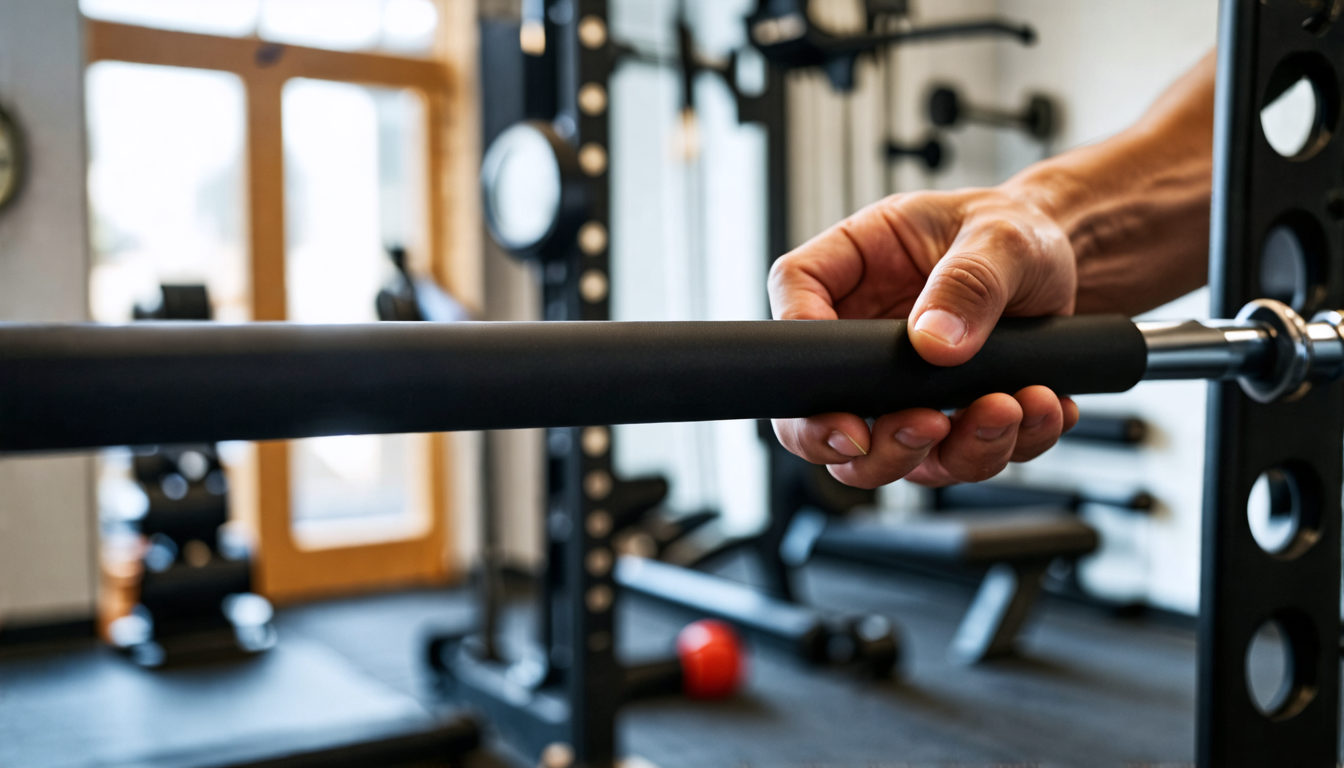
- Hand-Pressure Test: Firmly grip the bar and apply downward and side-to-side pressure. Feel for any play or movement that shouldn’t be there.
- Weight-Bearing Rock Test: Hang your full bodyweight gently, then subtly shift your weight side-to-side and forward/backward. Listen and feel. There should be zero movement of the bar relative to its mount or the floor.
Control Variable 2: Weekly “Deep Dive” Inspection
Frequency: Once per week, on a rest day.
Method: A dedicated 5-minute procedure.
- Fastener Check: Using the appropriate tool (Allen key, wrench), check the tightness of every bolt, screw, and nut. Pay special attention to pivot points on folding bars or connecting joints on towers.
- Stress Mark Audit: Under good light, inspect all metal near welds and mounting points for hairline cracks or paint that is stretching/cracking. Check wall/doorframe contact points for new compression marks or splintering.
- Attachment Point Test: For racks with multiple grips or attachments, test each one individually with a partial load.
Control Variable 3: The Monthly & Quarterly “Reset”
Frequency: Monthly for high-use setups, Quarterly for moderate use.
Advanced Practices:
- Torque Wrench Application: For critical structural bolts on wall mounts or power cages, use a torque wrench to ensure they are tightened to the manufacturer’s specification, preventing under or over-tightening.
- Wall Material Assessment: For bars mounted into drywall/studs, check if the mounting plates have compressed the drywall over time, creating a slight gap. This may require adding a larger, more distributive backplate.
- Re-Leveling: For freestanding units, use a carpenter’s level to check all planes. Adjust foot pads or shim the base as necessary to eliminate any rock.
The Stability Calendar: Your Action Plan
This is your at-a-glance roadmap. Integrate these tiers into your training lifestyle.
| Frequency | Primary Tasks | What to Focus On |
|---|---|---|
| Before Each Use | Visual scan, Hand-pressure test, Weight-bearing rock test. | Immediate safety. Detecting any catastrophic failure or major loosening that has occurred since your last session. |
| Weekly | Tighten all fasteners, inspect for stress marks/cracks, test all attachment points. | Preventative maintenance. Catching the slow, incremental loosening and wear that happens with regular use. |
| Monthly/Quarterly | Torque critical bolts, inspect wall/floor contact for compression, re-level freestanding units. | Long-term structural integrity. Addressing environmental factors and material fatigue that occur over longer timescales. |
Threat Management: Diagnosing the Warning Signs
A proactive stance stops problems before they start. Learn the language of your equipment’s distress signals.
Prevention: The Habits of a Secure Setup
- Respect Consistent Load: Avoid violent, asymmetric swings (like extreme kipping) unless your bar is explicitly rated for it. Sudden, off-axis forces are the primary cause of joint failure.
- Maintain Clean Contact Points: Keep the bar ends and mounting surfaces free of sweat, chalk, and dust, which can reduce friction for doorframe bars.
- Know the True Limit: Adhere strictly to the user weight limit, which includes your bodyweight plus any additional load (dip belts, weighted vests).
Intervention: From Wiggle to Wobble—The Tiered Response
Identification Guide:
- A single “creak” on initial hang: Often normal settling of the structure or floor. Monitor.
- Persistent “grinding” or “popping”: Indicates metal-on-metal wear or a fastener working loose. Investigate immediately.
- Visible lateral “wobble” during use: A critical sign of failing integrity. STOP USE IMMEDIATELY.
Response Plan:
- Step 1 (Tighten): Isolate the source of movement and securely tighten all related fasteners. Retest.
- Step 2 (Re-seat/Re-level): For doorframe bars, take it down completely and re-install, ensuring perfect symmetry. For freestanding units, re-level the base on the floor.
- Step 3 (Discontinue Use & Investigate): If movement persists after Steps 1 & 2, the problem is structural. Cease all use. Inspect for cracks, stripped threads, or damage to your wall/floor. Contact the manufacturer or a professional.
The Confidence of Consistency
So, how often should you check the stability of your fitness bar? The answer is revealed not as a single number, but as a seamless system—a rhythm of awareness woven into the fabric of your training. It is the journey from a one-time setup task to an ingrained ritual of self-preservation and respect for your tools. This discipline yields a profound reward: the unshakable confidence that comes from knowing your foundation is absolute. It is the quiet assurance that allows you to channel 100% of your focus, energy, and passion into the pure, unadulterated expression of strength, rep after secure rep. That is the true power of a stable foundation.